
California – Pressure that had been building for days finally reached the water’s edge.
After insisting that the United States would continue pressing forward in the Iran conflict, President Donald Trump abruptly stepped back from one of his newest wartime moves, pausing “Project Freedom” after allies and regional partners pushed back against the plan.
The sudden shift came at a moment when criticism at home was already growing louder, with Democratic lawmakers from California to New York calling for an end to the war and warning that Americans were being asked to carry the cost in their daily lives.
Gas prices, inflation, groceries and basic household expenses have become part of the political fight over the conflict.
As billions are spent daily on the war, many Americans have been asking why the burden keeps rising while no clear end appears in sight.
Trump, however, had initially shown little interest in slowing down. His administration continued defending the war effort, even as public frustration spread and lawmakers demanded a faster path toward peace.
Then came the trouble abroad.
Trump announced “Project Freedom” on social media Sunday afternoon, presenting it as an effort to help stranded commercial ships move through the Strait of Hormuz, one of the world’s most important waterways.
The plan was meant to guide vessels through the critical passage amid Iran’s blockade and show that the U.S. could still protect maritime movement in the region. But instead of steady support, the announcement triggered immediate concern among key Gulf partners.
According to multiple U.S. officials, Saudi leadership reacted strongly after being surprised by the timing of the announcement.
Saudi Arabia informed Washington that it would not allow American military aircraft to operate from Prince Sultan Airbase southeast of Riyadh or use Saudi airspace to support the operation. That decision mattered deeply. Without regional basing and overflight access, the U.S. military’s ability to protect ships in the strait becomes far more complicated.
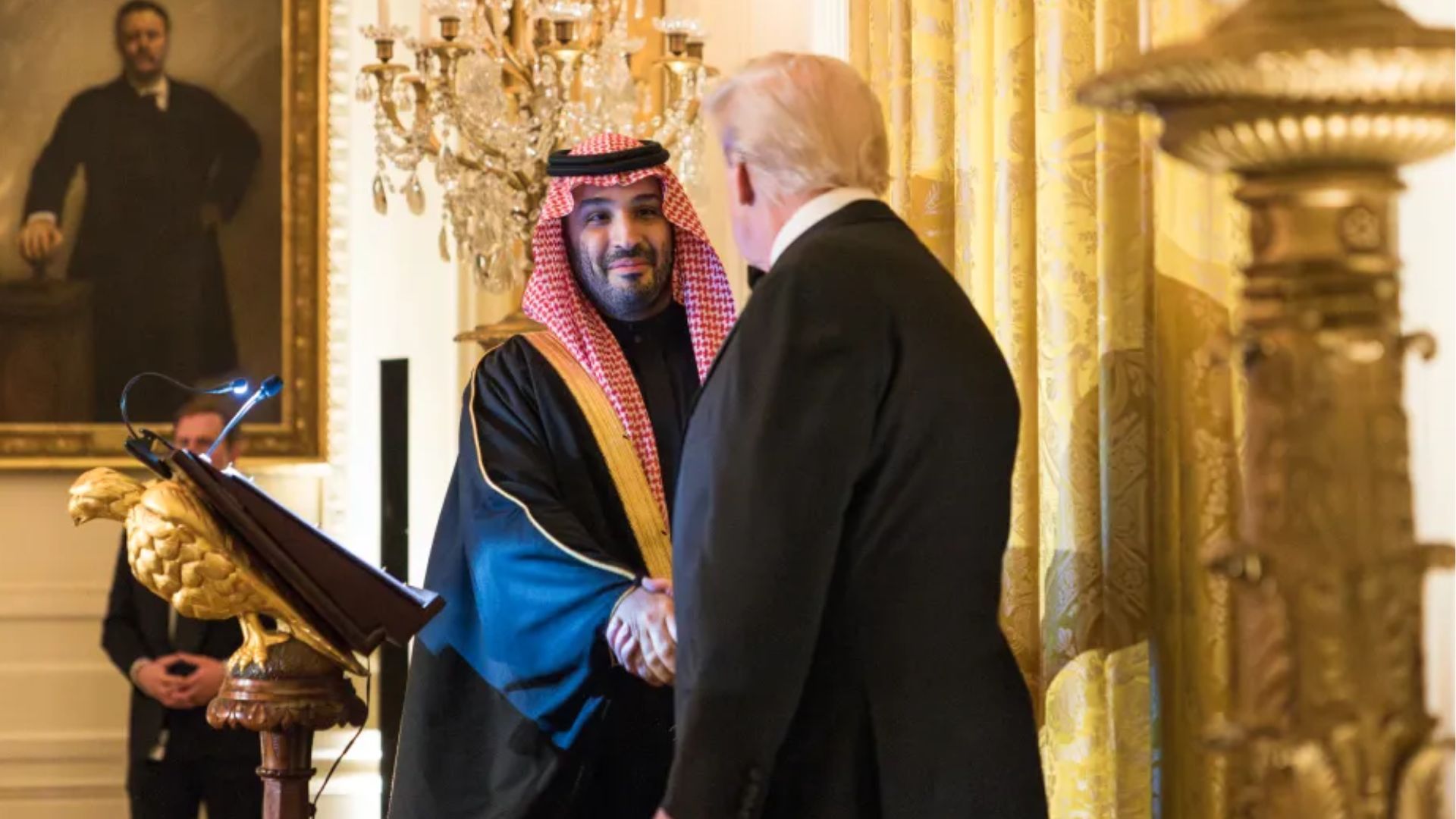
A call between Trump and Saudi Crown Prince Mohammed bin Salman did not quickly settle the dispute.
The pause that followed appeared to reflect more than a tactical delay. It showed how much the United States still depends on partners whose support cannot simply be assumed, even during a conflict led by Washington.
Other Gulf allies, including Qatar and Oman, were also caught off guard by the rollout.
A Saudi source emphasized that communication with Washington was continuing and said there was strong support for diplomatic efforts led by Pakistan to broker a U.S.-Iran deal. A White House official maintained that regional allies had been notified in advance, while a Middle Eastern diplomat said coordination with Oman continued after the announcement and described the reaction there as not especially upset.
Still, the larger picture was clear. The project had moved too quickly for some of the very governments needed to make it work.
Top national security officials had spent Tuesday promoting Project Freedom in Pentagon and White House briefings. The U.S. military positioned additional ships, and two U.S.-flagged vessels successfully transited under the operation before it was paused. But roughly 36 hours after the effort began, Trump stopped it.
In his own explanation, Trump said Project Freedom would be “paused for a short period of time to see whether or not” an agreement to resolve the war “can be finalized and signed.” He pointed to progress in negotiations, requests from Pakistan and other countries, and the need to focus on a complete deal. The U.S. military blockade on Iranian ports remains in place.
The reversal also exposed the deeper strategic reality facing Washington.
The U.S. relies heavily on access, basing and overflight permissions across the region. Saudi Arabia and Jordan are important for basing, Kuwait for overflight, and Oman for naval logistics and airspace. Fighter jets, tankers and support aircraft all need that network to provide a defensive umbrella for ships moving through the strait.
Trump later spoke with Qatar’s emir, who stressed de-escalation and maritime security. At the same time, the U.S. maintained a large military presence in the Gulf, including two carrier strike groups, while continuing to pursue a negotiated end to hostilities. Iran is reviewing a new U.S. peace proposal mediated by Pakistan.
The White House framed Project Freedom as separate from the earlier “Epic Fury” bombing campaign, saying the newer operation was focused on protecting commercial shipping. Even so, the project briefly led to renewed small-scale clashes in the waterway, adding another layer of risk to an already tense situation.
Online, the president’s pause drew heavy reaction on X. Users filled the comment section with sharply different views about the sudden change, the war, gas prices and whether Trump had been forced to retreat by the very allies and so-called partners needed to carry out his plan.
For now, Trump has not ended the war. But by pausing Project Freedom after regional resistance and rising domestic anger, he has shown that even a president determined to press forward can be forced to slow down when the pressure comes from every direction at once.

