
California – California’s 2026 race for governor is moving toward a defining question that reaches far beyond party politics: could the state’s deportation policies change if a Trump-backed Republican wins?
That possibility has become a central issue as the June 2 primary approaches, with voters already receiving ballots and Republicans split between two very different figures.
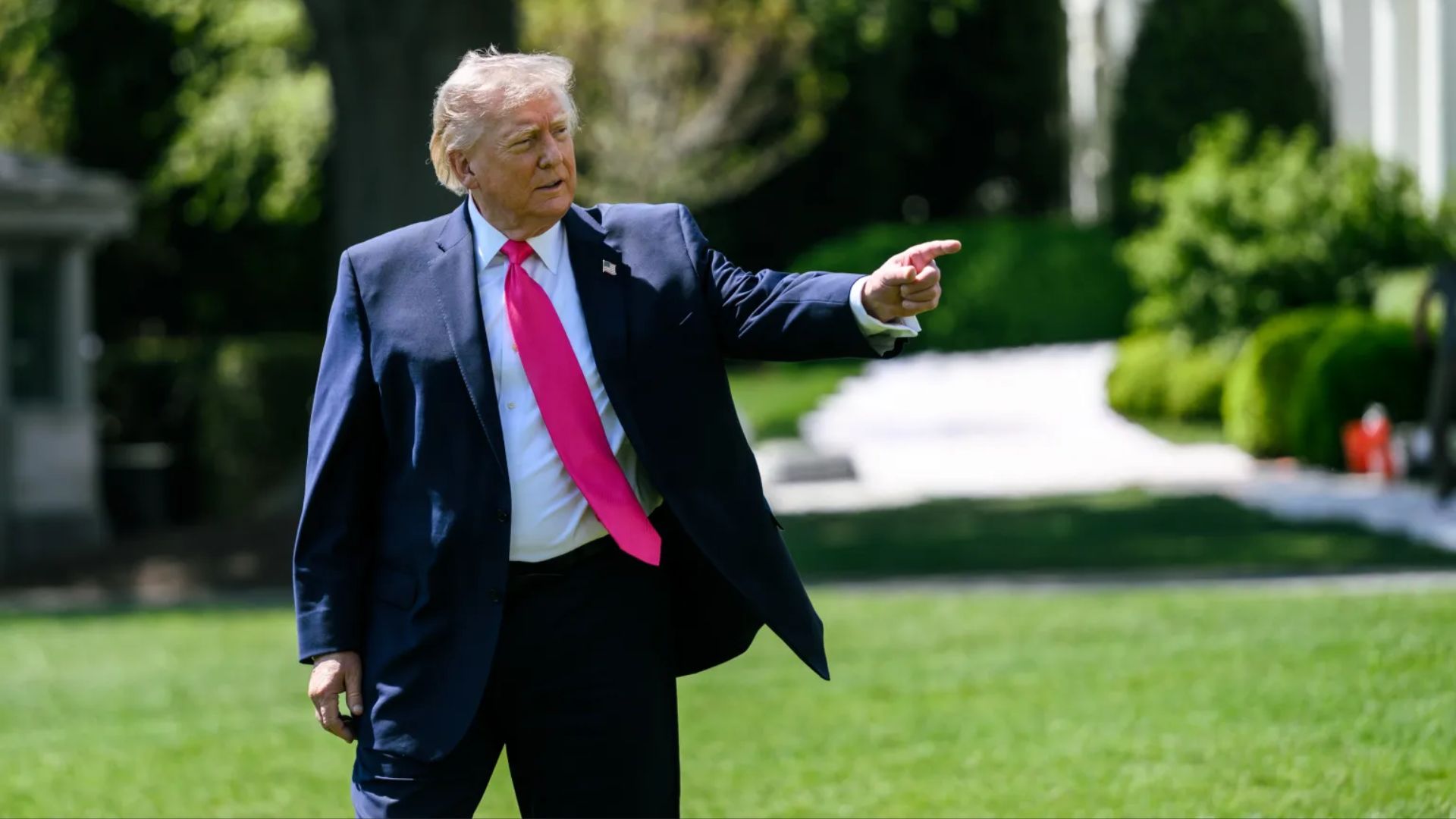
Steve Hilton, a British-born former Fox News host, political strategist and naturalized U.S. citizen, has the endorsement of President Donald Trump.
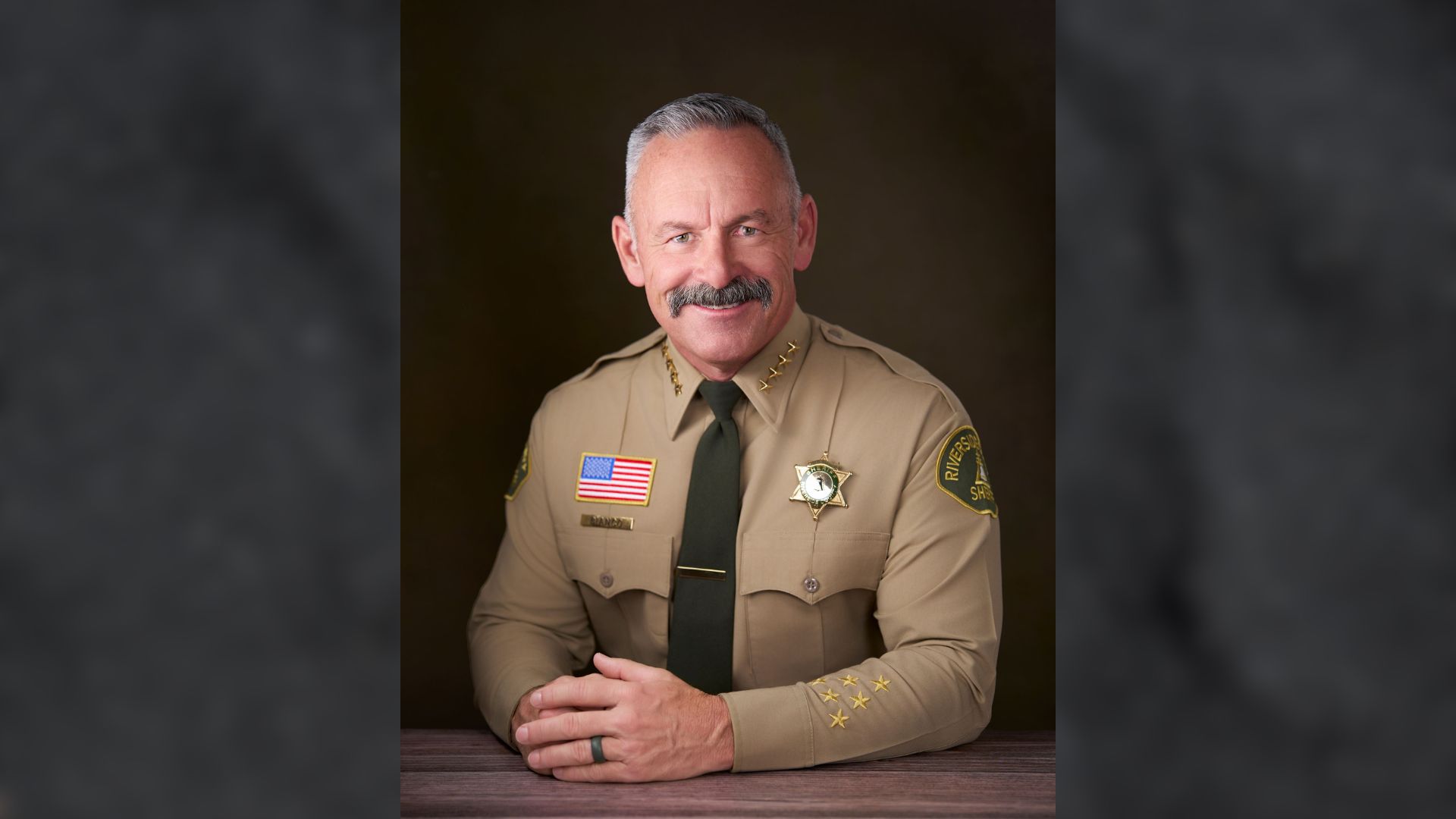
Riverside County Sheriff Chad Bianco, meanwhile, has built his campaign around law enforcement, border security and a tougher public safety message rooted in Southern California’s conservative base.
The divide inside the party became clear at the California Republican Party’s recent convention.
Delegates gave Bianco 49 percent support and Hilton 44 percent, leaving both short of the 60 percent needed for an official party endorsement.

For a party often pressured to rally behind Trump’s preferred candidate, the result showed how divided California Republicans remain as they try to find the strongest path forward in a heavily Democratic state.
At the center of that fight is immigration.
California has long followed a sanctuary-state framework that limits how much local law enforcement can cooperate with federal immigration authorities.
That system was shaped by Senate Bill 54, signed into law in 2017, which restricts local agencies from honoring federal immigration detainers in many cases. Supporters have defended the policy as a way to build trust between immigrant communities and local police. Critics, including both Hilton and Bianco, argue it weakens public safety and creates conflict with federal law.
During a televised CNN gubernatorial debate on Tuesday, Hilton was pressed directly on how he would handle deportations if elected governor.
Moderator Kaitlan Collins asked whether he would support deporting undocumented farmworkers under Trump’s mass-deportation policy. Hilton answered by drawing a line between state and federal power, saying immigration is handled by Washington but that California should cooperate with the federal government to enforce the law “peacefully and effectively.”
Hilton did not promise state-led raids or a sweeping California-run deportation effort.
But his answer still pointed toward a major break from the state’s current posture. He argued that California cannot continue choosing which federal laws to follow, framing his position as a matter of legal order rather than political revenge.
“As governor, I’ve made it very clear, although it is the federal government’s responsibility to determine and implement immigration policy, I think it’s important that all the laws are peacefully enforced. And as governor, I would make sure that we work with the federal government to enforce our laws,” Hilton said, while noting that he is a “legal immigrant.”
Collins followed up by asking if Hilton would support deporting undocumented farmworkers.
“The governor of California, as you know, doesn’t make that decision,” Hilton said. “It is the president of the United States elected by the country.”
Steve Hilton just owned the moment after CNN tried to trap him with a question about mass deportations.
Hilton flipped the script on them completely — speaking as the ONLY LEGAL immigrant on the stage.
COLLINS: “Mr. Hilton, right now, President Trump is enacting a policy of… pic.twitter.com/lKp2e1EGyI
— Overton (@overton_news) May 6, 2026
Bianco has gone further.
His campaign has called for repealing sanctuary protections outright and allowing fuller cooperation between local sheriffs and U.S. Immigration and Customs Enforcement.
For voters who want a sharp turn on border enforcement, Bianco has presented himself as the harder-line option. Hilton, backed by Trump, has leaned more into the language of partnership with Washington, while still making clear that he would not defend California’s current sanctuary approach.
The consequences could be especially deep in California’s agricultural regions.
The state produces more than a third of the nation’s vegetables and about two-thirds of its fruits and nuts. Its farms have depended for decades on immigrant labor, and roughly half of California farmworkers are undocumented. If state officials began cooperating more closely with federal deportation efforts, the impact could spread quickly through farms, packing houses, rural towns, grocery prices and family budgets.
Supporters of stricter enforcement see the issue differently.
They argue that illegal immigration places pressure on housing, schools, hospitals and wages, and that California has spent years shielding people from laws that should be enforced evenly across the country. For them, a Republican governor would not be an act of disruption, but a correction.
Still, the politics are difficult.
California remains one of the country’s strongest Democratic states, and a Republican victory in November would be a major upset. Yet the state’s nonpartisan “jungle” primary leaves room for unusual outcomes, since the top two vote-getters advance regardless of party.
A crowded Democratic field has raised at least some discussion about whether two Republicans could move forward, though that remains a narrow possibility.
Online, the race has already become a storm. On X, users have filled debate clips and campaign posts with sharply divided reactions. Some praised Hilton and Bianco for taking a tougher stance on enforcement. Others warned that mass deportations could damage the economy, hurt farms and create humanitarian fallout across immigrant communities.
As the primary nears, the fight is no longer only about which Republican can survive in deep-blue California. It is about whether the state will continue resisting federal immigration priorities or move closer to Trump’s enforcement agenda. If a Trump-backed candidate reaches the governor’s office, California could face its biggest shift on deportation and border policy in a generation.

