
Texas – A new wave of controversy has erupted around Donald Trump after he shared another AI-generated image layered with religious symbolism.
The photo showed himself standing beside Jesus just days after deleting an earlier “Christ-like” post that had already triggered backlash.
The image, posted on Truth Social with a defiant caption, quickly drew criticism from political figures, conservative commentators and religious leaders alike, many of whom argued that it crossed a line and added to growing concerns about Trump’s increasingly provocative public messaging.
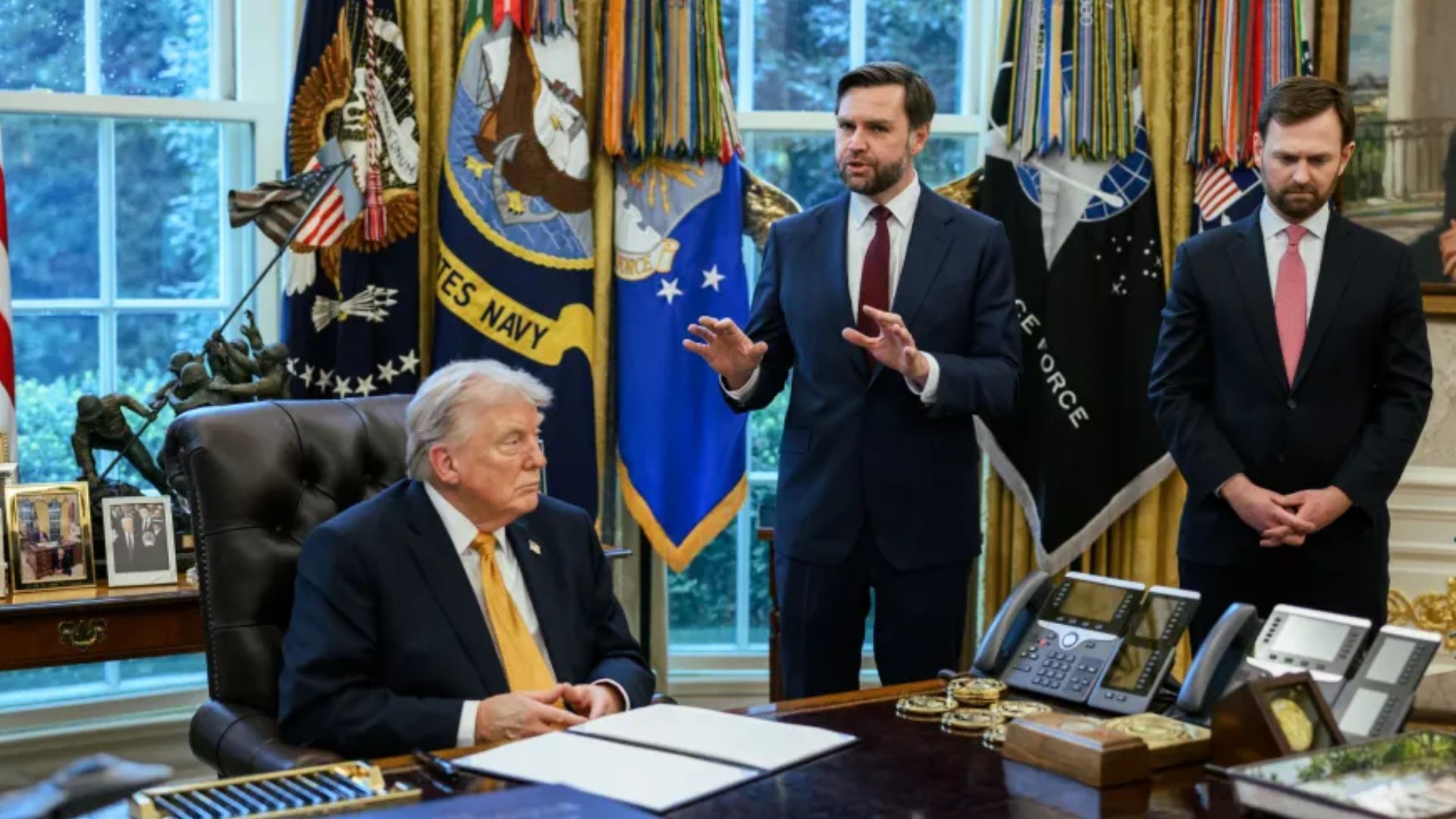
As outrage spread, attention also turned to the silence of major Texas Republican leaders, who once again declined to publicly weigh in despite Trump’s deep influence in the state.
Their lack of response has only intensified questions about whether party figures are unwilling to challenge him even as the controversy widens across political and religious lines.
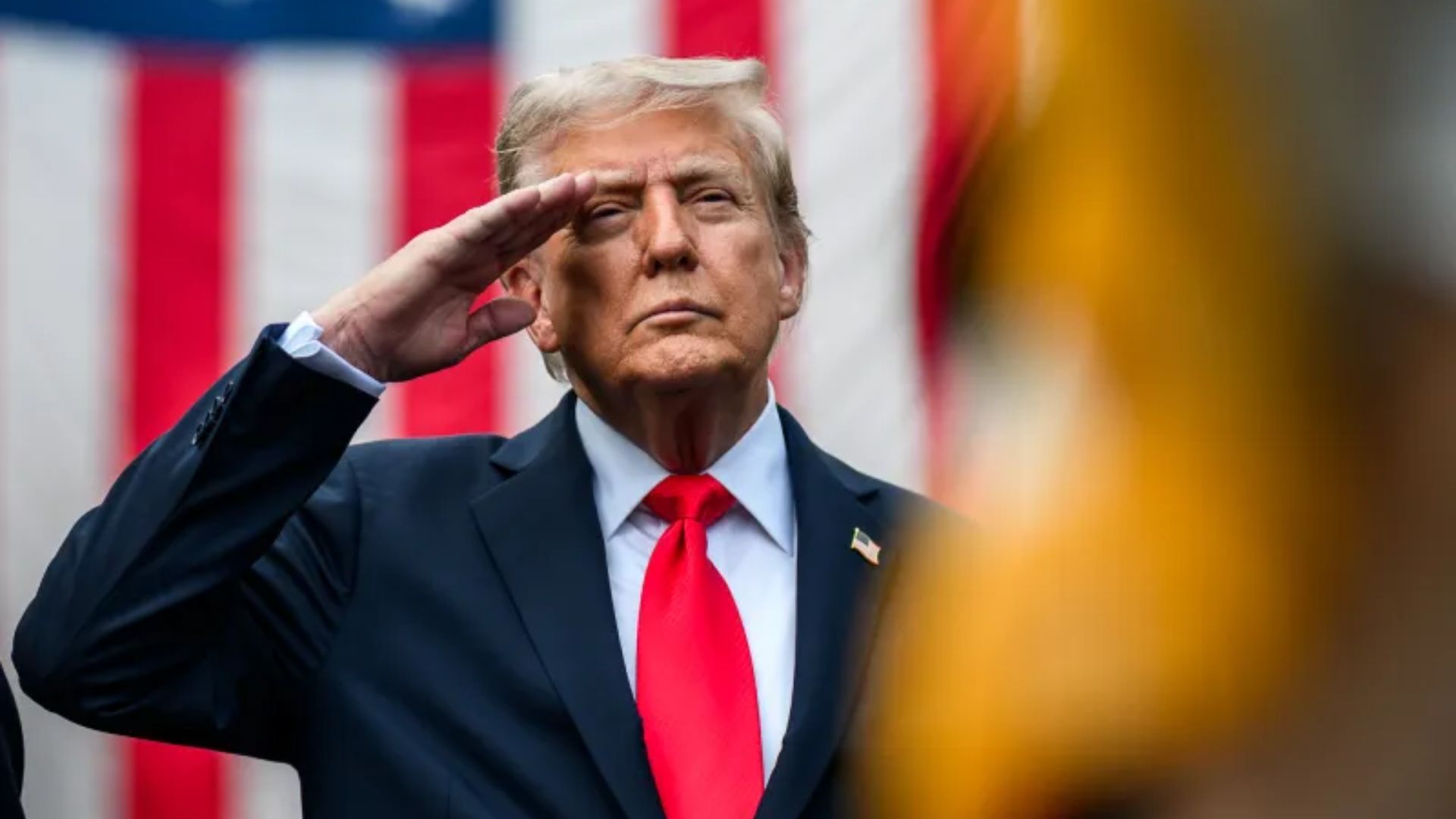
In an already tense national climate, the episode has become about more than just one post, highlighting the political weight of symbolism, the risks of escalation, and the conspicuous silence of leaders who continue to stand aside.
It’s not only the GOP stronghold Texas, but also Republican circles around the country. From generally silent to prominent Republican politicians, Trump’s recent behavior sparks criticism even among his die-hard MAGA supporters.
And in such climate, VP JD Vance, who was supposed to be building a glide path to 2028, is also taking a hit standing next to the president.
According to The Guardian‘s Simon Tisdall, the vice-president is spending some of the most important months of his career cleaning up after Donald Trump and taking damage for battles that were never really his.
What should have been a period of consolidation is starting to look like a slow political bleed, with Vance increasingly cast as the man sent out to defend the indefensible.
That role is becoming more dangerous by the week.
Vance is close enough to Trump to absorb the fallout from every fresh controversy, but not powerful enough to shape the outcome on his own terms.
His loyalty has made him useful inside the administration, yet it has also left him exposed as public frustration grows over Trump’s decisions, his erratic conduct, and the broader direction of the White House.
The problem for Vance is sharpened by his own history.
Before remaking himself as one of Trump’s most reliable allies, he was one of his harshest Republican critics, famously warning that Trump could become “America’s Hitler.” That version of Vance is long gone.
In its place stands a politician who has repeatedly adjusted his message to fit the needs of the movement, embracing hard-line immigration rhetoric, defending Trump’s inflammatory claims, and aligning himself with a presidency he once treated as a threat.
His shift on foreign policy has been just as striking.
Vance once argued against foreign military entanglements and sold himself as a voice of restraint. But from inside the administration, he has been tied to support for force across several fronts, including Iran. That transformation has not made him look strong or strategic. It has made him look elastic, a politician willing to bend as far as necessary if it keeps him in position for the next step.
Even so, Vance has one structural advantage over the rest of Trump’s circle: he cannot simply be fired. Unlike cabinet officials and senior aides, the vice-president is elected. That gives him a measure of security others do not have.
It also creates a deeper tension inside the administration. Under the 25th Amendment, Vance is one of the few people in government who could help move against a president judged unfit to serve. A number of Democrats have already pushed for that possibility to be taken seriously.
For now, though, Vance is not breaking away. He is enduring. And lately, that has meant being sent into one losing situation after another. In Hungary, he was used as a stand-in for Trump in a moment that ended in political embarrassment.
In the Iran talks, he became the public face of a negotiation he was not equipped to control, lacking both deep experience and real freedom to bargain. Forced to keep checking back with Trump, he looked less like a dealmaker than a messenger carrying instructions into a room he did not command.
Then came the backlash over Trump’s attacks on Pope Leo. For Vance, who converted to Catholicism and has leaned on that identity to broaden his appeal among religious conservatives, this was especially awkward territory. As the administration’s most prominent Catholic, he might have been expected to push back or at least create some distance. Instead, he was left politically stranded between his faith and his loyalty.
That is the vice-president’s trap.
Every time Trump creates another crisis, Vance sinks a little deeper with him. Polling has worsened, his standing as the natural Maga successor is less secure, and his future no longer looks automatic.
He may still find a way to protect his ambitions. But if Trump keeps dragging the party into chaos, Vance’s best chance of survival may require the one move he has spent years avoiding: turning on the man he chose to serve.

