
Georgia – Donald Trump’s endorsement has injected fresh turbulence into California’s governor’s race, elevating conservative commentator Steve Hilton while exposing deeper fractures inside a Republican field already struggling to find a clear path forward.
What was already a competitive and uneasy contest has now become a broader measure of Trump’s influence in a state where the GOP has spent years searching for relevance.
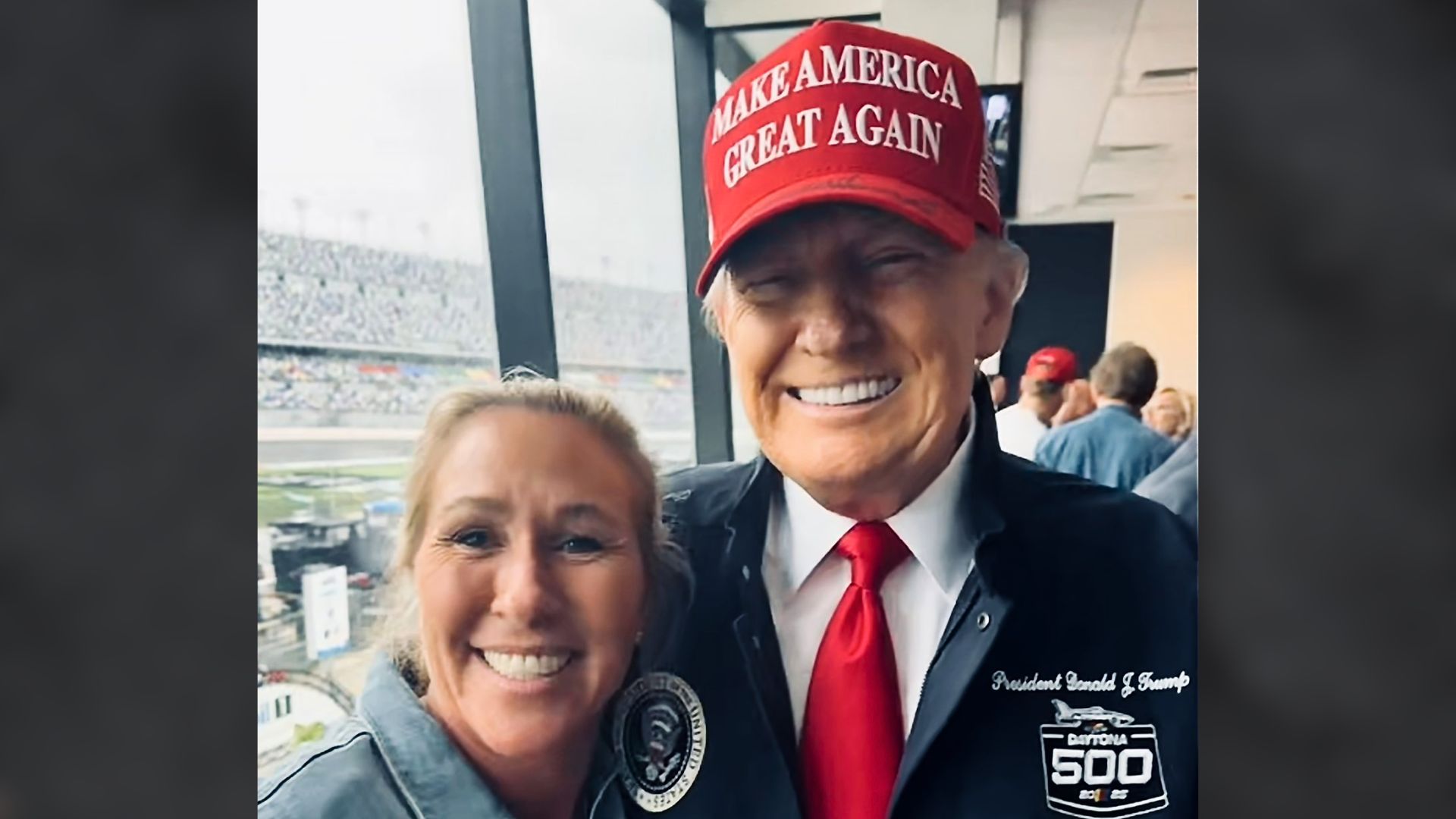
Rather than settling the race, the endorsement appears to have intensified questions about electability, party unity and who should shape the Republican future in California.
With rival Chad Bianco pushing back, party delegates unable to unite behind a single candidate, and the state’s top-two primary system raising the stakes, the battle is no longer just about one endorsement, it is about whether Republican momentum can survive internal division.
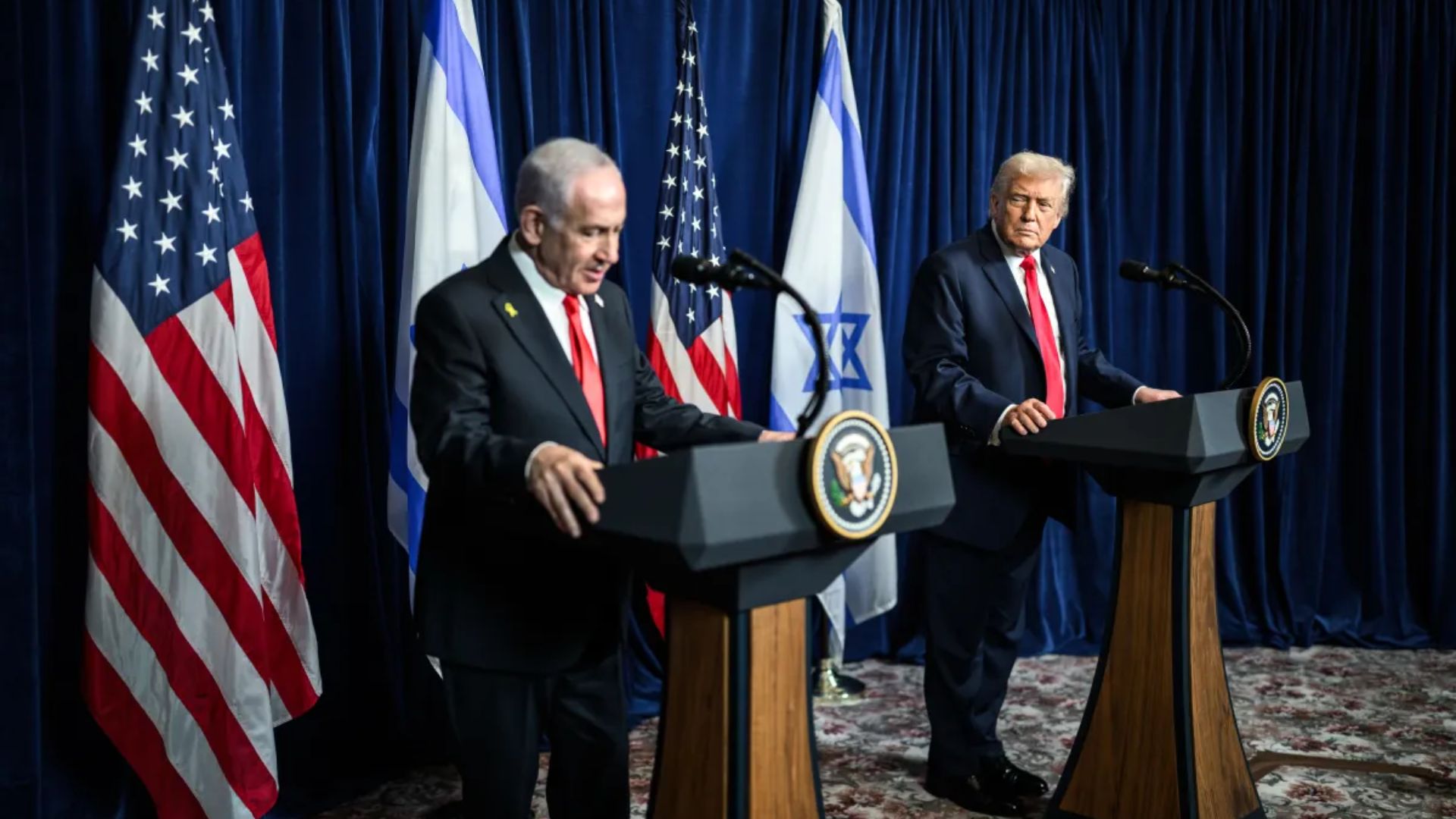
Divisions within the Republican Party appear to be deepening. That is also the view of former Georgia congresswoman Marjorie Taylor Greene, a longtime ally of Donald Trump.
For years, Marjorie Taylor Greene stood near the center of Donald Trump’s political orbit, one of the fiercest defenders of his movement and one of the loudest voices in the “America First” wing of the Republican Party.
That is what makes her latest break so striking.
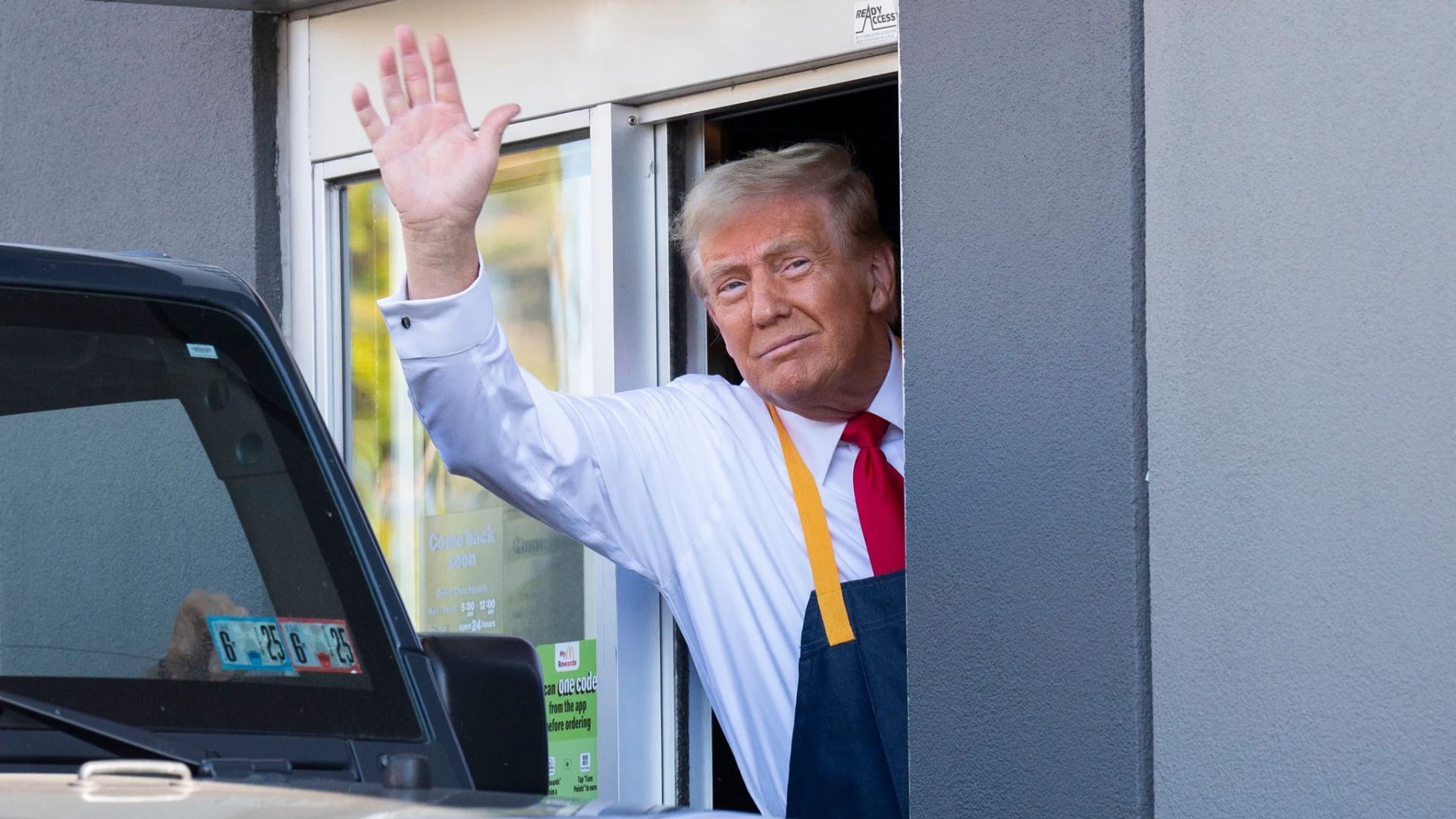
In a sharp public turn, Greene is now arguing that the party she once helped champion is too compromised to be repaired and must be rebuilt from the ground up.
Speaking Wednesday on Alex Jones’ InfoWars program, Greene described today’s Republican Party as something hollowed out and captured, no longer operating as an independent political force.
According to Greene, it has become a structure driven by loyalty tests, outside influence and blind allegiance to Trump. She said the party “needs to burn to the ground,” portraying it not as a movement in need of reform, but as one beyond saving in its current form.
“Here’s what we have to do: we have to be realistic about the Republican Party,” Greene said.
“The Republican Party needs to burn to the ground. It’s completely controlled.”
At the heart of her criticism was a charge that too many Republican lawmakers are aligned with Israel’s interests rather than America’s. Greene said the party is dominated by figures tied to AIPAC and argued that this influence has helped drag Republicans away from the anti-war posture many voters believed Trump once represented.
She framed her frustration as part of a broader complaint that the populist energy that fueled Trump’s rise has been redirected into loyalty to a person rather than commitment to a set of principles.
Greene also accused Trump’s supporters of refusing to challenge him, even when his actions conflict with the promises that helped define his political brand. She said many of his backers have become unwilling to question him under any circumstances, describing that bond as cult-like.
In her view, years of political attacks, legal troubles and impeachment battles strengthened that emotional attachment, turning criticism of Trump into something many supporters now see as betrayal.
She reserved some of her sharpest words for conservative media, especially Fox News, which she accused of feeding viewers a distorted version of events and reinforcing loyalty to the president.
Greene suggested that older voters in particular were being kept in line by messaging that discouraged skepticism and rewarded obedience.
“That’s absolutely wrong,” she said of Trump supporters who do not criticize the president’s actions.
To her, that dynamic has made it harder for the Republican base to confront what she sees as a profound change in Trump himself.
That personal disappointment has become central to Greene’s message. She said the man she supported for a decade is no longer the same figure she once defended.
Her criticism has intensified since their split earlier this year, a falling out that ended with Greene resigning from the House after Trump withdrew his support for her following her push to release the Epstein files. Since then, she has accused the president of becoming mentally unstable, especially after his threat to wipe out Iranian civilization if the Strait of Hormuz was not reopened.
Greene is no longer alone in her distance from Trump.
Jones, Tucker Carlson and Candace Owens are among the former allies who have also broken with him over the move toward war with Iran.
On Wednesday, Greene and Jones made clear that they intend to keep pressing their case, hoping to pull supporters away from the president and toward a different kind of political coalition.
Even as she rejected accusations that her remarks were antisemitic, Greene’s comments revived scrutiny of her long record of inflammatory statements, including past promotion of conspiracy theories and comparisons involving the Holocaust.
Still, she insisted her criticism was aimed at the Israeli government and political donors, not Jewish people.
By Thursday, Greene was already looking past the wreckage.
In a post on X directed at Democratic Rep. Ro Khanna, she floated the possibility of a new populist alliance that could bring together parts of the right and left around shared priorities. For Greene, the future now seems less about rescuing the Republican Party she once served and more about sketching out what might rise after the fire.

