
Texas – U.S. Representative Al Green of Texas joined a growing chorus of public figures, politicians and other prominent voices criticizing Donald Trump over his recent posts involving the pope and imagery portraying himself in a Jesus-like manner.
The backlash quickly intensified, with critics accusing Trump of going too far and showing disrespect toward religious symbols.
What may have been intended as another attention-grabbing moment did not land well, as criticism continues to follow him and the controversy shows no sign of fading.
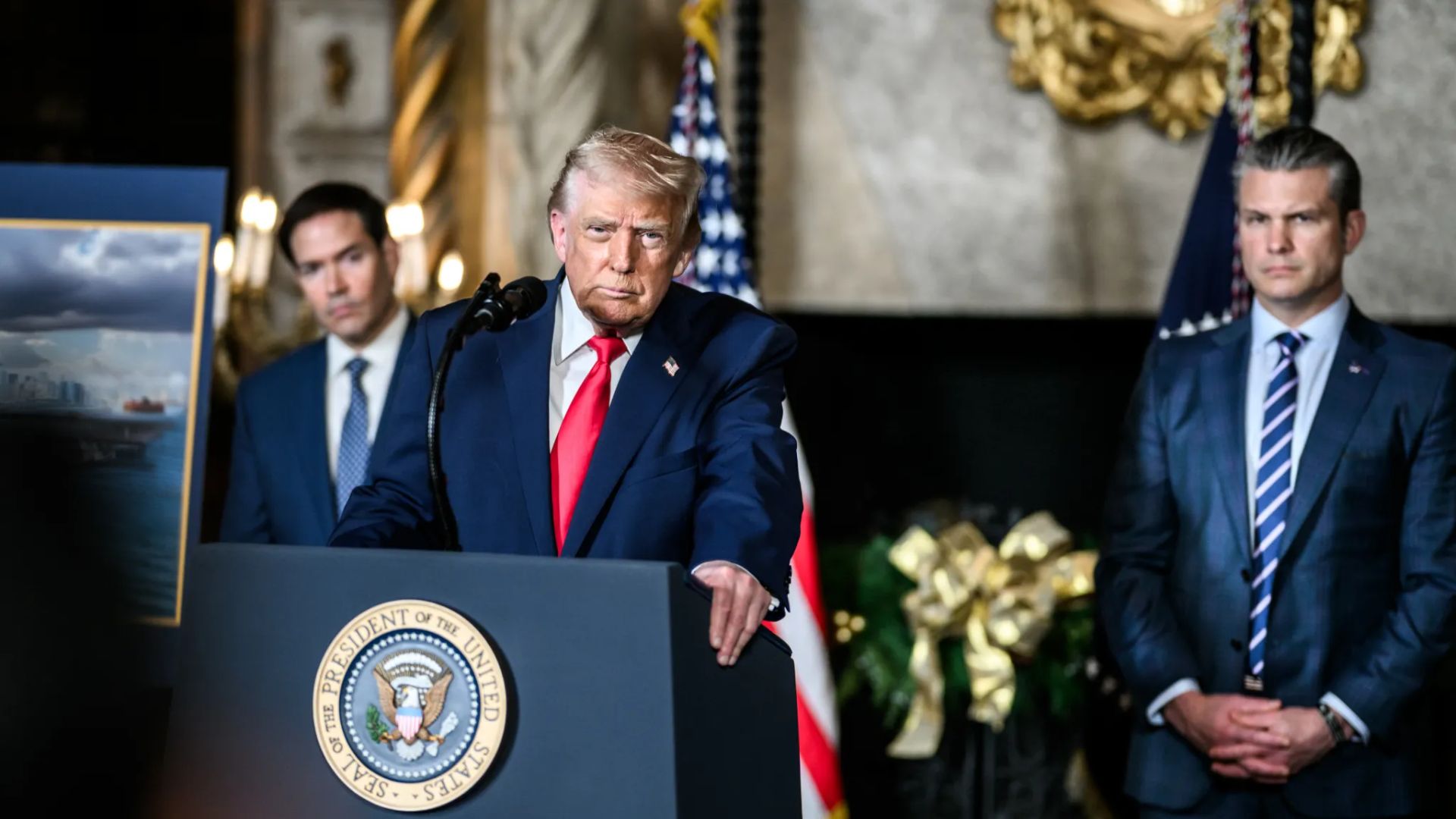
A sharp public reaction is forming around the way religion has been pulled into the center of President Donald Trump’s political messaging and the administration’s handling of the Iran war, according to a new Washington Post-ABC News-Ipsos poll.
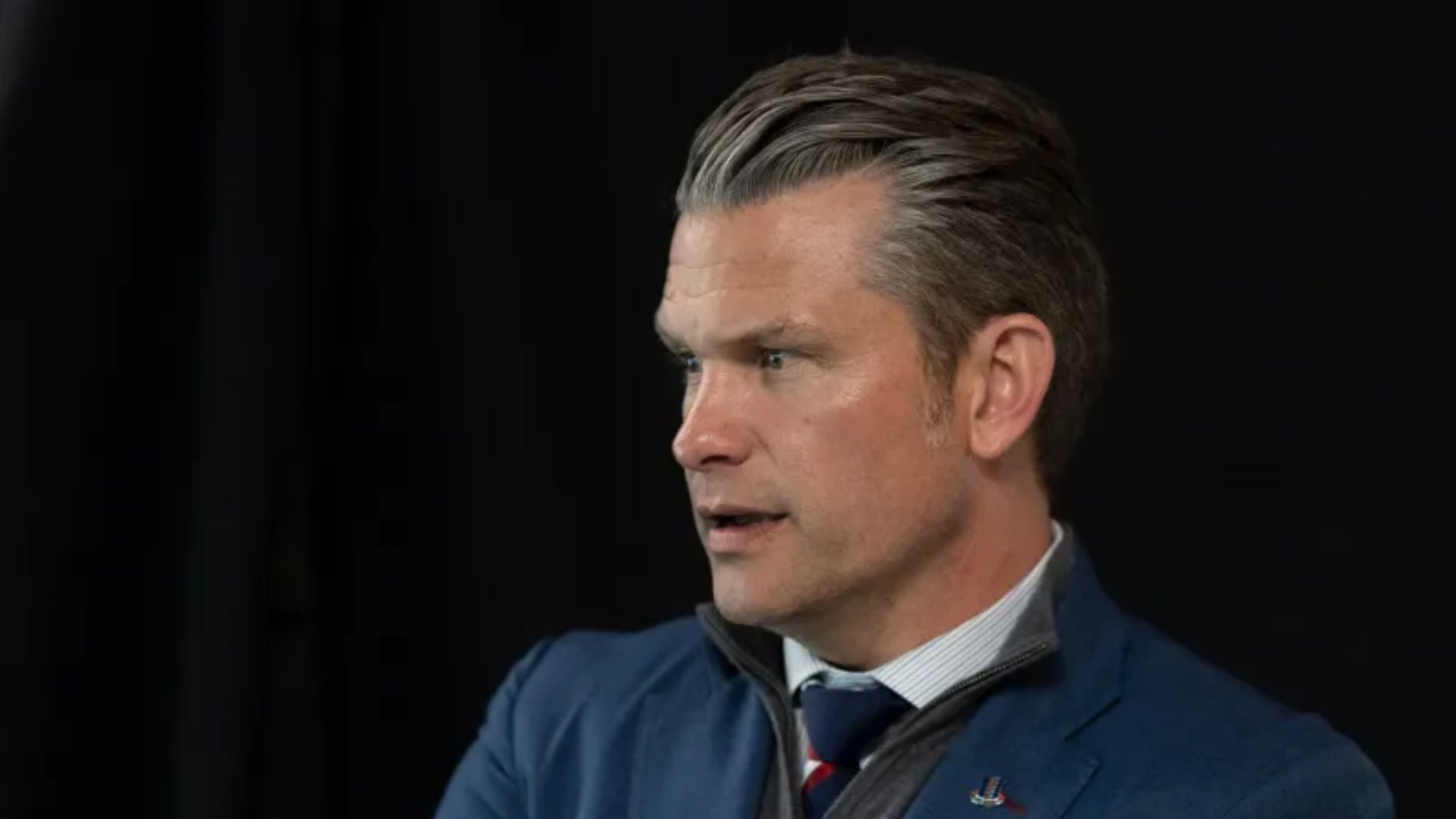
The survey shows that Americans are broadly uncomfortable with the religious images and language used in recent weeks by Trump and Defense Secretary Pete Hegseth.
At the same time, Pope Leo XIV is receiving a more positive response from many Americans after challenging the administration’s tone on war, immigration and nuclear weapons.
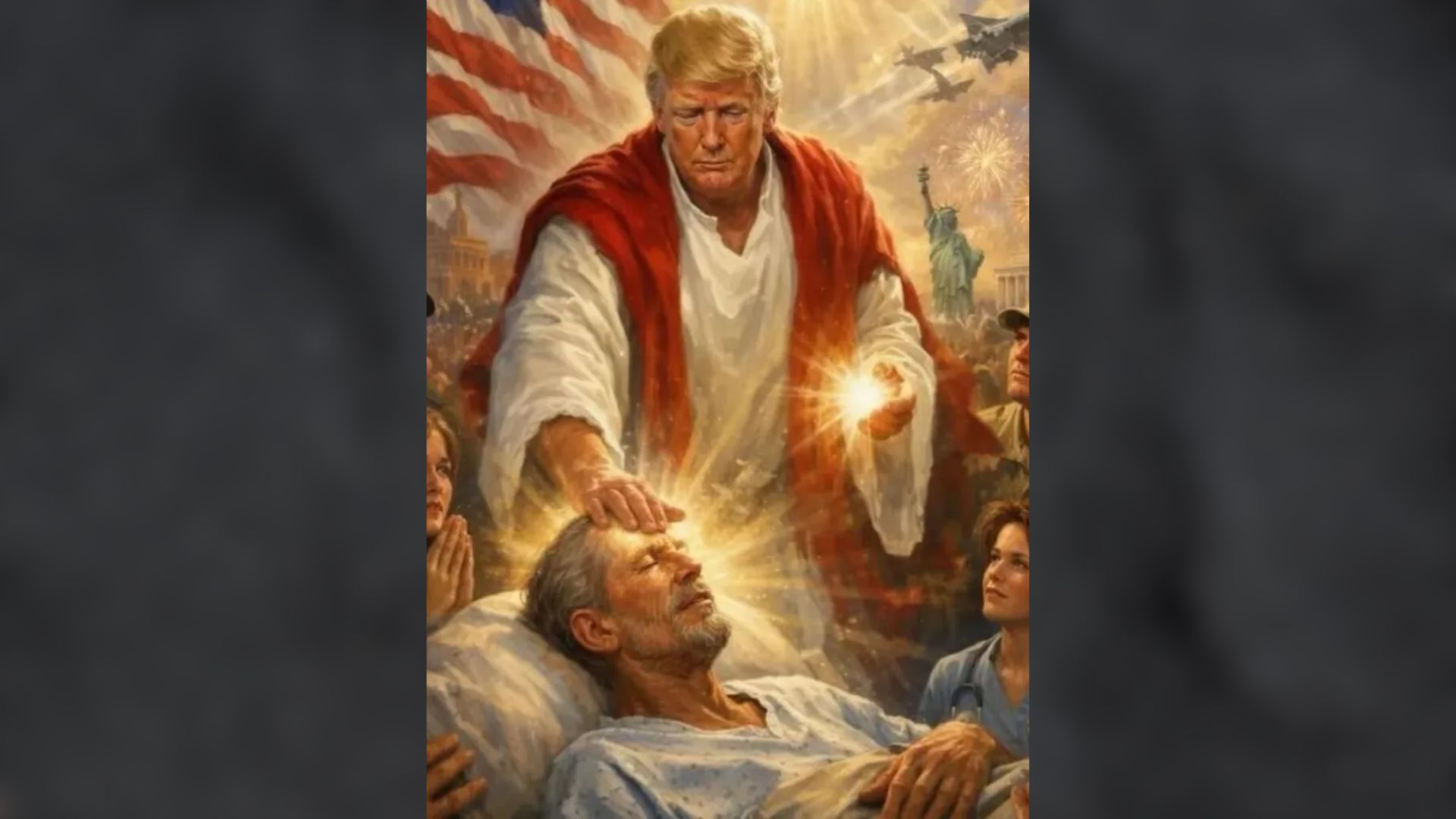
The clearest sign of public anger came after Trump shared an AI-generated image on Truth Social that appeared to show him as Jesus.
The post drew backlash, including from parts of the religious right, and Trump later deleted it. He also claimed afterward that he believed the image showed him as a doctor.
But the damage had already spread far beyond his usual critics.
The poll found that 87 percent of Americans disapproved of the post. Even among Trump’s own political base, the reaction was strongly negative: 80 percent of his 2024 voters and 79 percent of Republicans viewed it unfavorably.
Hegseth’s words also landed badly with the public. At a religious service at the Pentagon in late March, he prayed for “overwhelming violence of action against those who deserve no mercy.”
According to the poll, 69 percent of Americans disliked that statement.
The controversy has grown as Hegseth, a former Fox News host, has increasingly leaned into his Evangelical Christian faith while speaking from the Pentagon.
He has often described the war in Iran through religious language, using scripture in remarks and suggesting that God stands with the United States against Iran, a Muslim-majority country of about 90 million people.
Critics have warned that this kind of rhetoric could blur the constitutional line between church and state, isolate non-Christian service members who are also serving the country, and inflame the conflict with Tehran by giving it a religious cast.
“This is completely, totally unprecedented,” said Michael Weinstein, the president and founder of the Military Religious Freedom Foundation.
“He’s making it clear that this is Jesus versus Muhammad,” he added, according to The Independent.
The Pentagon previously rejected that criticism in a statement to The Independent.
“Secretary Hegseth, along with millions of Americans, is a proud Christian,” Pentagon Press Secretary Kingsley Wilson said.
“The Christian faith is woven deeply into the fabric of our nation and shared by America’s wartime leaders like President George Washington, who prayed for his troops at Valley Forge, and President Franklin D. Roosevelt, who gifted Bibles to American soldiers during WW2 and encouraged them to read it,” Wilson added in an emailed response.
While Trump and Hegseth face public unease over their religious messaging, Pope Leo XIV appears to be cutting through the noise with a very different message.
The poll found that 66 percent of Americans had a positive reaction to the pope’s call for war to be rejected. Among Americans familiar with him, 41 percent view him favorably, compared with 16 percent who view him unfavorably.
Leo has become a direct moral counterweight to the administration, especially after speaking against Trump’s immigration crackdown and the war in Iran. His criticism sharpened after Trump threatened to “wipe out an entire civilization,” with the pope warning against “the delusion of omnipotence” behind the conflict.
Trump responded by accusing Leo, without evidence, of “endangering Catholics” and suggesting the pope was comfortable with Iran having nuclear weapons.
“I think he’s endangering a lot of Catholics and a lot of people, but I guess, if it’s up to the Pope,” Trump later said.
“He thinks it’s just fine for Iran to have a nuclear weapon.”
Leo answered without naming Trump.
“The mission of the Church is to proclaim the Gospel, to preach peace,” he said.
“If someone wants to criticise me for proclaiming the Gospel, let them do so truthfully. For years, the Church has spoken out against all nuclear weapons, so there is no doubt on that point.”
The dispute now moves toward a more formal setting, with Secretary of State Marco Rubio expected to meet Pope Leo at the Vatican on Thursday for what has been described as a “frank conversation” about the administration’s policies.
What began as a fight over words and images has become something larger: a test of how far Americans are willing to accept religion as a weapon of political and military power.

