
Tennessee – The decision landed quietly, but the reaction did not.
President Donald Trump’s Department of Justice has ended its review of a phone seized from Rep. Andy Ogles, a Tennessee Republican closely aligned with the MAGA wing of the party, according to a report from Politico’s Kyle Cheney.
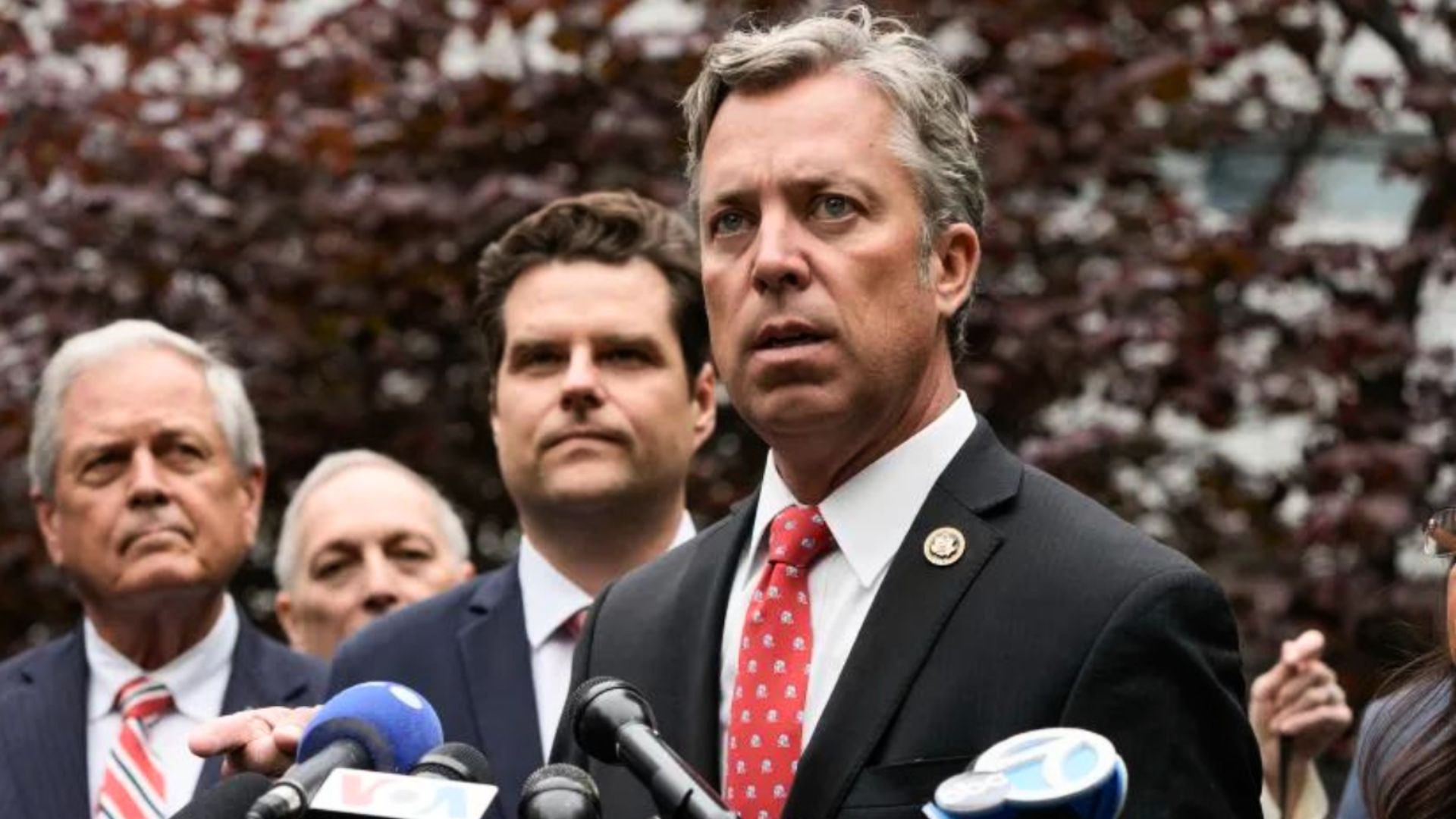
The move immediately set off a political firestorm, with critics accusing the administration of protecting one of its own while raising fresh concerns about whether federal justice is being applied evenly in Washington.
Read also: ‘We went too far’: Barney Frank’s final warning torches his own party, says Dems are losing America
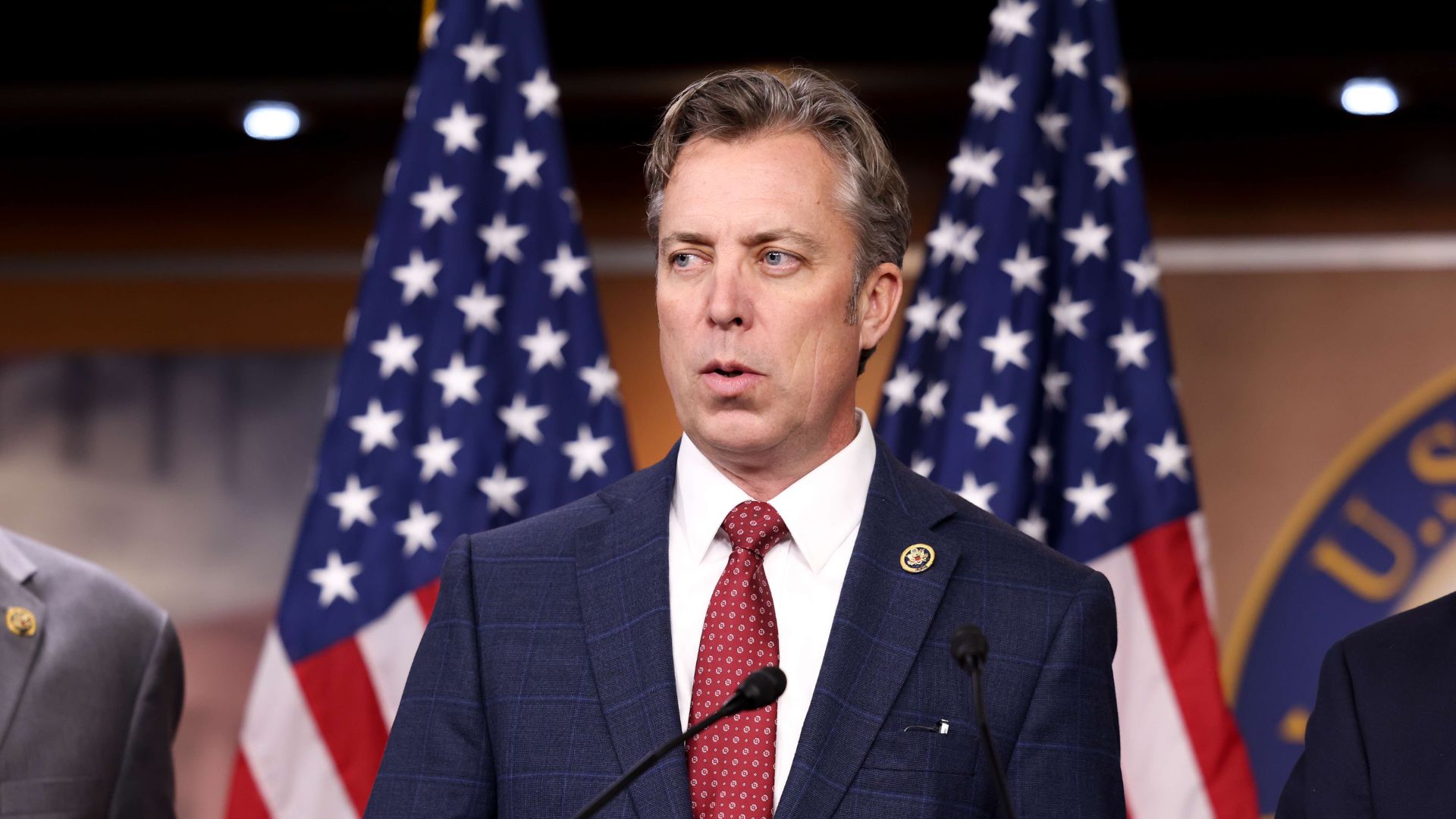
Ogles, a first-term congressman from Tennessee who was elected in 2023 with Trump’s endorsement, had been under scrutiny after federal investigators seized his phone in March 2024.
The seizure was tied to a federal investigation involving his campaign finances. Ogles previously said the FBI and the Federal Election Commission were looking into “mistakes” made in his campaign’s initial finance filings.
Now, that review appears to be coming to an end without the government continuing its examination of the materials taken from him.
The shift became public through a court order that said the government had advised Ogles’ defense team that it would return or destroy the property and information obtained through the search warrants at issue. The same order said emergency motions filed by Ogles were now moot because of the government’s decision.
“In discussions with the Office of the Assistant Attorney General for the Criminal Division of the United States Department of Justice, the Government has advised defense counsel that it will promptly return or destroy the property and information obtained pursuant to the respective search warrants at issue,” the order stated.
“The emergency motions filed by Congressman Ogles in these matters are therefore moot.”
That language, dry and legal on the page, quickly became political fuel online.
For critics of Trump and his Justice Department, the decision was not simply about one congressman’s phone or one campaign finance inquiry. It became another example, they argued, of a broader pattern: allies receiving protection, investigations fading, and accountability bending under partisan pressure.
Norman Ornstein, a political scientist, responded with a single word on X: “Disgusting.”
Tennessee Democratic state Sen. Heidi Campbell was even more direct in her reaction, writing, “WTAF is wrong with MAGA that they’re perfectly okay with full-on criminals as long as they wear red hats?”
Political commentator Linda Stevens added her own sharp condemnation: “Republicans are corrupt and evil.”
From there, the outrage spread rapidly. Comments on X exploded as users framed the Justice Department’s move as another sign of corruption inside Trump’s second administration.
One user wrote, “And the kleptocracy marches on…” while sharing reaction to the development. Another called it the “Most corrupt administration ever.” A third summed it up bluntly: “More corruption.”
Others took the criticism further, linking the episode to larger fears about the direction of the country under Republican control.
One post read, “America under Republicans is a terrorist state. Veterans remember your oath is to the Constitution not Donald Trump or his billionaire owned party.”
The anger reflected more than frustration with one legal decision. To Trump’s opponents, the case now represents a troubling question: what happens when the Justice Department, under a president known for demanding loyalty, steps away from reviewing evidence involving a political ally?
Supporters of Ogles may see the decision differently, especially since he had described the matter as connected to filing errors rather than intentional wrongdoing. But the optics are difficult to ignore.
A congressman backed by Trump had his phone seized during a federal probe. Then, under Trump’s own Justice Department, the government moved to return or destroy the materials obtained through the search warrants.
That sequence has fueled accusations that the administration is shielding loyal MAGA figures from accountability. Critics say the quiet decision to drop the review, especially without a full public explanation of what investigators found or did not find, leaves behind more suspicion than closure.
In Washington, legal developments often arrive in careful language. But outside the courthouse, the political meaning can grow fast. This one did.
What began as a campaign finance investigation involving a Tennessee congressman has now become a fresh symbol of selective justice, partisan protection and deep mistrust in the institutions meant to stand above politics.
The phone may be returned or destroyed. The controversy around it is not going away.

