
Florida – The White House ballroom fight has moved from a dispute over money and history into something larger. Now prominent Republican figures and lawmakers from Florida and all the way to Texas are part of a somewhat weird push.
Things have turned. And now, it is test of whether President Donald Trump’s promise still means anything.

When Trump pushed his long-desired $400 million White House ballroom project, the public line from the White House was simple: taxpayers would not pay for it. Trump was direct.
“This will not cost taxpayers one dime,” he explained at the time, presenting the project as one backed by private donors instead of public money.
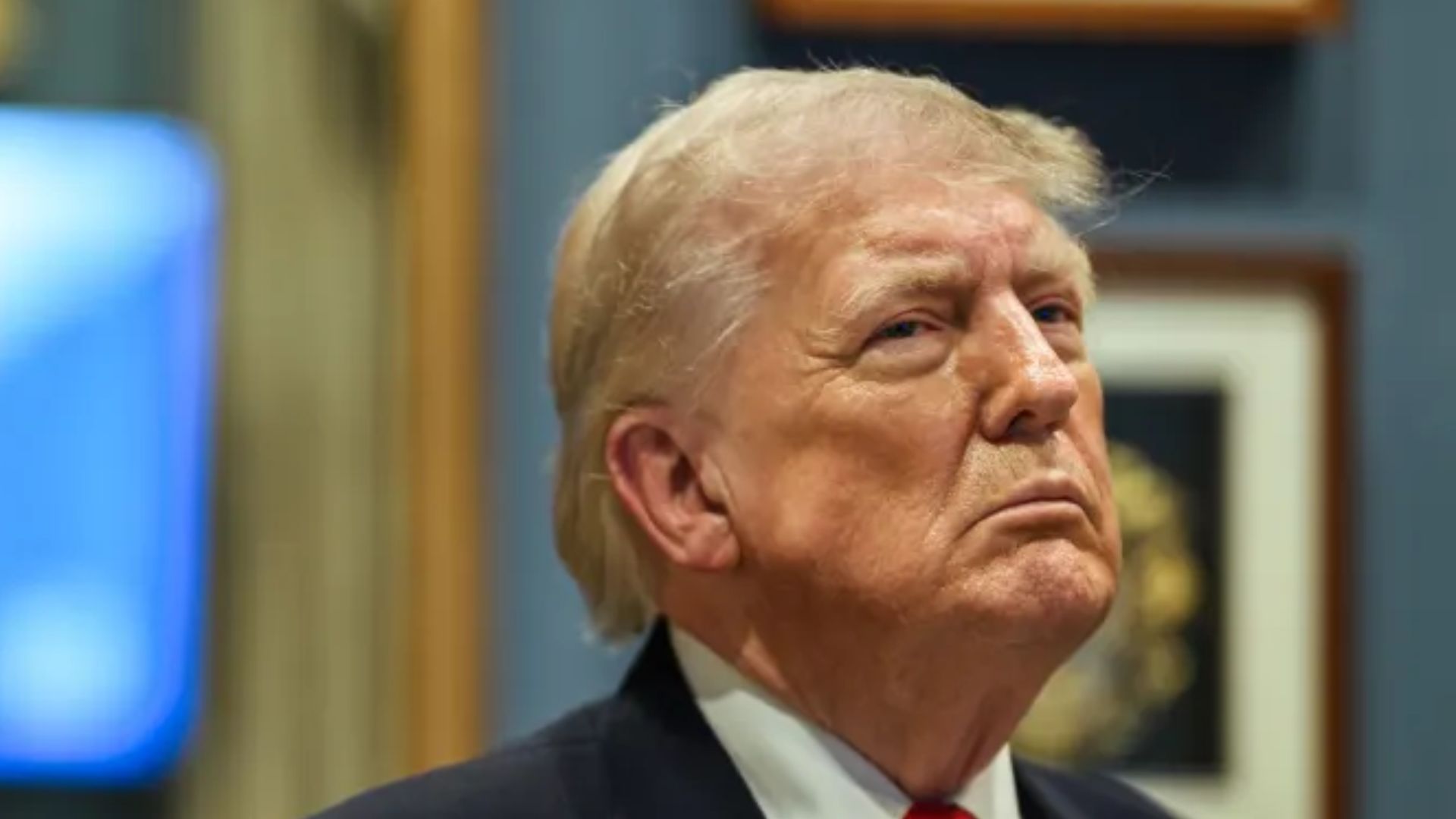
That assurance helped frame the ballroom as a privately funded legacy project, even as critics questioned the price tag, the location, and the possible effect on the historic White House grounds.
But after the shooting scare at the White House Correspondents’ Dinner, Republicans are now trying to sell the same project under a different label. What was once promoted as a glamorous expansion is now being described as a security need.

The change came after a frightening incident Saturday night at the Washington Hilton, where the annual White House Correspondents’ Dinner was taking place. A gunman allegedly tried to breach security and opened fire, forcing an emergency response and evacuation of attendees, including high-profile guests.
No one was seriously injured, but the incident immediately reshaped the political conversation in Washington. Within hours, the ballroom was back at the center of attention. This time, however, the argument had changed.
Several Republican senators and lawmakers are now calling for federal support for the project, saying the country needs a more secure space for major White House events. Sen. Lindsey Graham, R-S.C., was among those defending the shift.
“It’s very difficult to have a bunch of important people in the same place unless it’s really, really secure,” Sen. Lindsey Graham told reporters on Monday, the Independent reported.
“The times in which we live are unusual. I’ve been up here for a while now. I’ve never felt the sense of threat that exists today.”
Graham’s position has been backed by Sens. Eric Schmitt of Missouri and Katie Britt of Alabama, who are co-sponsoring legislation that would direct money toward the ballroom complex through customs and national parks user fees instead of direct appropriations.
The bill also includes military and Secret Service infrastructure as part of the project. Supporters say that makes the ballroom more than a vanity build. Critics say it changes nothing. To them, taxpayer-backed money is still taxpayer-backed money, no matter which account it comes from.
That is why the new push has intensified accusations that Trump misled the public.
The original promise was clear. The project, Americans were told, would be paid for privately. Major donors, including tech companies and other wealthy backers, were presented as the answer to concerns about the enormous cost.
Now, that explanation looks much weaker. If private commitments were enough, critics ask, why are Republican lawmakers suddenly trying to create a public funding path?
Rep. Lauren Boebert, R-Colo., tried to downplay the concern, saying “hardly any” taxpayer money would be involved. But the defense has not quieted the backlash.
The ballroom had already faced legal problems before the latest funding fight. The National Trust for Historic Preservation sued, arguing that the administration moved ahead without proper congressional consultation. A federal appeals court later allowed work to continue while the lawsuit proceeds.
The weekend shooting gave Trump’s allies a new argument. It also gave critics a new reason to question the timing. One outspoken critic summed up the skepticism by saying it looked like people around the president were trying to use the weekend’s scare to sell something personally important to Trump.
Public polling has shown broad resistance to the project, with surveys cited by CNN showing the ballroom underwater with voters by double digits. Still, Trump has continued to view the ballroom as a signature part of his legacy.
On X, formerly Twitter, users reacted heavily after the latest push gained attention. Many accused Trump and his allies of hypocrisy. Others defended the proposal, arguing that security threats have changed the calculation.
But the central issue remains hard to escape. Trump promised taxpayers would not pay. Now senators are working to make public support possible. A broken promise has become a political fight. And Republicans are trying to write that reversal into law.

