
Florida – President Donald Trump once described the Republican redistricting push as a hard political strike that could add seats to the GOP column. And now Florida is last hope for Republican to win that war.
Speaking to reporters near Marine One last July, he pointed to Texas as the key prize and sounded confident about what new congressional lines could deliver.
“Texas will be the biggest one. And that’ll be five,” Trump said at the time.
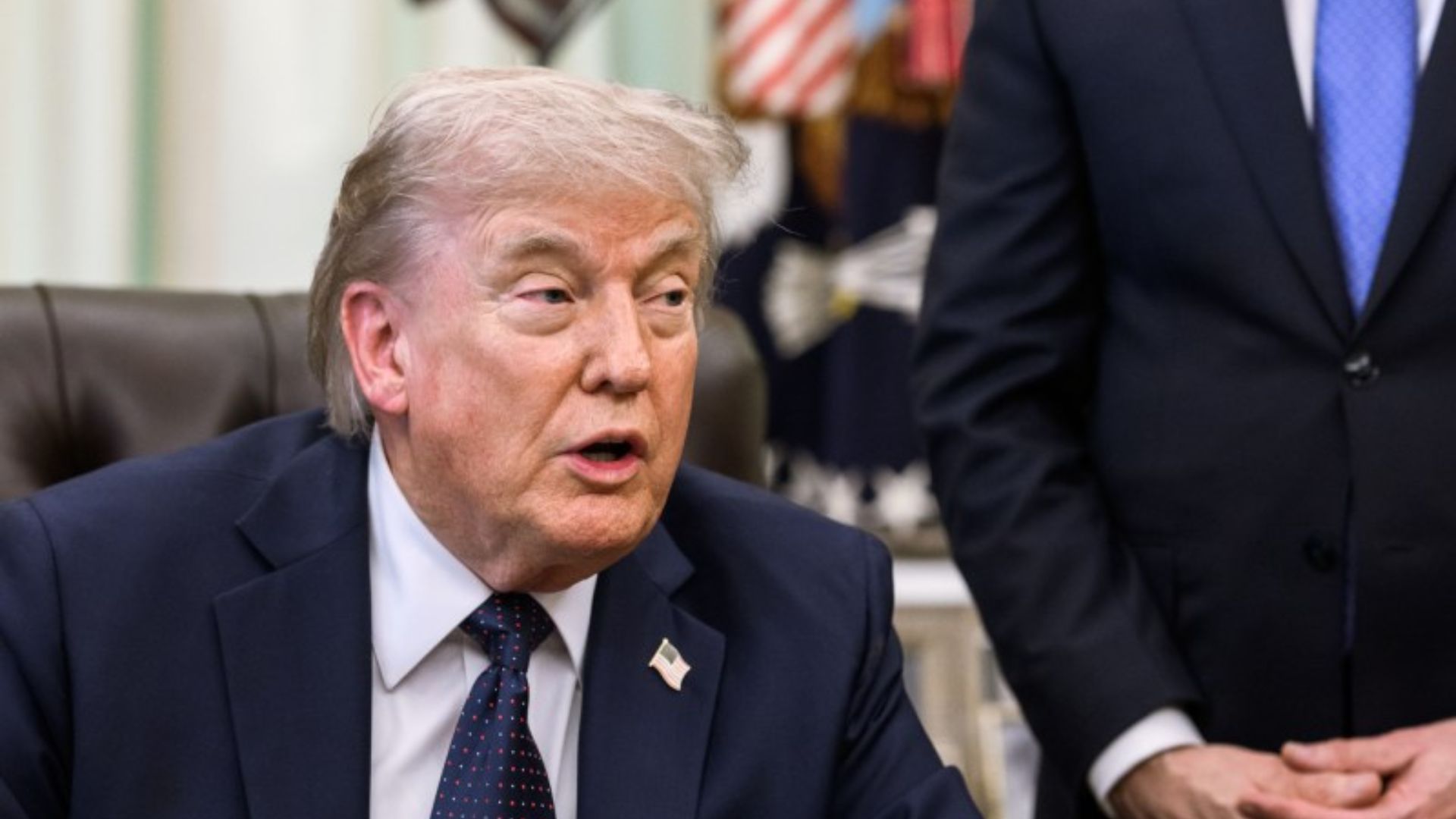
Nine months later, the fight he helped start looks far less certain for Republicans.
What began as a bold effort to redraw congressional districts in the middle of the decade and strengthen the party’s grip on the House has turned into a wider political battle, and Democrats now appear positioned to gain more from it than the GOP.

The latest turning point came Tuesday in Virginia, where voters approved a new congressional map that could leave Republicans with only one of their current five districts in November.
The result added to a growing national picture that has alarmed some Republicans: Democrats could gain as many as 10 seats through the redistricting fights, while Republicans may be fortunate to flip eight.
Florida could still change the math if lawmakers move forward with a new map next week.
But for now, the outcome is far from what Trump and his allies seemed to imagine when they pushed Republican-led states to move aggressively. Instead of standing back, Democratic leaders answered in kind, encouraged by a furious grassroots base that wanted the party to stop playing defense.
House Minority Leader Hakeem Jeffries, who helped fund the Virginia referendum effort, made that point directly Wednesday at Democratic National Committee headquarters.
“What we’re not going to do is unilaterally disarm,” Jeffries told reporters. “Apparently, that’s what Donald Trump believed that we would do.”
The response has left some Republicans uneasy, even if few are willing to openly blame Trump. National Republican Congressional Committee Chair Richard Hudson was asked whether the mid-decade redistricting fight had been worth it. His answer was brief and careful.
“Not for me to decide that,” Hudson told reporters. “Wasn’t my decision.”
The redistricting war began with Texas.
Trump pressed initially hesitant Republicans there to call a July 2025 special session and approve a new map aimed at wiping out Democratic districts.
He later pushed the idea even further in a Truth Social post, claiming that if Republicans redrew lines and eliminated mail-in voting, “we will pick up 100 more seats, and the CROOKED game of politics is over.”
At the time, many Republicans believed Democrats would have limited room to respond.
Some of the largest Democratic states, including California, had independent redistricting commissions or constitutional barriers that made quick retaliation difficult. Other Democratic officials initially appeared wary of joining a map-drawing fight that could deepen public anger over gerrymandering.
But that calculation did not hold.
In California, Gov. Gavin Newsom, helped by former House Speaker Nancy Pelosi, pushed Democrats toward a new map designed to counter the Texas effort. The plan then went before voters through a $138 million referendum campaign.
It passed by a wide margin last November, giving Democrats a major answer to Trump’s Texas strategy.
Virginia followed with its own aggressive move. Jeffries worked with legislative leaders Louise Lucas and Don Scott to place a 10-1 Democratic map on the ballot. Republicans fought harder there, but Democrats were still on pace to win Tuesday’s vote by at least three points.
Meanwhile, the Republican side struggled to keep every state in line.
Indiana Republicans rejected the push in a dramatic December vote. Kansas and Nebraska also declined to act. In New Hampshire, Gov. Kelly Ayotte brushed off a White House threat that Trump adviser Corey Lewandowski could be recruited to challenge her.
Read also: Sen. Schiff cries online for failed amendment, users want ‘the lying POS’ in prison
Former White House political director James Blair, one of the architects of the GOP redistricting strategy, remained defiant during a Wednesday appearance on CNN.
“What I expect is that when all of this redistricting sort of continues this cycle, is that there will be a narrow advantage for Republicans,” Blair said.
That may still prove true if Florida or other states reshape the map again.
But the broader lesson is already clear. Trump’s redistricting push did not scare Democrats into retreat. It pushed them into a fight they once seemed reluctant to wage. And now, some Republicans are left watching the same political weapon swing back in the other direction.

