
Florida – Florida Republican Rep. Anna Paulina attacked two New York Democratic lawmakers and asked them to apologize to the public for their recent calls on pressure on Republicans and President Donald Trump.
A tense night in Washington, D.C., quickly turned into a broader political fight online after shots were fired near security at the Washington Hilton during the White House Correspondents’ Dinner on April 25.
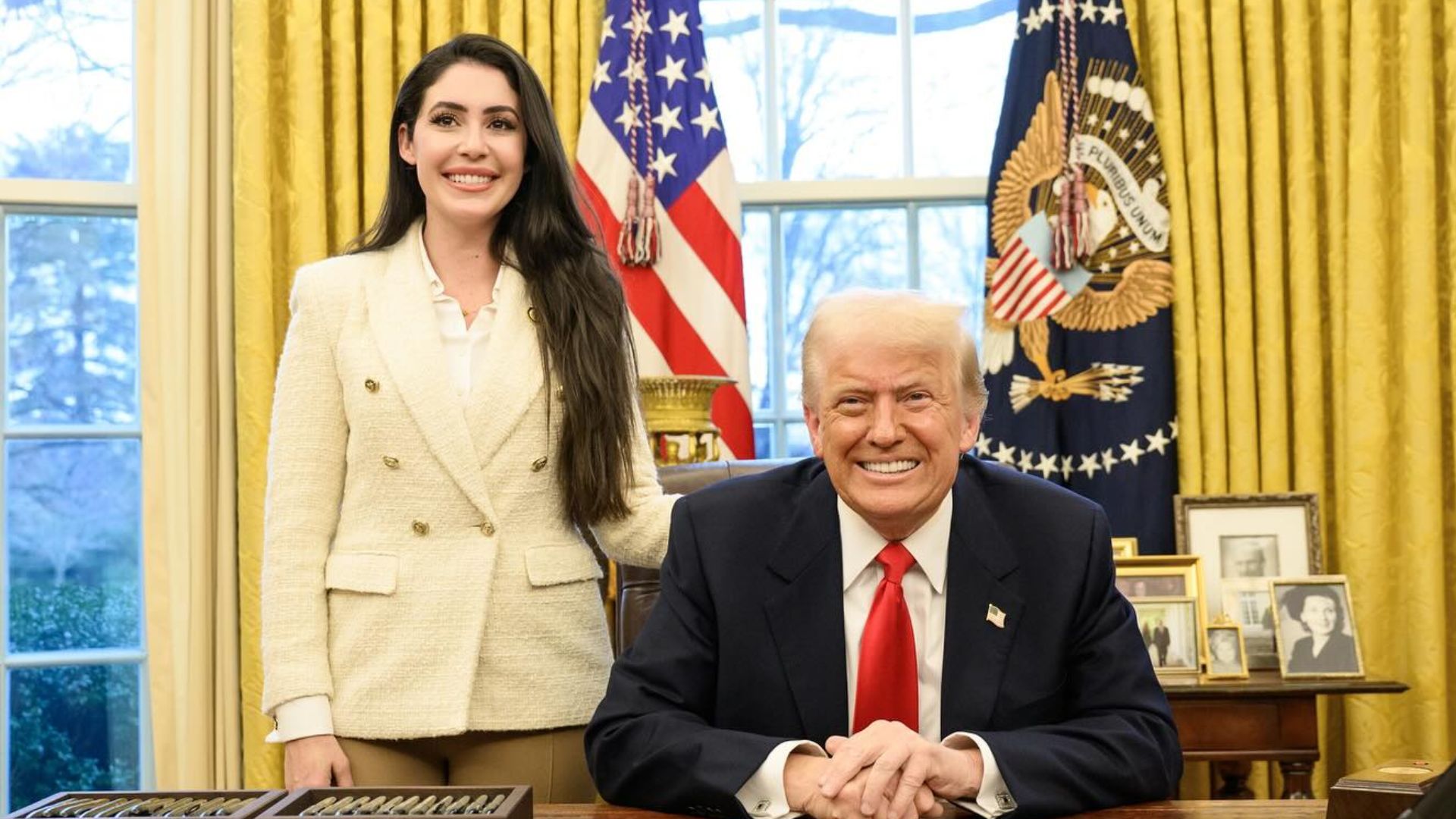
The incident occurred while President Donald Trump, Vice President JD Vance and other senior officials from the Trump cabinet and the WH administration were in attendance.
The immediate concern was safety. Secret Service agents moved quickly to evacuate Trump, Vance and several Cabinet members from the event.
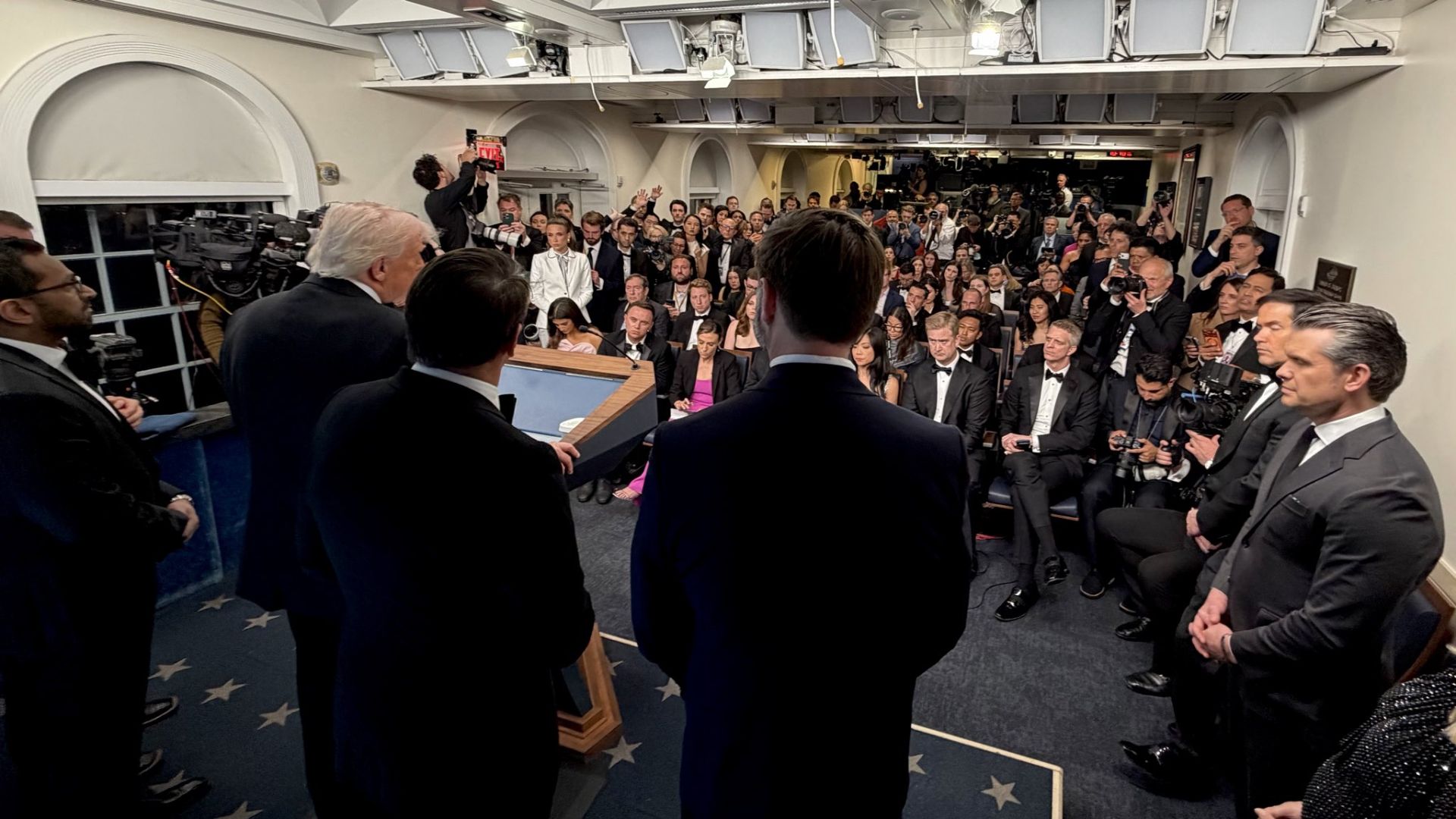
Authorities said the president and attendees were safe, and the suspect was detained. In the hours that followed, lawmakers from both parties issued public statements condemning the violence and calling for calm after an event that could have ended far worse.
Those calls for unity came from Republicans and Democrats alike.
Many officials urged Americans to reject political violence, lower the temperature and pray for those involved. Almost all Democratic senators joined Republicans in expressing concern and denouncing the shooting. But the moment also reopened a sharp debate over political rhetoric, especially words used in the days before the incident.
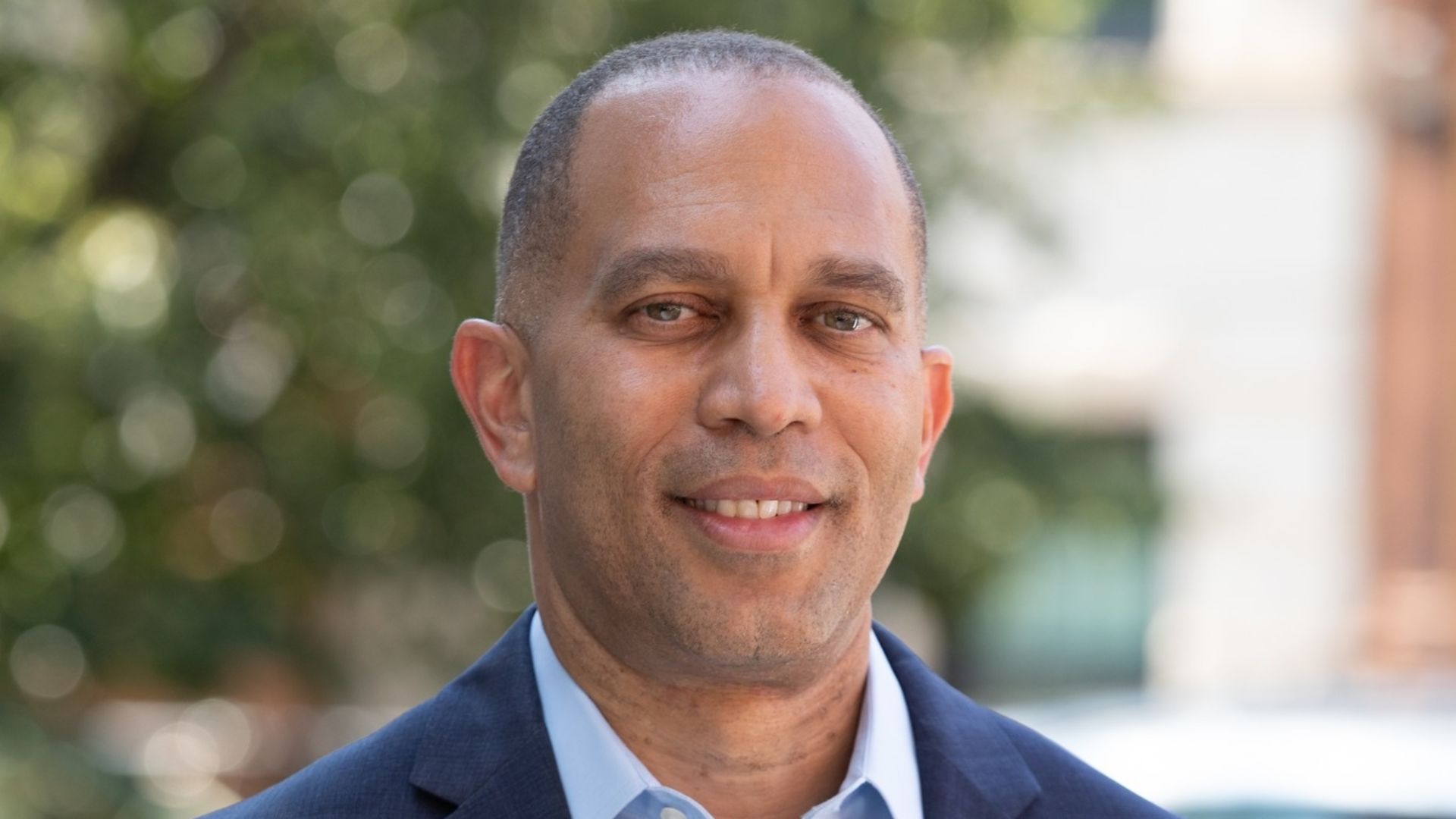
Florida Republican Rep. Anna Paulina Luna moved quickly to challenge that rhetoric, turning her focus toward two of New York’s most visible Democratic lawmakers: Rep. Alexandria Ocasio-Cortez and House Minority Leader Hakeem Jeffries.
In two separate posts on X, Luna accused them of using language that she argued was reckless, especially in light of the shooting near the high-profile Washington event.
Her criticism centered on recent Democratic messaging that called for aggressive pressure on Republicans and the Trump administration.

Luna pointed specifically to language about “total warfare everywhere,” arguing that such wording carried real consequences when shared by public officials with large platforms.
“You literally just reposted Hakeem Jeffries quote calling for “total warfare everywhere” only a days ago. Start being responsible with your platform instead of calling for violence,” Rep. Luna wrote while sharing Rep. Alexandria Ocasio-Cortez’s X post.
You literally just reposted Hakeem Jeffries quote calling for “total warfare everywhere” only a days ago. Start being responsible with your platform instead of calling for violence. https://t.co/TIwEIeg43z
— Rep. Anna Paulina Luna (@RepLuna) April 26, 2026
Luna followed with another message targeting Jeffries himself.
“Hakeem Jeffries called for violence and warfare only a few days ago. He needs to publicly apologize,” she wrote.
Hakeem Jeffries called for violence and warfare only a few days ago. He needs to publicly apologize.
— Rep. Anna Paulina Luna (@RepLuna) April 26, 2026
The remarks turned the aftermath of the shooting into another flashpoint in the already bitter national political climate.
For Luna and many of her supporters, the issue was not only the shooting itself, but whether elected leaders should be held accountable for language that sounds combative, especially when tensions are already high.
Her posts framed the matter as a question of responsibility: leaders cannot call for peace after violence, she argued, while also using language that encourages confrontation.
The reaction on X was immediate and divided.
Some users backed Luna’s criticism and said lawmakers should be more careful with phrases that appear to escalate anger or hostility. They argued that political leaders, especially those with major followings, have a duty to avoid words that could be interpreted as encouraging violence against opponents.
Others defended Ocasio-Cortez and Jeffries, saying Luna was misrepresenting political language and turning a moment of fear into a partisan attack.
They argued that phrases about pressure, resistance or political warfare are often used metaphorically in Washington and should not automatically be treated as literal calls for violence.
Still, the exchange showed how quickly a security scare can become part of a larger argument about blame, tone and accountability. The shooting prompted public appeals for prayer and calm, but it also exposed deep mistrust between the parties over whether the other side truly means those words.
As the investigation into the incident continues, the political fallout is already unfolding in real time.
Luna’s attacks on the New York Democrats have added another layer to the national conversation, raising a difficult question for both parties: after political violence is condemned, what responsibility do leaders have for the words they used before it happened?

