
Columbia, South Carolina – South Carolina is using the month of May to send a clear message before the skies darken, the wind rises, and hurricane season officially begins: do not wait until a storm is already coming.
Governor Henry McMaster has declared May as South Carolina Hurricane Preparedness Month, urging residents across the state to take early action ahead of the 2026 Atlantic hurricane season.
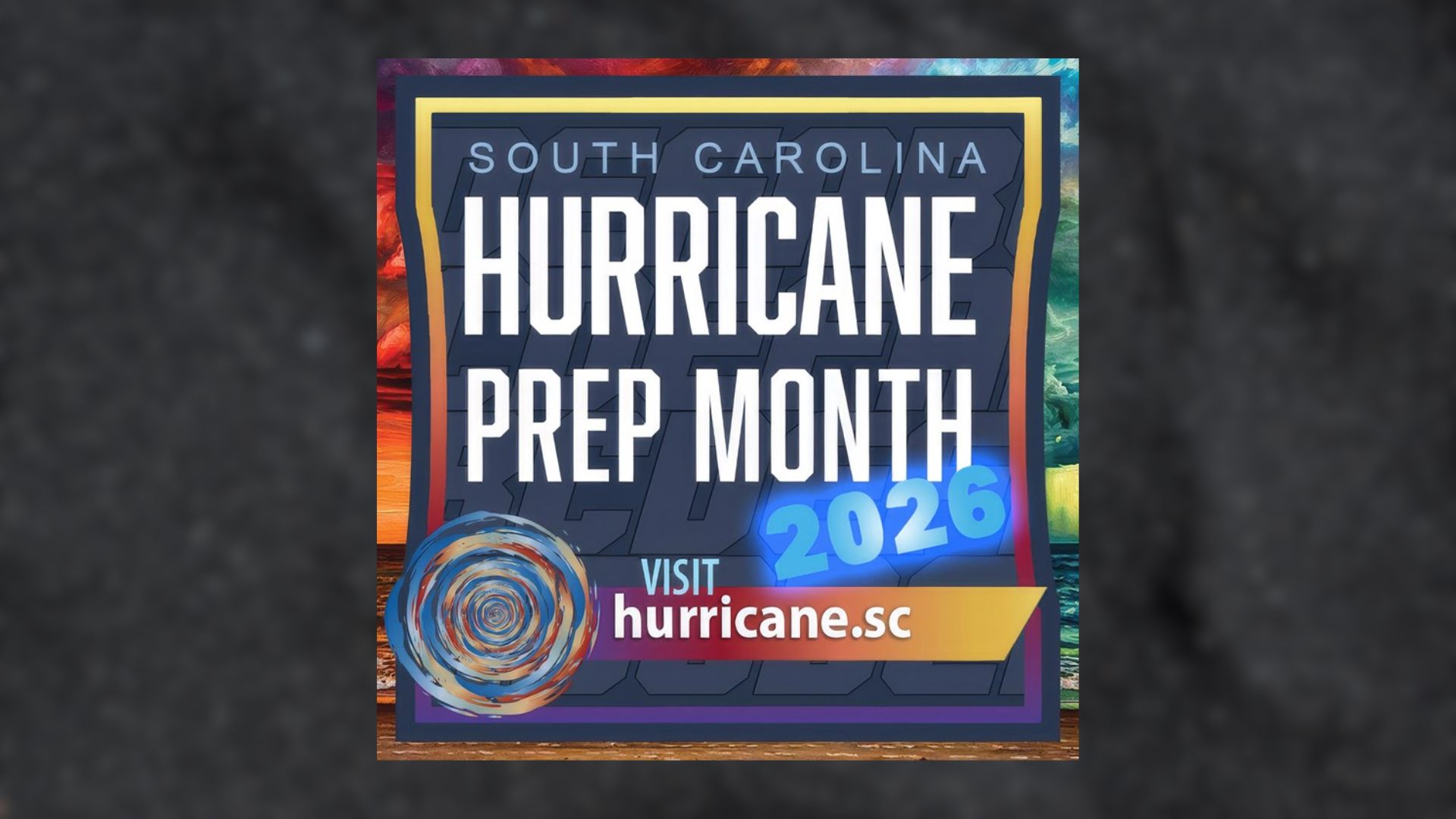
The effort brings together the South Carolina Emergency Management Division, members of the State Emergency Response Team, and county emergency managers, all encouraging families, businesses, and communities to prepare before pressure builds and time runs short.
This year’s theme, “Plan Ahead. Stay Ahead,” keeps the message simple.
A few practical steps taken now can make a major difference later. Hurricane season runs from June 1 through November 30, and officials say preparation should begin well before the first storm appears on the map.
Read also: Senate leaders weigh reversal as liquor liability law fails to lower costs for businesses
For many South Carolinians, one of the most important first steps is knowing their evacuation zone. In coastal counties, evacuation decisions are based on designated zones, not just city or county lines. Residents can find that information through the SC Emergency Manager mobile app, the 2026 South Carolina Hurricane Guide, or by visiting Hurricane.sc.
Officials are also encouraging people to look closely at their homes while there is still time to make improvements. That means checking roofs, clearing gutters, reviewing insurance policies, and documenting personal belongings. Taking photos and making a list of valuables can help if storm damage later leads to an insurance claim or recovery process.
Planning an evacuation route is another key part of being ready.
Residents are urged to identify the nearest hurricane evacuation route before the season begins. If an evacuation order is issued, officials say people should follow local guidance and the blue hurricane evacuation signs posted along state routes. Those signs are considered more dependable during an emergency than GPS navigation, which may not account for storm-related traffic patterns or official evacuation plans.
South Carolina’s risk is not limited to the shoreline, even though the state has more than 180 miles of coastline and many low-lying communities.
Hurricanes and tropical storms can push dangerous water into coastal areas, but they can also travel inland and leave damage far from the beach. Flooding and storm surge remain among the greatest threats, while high winds and tornadoes can bring serious destruction as well.
Recent storms have already shown how quickly conditions can change across the state. Power outages, fallen trees, tornadoes, and inland flooding have affected communities well beyond coastal counties, reminding residents that hurricane preparedness is not only a concern for those living near the ocean.
By declaring May as Hurricane Preparedness Month, state leaders are asking South Carolinians to use the quiet weeks before the season begins wisely. The goal is not to create fear, but to build readiness. When a storm is still days away, a strong plan, stocked supplies, and clear information can make all the difference.

