
California – House Democrats from many states including New York and California have launched a new effort to put presidential fitness at the center of the political conversation.
They recently unveiled legislation that would create a formal mechanism for evaluating whether a president is mentally or physically capable of carrying out the duties of the office.
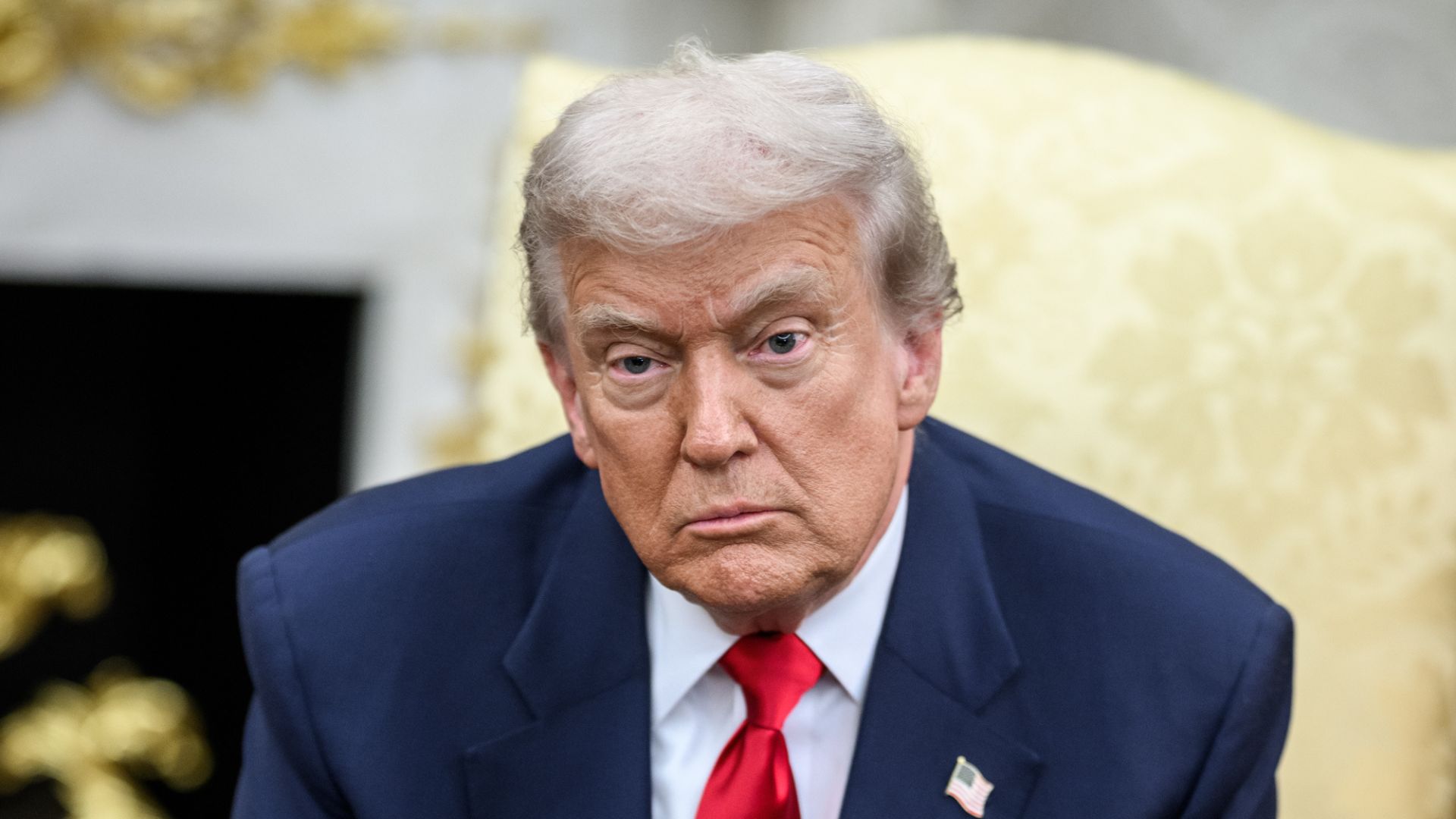
Led by Rep. Jamie Raskin and backed by 50 Democrats, the proposal calls for a congressional commission that could review a president’s condition under the framework of the Twenty-Fifth Amendment, placing one of the Constitution’s most extraordinary safeguards back into the spotlight.
Still, the measure appears far more likely to serve as a political marker than a realistic path to action.
With Republicans in control of the House, the bill faces dim prospects from the outset, and even in the unlikely event it cleared Congress, President Donald Trump could veto it.
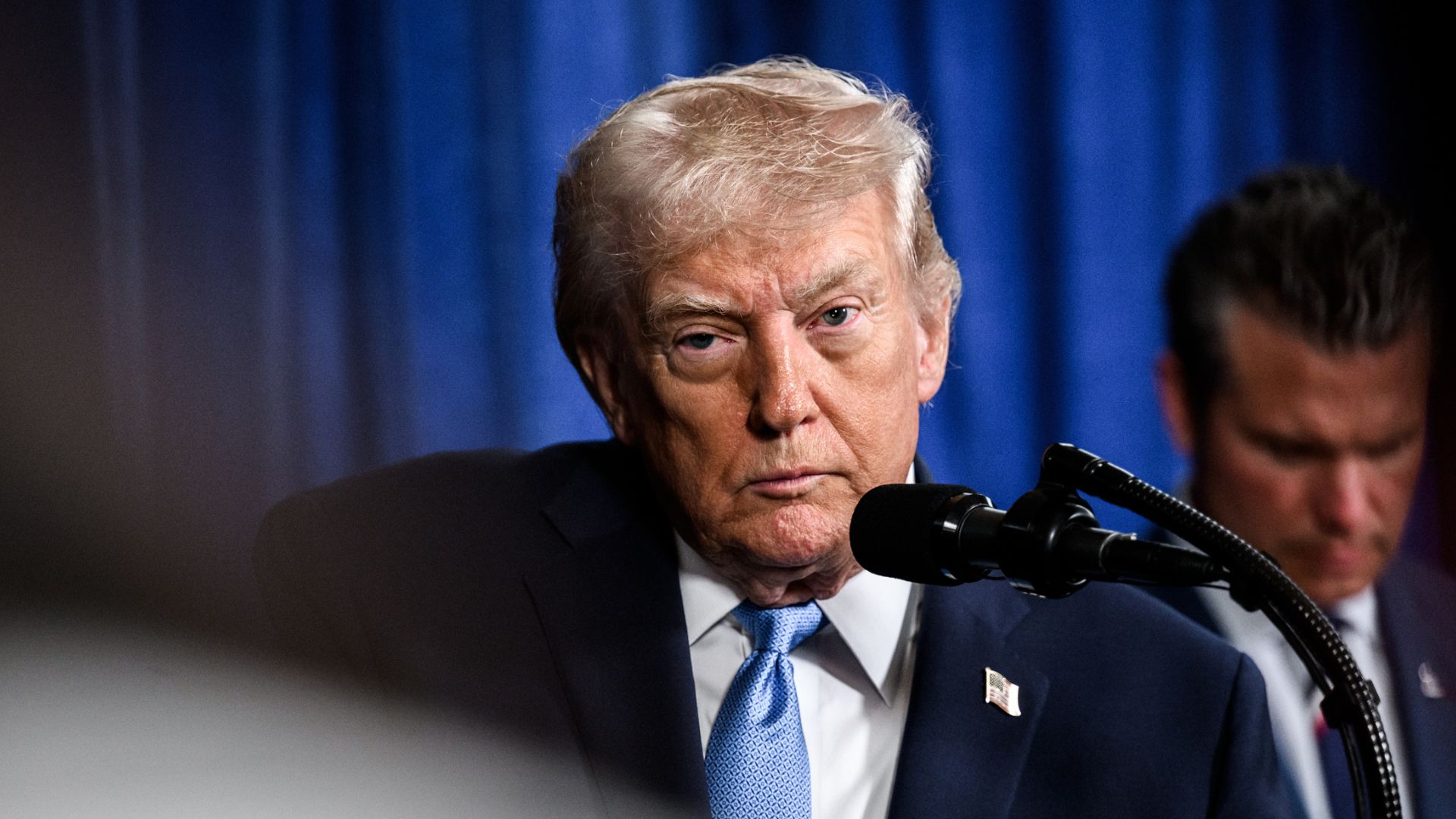
Any attempt to override that veto would require a two-thirds vote in both chambers, leaving Democrats with a proposal that is constitutionally serious in tone but, at least for now, politically remote.
The debate over presidential fitness has returned to the spotlight again after former White House doctor Jonathan Reiner argued that Congress should create a far clearer path for removing a president deemed medically unfit to serve.
His proposal centers on a bipartisan panel of experts that would regularly evaluate a president’s physical and mental condition, with the vice president required to agree before any involuntary removal could move forward.
Per Reiner’s, the current system sets such a high bar that no Cabinet, regardless of party, would act unless a president were plainly and severely incapacitated.
That concern, he suggested, leaves the country exposed in situations where warning signs may be serious but fall short of obvious collapse.
Reiner has been increasingly vocal in recent months, especially in his criticism of President Donald Trump, whom he has accused of showing signs of cognitive decline. Rather than framing the issue as a partisan fight alone, he has pointed to what he sees as a structural weakness in the Constitution’s existing safeguards.
The answer, he argues, is legislation strong enough to survive a presidential veto and durable enough to apply to any administration, Republican or Democratic.
“This is why Congress should pass a bill (it would likely have to be veto proof) that establishes a bipartisan and expert panel that periodically assesses presidential physical and mental fitness for office,” he added.
“The VP would have to concur with the panel before the president could be involuntarily removed from office.”
I don’t think any cabinet, Republican or Democrat, would ever remove a president who is not obviously severely medically incapacitated. This is why Congress should pass a bill (it would likely have to be veto proof) that establishes a bipartisan and expert panel that periodically… https://t.co/f11MjCojsY
— Jonathan Reiner (@JReinerMD) April 17, 2026
At the center of Reiner’s criticism is Trump’s repeated emphasis on passing the Montreal Cognitive Assessment, or MoCA, a brief dementia screening exam.
Reiner has mocked the weight placed on that test, noting that it is a basic screening tool rather than a deep measure of executive capacity. To him, boasting about success on such an exam does little to reassure the public about the far more demanding judgment, memory and decision-making required in the presidency.
He has also raised doubts about the White House’s explanation for a preventive MRI scan Trump reportedly underwent in October 2025, saying the stated reason did not sound credible and arguing that Congress should examine the issue more closely.
Reiner’s argument goes beyond isolated medical episodes. He has said that repeated testing can sometimes suggest ongoing monitoring of a known condition rather than routine caution.
That point has become part of a broader push from critics who believe questions about presidential health should not depend on improvised explanations from aides or carefully managed public statements.
Instead, they say, there should be a regular and transparent framework, one built around medical expertise and bipartisan oversight rather than political loyalty.
The larger fight unfolding here is not only about one president. It is about whether the country should continue relying on a removal mechanism so politically explosive that it is almost unusable, or whether lawmakers should attempt to build a more modern safeguard. Reiner’s proposal would shift the conversation from emergency intervention to regular oversight, from spectacle to process.
Whether Congress would ever embrace such an idea is another matter entirely.
A veto-proof bill on presidential fitness would face enormous political resistance, and any effort to define mental or physical incapacity in law would instantly ignite fierce constitutional and partisan battles.
Yet the fact that this discussion is gaining traction at all shows how unsettled the question has become.
In an era when age, health and cognitive sharpness remain central to public trust, calls for a more formal system are no longer being made at the margins. They are moving closer to the center of the national argument.

