
Horry County, South Carolina – Trish Alston does not wait for a hurricane warning to start worrying.
She starts in June, when Horry County air turns heavy and weather maps begin to look personal. She checks the ditch beside her mother’s house after hard rain. She keeps insurance papers in a plastic folder. She knows which neighbor owns a generator and which road near Socastee will flood first if the drains lose the fight.
“I don’t live on the beach,” Trish said. “That’s what people don’t understand. You can be miles from the ocean and still feel like water is coming for you.”
That is the new reality for many South Carolinians. Hurricane and flood risk is no longer only a beachfront issue. It runs through the Lowcountry, the Grand Strand, the Pee Dee and parts of the Midlands. It shows up in evacuation plans, insurance premiums, property values, drainage fights and annual anxiety.
South Carolina has always lived with weather. But the cost and reach of that weather are changing. NOAA’s billion-dollar disaster database shows that from 1980 through 2024, South Carolina was affected by 101 weather and climate disasters costing at least $1 billion each, including 25 tropical cyclones, 44 severe storms and three flooding events. The long-term average was 2.2 such events a year; from 2020 to 2024, it was 6.2.
For families, that reads like a season that never fully ends.
Read also: When health care is far away, sickness gets a head start in South Carolina
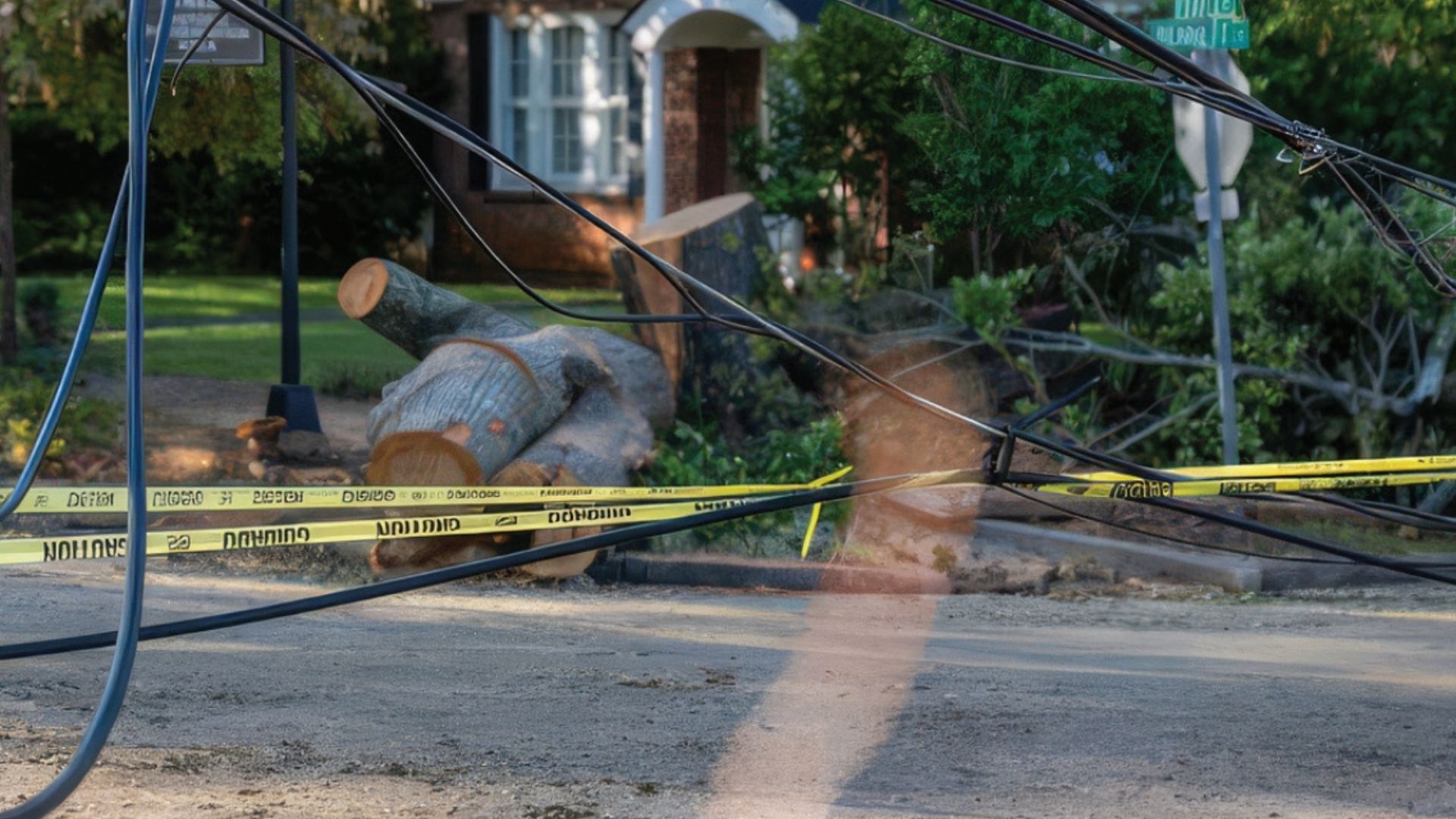
Water is the fear that stays
Wind gets attention because it is dramatic. Flooding often does the longer damage. The South Carolina State Climate Summary says sea level at Charleston has risen by 1.3 inches per decade since reliable recordkeeping began in 1921, nearly double the global rate. It also notes that more than 800 square miles of coastal land near Charleston lies less than four feet above the high-tide line.
Federal sea-level data shows Charleston has already seen about 9 inches of sea-level rise since 1970. That higher baseline means tides, storm surge and heavy rain have less room before reaching roads, yards and homes.
Trish remembers when flooding felt like something that happened during major storms. Now, she says, it can feel tied to ordinary rain, clogged drains, new pavement and old ditches that no longer move water fast enough.
“You don’t have to lose the whole house to lose peace of mind,” she said. “Sometimes it’s water at the edge of the yard, and you’re wondering if this is the year it comes inside.”
In Charleston, residents deal with tidal flooding and stormwater backups. Around Myrtle Beach and Conway, development has raised questions about drainage and wetlands. In Georgetown and Beaufort counties, low elevation and historic neighborhoods create their own risks. Inland, communities that never thought of themselves as coastal can still be overwhelmed by tropical rainfall.
The South Carolina Climate Office notes that tropical cyclones affect the coast periodically, but influence the state each year through enhanced summer and fall rainfall.
Read also: Rising home premiums and housing costs are pricing South Carolina families out
Insurance turns risk into a monthly bill
Extreme weather does not only arrive during disasters. It arrives every month in escrow.
South Carolina’s 2025 Coastal Property Report said coastal consumers have been hit by rising premiums, driven by higher repair costs, higher reinsurance costs after global catastrophe losses and rising property values that require larger coverage limits. The report also said the South Carolina Wind and Hail Underwriting Association filed for a 7.5% increase for dwelling policies and 25% for mobile home policies, effective Feb. 1, 2026.
For Trish, insurance has become part of storm season. Her sister owns a manufactured home outside Conway. The home is paid off, but insurance, repairs and flood worries still make ownership feel fragile. A paid-off home can still become unaffordable if the cost of protecting it keeps rising.
“People say, ‘At least she owns it,’” Trish said. “But storms don’t care if you paid the mortgage off.”
Flood coverage creates another gap. FEMA’s FloodSmart program reminds homeowners that standard homeowners insurance generally does not cover flood damage. That distinction is not always clear until after the water comes. For lower-income families, the choice can be impossible: pay for coverage they may never use, or risk being uninsured for the disaster that would ruin them.
Read also: Horry County residents feel the cost of rapid growth and development on roads, schools and drainage
Recovery is not equal
Storms may hit a region, but recovery happens household by household. A family with savings, good insurance, flexible work and relatives nearby can leave early, pay deductibles, hire contractors and recover faster. A renter, older homeowner, mobile home resident or hourly worker may face the same storm with fewer options.
Trish saw that after past floods. Some neighbors repaired quickly. Others lived with damaged floors, mold worries or delayed insurance responses. Some never caught up.
“That’s when you learn a storm is not over when the sun comes out,” she said. “It’s over when people are back in their homes and their bills stop growing.”
Property values can also move unevenly. Homes in desirable coastal areas may keep attracting buyers, even with risk. Lower-cost homes in flood-prone areas may remain the only option for families priced out elsewhere. That can push vulnerable households toward vulnerable land.
In a fast-growing state, that is dangerous. More homes, roads and parking lots can mean more runoff unless drainage, wetlands and stormwater systems are protected.
Summer brings its own strain
Storm season is not the only discomfort. South Carolina summers bring heat, humidity, mosquitoes, allergies and long stretches when outdoor work becomes harder and power bills climb. For older residents, children, outdoor workers and people with chronic illness, heat is not just unpleasant. It can be dangerous.
The same household that worries about flood insurance in September may be worrying about air-conditioning bills in July. The same ditch that carries stormwater can breed mosquitoes after standing rain. The same damp home that flooded once can become a mold concern. Trish says summer used to mean porch evenings. Now it means watching the sky, the thermostat and the bug spray.
“It feels like everything outside wants a piece of you,” she said.
Read also: In the Pee Dee, bad roads and daily traffic are turning short drives into long frustrations
It all comes to planning
South Carolina cannot stop hurricanes from forming and it can decide how prepared its communities are when they arrive. That means stronger stormwater planning before development is approved, not after neighborhoods flood. It means protecting wetlands that absorb water. It means better drainage maintenance, clearer flood maps, resilient building standards and help for homeowners who need roof, elevation or floodproofing upgrades but cannot pay up front.
It also means being honest about risk. Some places will be harder and more expensive to protect. Some developments may not make sense if roads, drainage and emergency access cannot handle the next storm.
Trish does not want to leave South Carolina. Her family is here. Her church is here. Her mother’s house is here. But staying has started to feel like an annual negotiation with weather. Few days ago, rain came hard for 20 minutes and then stopped. The ditch filled but did not spill. Cars hissed along the wet road. Trish stood at the window until the water began to fall.
“That was just rain,” she said. “And still, I watched it like a warning.”
In South Carolina, that is what living on the edge increasingly means. The storm does not have to arrive for people to feel its weight.

