
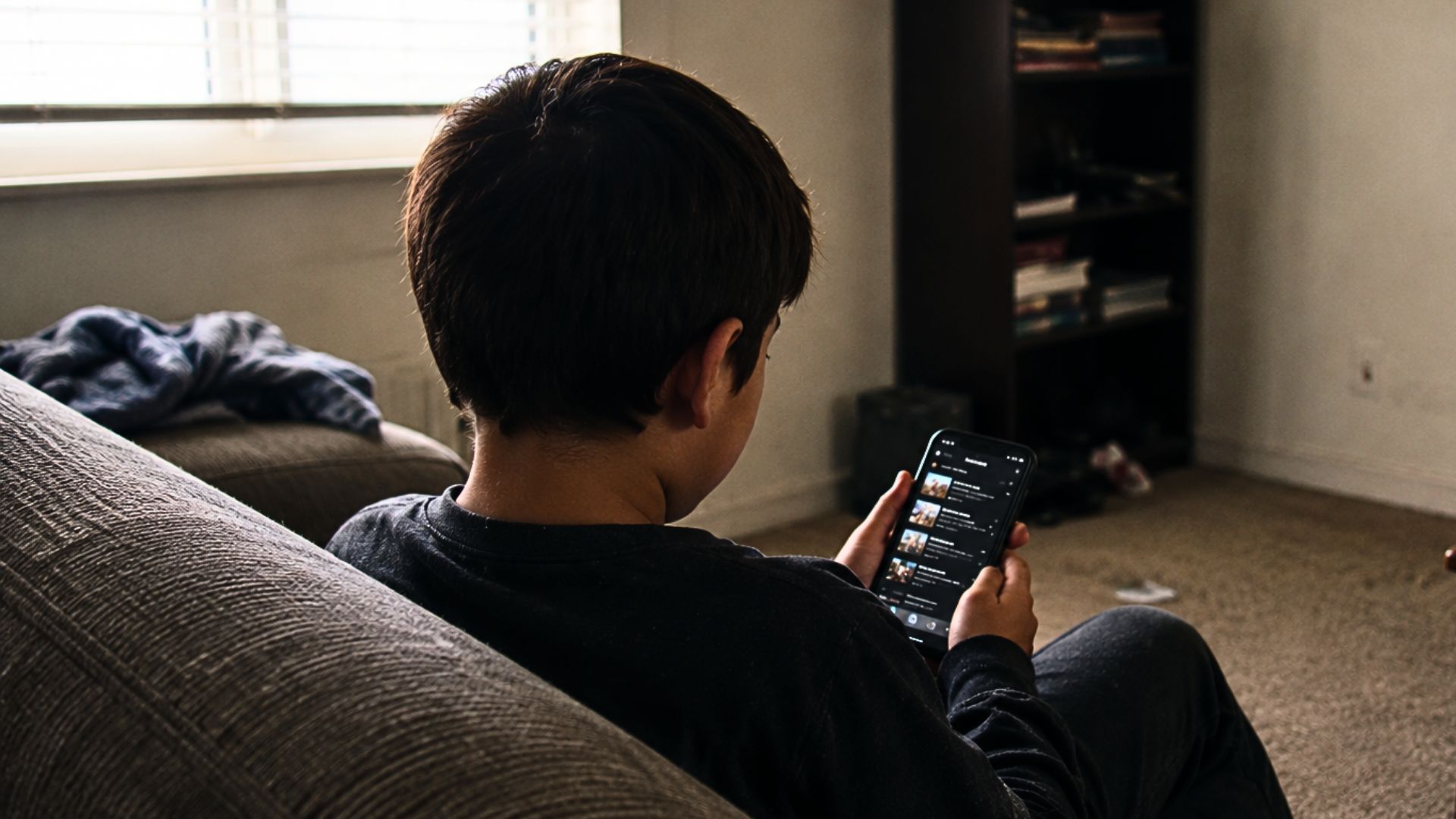
The hours after school can look harmless from the outside. A backpack lands by the door. A snack wrapper hits the counter. A child picks up a phone, turns on a game, opens TikTok, drifts into the long gray space between the school bell and dinner. Nothing dramatic happens at first. That is the point. Boredom rarely announces itself as a public policy problem.
But in Florence, Columbia and other mid-sized South Carolina communities, those hours are becoming part of a larger civic question: Where are young people supposed to go when school is out, parents are working and structured programs are too limited, too expensive, too far away or already full?
Florence has programs. That needs to be said first. The City of Florence Parks, Recreation & Sports Tourism Department lists a Youth After School Program for children ages 6 to 12, with activities such as homework time, movies, table games, fitness, crafts, special speakers and programs. The city also offers youth sports and seasonal recreation through its parks system, while its registration calendar describes summer camp programming across multiple recreation centers.
On paper, that is a real foundation. The problem is scale.
Parents do not usually complain because nothing exists. They complain because what exists does not always match the hours, transportation limits, cost pressure or interests of real families. A child who does not play basketball still needs somewhere to belong. A teen who is too old for basic after-school care may still need supervision, mentorship and something better than roaming or scrolling. A parent in a rural part of Florence County may look at a program inside the city and see not an opportunity, but a ride they cannot provide.
Florence’s youth system is built around community-center programs, homework help, games, crafts, fitness, youth leagues, track, softball, basketball and camps. Columbia’s system is broader: multi-site after-school care, summer camps, teen programming and a wider menu of enrichment options. But both cities face the same underlying question, whether public youth programming is accessible enough to matter for families who need it most.
Columbia’s Parks & Recreation Department shows what a larger city system can offer. Its After-School Program serves children ages 5 to 12, charges $40 per week per child, provides snacks and runs through recreation sites across the city.
Columbia also offers summer camp options, with posted 2026 camp information showing a weekly cost of $85 plus a one-time activity fee. The city has also released youth service guides and promoted teen-focused programming, including enrichment camps and summer events.
That is more variety than many smaller communities can offer. Still, “available” is not the same as reachable.

For a family with two children, $40 per week per child becomes $80. In summer, $85 per child can become a serious monthly bill. Add transportation, work schedules and limited slots, and a public program can still feel out of reach. Columbia has more facilities than Florence, but neighborhoods do not experience access evenly. A parent without reliable transportation may live near a city full of programs and still not be able to use them.
This is not just a parent convenience issue. It is a public safety, education and health issue.
The Centers for Disease Control and Prevention describes out-of-school-time programs as supervised programs students can attend when school is not in session, and notes that some programs can support academic achievement, positive social behavior and reduced health disparities. The National Recreation and Park Association says park and recreation programs provide child care for working parents, safe spaces, physical activity and socialization with peers.
Those benefits sound ordinary. They are not.
A safe gym after school can be the difference between a child burning energy and a child getting into trouble. A summer art program can be the first place a quiet student gets noticed. A teen basketball night can be less about basketball than about being seen by adults who know names, habits and warning signs.
South Carolina’s access gap is not theoretical. A May 2026 report released through the South Carolina Afterschool Alliance and Afterschool Alliance found that parents of 344,270 South Carolina children wanted structured summer programs, but only 155,731 children were enrolled.
“The Summer Struggle for South Carolina Families is a sobering reminder that too many working parents are left scrambling to find safe, affordable, and enriching opportunities for their children,” said Zelda Waymer, President & CEO of the South Carolina Afterschool Alliance.
“It should not be this difficult for families to access high-quality summer programs that keep children engaged, active, and learning while school is out. We are committed to working alongside local and state leaders, community partners, and advocates across South Carolina to help close this gap. Every child deserves a summer filled with opportunity — and every family deserves options they can afford.”
The report said cost was the most common barrier, cited by 37% of surveyed families, followed by location or transportation challenges at 17% and unavailable programs at 12%. The report is blunt: affordability, transportation and limited availability are keeping thousands of children out of summer programs.
That statewide finding matches what families in Florence and Columbia often describe in local terms. The program exists, but it costs too much. The camp is good, but the parent cannot get the child there. The activities are available for younger kids, but teenagers are left with fewer structured options. Sports get attention, but arts, music, career exposure, technology, civic engagement and drop-in safe spaces can be harder to find.
In Florence, Mayor Lethonia Barnes has started speaking about youth issues in a broader way. In August 2025, WMBF News reported that Barnes, then in her ninth month in office, was supporting a city-led initiative tied to a third-party study on youth and teen issues. The study is expected to gather information from city departments and community members to better understand how to serve teens.
Barnes framed the work around finding root causes, poverty, mental health, crime and quality of life, and said the city needed to “find the why.” That phrase matters because youth problems are often treated only after they become visible: an arrest, a fight, a shooting, a dropout, a mental health crisis. By then, the warning signs may have been there for years.
The WMBF report also noted Barnes’ work with My Brother’s Keeper Shelter and quoted local mentor Eric Snowden discussing the importance of guidance, aspirations and positive reinforcement for young people. That part of the story is easy to overlook. Mentorship is not a side dish. In communities where some young people feel disconnected, mentorship can be infrastructure.
Florence County government adds another layer. The county’s Parks and Recreation Department lists its recreation leadership and athletics staff, including Recreation Superintendent Andy Jones, and supports county-level recreation outside the city system. But countywide programming has a harder job than city programming because rural geography stretches everything — fields, gyms, buses, staff time and family schedules.
That is why the solution cannot be only “add more programs.” It has to be more specific.
Florence needs more low-cost and no-cost options, especially for families who cannot absorb another fee. Columbia needs to keep expanding access in neighborhoods where transportation and awareness still block participation. Both cities need stronger teen programming, not just elementary-age child care. Both need arts and culture options alongside sports. Both need drop-in spaces where young people can safely gather without every activity requiring a formal registration process.
Schools, churches, nonprofits, parks departments, law enforcement, libraries and local businesses all have a role. A city cannot police its way out of youth boredom. It cannot camp-registration its way out either. The work has to be coordinated: recreation tied to tutoring, mentoring tied to mental health, summer programs tied to food access, teen events tied to transportation.
The good news is that Florence and Columbia already have pieces of the answer. Florence has community centers, youth sports, summer camps and a mayor publicly asking deeper questions. Columbia has a larger parks system, after-school sites, summer camps and youth-service infrastructure. South Carolina has statewide advocates documenting the gaps in cost, transportation and availability.
The bad news is that childhood does not pause while systems coordinate.
Every afternoon, the school bell rings again. Every summer, the long days come back. Every year, another group of children ages out of programs that were never quite enough.
Keeping kids engaged is not about keeping them busy for the sake of it. It is about building a bridge across the most vulnerable hours of the day, the hours when a young person can either be left to drift or be pulled toward something better.

