
Florida – A Democratic push to limit President Donald Trump’s ability to continue military action against Iran collapsed in the House this week, and perhaps, a Florida lawmaker could have changed the outcome.
This set off a new round of anger inside the party after several lawmakers were absent for a vote that could have turned on a single member.
The measure, aimed at reining in Trump’s war powers, failed in a 212-212 tie, leaving Democrats furious over what some privately saw as an avoidable defeat.
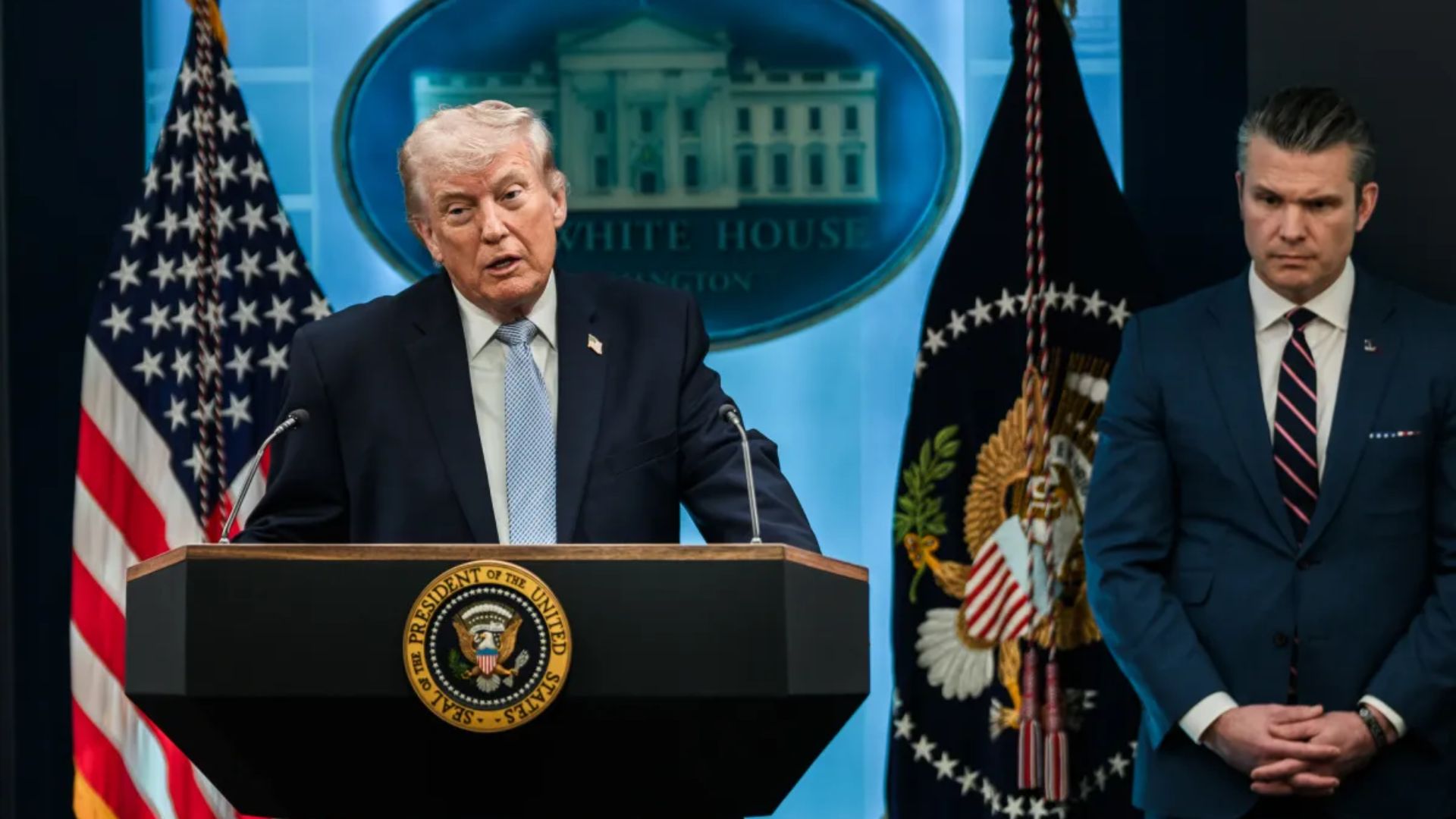
The vote came as Congress faced mounting pressure to assert its authority over the conflict, especially after the 60-day window under the War Powers Resolution had passed without formal congressional approval for continued hostilities.
For Democrats, the math was painful. With Republicans holding only a narrow House majority, every absence carried unusual weight.
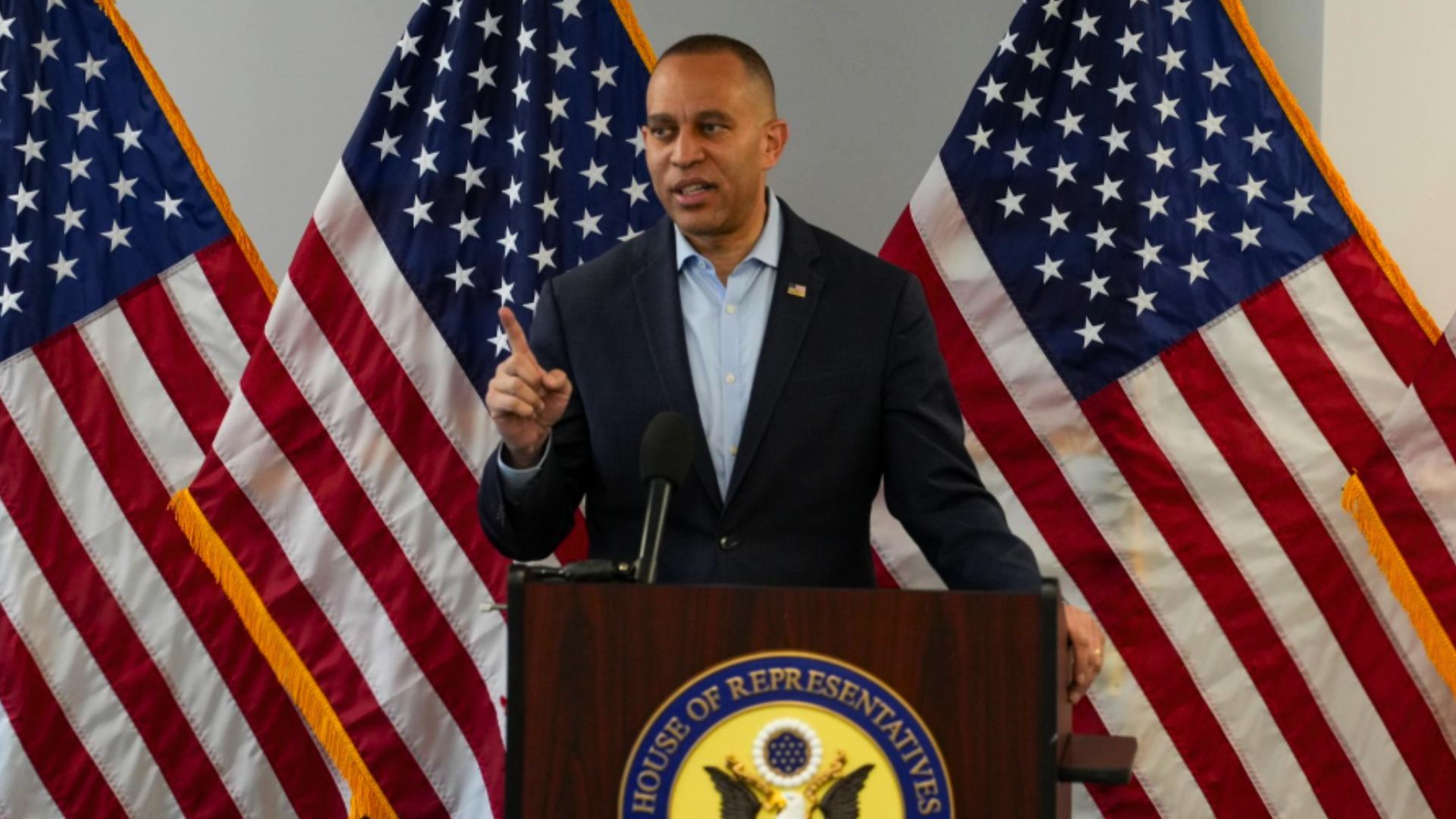
Axios reported that half a dozen House members were missing when the Iran war powers measure came to the floor, meaning any one of them could have changed the outcome. One senior House Democrat summed up the frustration bluntly: “People cannot miss votes.”
The failed vote quickly became more than a policy setback. It exposed how fragile the House has become in a sharply divided Congress, where illness, travel, medical issues or unexplained absences can decide the fate of major questions involving war, presidential authority and U.S. foreign policy.
Democrats had hoped the resolution would send a clear message that Trump should not be allowed to continue military operations against Iran without Congress weighing in. Instead, the effort died on the floor.
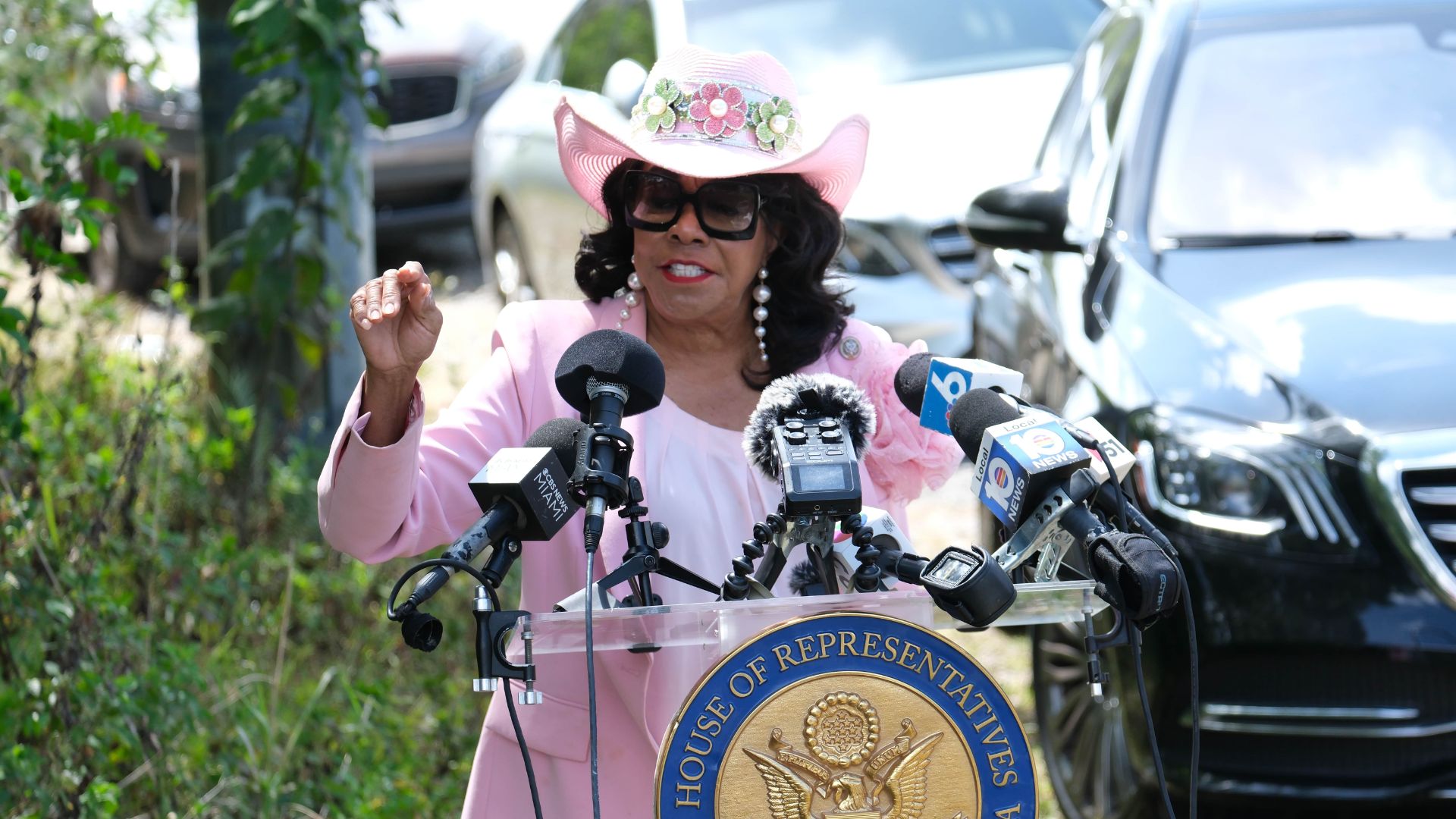
One of the missing Democrats was Rep. Frederica Wilson of Florida, 83, who has been away from Washington for weeks while recovering from major eye surgery.
According to Axios, House Minority Leader Hakeem Jeffries recently urged Wilson by phone to return to the Capitol as soon as possible, telling her, “You’ve got to come. The numbers are too small.”
Wilson reportedly explained her medical situation and said she planned to return to Washington next Wednesday.
Her absence, however, became part of a larger debate inside the Democratic caucus over discipline and urgency. Party leaders are trying to confront Trump on one of the most serious constitutional issues before Congress: whether the president can keep U.S. forces involved in hostilities against Iran without explicit approval from lawmakers.
But that effort becomes much harder when members are not present for razor-thin votes.
Republicans have faced their own absence problem. Rep. Tom Kean Jr. of New Jersey has missed roughly two months of House votes because of what has been described as a personal medical issue.
Even House Speaker Mike Johnson said Thursday that he knew only that Kean had a medical issue and wanted him back as soon as possible. Kean’s absence has also drawn attention because he remains a candidate for reelection in a district Democrats view as a major pickup opportunity.
The House vote followed a similarly narrow Senate fight over Trump’s Iran policy. A Democratic-led war powers measure in the Senate failed 50-49, even as several Republicans, including Sens. Lisa Murkowski, Rand Paul and Susan Collins, broke with their party to support limits on the president’s authority.
Sen. John Fetterman of Pennsylvania was the only Democrat to oppose that Senate resolution, underscoring the political crosscurrents surrounding the conflict.
Supporters of the war powers push argue that the Constitution gives Congress the authority to decide whether the country goes to war. The Trump administration and many Republicans have countered that the president is acting within his commander-in-chief powers and that the situation with Iran does not require the kind of congressional action Democrats are demanding.
Still, Thursday’s failed House vote left Democrats staring at a bitter reality.
Their opposition to Trump’s Iran policy may be growing louder, and some Republicans may be willing to cross party lines, but none of it matters if members are not there when the roll is called.
In a chamber where one vote can decide the reach of presidential war powers, absence is no longer a scheduling problem. It is a political weapon, even when no one means to fire it.

