
Michigan – Rep. Tom Barrett (R-Michigan) and Rep. Brian Fitzpatrick (R- Pennsylvania) became the latest Republicans to break with President Donald Trump on Thursday, joining Democrats in a razor-thin House vote aimed at curbing the administration’s military operation in Iran.
Their votes did not change the final outcome, but they sharpened a growing warning sign for the White House: unease over the war is no longer limited to Trump’s usual critics inside the GOP.
The House resolution, backed by Democrats, sought to force a halt to U.S. involvement in hostilities with Iran unless Congress gave formal approval.
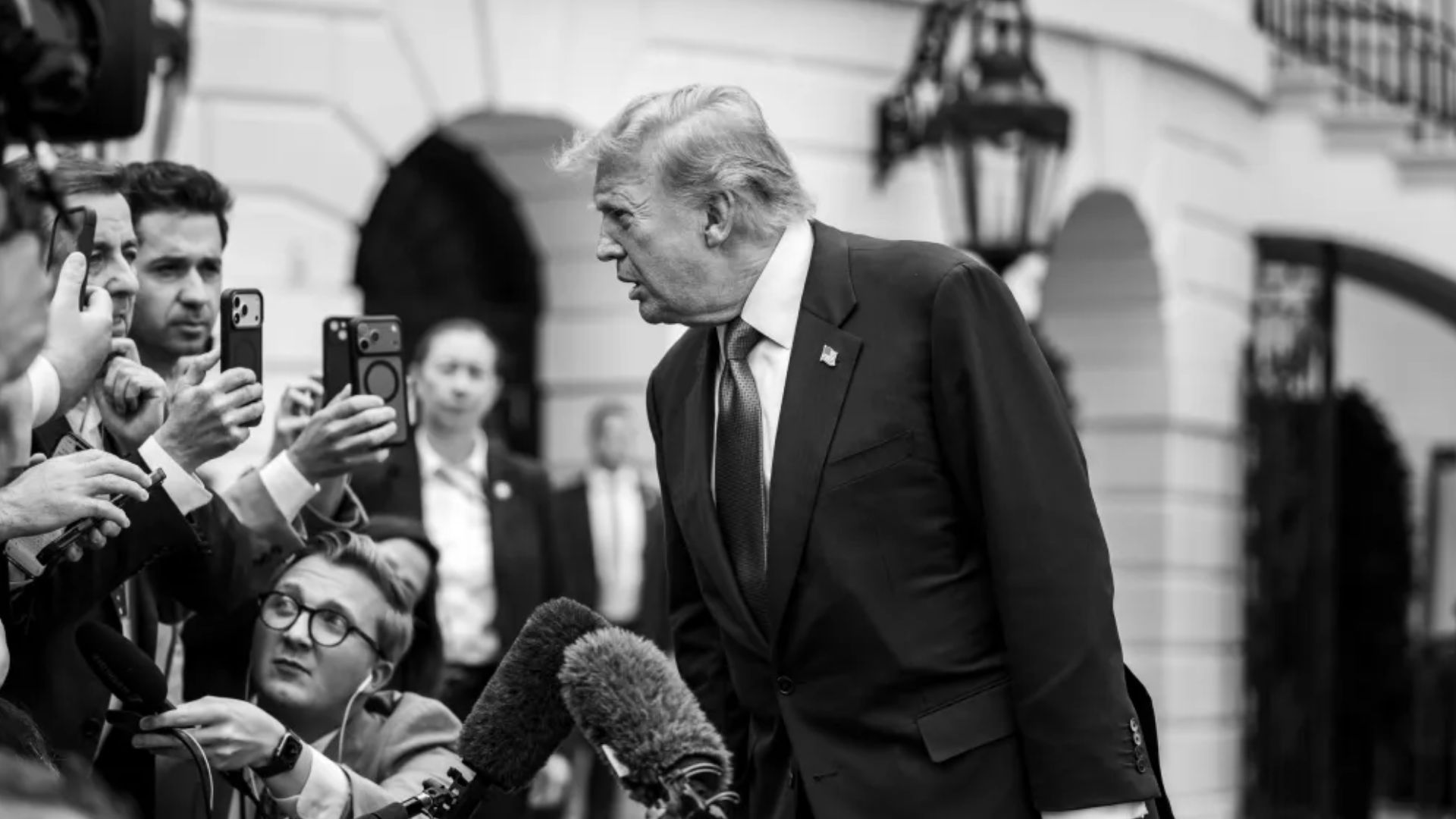
It failed in the narrowest way possible, ending in a 212-212 tie. In the House, a tie is not enough to pass a measure, leaving Trump’s authority untouched for now.
But the vote still carried political weight, especially because three Republicans crossed the aisle.
Barrett and Fitzpatrick joined Rep. Thomas Massie (R-KY), a longtime Trump critic on questions of executive power and foreign policy, in supporting the resolution.
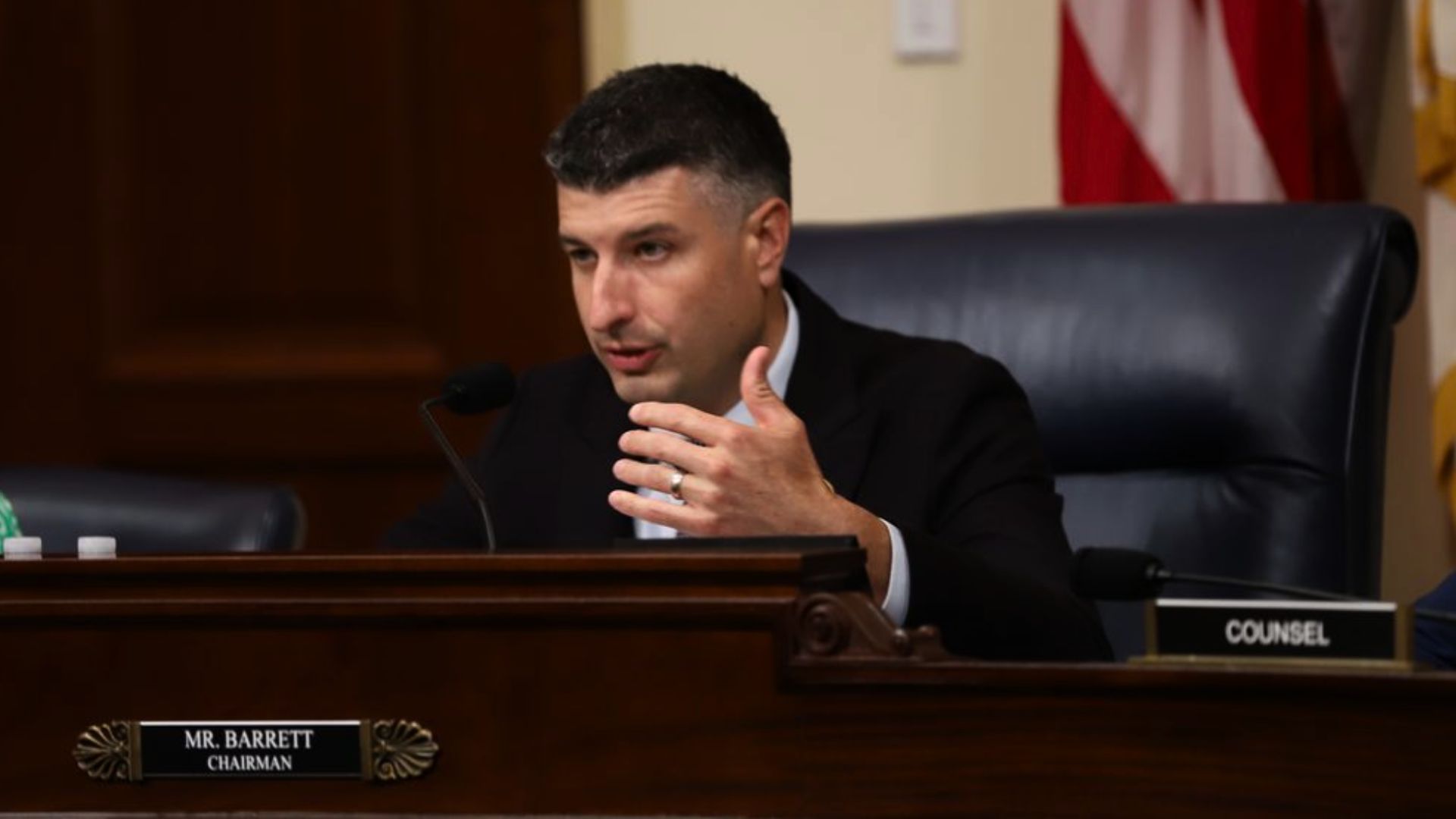
On the Democratic side, Rep. Jared Golden (D-ME) broke from his party and voted no, helping block the measure from moving forward.
It marked the third time the House rejected an effort to rein in the Iran conflict, but this round showed a slightly different picture: more Republican discomfort, more pressure from competitive districts, and a war powers debate that is refusing to fade.
That local dynamic helps explain why the vote may matter beyond Capitol Hill procedure.

Barrett’s district is expected to be closely watched ahead of the midterms, and his decision to side against Trump on a national security question gives Democrats and Republicans alike a fresh signal about how the Iran conflict may shape battleground races.
Fitzpatrick, who has long represented a politically divided Pennsylvania district, also showed that unease over the war can reach Republicans who are not usually defined by direct confrontation with Trump.
The House vote came one day after a similar measure nearly advanced in the Senate.
There, three Republicans, Sen. Lisa Murkowski (R-AK), Sen. Rand Paul (R-KY), and Sen. Susan Collins (R-ME), sided with Democrats on a vote tied to ending the Iran war.
The measure failed 49-50, the closest the Senate has come on the issue. Sen. John Fetterman (D-PA), who has repeatedly separated himself from Democratic leadership on several high-profile issues, voted with Republicans to oppose the effort.
The fight centers on the War Powers Act and the constitutional question of who gets to decide when the United States remains in military hostilities.
Democrats argue that Congress has the power to declare war and that the administration cannot continue operations without lawmakers’ authorization. The Trump administration and many Republicans counter that the president is acting within his authority as commander in chief, especially when responding to threats overseas.
The dispute has intensified because the conflict has now crossed a major legal and political threshold.
Critics say the administration missed the deadline to scale back the operation or seek congressional approval.
Supporters of Trump’s approach argue that the situation has changed and that the president must retain flexibility in the region. Murkowski, however, has pointed to the continuing risk to U.S. forces as a reason Congress should not stay silent.
For now, Trump has survived another challenge from Congress. The House resolution failed. The Senate effort failed. The military operation continues. But the margins are narrowing, and the list of Republican dissenters is growing.
That is the deeper story behind Thursday’s tie vote.
Democrats still do not have enough support to force Trump’s hand, yet the president’s own party is showing cracks at a sensitive moment.
With the midterms approaching and the Iran conflict still hanging over Washington, Barrett and Fitzpatrick’s votes may be remembered less as a failed attempt to stop the war and more as another sign that the political cost of defending it is beginning to rise.

 and Rep. Brian Fitzpatrick (R- Pennsylvania) became the latest Republicans to break with President Donald Trump on Thursday)