
South Carolina – U.S. Senator Tim Scott of South Carolina has joined a growing group of Republican senators who support a legal campaign to keep the Ten Commandments on display in public school classrooms.
Scott, together with Senators Ted Cruz and John Cornyn of Texas, House Speaker Mike Johnson of Louisiana, and Representative Chip Roy of Texas, wrote an amicus brief asking the courts to confirm that these kinds of displays remain legal.
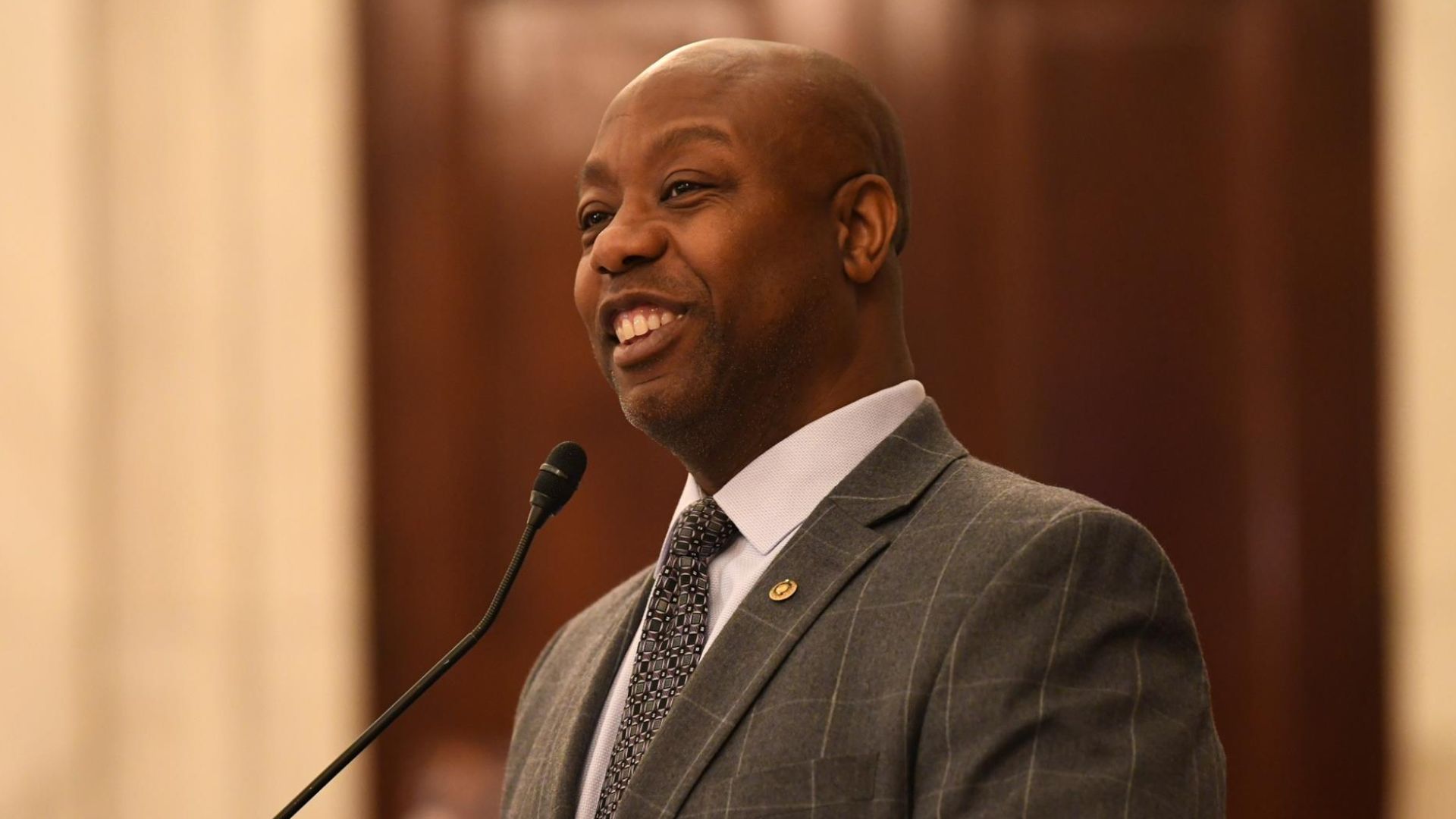
The brief was filed in Rabbi Nathan v. Alamo Heights Independent School District in front of the Fifth Circuit Court of Appeals. It supports Texas’s S.B. 10, which is a state law that says every public school classroom must display the Ten Commandments in words that the U.S. Supreme Court has already said are permitted.
Supporters say that the Commandments are a well-known part of the country’s history and values, and that recognizing them in public institutions is in line with national traditions and established legal practice.
Scott said that he supports the concept because he has always thought that Judeo-Christian ideas are very important to American civic culture. He said that he has defended comparable exhibits when he first started working in public service and that they help pupils learn about the ideals and laws that impacted the country’s growth.
“Our nation was founded upon Judeo-Christian principles, the key reason America has been so blessed. From my time serving on the Charleston County Council to now, I have been resolute in defending the display of the Ten Commandments in our public schools,” Sen. Scott said.
“These universal principles have built the historical and moral foundation of the United States and protecting this heritage in our schools helps students understand the values, laws, and civic culture that have guided our nation for generations,” Sen. Scott added.
Read also: South Carolina honors ten nonprofits with Angels for 2025 award for outstanding charitable impact
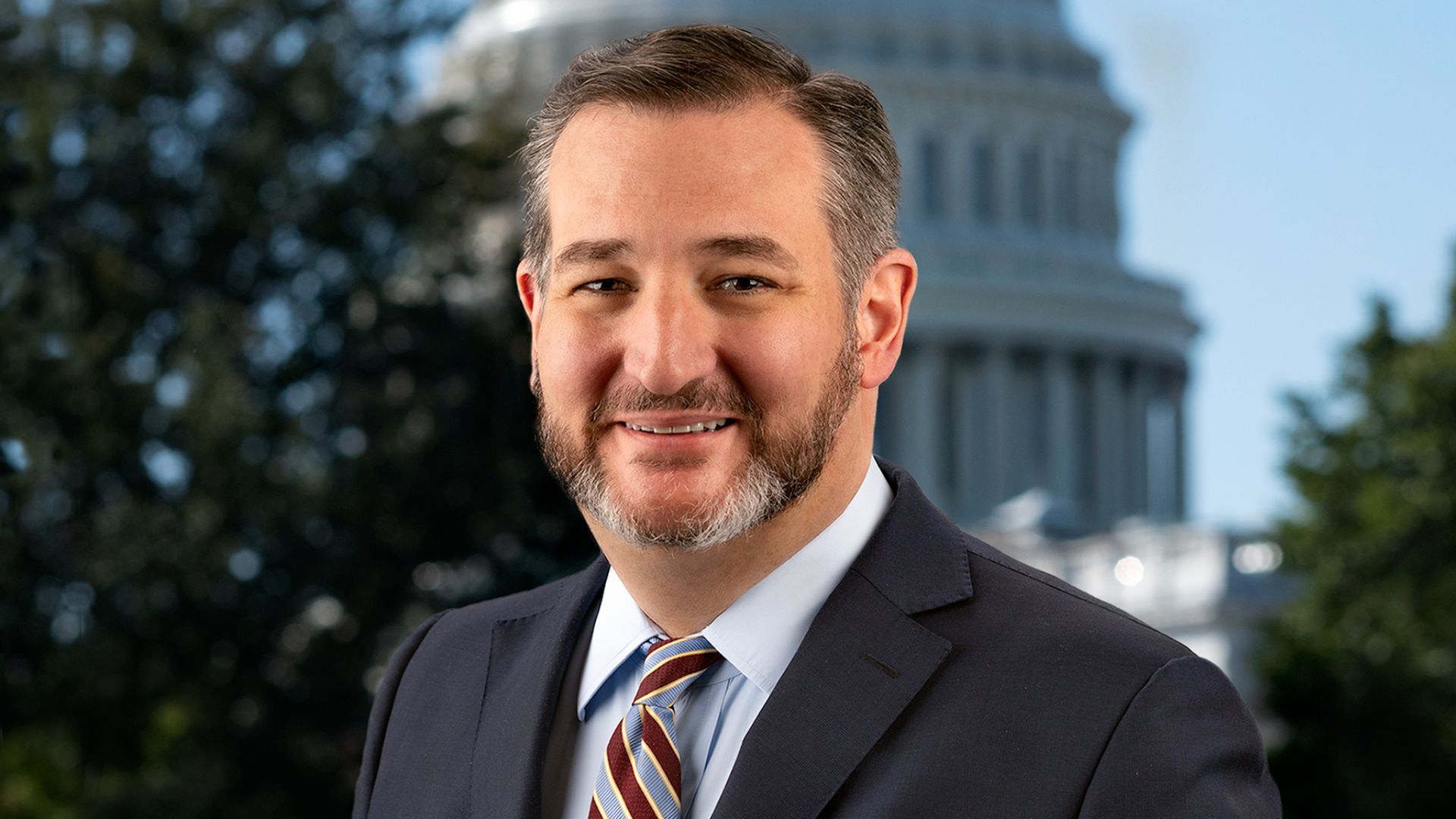
Cruz agreed with that point of view, using earlier court decisions that said the Ten Commandments were important to the development of Western legal systems as the basis for his argument. He addressed how he had defended a Texas monument in the 2005 case Van Orden v. Perry, in which the Supreme Court approved a Ten Commandments installation on state grounds. Cruz noted that this case is another test of how committed the country is to the values it was founded on.
Cornyn backed it up by praising Texas’s approach and saying that the displays in the classroom represent long-held ideals in both the state and the country. Speaker Johnson also said that the Commandments are found in many important federal institutions, such as the U.S. Supreme Court, and that they are important parts of American history. He spoke out against some states’ attempts to stop or avoid teaching children about the religious impacts on the country.
Representative Roy talked about the problem in terms of cultural continuity, saying that the Ten Commandments are the moral foundation of the American legal system. He claims that progressive opponents have tried to separate young people from the culture that older generations relied on, and he stated that Texas’s law supports the country’s Judeo-Christian identity.
A wide group of Republicans in the Senate and House signed the petition, which shows that a lot of conservatives favor the plan. The politicians say that showing the Ten Commandments does not create a state religion or force people to practice religion; instead, it is a way to recognize religion’s historical significance in public life.
The Fifth Circuit will now look at the arguments as it decides what to do about Texas’s statute and the bigger issue of how public schools can teach religious material without breaking the law.
To read all statements, click here.

