
Columbia – The pothole does not care which party controls Columbia. Neither does the flooded intersection. Or the tent under the bridge. Or the trash that keeps collecting near the same curb until residents stop believing anyone is coming to pick it up.
That is the quiet source of South Carolina’s trust problem. It is not always about ideology. It is often about the small, visible failures people pass every day, the problems that look simple from a car window and impossible once they enter the machinery of government.
In Columbia, the frustration has gathered around homelessness, litter, flood-prone streets and public safety. In Florence, it shows up in complaints about crime hotspots, stormwater flooding, youth challenges and the slow pace of visible improvement. Residents may disagree about taxes, policing, development or partisan politics. But many share a basic question: Why does it take so long to fix the things everyone can see?
National polling helps explain the backdrop. Americans still tend to trust local government more than higher levels of government. Gallup has long found that local government receives more confidence than state government, with one benchmark showing 72% of Americans expressing trust in local government compared with 62% for state government.
But faith drops sharply when the question turns to Washington. In 2024, Pew Research Center found that only 22% of Americans said they trusted the federal government to do what is right just about always or most of the time.
South Carolina complicates that picture. The state is not uniformly distrustful. A 2025 survey from the Center for Excellence in Polling found that 56% of likely voters approved of Gov. Henry McMaster’s job performance. The same polling showed support for shrinking government by eliminating long-vacant state positions and for accountability tools aimed at prosecutors viewed as repeatedly failing to prosecute crime.
Trust in elections also appears unusually strong. After the 2024 presidential election, the South Carolina State Election Commission said 93% of surveyed voters trusted the accuracy of elections in the state. The survey also found that 98% said registering to vote was easy and 97% of in-person voters found polling places clean and safe.
So the trust deficit is not total. It is selective. South Carolinians may trust certain government functions while doubting whether government can handle the ordinary mess of daily life. That is a different problem, and in some ways a more dangerous one.
A person may believe votes are counted accurately and still believe City Hall cannot keep a street clean. A voter may approve of the governor and still think local agencies move too slowly on homelessness, flooding or crime.
Columbia shows the tension clearly. The city is the state capital, home to the visible machinery of government. Yet it also has highly visible street-level problems. Homelessness has been one of the most politically sensitive.
In April 2025, the city’s Homeless Services Ad Hoc Committee met to discuss progress, strategic planning and the chronically unsheltered population. The city said the committee would review recommendations from its 2022 Task Force to Prevent and End Homelessness, examine the 2024 Point-in-Time Count and introduce a Homeless Services Blueprint focused on partnerships, service expansion and long-term planning.
“It’s kind of disappointing that some people are making comments when they don’t even know what’s going on … they just assume,” Columbia Mayor Daniel Rickenmann said last year.
“There’s not one person in Columbia that has come up with a solution. We don’t have the solution. We’ve got ideas, we try to get more input. But the reality is, if somebody had the solution, then they’d be executing it. We wouldn’t be having this conversation.”
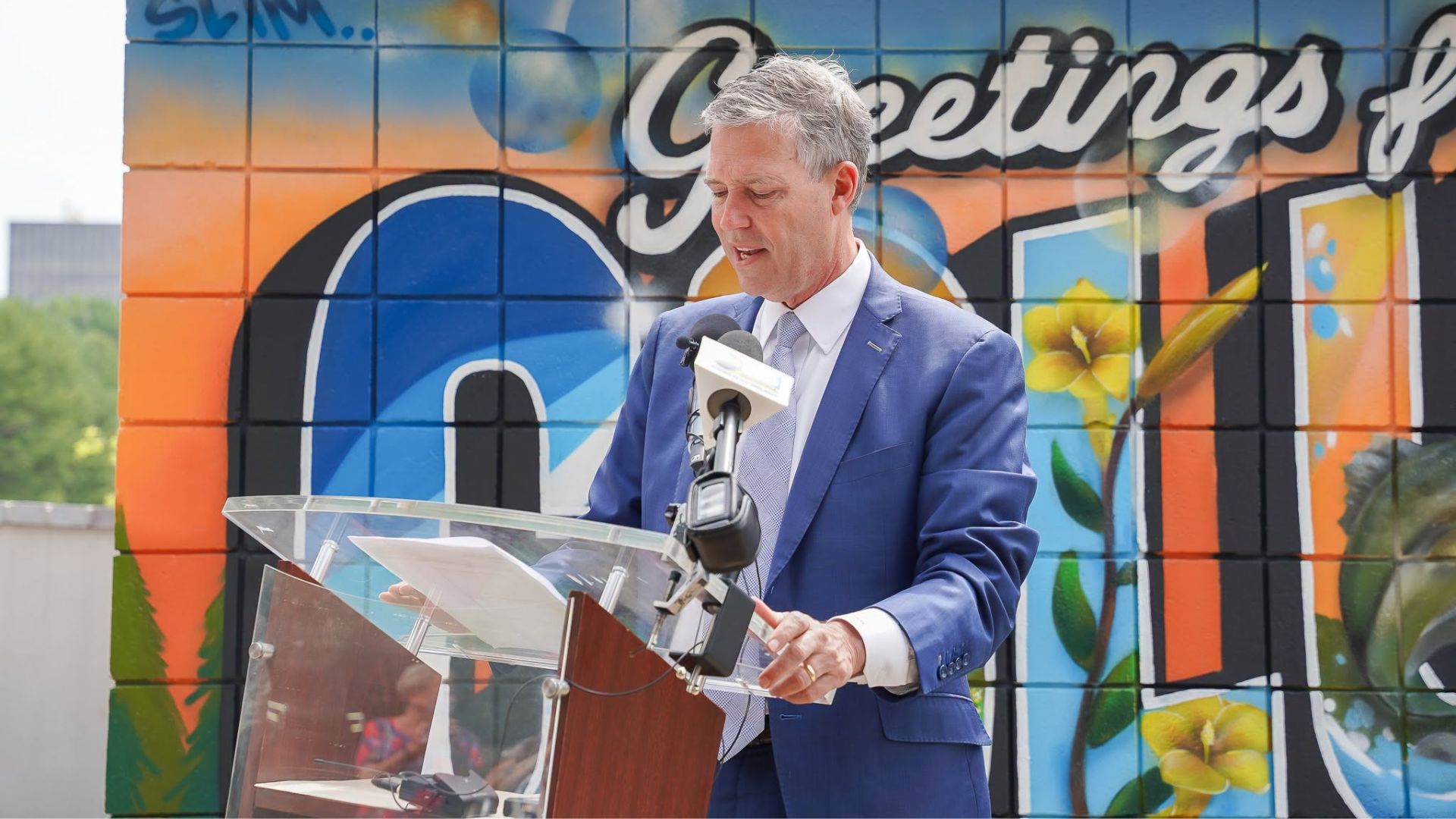
That is the language of process. To residents living near encampments, it can sound distant. This is the gap that burns trust: government speaks in committees, blueprints and implementation updates; residents speak in tents, needles, trash, blocked sidewalks and fear. Both may be describing the same problem. They are not speaking the same language.
Mayor Daniel Rickenmann’s office says he is committed to expanding housing options, strengthening public safety through innovative programs and improving customer service across city operations, according to the city’s official mayoral profile. In local coverage, he has also said homelessness would remain a priority for Columbia in 2025, tying the issue to mental health, housing and public safety.
But public patience is usually measured in days, not strategic cycles. Flooding creates the same kind of frustration. Columbia Public Works maintains a list of flood-prone streets and intersections and urges drivers to avoid them during and immediately after heavy rain. The list includes familiar trouble spots such as Blossom and Saluda, Adger and Devine, Main and Whaley, Gervais and Laurens, and Wheat and Pickens. To government, that list is a safety notice. To residents, it can feel like an admission that the same places keep failing.
Florence has its own version of the problem. The city is now moving on stormwater work, including the Pennsylvania Street Stormwater Mitigation Project. In August 2025, the South Carolina Office of Resilience announced that construction had begun on the project, with $5.1 million in ARPA Stormwater Infrastructure Program funding, about $1 million in local match and improvements along Pennsylvania, Coit, Preston, Lawson and West Sumter streets. The work is expected to reduce flood risks in a service area where nearly three-quarters of residents are low- to moderate-income.
That is progress. But progress that arrives after years of repeated flooding can still feel late. Crime works the same way. The South Carolina Law Enforcement Division’s 2024 Crime in South Carolina report showed statewide violent crime and property crime declining from 2023 to 2024. That is good news. But a statewide decline does not automatically reassure a Florence resident worried about a nearby hotspot or a Columbia business owner dealing with repeat theft.
The problem with trust is that it is built locally and broken visibly. Florence Mayor Lethonia Barnes has leaned into the language of collaboration. In August 2025, WMBF News reported that Barnes was backing a city-led effort tied to a third-party study on youth and teen issues.
She said the city needed to understand “the why” behind challenges involving poverty, mental health, crime and quality of life. She also said, “Stronger together, I truly believe that.”
“Whether it’s poverty, whether it’s mental health, whether it’s crime, we need to find the why quality living youth and young adults desire more quality of living that fits their needs, and so this plan will help us to find the why,” said Barnes.
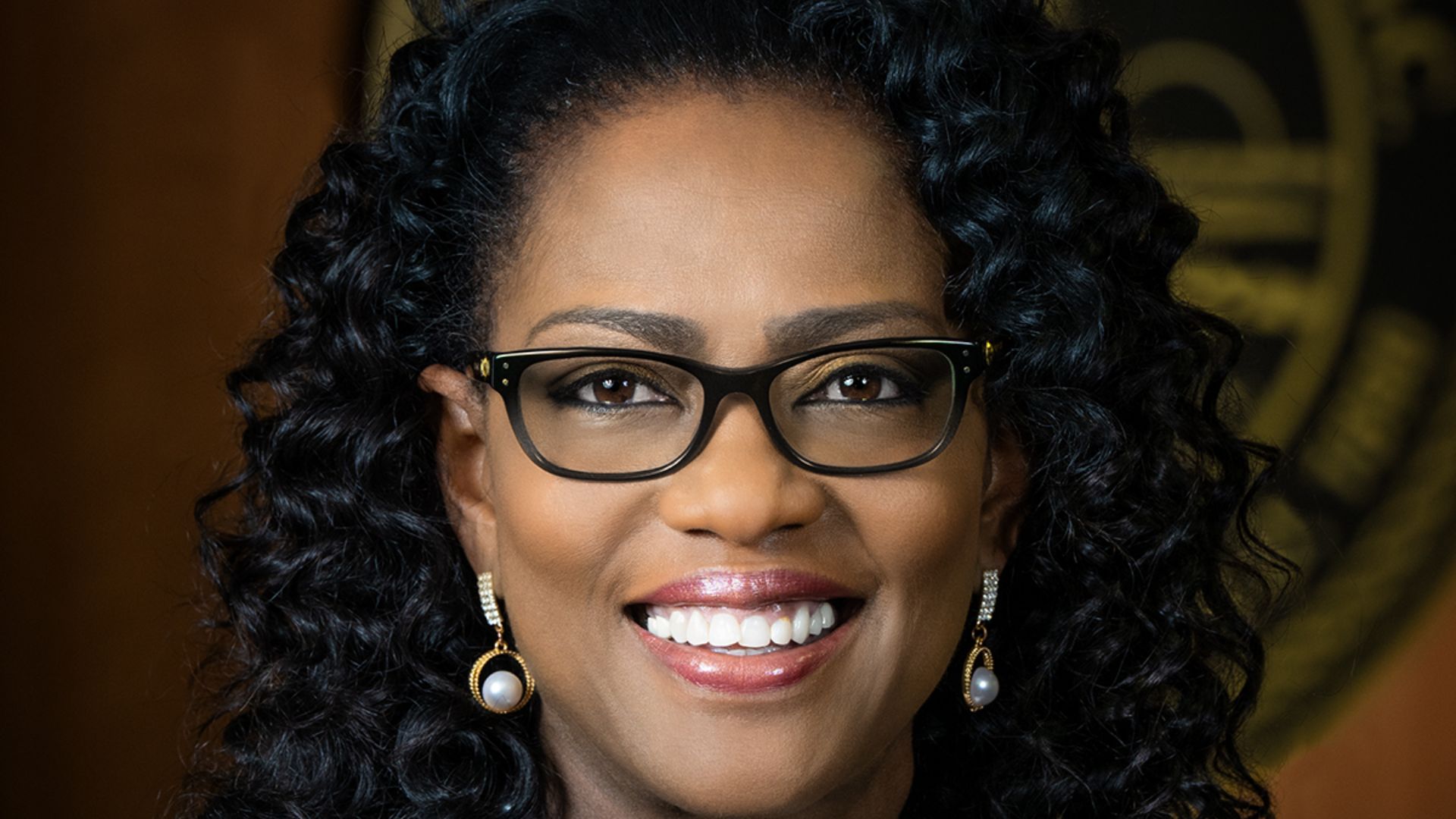
That sounds right because the problems are connected. Homelessness is housing, but also mental health and addiction. Crime is policing, but also poverty, youth opportunity and courts. Flooding is engineering, but also climate, maintenance and old development decisions. Litter is sanitation, but also civic pride, enforcement and neglect.
Government loses trust when it treats connected problems as if each belongs in a separate office.
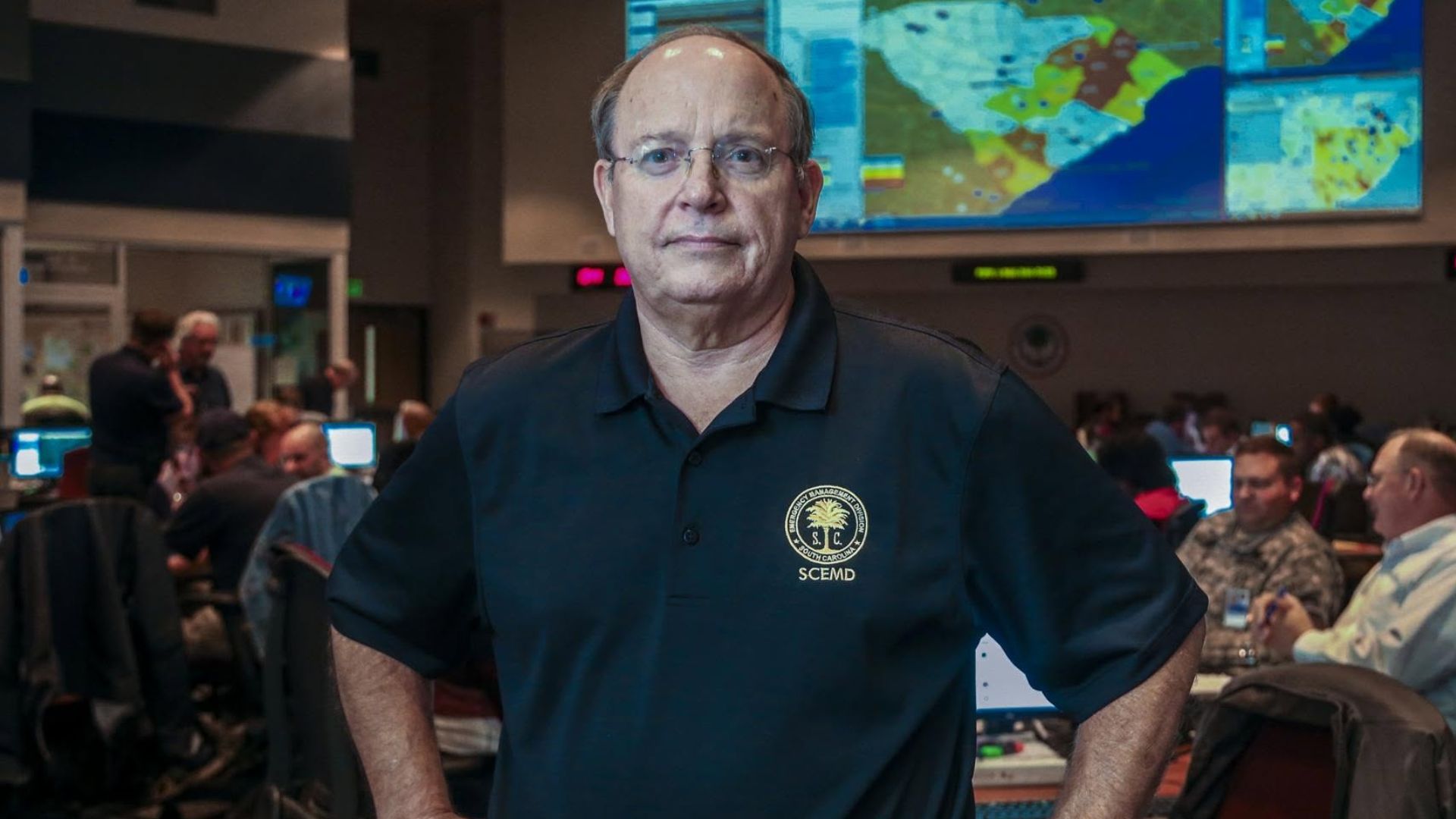
State agencies understand this better after disasters. The historic October 2015 flood changed South Carolina’s emergency management system. In 2025, the South Carolina Emergency Management Division marked the flood’s tenth anniversary by noting that the disaster killed 19 people, displaced more than 20,000 residents, caused nearly 50 dams to fail or breach and led to more than 1,500 water rescues. SCEMD Director Kim Stenson called the flood “a turning point” and said the state had built stronger partnerships, improved planning and embraced technology.
“The 2015 flood was a turning point for emergency management in South Carolina. It showed us where we needed to improve, and we did. We’ve built stronger partnerships, enhanced our planning, and embraced technology to ensure we’re better prepared,” said Kim Stenson, Director of the South Carolina Emergency Management Division, on October 1, 2025.
“One of the greatest takeaways from the 2015 flood was how critical early decisions are. Acting quickly and pre-positioning resources made a difference then and continues to guide how we respond to disasters today.”
That is what residents want from everyday government, too: not perfection, but evidence that the system learns.
The danger is civic withdrawal. When residents believe nothing changes, they stop reporting problems. They stop attending meetings. They oppose taxes or bonds because they do not trust the outcome. They treat every new study as delay and every press release as self-protection. In that environment, even good projects struggle because the public has already priced in disappointment.
Rebuilding trust will not come from slogans. It will come from visible wins.
A cleared encampment is not enough if people have nowhere stable to go. A crime task force is not enough if hotspots remain. A drainage project is not enough if residents do not understand the timeline. A litter cleanup is not enough if the same block is dirty two weeks later. Government has to show the work, explain the constraints and deliver smaller results more often.
South Carolina’s trust problem is not that residents have given up on government entirely. Election confidence, gubernatorial approval and local engagement show otherwise.
The sharper problem is practical trust, whether people believe government can fix what is right in front of them. That kind of trust is earned at street level. One clean block. One safer intersection. One faster response. One project finished when promised.
And in Columbia, Florence and communities across South Carolina, those everyday tests may matter more than any speech from the State House.

