
Columbia, South Carolina – South Carolina is using Stroke Smart South Carolina Month and National Stroke Awareness Month to sharpen attention on one of the state’s most urgent health threats: stroke, a medical emergency where every minute can change the outcome.
The South Carolina Department of Public Health is highlighting a recent training effort designed to strengthen stroke care before patients reach the hospital and after they arrive. Through the initiative, DPH funded Advanced Stroke Life Support certification for 16 healthcare providers, with four selected from each region of the state.
Read also: South Carolina confirms rabies cases involving raccoon and bat in two counties
Stroke happens when blood flow to part of the brain is blocked or when a blood vessel in the brain bursts. The damage can be severe, leading to long-term disability, permanent brain injury or death. That is why early recognition, fast response and coordinated care remain central to improving survival and recovery.
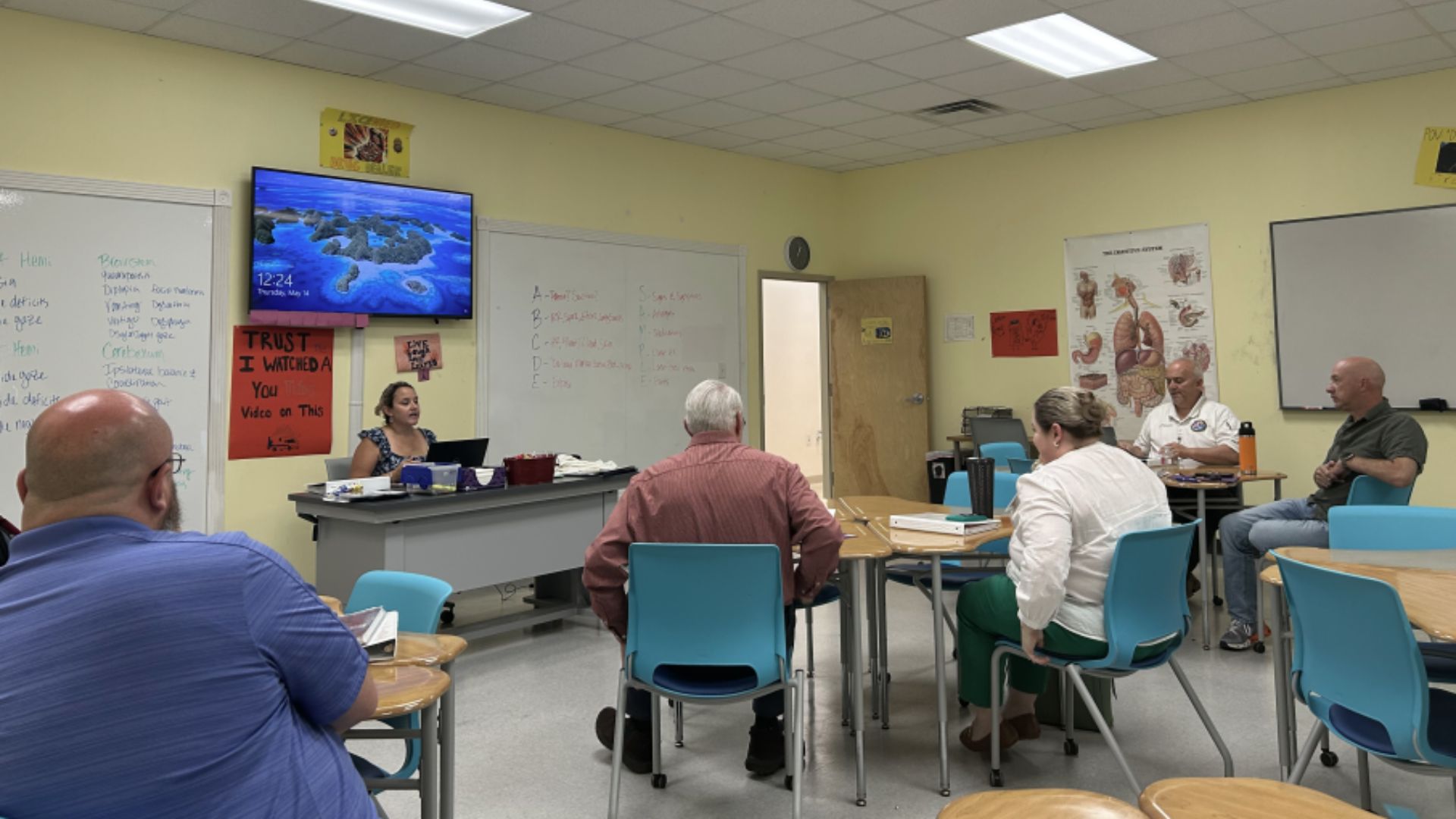
The ASLS certification program was created by the American Heart Association in partnership with the University of Miami’s Gordon Center for Simulation and Innovation in Medical Education. It trains healthcare workers to spot stroke symptoms quickly, respond with evidence-based care and work as a team across emergency and hospital settings.
Devan Hall, Training Center Coordinator for the Lowcountry Regional EMS Council, led the training and described ASLS as a strong tool for improving how providers identify and manage stroke cases. Hall said the program helps create a standard approach to stroke care and stroke mimics, while supporting collaboration among healthcare team members.
The program includes two tracks. One is focused on EMS personnel, who care for patients before they arrive at the hospital. That training includes calling stroke alerts to emergency departments and safely transporting patients to the right facility as quickly as possible. The second track is designed for emergency department staff and focuses on structured evaluation, prevention and treatment of different types of strokes based on severity.
Read also: South Carolina backs coastal states in court fight over red snapper management
The 16 South Carolina providers completed a combined track, receiving training in both prehospital and in-hospital care. They finished online coursework before attending an in-person skills testing session May 14 at the Lowcountry Regional EMS Council Training Center.
The effort also carries a long-term benefit. In addition to becoming certified providers, participants earned instructor certification, allowing them to train and certify others across South Carolina.
DPH said funding barriers had limited the number of certified providers in the state. Allison McElveen, DPH EMS and Trauma Section’s Stroke/STEMI/Sepsis Program Coordinator, said the agency hopes the 16 new instructors will help expand certification to many more providers.
The participants represented hospitals, EMS agencies and fire-rescue organizations across South Carolina, including providers from Self Regional Hospital, Spartanburg Regional Healthcare System and Spartanburg EMS, Piedmont Medical Center, Lexington County EMS, Florence County EMS, Horry County Fire Rescue, Grand Strand Medical Center, Fairfield County EMS, Roper St. Francis Hospital, MUSC Midlands Downtown, Hampton Regional Medical Center, Tidelands Health, Berkeley County EMS, Bon Secours St. Francis, Union County EMS and Charleston County EMS.
Gov. Henry McMaster declared May as Stroke Smart South Carolina Month, urging residents to learn stroke warning signs and call 911 immediately when symptoms appear. In 2023, strokes accounted for 21,623 emergency department visits in South Carolina.
Read also: South Carolina State Fair awards $540,000 in scholarships to students statewide
The state remains among the top 10 nationwide for the highest stroke death rate, according to the Centers for Disease Control and Prevention. Still, South Carolina’s stroke mortality rate has improved in recent years, falling from 48.3 deaths per 100,000 people in 2021 to 43.6 in 2023.
Health officials encourage residents to remember B.E.F.A.S.T.: Balance problems, Eye or vision changes, Face drooping or severe headache, Arm weakness or numbness, Speech trouble or confusion, and Time to call 911.

