
South Carolina – A vote inside the South Carolina House this week set off a fierce political fight that quickly spilled beyond the Statehouse walls and onto social media.
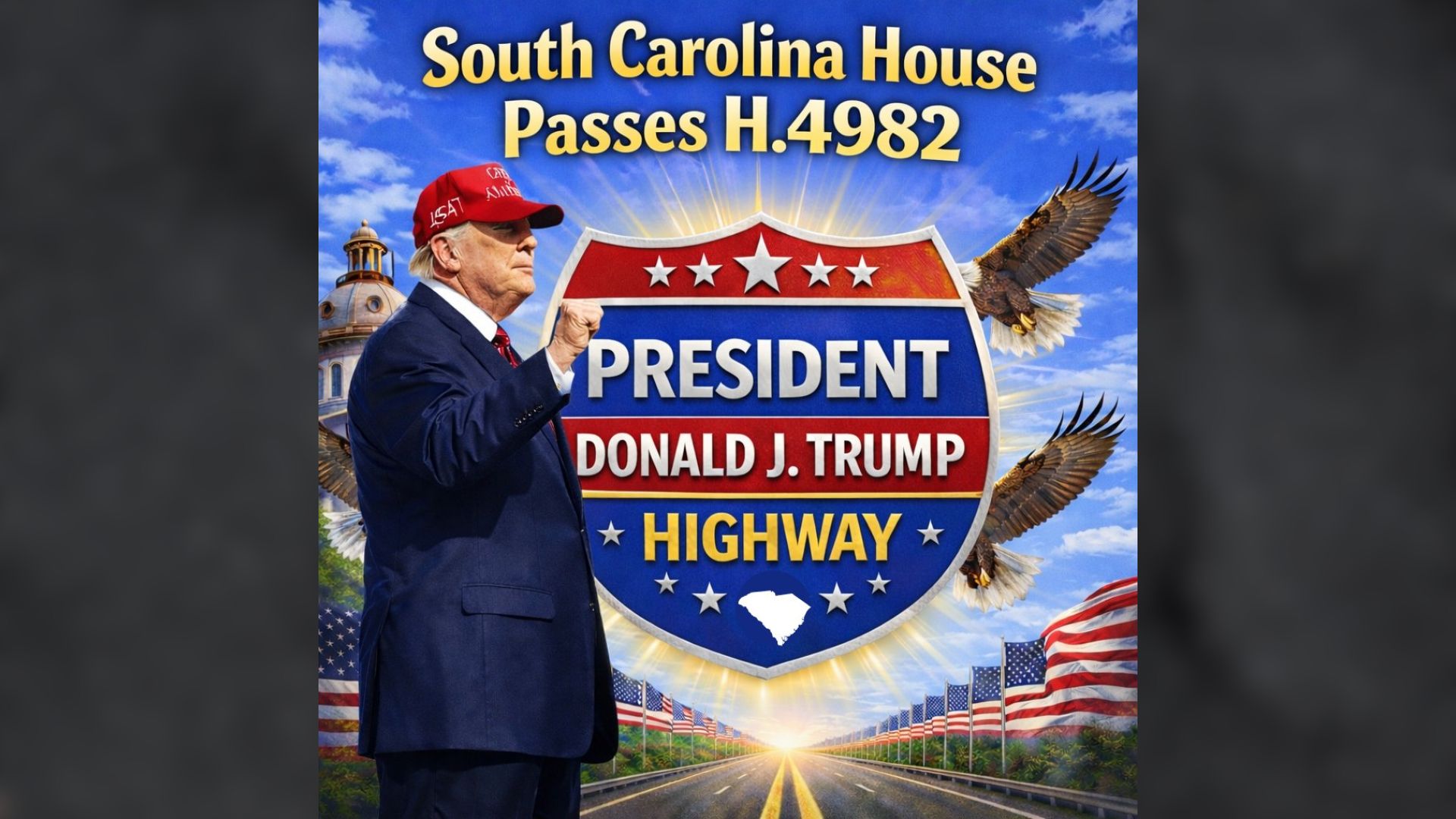
On March 5, lawmakers approved three concurrent resolutions to rename major transportation landmarks after President Donald J. Trump and conservative activist Charlie Kirk. The most prominent measure would designate the long-envisioned Interstate 73 as the “President Donald J. Trump Highway.”
Two additional resolutions would attach Charlie Kirk’s name to a stretch of U.S. Highway 76 in Laurens County and to a bridge over Little River along U.S. Highway 378 in McCormick County.
The I-73 proposal passed the House by a 76-28 vote, with Republicans unified in support and Democrats opposed. The future interstate is planned to run through Marlboro, Dillon, Marion and Horry counties, linking the Grand Strand region to Interstate 95.
Though the project dates back decades, supporters point to a key federal permit issued in 2019 during Trump’s administration as a turning point that revived momentum. State Rep. Heather Ammons Crawford, who introduced the resolution in late February, argued that the highway would boost tourism, improve freight movement and strengthen economic ties between coastal and inland communities.
Local voters have already committed funding. In November 2024, Horry County residents approved the RIDE IV sales tax initiative, setting aside $450 million for infrastructure projects that include I-73. Earlier this year, Horry County Council voted to endorse naming the corridor after Trump after removing a prior condition tied to federal funding secured during his presidency.
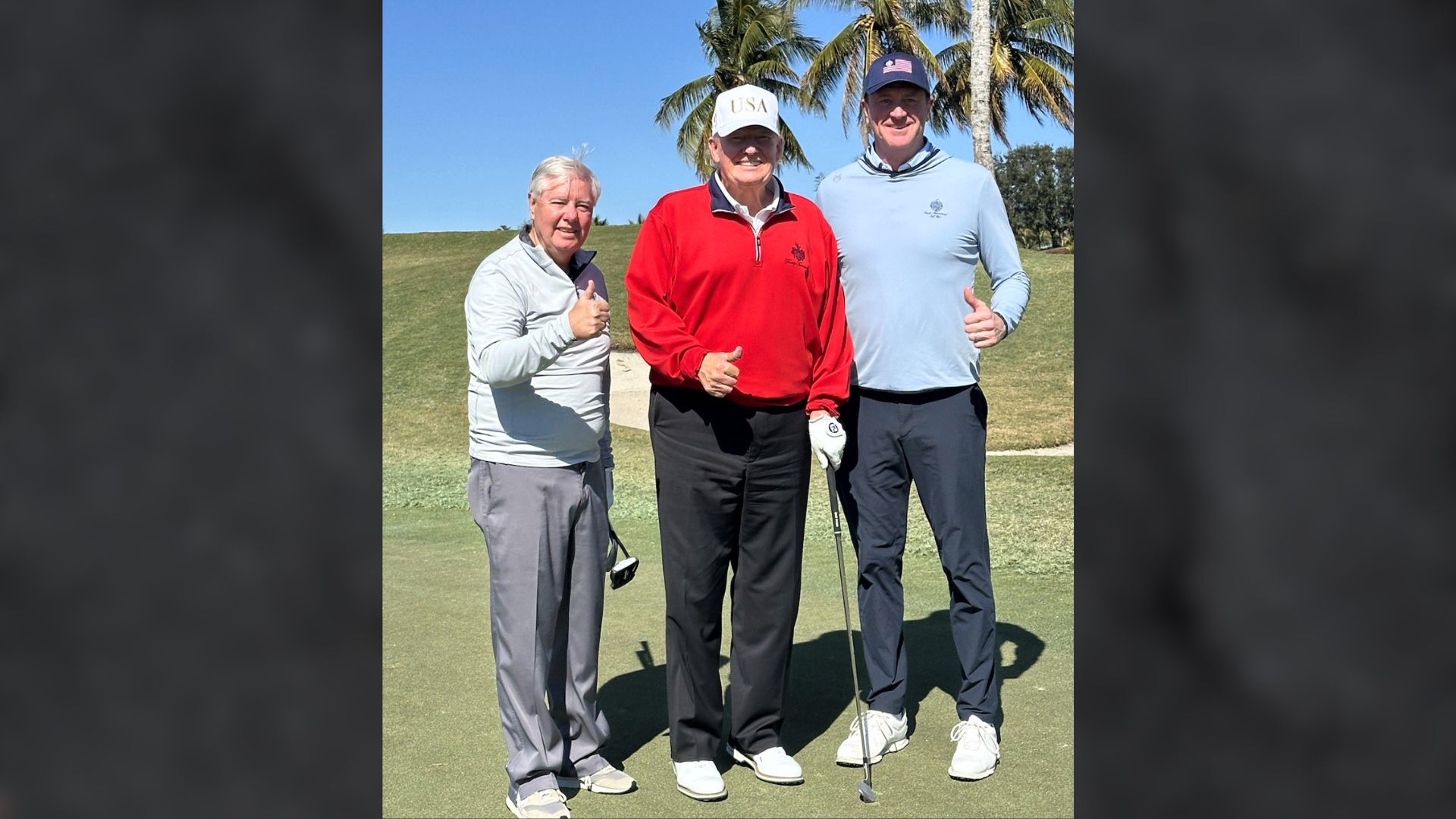
Sen. Lindsey Graham publicly celebrated the House vote. In a post on X, formerly known as Twitter, the South Carolina Republican called the designation “a great name for South Carolina’s greatest highway project.”
“A great name for South Carolina’s greatest highway project. When completed, I-73 will connect the fast-growing Grand Strand area to I-95. Naming it after President Trump makes sense to me, and I’m glad to see this effort move forward. For my part, I’ll continue to work closely with @RepRussellFry and push aggressively for funding for this important project,” Graham wrote on X.
That message quickly drew backlash online.
Hope the funding dries up quicker than a bottle of poppers at your after dinner “parties,” one user commented.
“A great name for a sewage treatment plant,” another wrote.
“Will it have our usual potholes? That makes the most sense!!!!,” @DavidM2357 commented below the post.
“I’ll make sure I avoid that interstate and therefore your state,” @TheBrandGuyTim said.
“How pathetic you are. Typical for S.C. though. Can’t you just retire? You are wasting a seat for someone more qualified,” another user commented.
Critics flooded replies to Graham’s post, accusing him of politicizing public infrastructure and elevating partisan figures. Some questioned whether highways should carry the names of living political leaders.
Others revived long-standing objections to the I-73 project itself, including environmental and fiscal concerns that have surrounded the proposal for years. The intensity of the reaction underscored how symbolic naming decisions can ignite broader debates about political identity and state priorities.
The two Charlie Kirk resolutions also passed largely along party lines, with vote totals of 75-31 for the Laurens County highway and 75-29 for the McCormick County bridge. A small number of Republicans broke ranks, while Democrats uniformly opposed the measures. Sponsors described Kirk, the founder of Turning Point USA, as an influential voice in conservative activism and outreach to younger voters.
The use of the term “Memorial” in both Kirk designations drew particular scrutiny, as he is alive and continues his political work. Legislative records did not provide a formal explanation for the wording.
During floor debate, Democratic lawmakers criticized the choices as divisive and argued that public landmarks should instead honor figures tied to civil rights or broadly shared state achievements. The South Carolina Democratic Party issued statements objecting to the symbolism of naming I-73 after Trump.
Read also: Monster dealer who sold poison pill to young woman who just wanted a painkiller goes behind bars
Republicans countered that the recognitions were justified. They framed the I-73 naming as acknowledgment of Trump’s role in advancing federal permitting and portrayed the Kirk honors as tributes to conservative leadership and grassroots activism.
For now, the resolutions move to the South Carolina Senate, where they must also be approved before becoming official. If the upper chamber signs off, the state Department of Transportation would be responsible for installing the new signage using state funds.
As debate shifts to the Senate, the online uproar surrounding Graham’s celebratory post illustrates how infrastructure policy, once largely technocratic, can become a flashpoint in a state where political loyalties run deep and public symbols carry heavy weight.

