
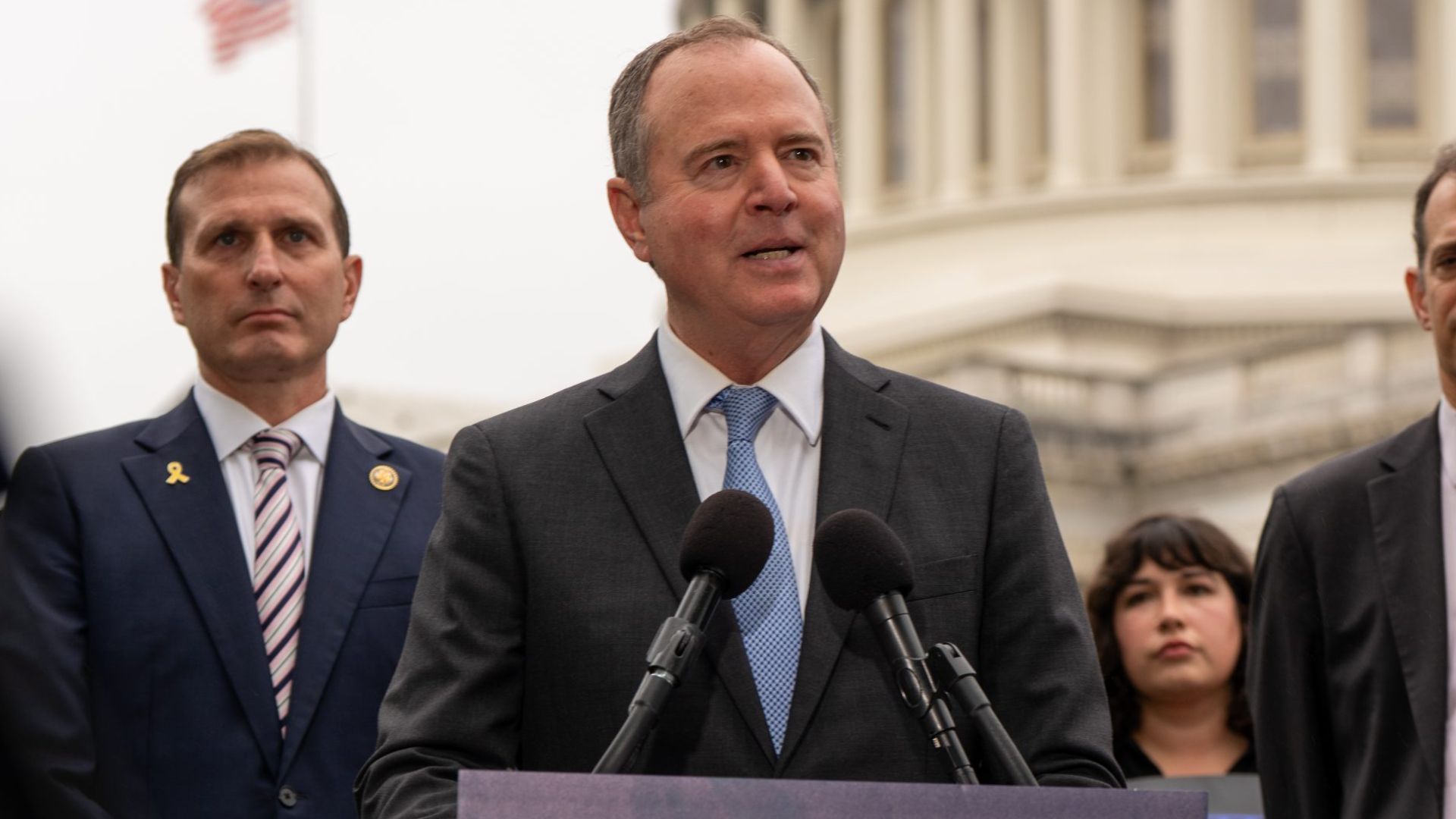
California – California Senator Adam Schiff celebrated a major Democratic victory this weekend after his party successfully blocked the Trump administration’s push to secure funding for a lavish White House ballroom expansion.
The prominent California Democrat, known for his relentless criticism of President Trump, hailed the development as a significant check on what he described as fiscal irresponsibility and potential conflicts of interest.
Schiff, one of the most vocal opponents of the project, took to social media and public statements to praise the Senate parliamentarian’s ruling that prevented the roughly $1 billion in proposed Secret Service upgrades from being attached to a larger spending package.
BREAKING: An important victory in stopping $1 billion of your tax dollars from being used to pay for Trump’s golden ballroom.
But the fight is not over, as Senate Republicans promise to keep trying.
They will fight for Trump’s ballroom, but not to help you make ends meet. https://t.co/sOxlBqtJoU
— Senator Adam Schiff (@SenAdamSchiff) May 17, 2026
But Trump is pushing and the current roadblock is just a temporary one, as pressure now mounts on Senators.
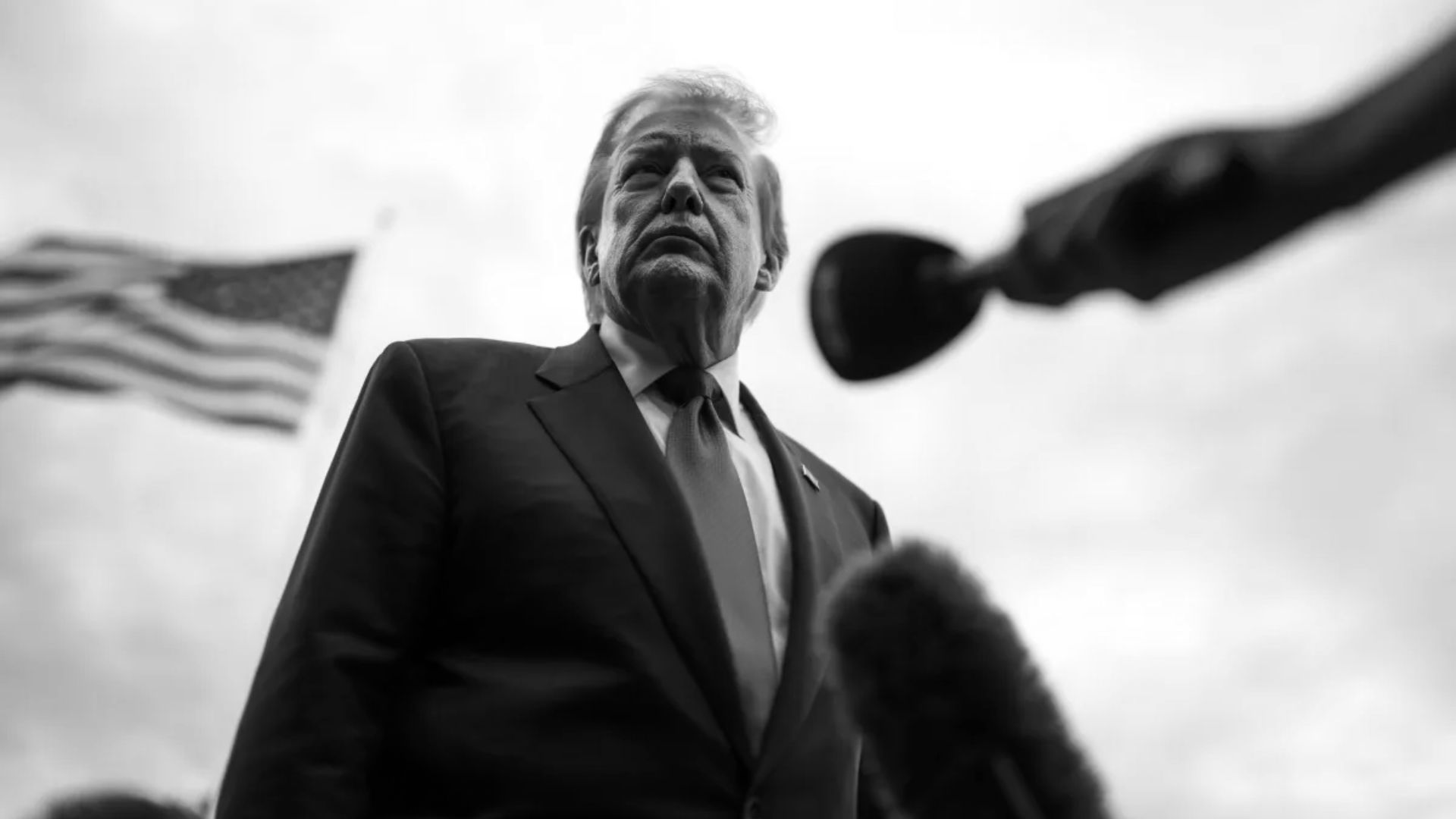
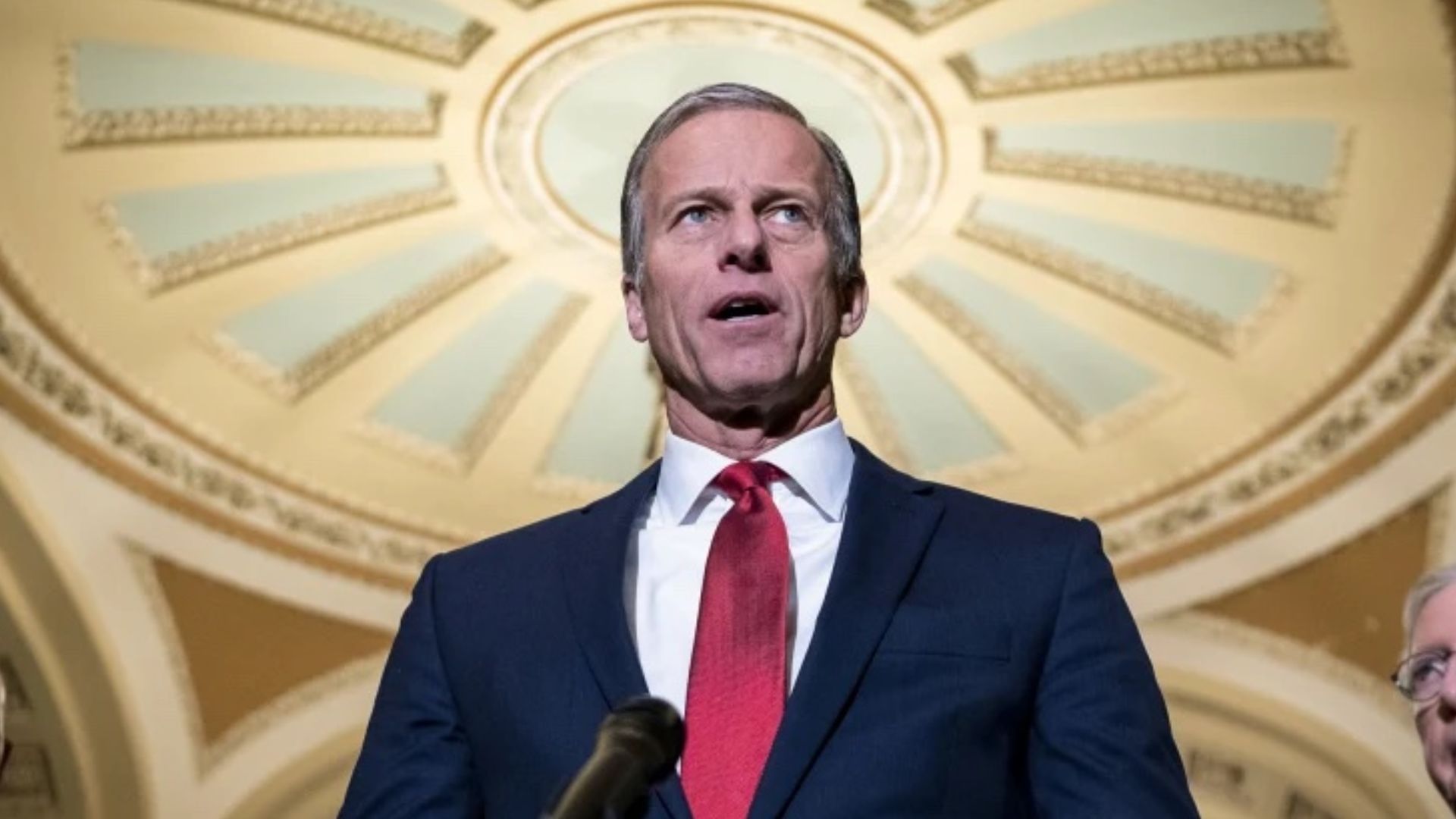
President Donald Trump’s push to secure funding connected to his planned White House ballroom has opened a new fight inside the Senate, placing Majority Leader John Thune between the president’s frustration and the chamber’s long-standing rules.
The latest dispute centers on Senate Parliamentarian Elizabeth MacDonough, the nonpartisan official who advises senators on whether proposals meet the chamber’s procedural standards.
According to NOTUS, Trump pressed Thune to remove MacDonough after she ruled that Republicans could not include funding tied to the ballroom project in a party-line budget bill as the provision was written.
The ruling dealt a sharp setback to Republicans’ effort to fold the money into reconciliation legislation, a fast-track budget process that allows certain bills to pass with a simple majority and avoid the Senate’s usual 60-vote threshold.
MacDonough determined that the ballroom-related language did not comply with the Byrd Rule, which is designed to keep non-budget matters out of reconciliation bills.
Trump, according to sources familiar with the matter cited by NOTUS, called Thune on Monday to complain about the decision.
Semafor first reported the call between the president and the Senate GOP leader, while NOTUS reported that Trump wanted MacDonough fired over the ruling.
At the heart of the fight is a larger Republican effort to include $1 billion in Secret Service funding in the filibuster-proof package. Roughly $220 million of that amount is aimed specifically at security needs related to the East Wing ballroom project.
Trump has said the ballroom itself will be built with private donations, but Republicans have sought to attach federal security money to the broader legislative package.
The funding faces a tougher path after MacDonough’s ruling because Republicans hold a 53-47 Senate majority, short of the 60 votes needed outside reconciliation.
Thune, however, made clear he was not prepared to remove the parliamentarian. Asked by NOTUS whether he would entertain the idea of firing MacDonough, the South Dakota Republican answered directly.
“No,” Thune said.
“We’re going through a process that we go through every time we have a reconciliation bill and the people on both sides are mad at the parliamentarian. That’s been true.”
Thune also declined to say whether Trump personally asked him to oust MacDonough, telling reporters he does not discuss private conversations.
A White House official offered a similarly tight response, telling NOTUS, “We don’t comment on private conversations that may or may not have happened.” MacDonough did not immediately respond to a request for comment, according to the outlet.
For Republicans, the ruling does not necessarily end the effort. GOP lawmakers said they would revise the proposal and try again, hoping to reshape the language in a way that can survive the parliamentarian’s review.
The process is often slow and technical, but the stakes are high because the broader bill includes major immigration enforcement funding, including $72 billion for Border Patrol and Immigration and Customs Enforcement.
“The discussions with the parliamentarian [are] a back and forth. We, like on many issues, have multiple plans and contingencies for how she may or may not rule,” Thune told reporters earlier in the day.
“It’s a give and take and you take what she suggests or take her opinions and then try and come up with a different way of getting it done.”
That explanation placed Thune firmly in the role of institutional defender, even as Trump allies have shown little patience for procedural roadblocks. The conflict also echoes a similar episode from last year, when Republicans were trying to move Trump’s tax legislation through reconciliation.
At that time, some Trump supporters urged Thune to fire MacDonough after she stripped out several Medicaid provisions. Thune refused then, too, saying he would not overrule or dismiss the parliamentarian.
The new clash shows how one narrow ruling over ballroom-related funding has grown into a larger test of power, patience and Senate tradition. Trump wants the project protected and funded where Republicans believe they can legally do so.
MacDonough has ruled the current language does not fit the rules. Thune, meanwhile, is trying to keep the bill alive without blowing up the referee system that both parties have complained about, and relied on, for years.
For now, Republicans are expected to keep negotiating with the parliamentarian while searching for a version of the proposal that can remain inside the reconciliation package. But Trump’s pressure campaign has already turned a technical Senate ruling into a political flashpoint, with the ballroom project now caught between private promises, public security costs and the limits of what can pass on a simple majority vote.

