
Ohio – A Republican lawmaker from Ohio is now moving one step ahead against Sen. John Thune, warning that the Senate Majority Leader must either start delivering for his party or “step aside”.
Republican frustration on Capitol Hill has spilled into the open after what lawmakers described as a bruising and chaotic week, with Senate Majority Leader John Thune of South Dakota now facing sharp pressure from members of his own party.
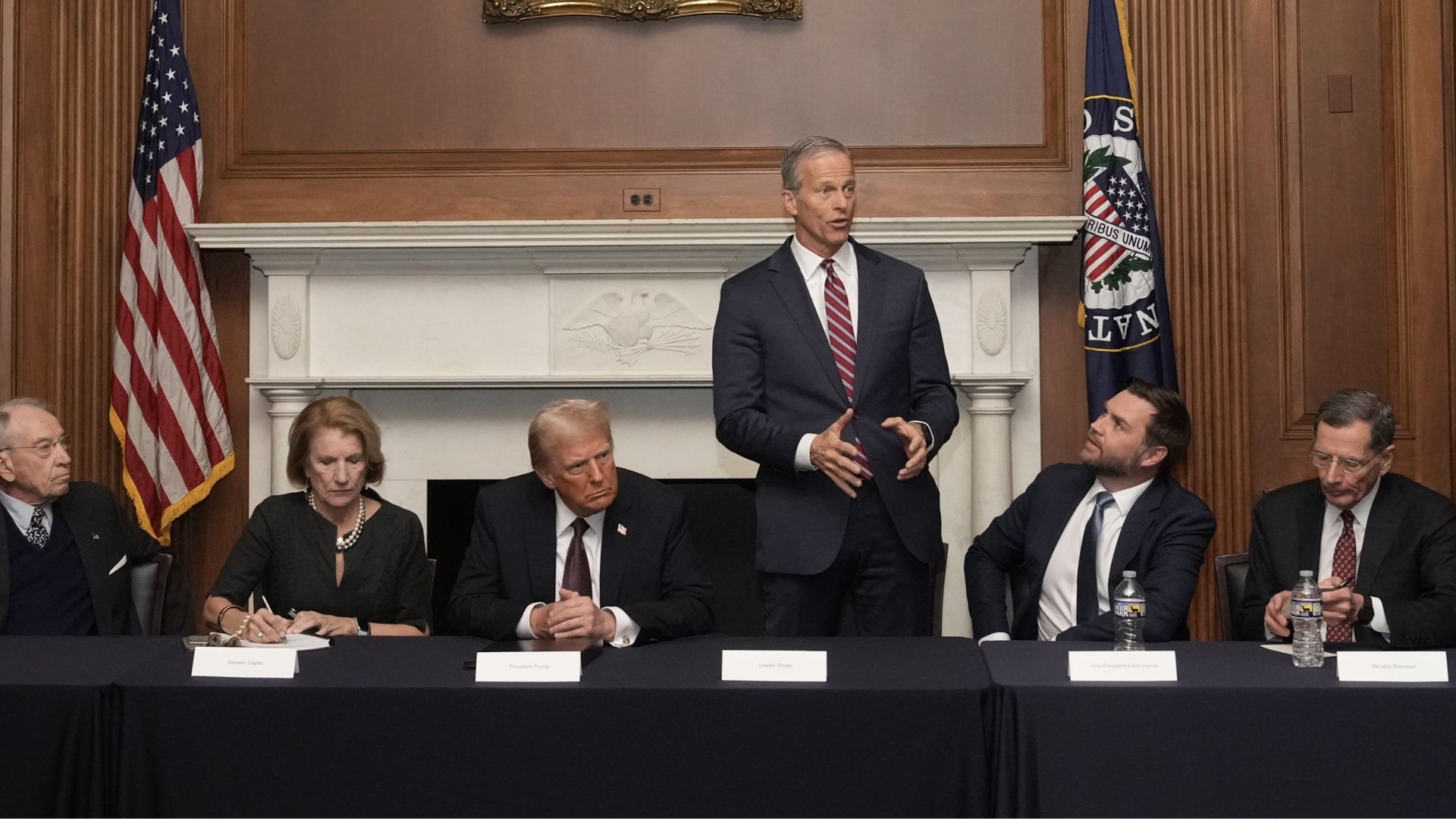
According to Punchbowl News, House Republicans are angry after days of political strain over two sensitive issues: a temporary extension of a mass surveillance program and a funding package for the Department of Homeland Security.
Both matters carried heavy political weight for the GOP, and both moved forward only after compromises that left some Republicans deeply unhappy.
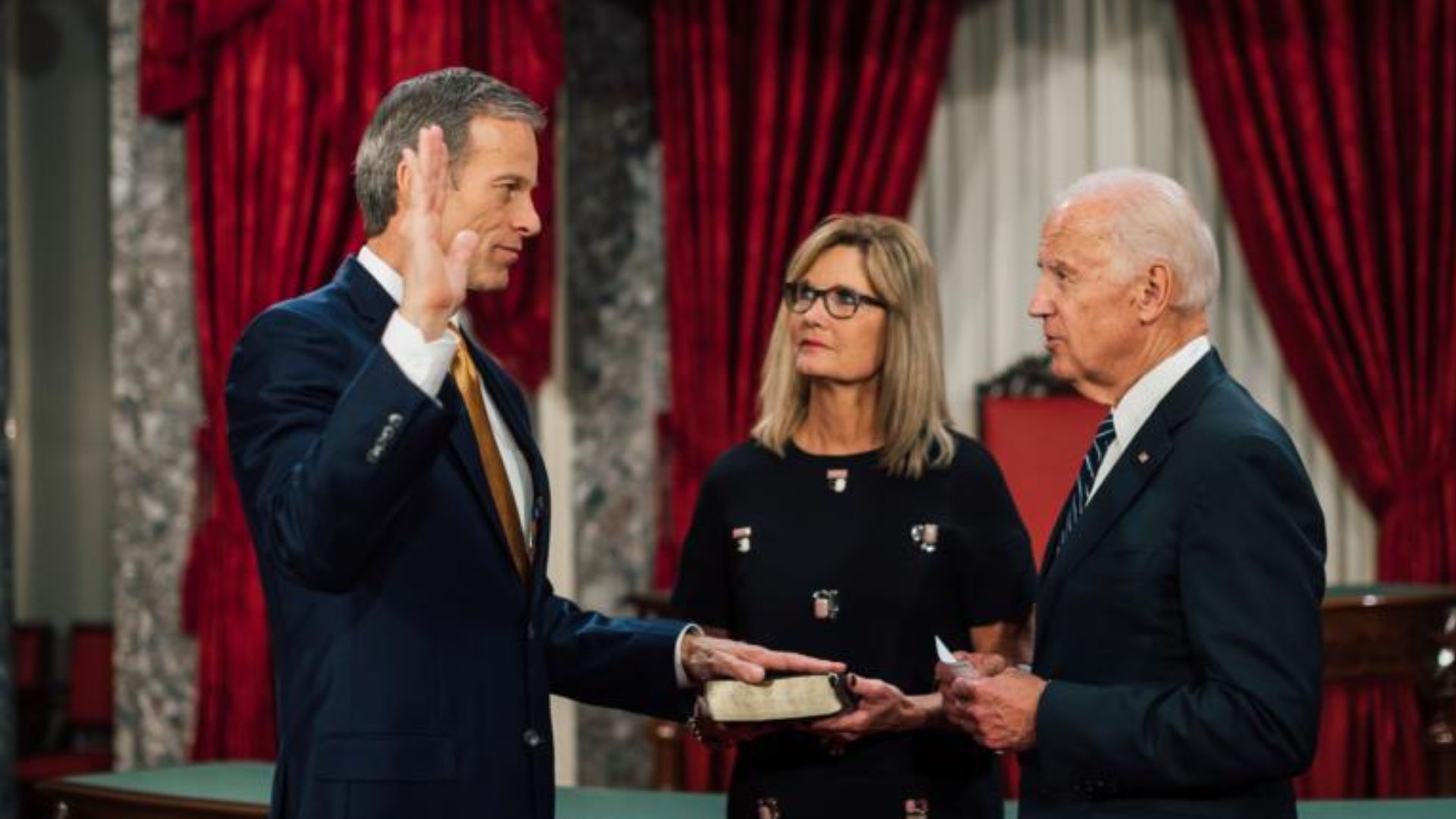
The result was a week that Punchbowl News described as “absolutely brutal,” a stretch of deadlines, internal disagreements and high-stakes votes that exposed widening tension between House Republicans and Senate leadership.
For some members, the problem was not only the outcome. It was the way the party arrived there.
The Republican-controlled House eventually advanced a short-term extension of the surveillance program. It also pushed through a DHS funding package.
But the DHS measure came without funding for federal immigration enforcement agencies, a detail that fueled fresh outrage among conservatives who wanted a tougher position.
That anger quickly turned toward Thune.
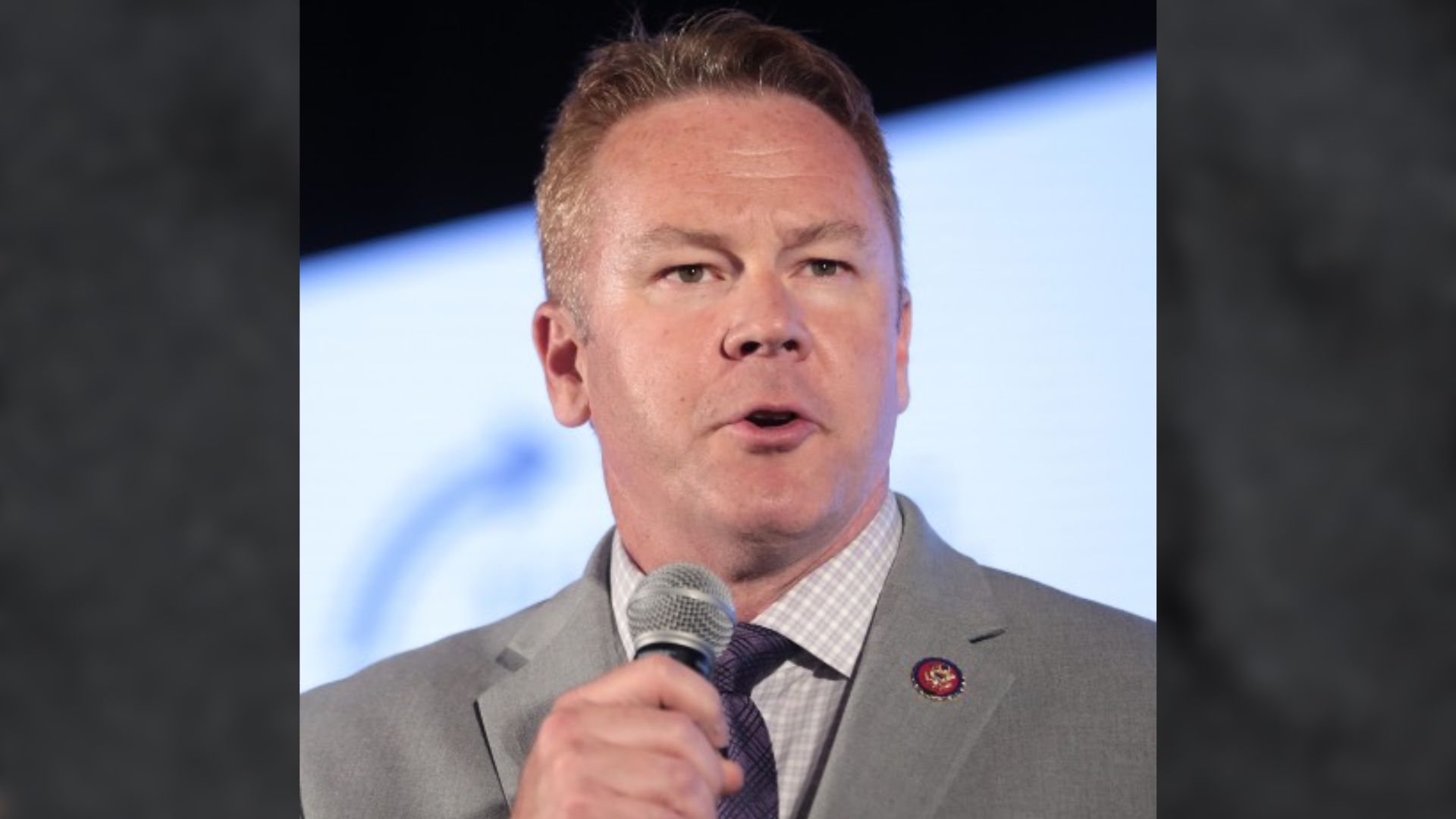
Rep. Warren Davidson of Ohio delivered one of the strongest rebukes, accusing the Senate leader of failing to take charge at a moment when Republicans needed direction.
“John Thune asked to be the leader of the Senate but he is not leading,” Davidson told Punchbowl News.
“He keeps throwing up excuse after excuse. … Anyone can find an excuse. Leaders find a way. And it’s time for John Thune to do that or step aside.”
The statement landed like an ultimatum.
It also reflected a larger mood among House Republicans who believe the Senate has weakened their position through compromise, delay or both.
Thune had already drawn criticism in late March after working with Senate Democrats on a compromise version of a DHS spending bill. That bill later failed to satisfy House Republicans, deepening suspicion among conservatives who wanted stronger guarantees before accepting any final deal.
When Punchbowl News noted the criticism directed at him, Thune did not appear eager to escalate the fight.
“Yeah,” Thune responded, according to the outlet, before adding that he probably should not say more.
That brief response did little to quiet the anger.
Punchbowl News reported that other Republicans were also upset with the situation.
Rep. Ann Wagner of Missouri was described as “furious,” while Rep. Lauren Boebert of Colorado was described as “angry.” Their frustration pointed to a broader Republican problem: even when the party manages to move legislation forward, the internal cost can be steep.
The fight over DHS funding was especially sensitive because immigration enforcement remains one of the party’s central political issues.
For House Republicans already under pressure from their base, advancing a package without funding for federal immigration enforcement agencies created an uncomfortable message. It looked, to critics, like the party had given ground on one of its biggest promises.
The surveillance extension added another layer of tension.
Mass surveillance programs have divided Republicans for years, with some members defending them as national security tools and others warning that they threaten civil liberties. Extending such a program, even temporarily, was never going to be simple. Doing it during the same week as a bitter DHS fight only made the pressure worse.
By the end of the week, Republicans had avoided total collapse on the legislative front. Measures moved. Deadlines were addressed. But the party’s internal relationships looked more strained than before.
The message from angry House Republicans was clear: they want stronger leadership from Thune, and they want it quickly.
The pressure on Thune
The flashpoint is the SAVE America Act, a House-passed voter ID and election security bill that President Trump has made a top priority.
Senate Majority Leader John Thune has brought the measure to the floor for debate, but he has resisted calls from Trump allies to force a “talking filibuster” or change Senate rules to bypass the 60-vote threshold. Thune has argued that Republicans do not have the votes and that such tactics would create expectations the conference cannot realistically meet.
Trump has publicly increased pressure on Thune, saying the Senate leader “has got to be a leader” and find a way to pass the bill.
That criticism has been echoed by House conservatives and MAGA-aligned influencers, some of whom have promoted online campaigns questioning whether Thune should remain in leadership.
The backlash has also spread among House Republicans frustrated by recent Senate actions.
Rep. Nancy Mace of South Carolina called Thune “a thorn in the side” of the Republican Party during disputes over a Senate-passed DHS funding bill that many House Republicans rejected. Other GOP lawmakers, including Reps. Andy Ogles, Keith Self and Greg Steube, have accused Thune of staging performative votes while failing to put enough pressure on Democrats.
Thune has pushed back against the criticism, accusing opponents of creating “false expectations” about what can be achieved under current Senate rules.
But Trump allies, including Sen. Mike Lee of Utah, continue to argue that Thune is protecting the filibuster at the expense of the party’s agenda, underscoring a widening rift between Senate Republican leadership and the party’s pro-Trump wing.
For now, Thune remains in place. But the warning from Davidson and the anger reported by Punchbowl News show that patience inside the GOP is wearing thin. The party may have survived a difficult week, but the political damage is still unfolding, and the next fight could arrive before the last one has cooled.

