
New York – Republicans in New York are heading into a volatile political stretch with fresh signs of strain on two fronts: a recruitment setback in a key congressional race and a surge of public anger spilling into open confrontation at GOP town halls.
The developments offer a snapshot of a party trying to defend narrow ground in a state where Democratic energy appears to be rising as the 2026 midterms move closer.
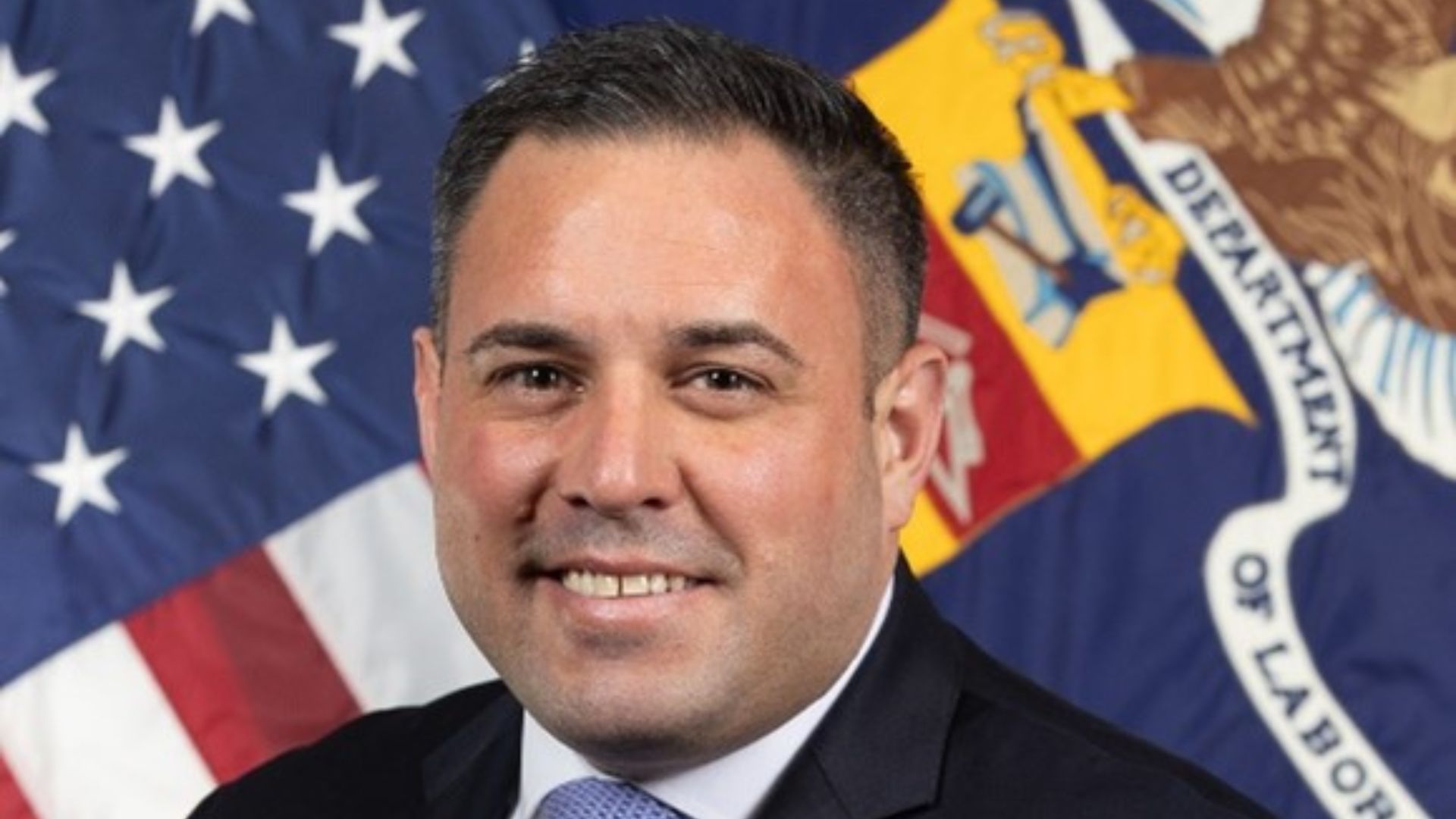
The first blow came in Long Island’s Democratic-held district, where Republicans had spent months watching Anthony D’Esposito weigh a comeback bid against Rep. Laura Gillen, who won the seat in November 2024.
According to the New York Times, D’Esposito, now serving as President Donald Trump’s inspector general at the Department of Labor, ultimately decided against entering the race, ending a long period of uncertainty that had frustrated party figures hoping for a stronger, more recognizable contender.
His decision left Republicans scrambling to regroup behind a different candidate, Nassau County tax receiver Jeannie Driscoll, who launched her campaign as D’Esposito stepped aside.
The timing made the shift feel less like an orderly transition and more like a forced adjustment, especially for local Republicans who had clearly been waiting on another answer.
“This wasn’t planned — put it that way,” former Congressman Peter King, a longtime figure close to New York Republican leadership, said of the change.
He did not hide the disappointment surrounding D’Esposito’s exit, describing him as the preferred option for many in the party.
At the same time, King tried to steady the moment by voicing support for Driscoll, saying, “It’s not the ideal race. Anthony is obviously everyone’s first choice, but Jeanine is more than a second choice. She’s a good candidate.”
Even so, the episode exposed a deeper anxiety inside Republican circles.
With one of the narrowest House majorities in modern history, the GOP has little room for disorder, hesitation, or weak recruitment in battleground districts.
Seats in New York have become especially important to the broader national fight for control of Congress, and any sign of instability lands harder in that context.
That broader instability was visible in another part of New York, where Rep. Mike Lawler faced a furious crowd at a recent town hall that turned into a vivid display of the anger now confronting Republican incumbents.
The event quickly moved beyond routine constituent criticism. Boos, jeers, and interruptions dominated the room, turning what should have been a controlled public appearance into a politically damaging scene.
“The Republican Party is morally bankrupt” a man shouts as he is being escorted out of a town hall hosted by Congressman Mike Lawler in the lower Hudson valley pic.twitter.com/j49Nb0eojf
— Robert Jimison (@RobertJimison) April 12, 2026
The outrage centered heavily on Trump, but it also widened into a broader indictment of Republicans seen by critics as unwilling to challenge him, even while presenting themselves as practical or moderate in their home districts. For many in the room, the issue was not simply disagreement over messaging. It was the belief that elected Republicans were helping sustain an agenda their own communities increasingly reject.
The conflict over Iran sharpened those tensions.
Lawler defended a hawkish stance during the event, arguing that “we need to do everything we can to ensure that this regime never gets a nuclear weapon.” But that position only seemed to inflame the audience further, particularly among constituents who view the administration’s posture as dangerous and potentially catastrophic.
One of the night’s most explosive moments came when a man being escorted from the event unleashed a blistering attack on both Trump and the Republican Party.
As he was removed, he shouted that the party was “morally bankrupt” and led by “spineless liars,” drawing applause from others in attendance. He then turned his fury directly toward Trump, yelling, “You must impeach. He’s a fraud, he’s corrupt, he’s an incompetent psychopath.” He continued, “The Republican Party and you are enabling him…. He makes genocidal threats against millions of innocent Iranian civilians…. Don’t be spineless, impeach him!”
Another attendee, identifying herself as a “military mother,” confronted Lawler in more measured but equally severe terms.
“Respectfully, you have abdicated your responsibility to the majority of the constituents in District 17,” she said. “You have in fact endangered our young people, our service members of our country and killed civilians by not standing up to Trump on this unjustified war.”
The two episodes tell a larger story about where New York Republicans find themselves.
In one district, a prized potential challenger stepped away and left party leaders adjusting on the fly. In another, a sitting Republican was met with a level of public fury that suggested dissatisfaction is no longer simmering quietly.
As the midterm map begins to take shape, Republicans are confronting not just the challenge of finding the right candidates, but the harder task of persuading uneasy voters that they still deserve to be heard.

