
New York – Tensions spilled into open confrontation during Rep. Mike Lawler’s recent town hall in New York, where a wave of boos, jeers, and angry interruptions made clear that many in the room were not there to offer polite disagreement.
They came carrying frustration.
The reason is mainly Donald Trump, but also the widening U.S.-Israeli war on Iran, and over what they see as Republican lawmakers refusing to challenge an administration they believe is dragging the country deeper into chaos.
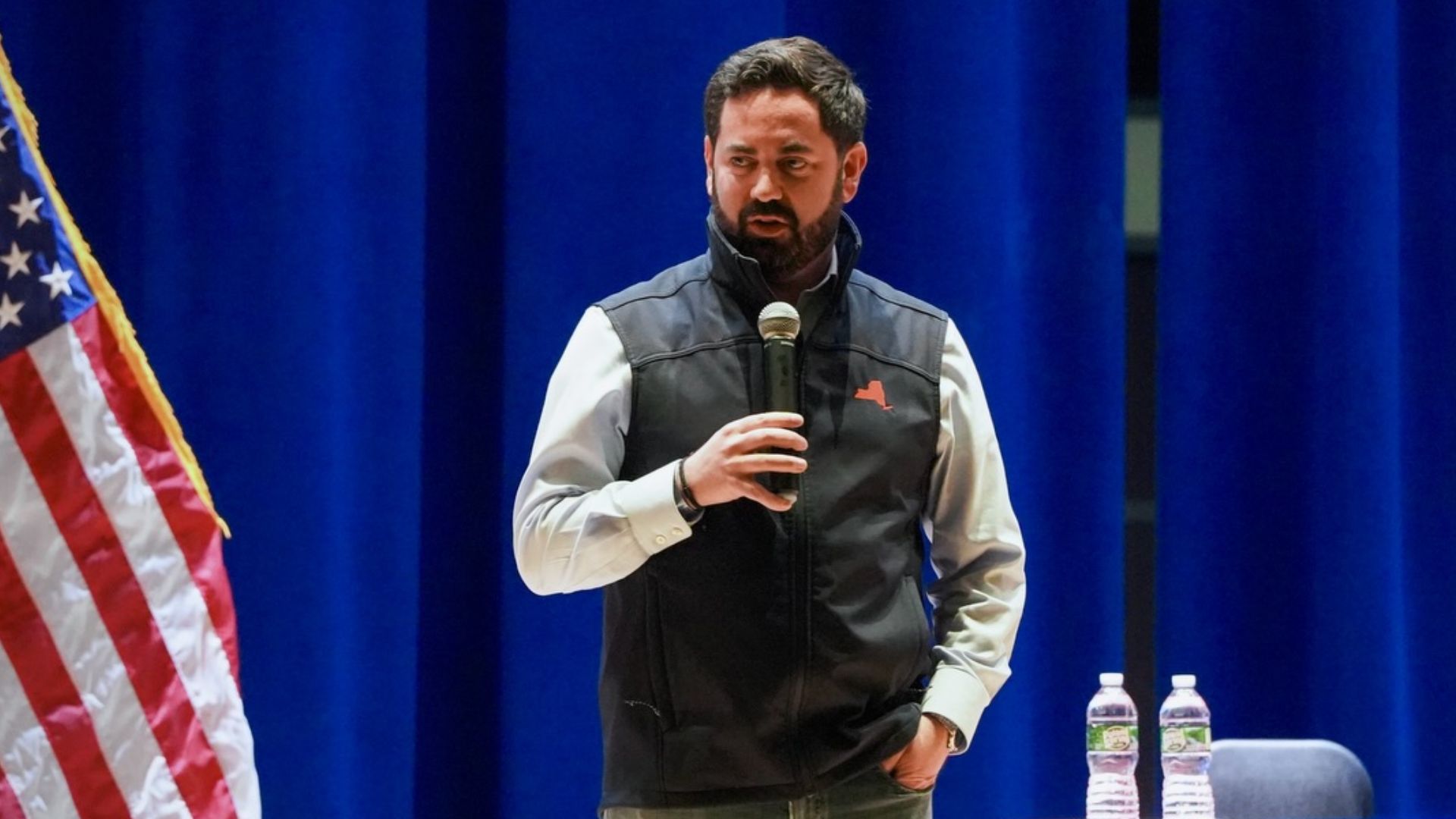
The backlash did not center only on policy.
It carried a sharper accusation: that elected Republicans who present themselves as pragmatic or moderate are, in practice, helping sustain a political project their own voters increasingly reject.
For critics in Lawler’s district, that gap between branding and governing has become impossible to ignore.
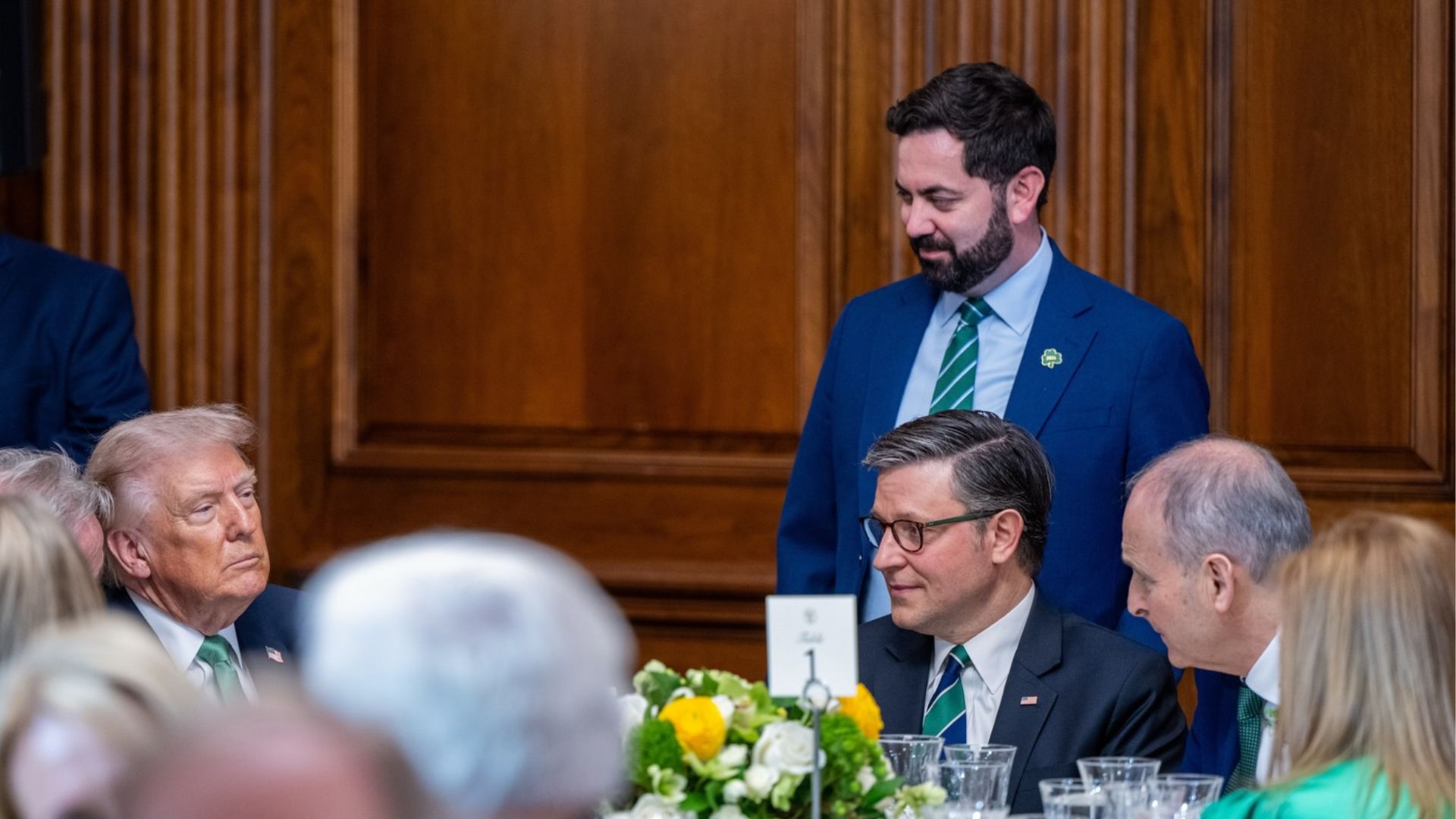
Lawler, who has often described himself as a moderate, stood by his position during the event and defended a hard line on Iran.
According to The New Republic, At one point, he said that “we need to do everything we can to ensure that this regime never gets a nuclear weapon.”
That message, however, did little to settle the room. If anything, it appeared to intensify the anger of constituents who see the current war posture as reckless, costly, and deeply dangerous.
One of the most dramatic moments came when a man in attendance was escorted out after delivering a furious denunciation of both Trump and the Republican Party.
As he was being removed, he shouted that the party was “morally bankrupt” and led by “spineless liars,” drawing cheers from others in the crowd. He then directed his anger at the former president, yelling, “You must impeach. He’s a fraud, he’s corrupt, he’s an incompetent psychopath.” He continued, “The Republican Party and you are enabling him…. He makes genocidal threats against millions of innocent Iranian civilians…. Don’t be spineless, impeach him!”
That outburst captured the raw tone of the evening, but it was not the only pointed criticism Lawler faced.
Another constituent, identifying herself as a “military mother,” confronted the congressman with an accusation that cut straight to the human cost of war.
“Respectfully, you have abdicated your responsibility to the majority of the constituents in District 17,” she told him. “You have in fact endangered our young people, our service members of our country and killed civilians by not standing up to Trump on this unjustified war.”
“The Republican Party is morally bankrupt” a man shouts as he is being escorted out of a town hall hosted by Congressman Mike Lawler in the lower Hudson valley pic.twitter.com/j49Nb0eojf
— Robert Jimison (@RobertJimison) April 12, 2026
Taken together, those exchanges painted a picture of a district boiling over, not only with partisan resentment, but with fear about where the conflict with Iran could lead.
The anger in the room suggested that, for many voters, this is no longer an abstract foreign policy debate. It is about whether their representatives are willing to resist escalation or whether they will continue falling in line behind Trump-era politics, even as public exhaustion grows.
That same frustration has also been aimed at Sen. Lindsey Graham, one of Trump’s most reliable allies and one of the loudest voices urging a more aggressive posture toward Iran.
Graham, a staunch Trump supporter, drew immediate backlash after calling on Trump to “finish the job” in Iran. Critics blasted the remark as extreme and out of step with a public increasingly weary of war and eager to see the conflict stopped, not expanded.
The response online and beyond was swift and scathing, with some telling Graham to “show us how it’s done, join the military.”
The political danger for Republicans is that these moments are beginning to connect.
Lawler’s bruising town hall and the backlash to Graham’s rhetoric both point to the same growing fault line: a widening distance between hawkish Republican leaders and Americans who do not want another open-ended war.
What erupted in that New York room was more than a noisy local confrontation. It was a warning flare from voters who believe their voices are being ignored, and who may be preparing to answer at the ballot box.

