
North Carolina – Across key battlegrounds like North Carolina and Georgia, a quiet but consequential shift has been unfolding inside Republican ranks.
One that reflects a party grappling with internal strain and an uncertain political horizon.
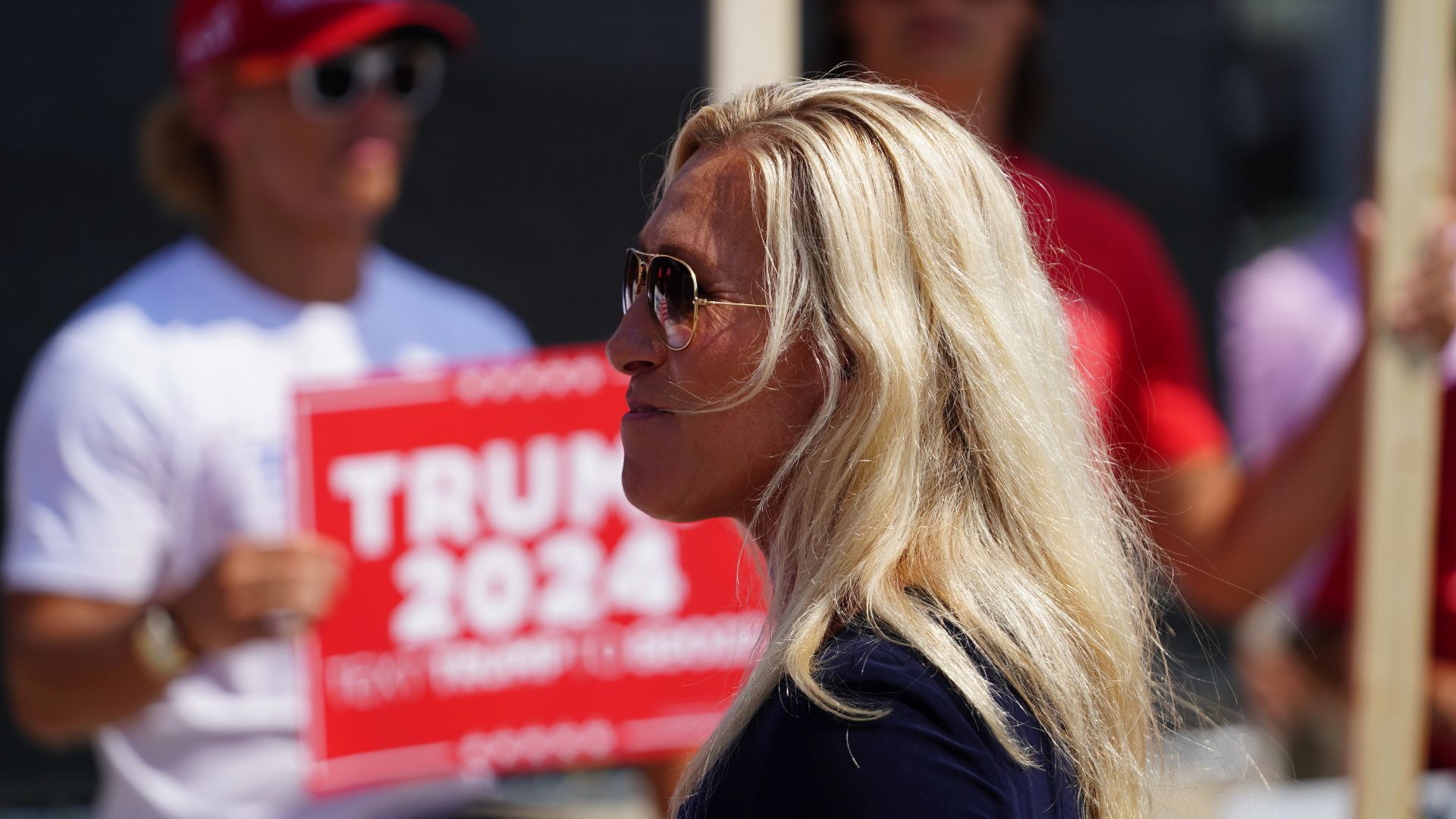
Over the past year, a growing number of GOP state lawmakers have chosen to step away rather than continue navigating what some describe as an increasingly volatile environment shaped by former President Donald Trump’s influence.
In total, more than a dozen Republican leaders in state legislatures have exited their posts within roughly 14 months, a trend that stretches across states such as Wisconsin, Iowa, North Carolina, and Georgia.
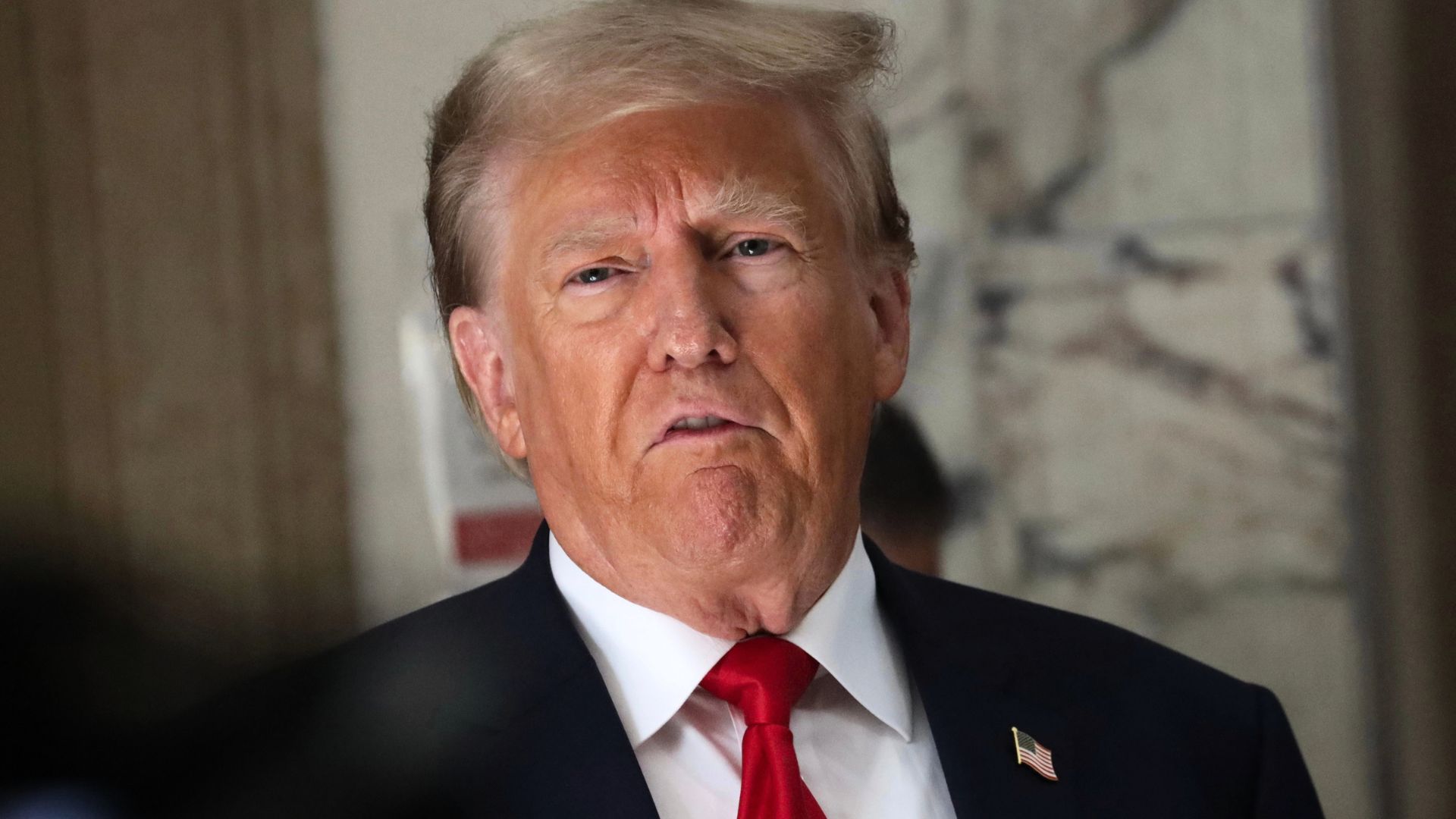
The pattern, as Raw Story reports, mirrors developments at the federal level, where dozens of Republican members of Congress have also opted against seeking reelection.
Together, these departures are being interpreted by analysts as a warning sign ahead of upcoming midterm contests.
The underlying tensions are not difficult to trace.
Trump’s political presence continues to dominate the party’s direction, often placing Republican officials in difficult positions. Colorado-based GOP consultant Dick Wadhams captured that frustration bluntly, noting that many within the party feel constantly pushed onto the defensive.
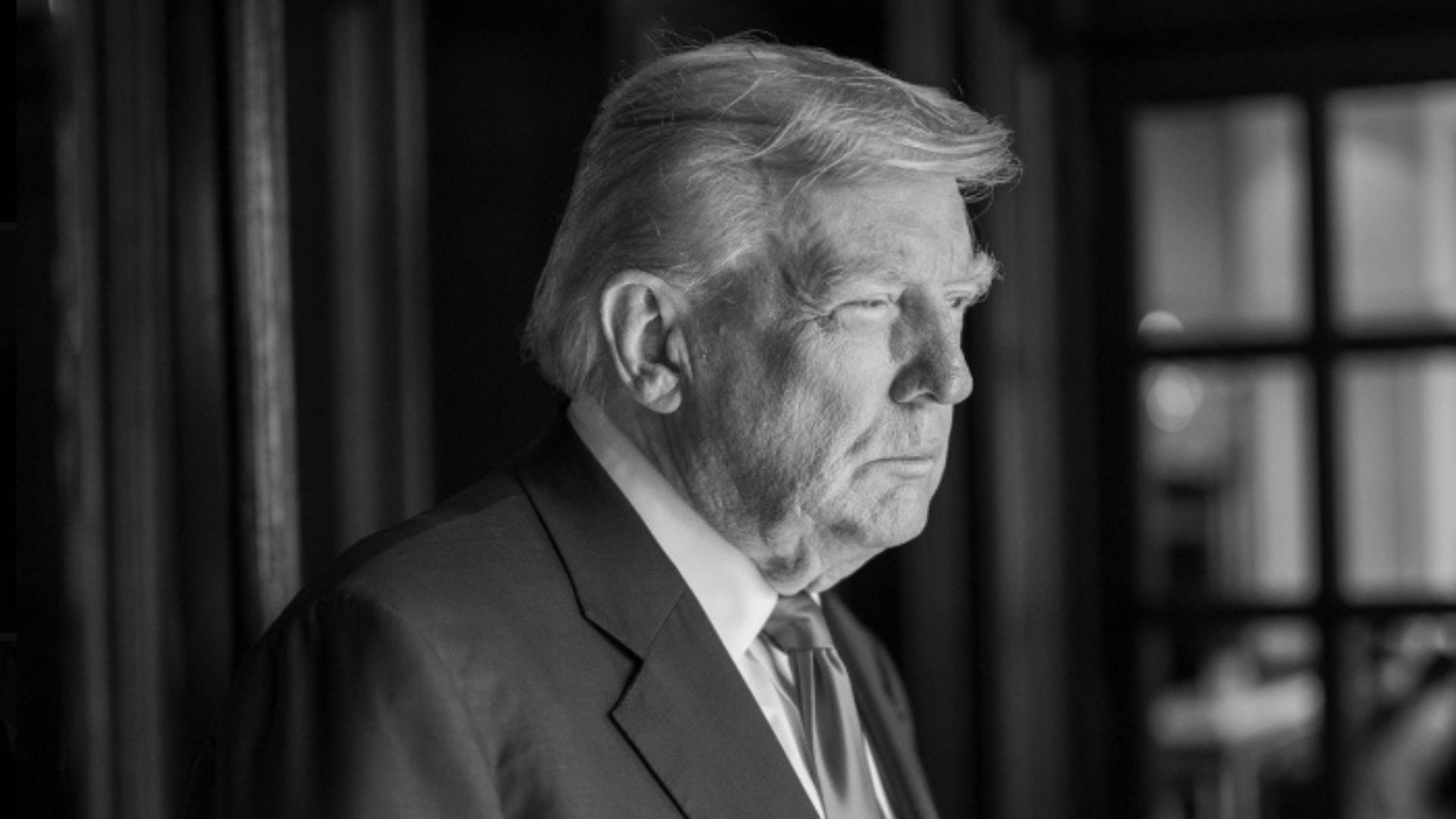
According to him, the strain has reached a breaking point for some, leading to decisions to step aside altogether rather than endure the ongoing turbulence.
“I think he puts Republicans on the defensive with his actions,” said Dick Wadhams, a longtime consultant and a former state GOP chair in Colorado, to Politico. “They can’t stand it anymore.”
Nowhere has the impact been more visible than in Wisconsin.
There, two of the state’s most prominent Republican figures, Assembly Speaker Robin Vos and Senate Majority Leader Devin LeMahieu, recently announced their retirements.
Their exits come at a time when Republicans are already contending with narrow legislative margins following redistricting changes that cost them seats in the last election cycle. The loss of experienced leadership has raised concerns about the party’s ability to maintain control in closely contested chambers.
Democrats, meanwhile, are preparing to capitalize on the moment.
The Democratic Legislative Campaign Committee has committed an unprecedented $50 million toward state-level races, targeting dozens of legislative chambers. Party strategists have openly drawn comparisons to past wave elections, signaling their belief that shifting dynamics could once again reshape control at the state level.
Polling data has added to that sense of vulnerability, with recent surveys in Wisconsin showing Trump’s approval rating lagging and major policy decisions, such as tariffs and foreign conflicts, facing significant public opposition.
As the GOP navigates these internal departures and electoral pressures, a parallel development within the Trump orbit is adding another layer of complexity.
In a recent announcement, Trump assigned Vice President JD Vance a central role in combating what he described as widespread fraud across the United States. Framed in dramatic terms, the move effectively positions Vance at the forefront of a nationwide investigative effort tied to federal spending and oversight.
The designation carries both practical and symbolic weight.
By placing Vance in charge of a broad anti-fraud initiative, the administration is elevating his visibility while also tying him to a politically charged mission. Trump’s emphasis on focusing efforts in Democratic-led states such as California, Illinois, and New York underscores the partisan dimensions of the initiative, which critics argue could deepen existing political divisions.
Historically, titles of this kind, often labeled informally as “czar” roles, have served as double-edged swords. While they can amplify authority and public profile, they also invite scrutiny and criticism, particularly when tied to contentious policy areas. Vance now finds himself stepping into that dynamic, with his responsibilities extending across multiple federal agencies and high-profile investigations.
The broader context surrounding the initiative adds further complexity. Ongoing fraud cases, including a major pandemic-related investigation in Minnesota, highlight legitimate concerns about misuse of public funds.
At the same time, the administration’s rhetoric has intertwined these issues with political narratives, raising questions about how enforcement efforts may be perceived across different communities and regions.
The twin developments, a wave of Republican departures at the state level and the expansion of high-stakes federal roles within Trump’s circle, point to a party in transition. The exits suggest growing discomfort among some GOP leaders, while the administration’s latest moves signal an intensification of political strategy heading into future contests.
As these threads converge, the coming months are likely to test not only the party’s electoral strength but also its internal cohesion.
What is unfolding is not a single moment of disruption, but a series of interconnected shifts that could shape the Republican Party’s trajectory well beyond the next election cycle.

