
South Carolina – Health officials in South Carolina and Georgia have concerns because flu activity continues to increase in both states. Hospitals are seeing a clear rise in cases as winter season progresses.
Doctors warn that the rise is putting more stress on medical institutions and shows how important it is to get care early and prevent illness, especially for people who are at risk.

In the last several weeks, flu cases have gone up a lot in a number of hospitals in South Carolina. Novant Health said that the number of flu cases at Hilton Head Medical Center and Coastal Carolina Medical Center went from around 150 in November to about 300 in December.
Doctors note that this tendency is part of a larger seasonal spike that usually happens after increased travel and indoor events.
Read also: New flu monster evades vaccine in S.C. and Georgia as dozens are dead, hundreds hospitalized
Dr. Shelley Janssen from Novant Health told WTOC that flu symptoms can be hard to tell apart from those of other respiratory infections, like COVID-19 and the common cold.
A sore throat, a runny nose, a cough, and headaches can all be common indicators. She did say, though, that the flu generally makes people feel worse than other diseases.
“Usually, patients will complain of higher fevers, more intense body aches and worse headaches with the flu than with other viruses,” Janssen said.

Doctors point out that kids, older individuals, and people with weak immune systems continue to be the most likely to have major problems. The Centers for Disease Control and Prevention says that so far this season, there have been at least 7.5 million cases of the flu in the US, which has led to about 81,000 hospitalizations and 3,100 deaths.
Janssen warned that people who are at high risk or whose symptoms are getting worse shouldn’t wait to get medical help. If you have trouble breathing, are dehydrated, or can’t move after being sick for a few days, these are warning indicators.
“Generally, those folks should be diagnosed as soon as possible and started on antiviral medications like Tamiflu,” Janssen said. “It’s most effective if started within the first 48 hours of symptoms.”
Read also: S.C. lawmaker exposes Food Stamp theft, wants to end the scam with controversial law
Doctors claim that most people who get the flu can take care of it at home if they are otherwise healthy. Janssen says to rest, drink plenty of water, restrict interaction with other people, and take over-the-counter medicines when needed. She also said that most people can go back to school or work after 48 hours without a fever and without taking any medicine.
Doctors in Georgia are seeing the same things happen as flu cases grow, especially in coastal areas. Memorial Health said that over the past two weeks, they have been admitting an average of four flu patients every day. Officials at the hospital reported that around the same number of adults and children are being admitted.
Dr. Helena Bentley, a pediatrician in Georgia with Kid Care Pediatrics, stated that the seasonal rise is being caused by a number of things, such as more people traveling and flu strains shifting. She said that this year she is seeing more children with worse symptoms than in past seasons.
“The climate that we’re in, we’re seeing an increase in non-vaccinated individuals, and when vaccination rates drop, these illnesses can spread rapidly throughout the population,” Bentley said.
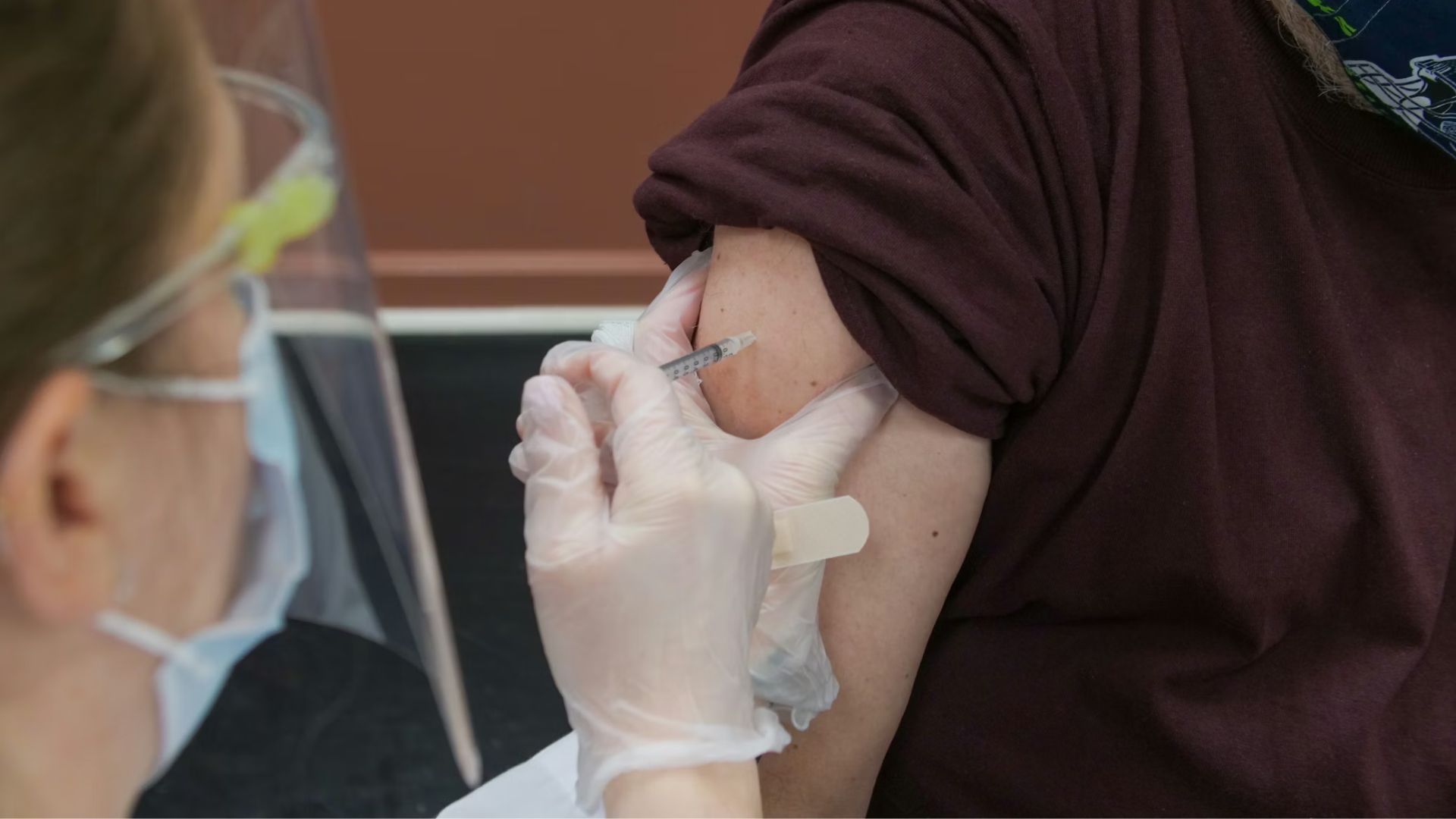
Doctors in both states continue to argue that the best approach to stop the spread of the flu is to prevent it from happening in the first place. Health care providers are advising people to get the flu shot, which is still widely accessible. Families and adults can get free flu shots at many places in Georgia and South Carolina.
Doctors emphasize that awareness, early treatment, and immunization continue to be the best ways to lessen the virus’s effects and protect people who are most at risk as flu season continues.

