
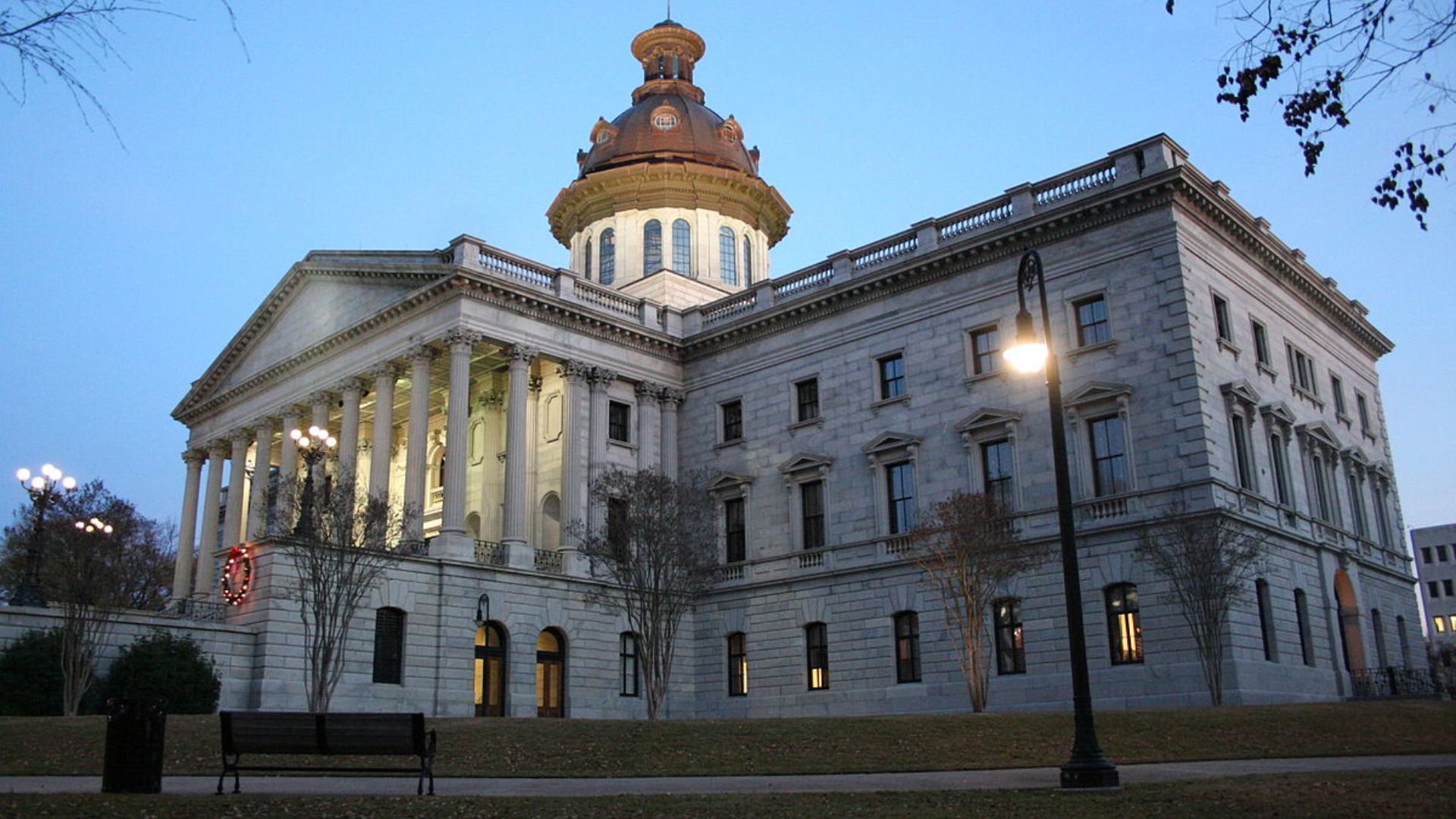
South Carolina – South Carolina lawmakers have taken a significant step toward reshaping the state’s tax structure, approving a sweeping income tax overhaul that now heads to Governor Henry McMaster for final consideration.
The vote came shortly after the House passed a $15.4 billion state budget, setting the stage for a broader debate about how South Carolina collects revenue and how those changes might affect residents in the years ahead.
At the center of the effort is a proposal designed to gradually phase out the state’s income tax while introducing a revised rate structure in the near term.
Under the plan approved by the House, residents earning less than $30,000 annually would be taxed at a rate of 1.99 percent. Those with incomes above that threshold would pay 5.21 percent.
Supporters say the framework represents an important first move toward lowering the tax burden overall as state revenues continue to grow.
The measure has sparked debate across the political spectrum. Some Democrats voiced concern that the changes could place additional strain on households already coping with rising costs of living.
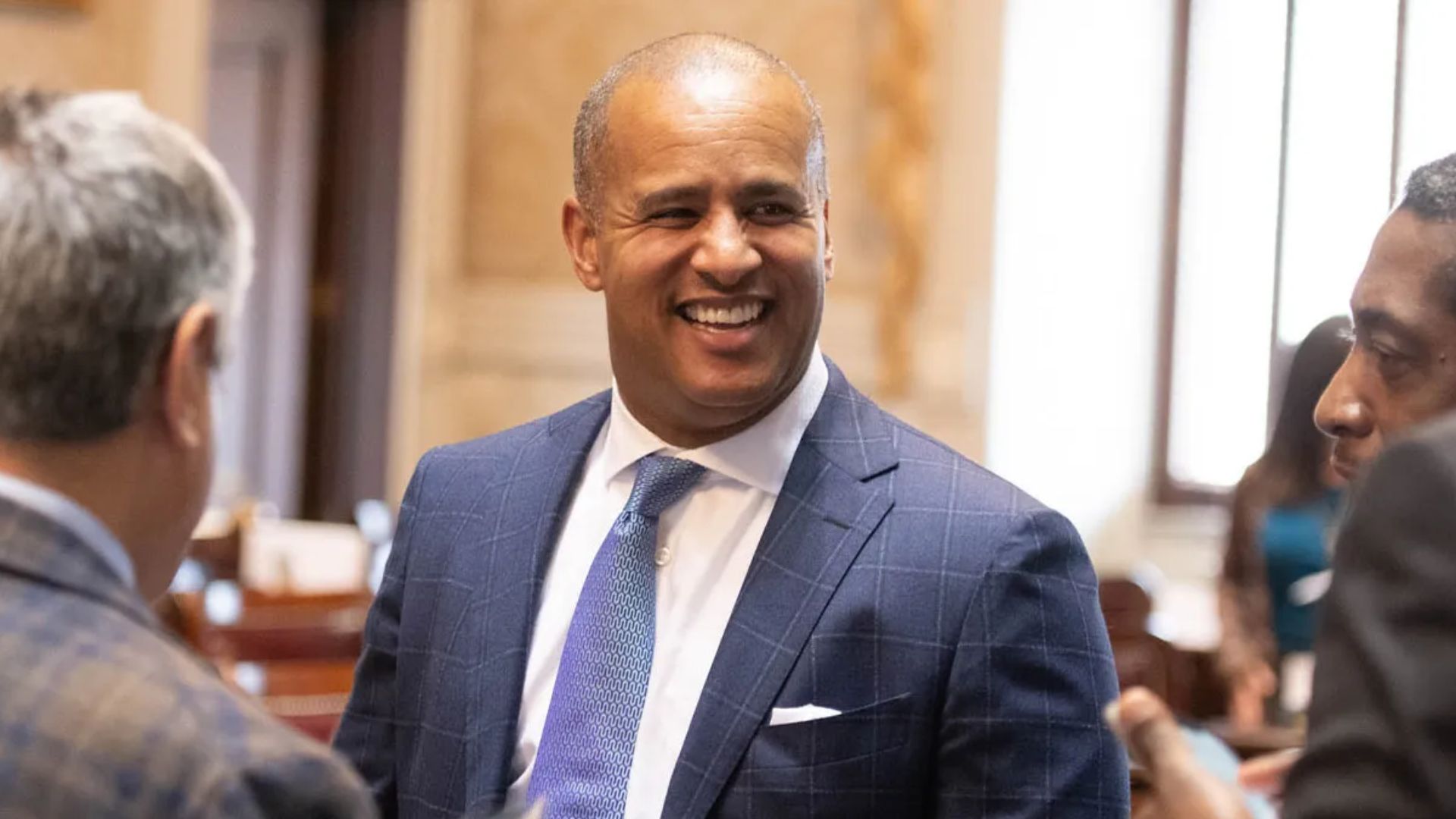
House Minority Leader Todd Rutherford, a Democrat, argued that lawmakers should be cautious about altering tax policy in a way that might increase financial pressure on families.
“Charging someone more on their taxes right now could be costlier than ever before,” Rutherford said during the discussion. “We need to make sure we are not raising people’s taxes and get a better bill in place.”
Analysis from the South Carolina Revenue and Fiscal Affairs Office suggests the proposal could produce mixed outcomes depending on income levels.
According to the agency’s estimates, roughly 22 percent of taxpayers would see their tax bills rise under the new structure. About 34 percent would experience little or no change, while nearly 43 percent would see their taxes decrease in the next fiscal year.
Republican lawmakers backing the bill acknowledge that the transition could affect different taxpayers in different ways but emphasize that the long-term objective is a broader reduction in tax rates.
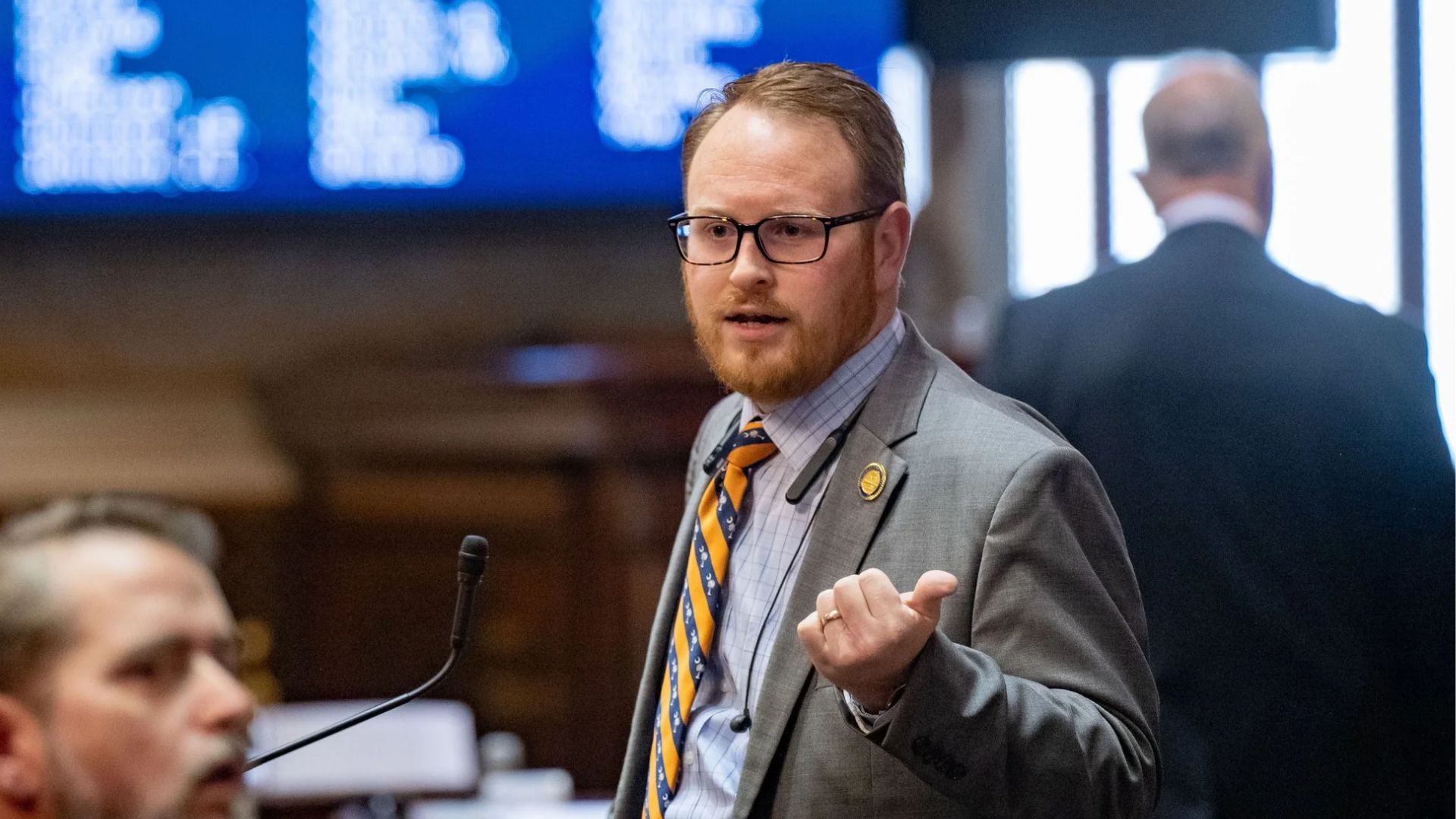
Representative Steven Long, a Republican, described the proposal as a step toward delivering relief for middle-income earners as the state’s economy expands.
“It does potentially adversely impact some filers,” Long said.
“But really, it’s an average tax cut for those who make $50,000 a year, for people who make $75,000 a year, $100,000 — an average tax cut.”
Yet the measure has also drawn skepticism from some members of the conservative wing of the legislature. Representative Jordan Pace of Berkeley County, who chairs the Freedom Caucus, said he supports the goal of eliminating the income tax but questioned whether the approach outlined in the bill is the best way to reach that outcome.
Pace argued that while the proposed rates appear lower, the plan alters the way taxable income is calculated.
The legislation would separate South Carolina’s tax system from the federal structure, removing reliance on the federal standard deduction and replacing it with what lawmakers call the South Carolina Income Adjusted Deduction.
“It does lower the rate,” Pace said, “but when it lowers the rate by getting rid of the federal system, it actually taxes more of your money.”
Alongside the income tax overhaul, House lawmakers also approved a separate measure aimed at aligning state tax law more closely with the federal tax code.
Supporters say the change could provide tangible benefits for taxpayers. Long said the conformity legislation is expected to generate roughly $288 million in savings statewide.
“It’s going to be $288 million dollars in savings for the taxpayers of South Carolina, so I’m really excited about it,” he said.
Still, questions remain about the broader fiscal impact of ongoing tax reductions. Rutherford cautioned that continued cuts could eventually strain the state’s ability to fund essential public services.
“Long term, people need services,” he said. “People are worried about roads, complain about prisons, we complain about our schools, economic development — we can’t complain about all that and continue to cut taxes the way we are.”
While the income tax overhaul now moves to the governor’s desk, the future of the second tax measure remains uncertain. Although the House approved the conformity bill, Senate leaders have not indicated whether they plan to take it up before the legislative session concludes.

