
Spring getaways in Georgia with something new to notice
Spring does not arrive everywhere in Georgia at once. Camellias can be finishing their strongest display while daffodils brighten another garden and roses still have their main season ahead. The best spring getaways in Georgia begin with choosing what you want to see, then letting the timing follow the plants and the place.
These ten destinations mix large gardens, city parks, flower-famous towns, and a coastal island suited to a fresh-air break. Some work as day trips; others deserve a two-night base with enough room for a second walk. Keep bloom expectations flexible and include the landscape, history, or garden design as part of the appeal, so the outing stays rewarding even when flowers vary from the photograph.
1. Callaway Gardens, Pine Mountain
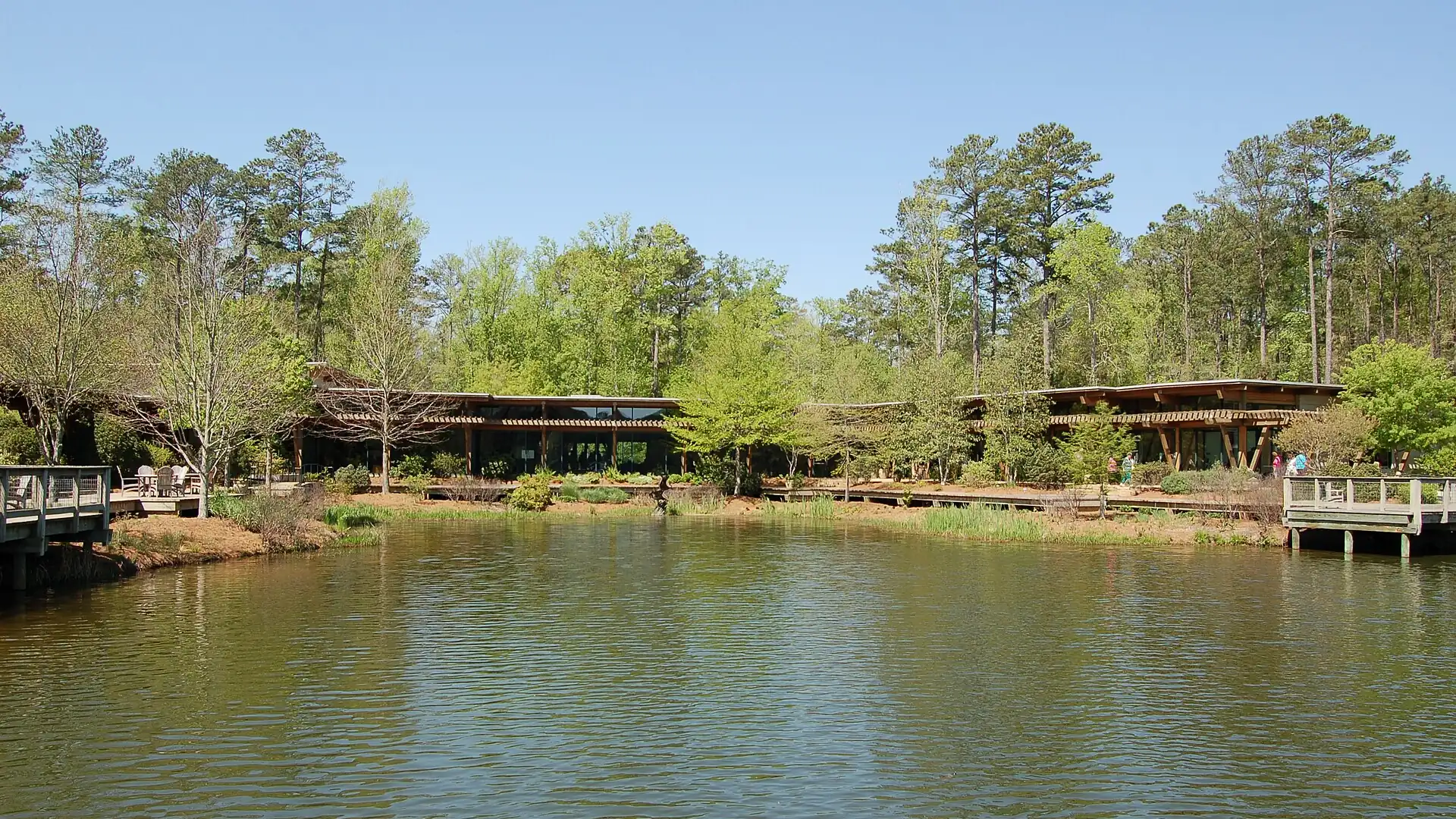
Photo: Tony Crescibene / CC BY-SA 3.0, via Wikimedia Commons
Callaway Gardens makes spring a reason to explore a large wooded landscape at a walking pace. The Callaway Brothers Azalea Bowl and Overlook Azalea Garden provide specific places to focus on the season’s color, with paths that let you see the planting from more than one angle. Take time to notice the relationship between shrubs, slopes, and the surrounding trees.
The Cecil B. Day Butterfly Center adds a tropical conservatory experience, giving the day variety beyond the outdoor flowers. Choose a few main garden areas and let the visit have room for an unhurried circuit, especially if you are traveling with children. Spring’s azalea period is a natural focus, with weather and individual varieties influencing how much is blooming on a particular day.
Insider tip: Choose a small group of garden areas to explore carefully so you can enjoy the planting without turning the day into a race across the property.
Where: Pine Mountain, Georgia
2. Atlanta Botanical Garden, Atlanta
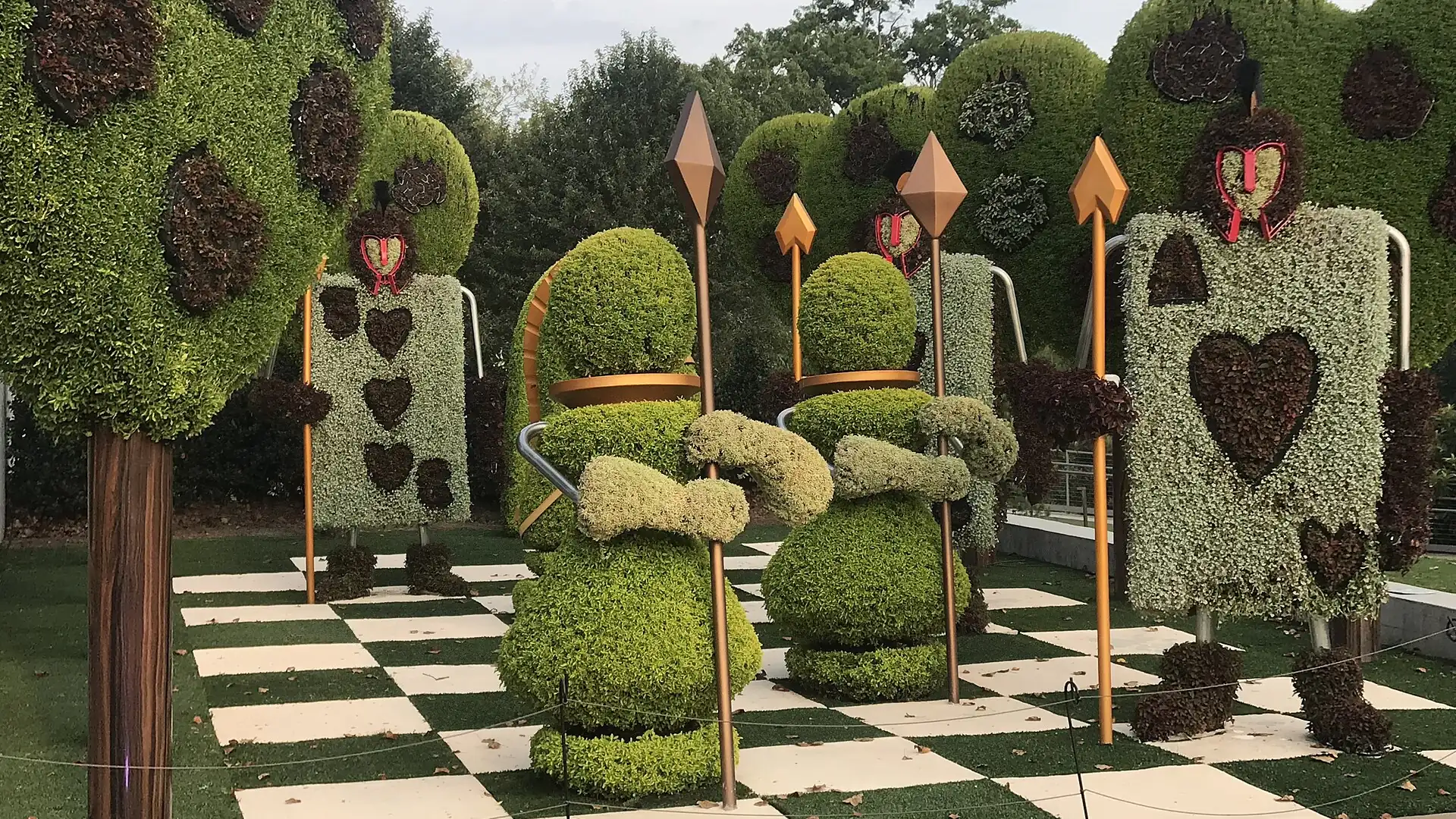
Photo: NeuroMasood / CC BY-SA 4.0, via Wikimedia Commons
Atlanta Botanical Garden pairs seasonal flower displays with a much broader collection of designed landscapes and plants. Spring tulips provide a familiar burst of color, while the Canopy Walk in Storza Woods offers a different perspective among the trees. The contrast between formal planting and woodland structure gives you several kinds of spring scenery within the same visit.
The conservatory and orchid collections add an indoor focus, useful when you want to balance outdoor walking with a more sheltered experience. Give yourself time for the sections that interest you most, noticing plant labels and the way colors are arranged. Early through later spring brings changing displays, so choose the trip around the broader garden experience as well as one particular flower.
Insider tip: Photograph a plant label after the bloom that interests you so you can identify it later without relying on memory.
Where: Atlanta, Georgia
3. Forsyth Park, Savannah
Forsyth Park gives a Savannah spring visit a generous public landscape around its familiar cast-iron fountain. Live oaks provide the structure, while azaleas add seasonal color around the paths and planted areas. Begin with the broad view, then let a slower circuit reveal how flowers, shade, and the surrounding historic streets work together.
The fountain dates to the nineteenth century, giving the park a historical landmark as well as a seasonal setting. A walk here can become the main outdoor part of a day that also includes Savannah’s squares or a museum, with enough time left for a relaxed pause. Spring favors that combination before the stronger heat of summer, though an individual visit will reflect the year’s bloom pattern.
Insider tip: Walk beyond the fountain after taking the familiar photograph so you appreciate the park as a whole landscape.
Where: Savannah, Georgia
4. Macon
Macon’s Yoshino cherry trees give the city a distinctive spring identity, with pale blossoms changing the appearance of streets and public views. The annual International Cherry Blossom Festival reflects that connection, making the season an established part of the city’s cultural calendar. Come for the trees themselves as well as any organized celebration you choose to include.
Bloom timing varies with winter weather, the location of individual trees, and spring conditions, so a fixed festival date cannot promise a particular stage of flowering. Use lawful public viewing routes and appreciate the variety of the city beyond one concentrated display. Early spring is the natural planning focus, with the historic streets and Ocmulgee River setting giving a longer stay substance even when blossoms are earlier or later than expected.
Insider tip: Plan several public viewing areas within a manageable outing so the visit does not depend on one tree or one neighborhood being at its best.
Where: Macon, Georgia
5. Gibbs Gardens, Ball Ground
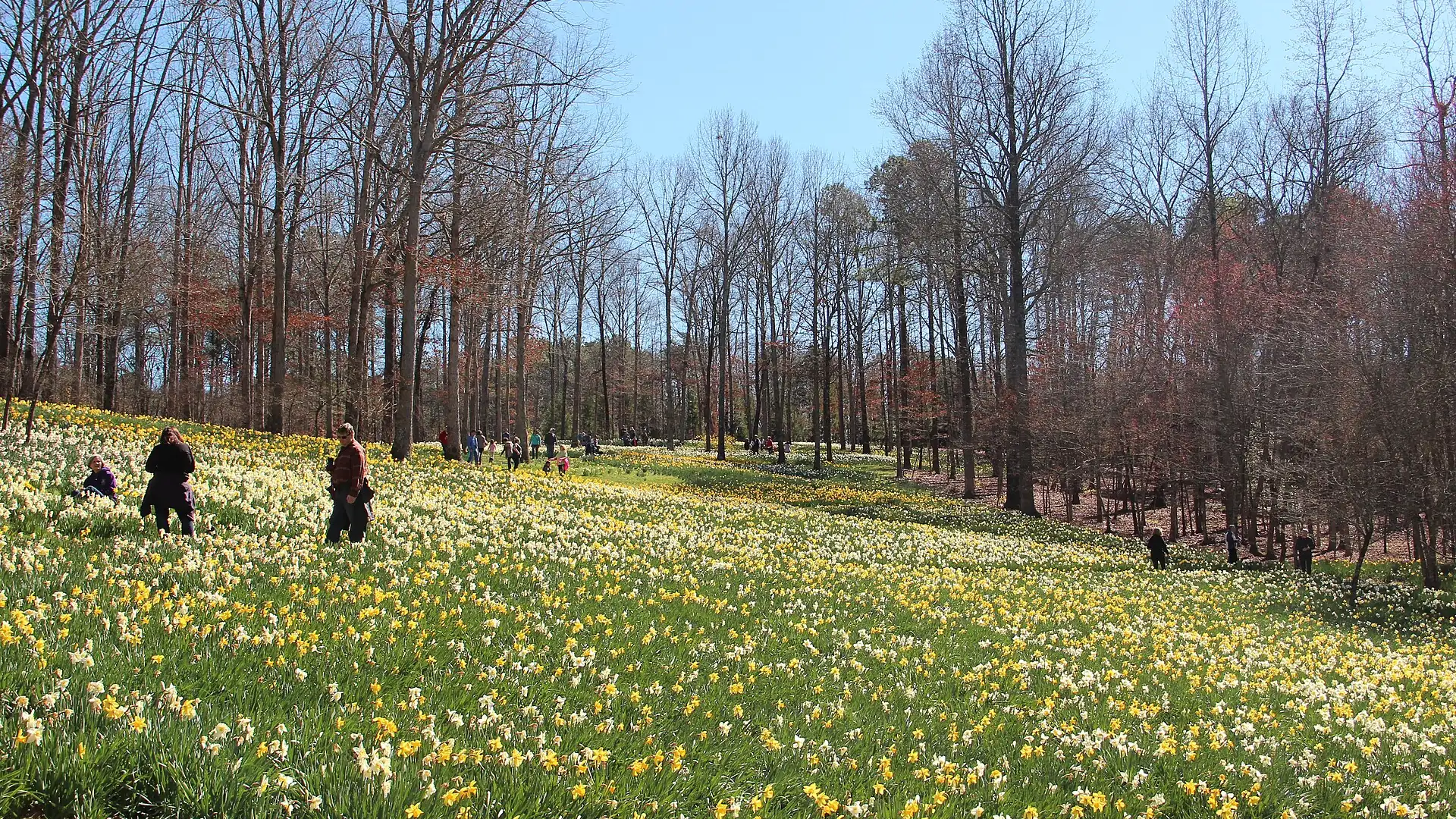
Photo: Thomson200 / CC0, via Wikimedia Commons
Gibbs Gardens is especially well known for daffodils spread across hillsides and valley landscapes. The scale of that planting gives an early-season visit a clear focus, while different varieties create changes in color and flowering stage. Look at both the larger drifts and the individual flowers so the visit has more than one visual rhythm.
The Japanese Hill and Pond Stroll Garden adds a separate setting of water, bridges, stones, and carefully arranged planting. Later seasonal displays provide other reasons to explore, with the garden design remaining interesting beyond the daffodil period. Early spring is the natural choice if daffodils are the priority, while a broader spring visit can emphasize fresh leaves, reflections, and the relationship between the different garden areas.
Insider tip: Choose the flower display that matters most before setting the date, then leave time for another garden area with a different character.
Where: Ball Ground, Georgia
6. Massee Lane Gardens, Fort Valley

Photo: Bill Golladay / CC BY-SA 4.0, via Wikimedia Commons
Massee Lane Gardens gives an early-spring escape a specific botanical focus through its extensive camellia collection. The property is home to the American Camellia Society, with different garden areas reflecting the variety within a flower many travelers know only from a few familiar shrubs. Walk slowly enough to compare form, color, and the plants’ different growth habits.
Brick paths in the historic garden provide a setting shaped over many years, with the collection’s development adding another subject beyond the blooms. The strongest camellia display commonly extends from winter into early spring, making this a different timing choice from a later rose trip. Plan around that seasonal identity and let the visit be a chance to learn something about the plants, not just admire their color.
Insider tip: Bring a notebook or use your phone to record a few favorite cultivar names so the differences remain memorable after the walk.
Where: Fort Valley, Georgia
7. State Botanical Garden of Georgia, Athens
The State Botanical Garden of Georgia brings a wide range of planted and natural landscapes into an Athens spring visit. The Heritage Garden connects plants with the state’s agricultural and cultural history, while the native-flora areas offer a closer look at species associated with the southeastern landscape. Those different subjects give the day depth beyond a general search for flowers.
The Alice H. Richards Children’s Garden adds a clear family-focused option, while woodland routes let you extend the visit at a different pace. Choose the sections that fit your group’s interests and keep enough energy to enjoy the labels and interpretation along the way. Spring is especially appealing for fresh growth and changing blooms, with the sequence varying across the collections and natural areas.
Insider tip: Pair one formal garden area with one natural or woodland section so you notice how the plants and presentation change between settings.
Where: Athens, Georgia
8. Thomasville
Thomasville’s rose-growing identity makes it a distinctive choice for a later-spring getaway. The Thomasville Rose Garden provides a clear place to appreciate the flowers, while the longstanding Rose Show and Festival connect the season with the wider community. Choose the garden as a landscape in its own right, with enough time to notice different colors and flower forms.
The historic downtown and the Big Oak add other reasons to spend a fuller weekend here. You can alternate a flower-focused outing with a public-street walk or a planned museum visit, giving the stay variety without moving bases. Later spring is a useful planning focus for roses, while the precise stage of flowering depends on weather and the individual plants.
Insider tip: Give the rose garden and the downtown walk separate parts of the day so you can enjoy both without rushing through the flowers.
Where: Thomasville, Georgia
9. Jekyll Island
Jekyll Island offers a coastal spring escape where fresh growth and landscaped grounds sit alongside maritime forest and beach scenery. The historic district associated with the former Jekyll Island Club provides a clear place to begin, with older buildings giving a walking visit a strong architectural frame. Seasonal color is one part of a much broader island landscape.
Driftwood Beach supplies a contrasting view through weathered trunks and exposed roots along the shore, making the island rewarding even when flowers are not your main focus. Choose a walk or an appropriate cycling outing that leaves enough time to appreciate the changes between forest, historic area, and beach. Spring often makes outdoor time more comfortable than high summer, with a light layer useful around the coastal breeze.
Insider tip: Keep the historic-district walk and a beach outing in different parts of the stay so you can appreciate their distinct settings.
Where: Jekyll Island, Georgia
10. Barnsley Resort Gardens, Adairsville
Barnsley’s gardens surround the ruins of a nineteenth-century Italianate manor house, giving a spring walk a striking architectural centerpiece. The boxwood parterre adds a formal pattern in front of the surviving structure, making the relationship between garden design and building easy to appreciate. Look at the larger arrangement before focusing on individual plants and smaller details.
The property’s interpretation provides context for the estate and the people connected with it, extending the visit beyond the visual appeal of the ruins. Day visitors can arrange garden access, while an overnight stay creates room for a slower look at the grounds. Spring is an appealing season for fresh growth and comfortable walking, with flowering varying across the garden rather than arriving in one guaranteed display.
Insider tip: Arrange the garden visit as a specific part of your plan so you know how it fits with the resort’s other activities and private events.
Where: Adairsville, Georgia
Map of the places
Tap a place to open it in Google Maps:
- Callaway Gardens, Pine Mountain
- Atlanta Botanical Garden, Atlanta
- Forsyth Park, Savannah
- Macon
- Gibbs Gardens, Ball Ground
- Massee Lane Gardens, Fort Valley
- State Botanical Garden of Georgia, Athens
- Thomasville
- Jekyll Island
- Barnsley Resort Gardens, Adairsville
Tips for planning your Georgia trip
- Choose the flower first: early camellias and daffodils belong to a different part of the season from later spring roses.
- Group nearby gardens or towns into regional stays, leaving enough time at each destination to enjoy the design and history as well as the blooms.
- Pack walking shoes, water, sun protection, a light warm layer, and rain protection suitable for changeable spring weather.
- Reserve accommodation and any trip-defining tours or day access ahead, especially around popular flower celebrations and spring weekends.
- Check current conditions, official bloom updates, seasonal opening arrangements, public access, and event calendars before choosing the final dates.
FAQ
Can every destination be at peak bloom on the same weekend?
No, the list includes plants with different flowering seasons across several Georgia regions. Choose a particular interest and date range, keeping the wider landscape part of the reason for visiting.
Should you plan only around a flower festival?
A festival can add a community celebration to the trip, but its dates do not control the trees or plants. Build in time for the gardens and public viewing areas, with other interests available if the bloom stage differs from your expectations.
Are these trips suitable for families?
Several destinations offer open space, children’s gardens, conservatories, or other ways to vary the visit. Keep walking routes manageable and choose a few garden areas carefully so the day stays interesting for everyone.
Final thoughts
A spring trip becomes more rewarding when you follow the season with curiosity instead of a demand for one perfect photograph. Save the Georgia places that match your favorite flowers and landscapes, give the timing some flexibility, and leave room to enjoy what is actually in bloom when you arrive.

