
Small towns in Louisiana with a waterway and a story
A town can introduce itself through a bayou bridge, a church square, or a row of shops facing an old river channel. In Louisiana, those details often explain how people arrived, worked, and built a community. These small towns in Louisiana give you twelve ways to follow that connection beyond the familiar big-city trip.
Some places suit an afternoon of browsing; others deserve an overnight and a longer historical visit. Choose a region, give the local food its place in the schedule, and leave enough time on foot to notice what makes each community different.
1. Natchitoches
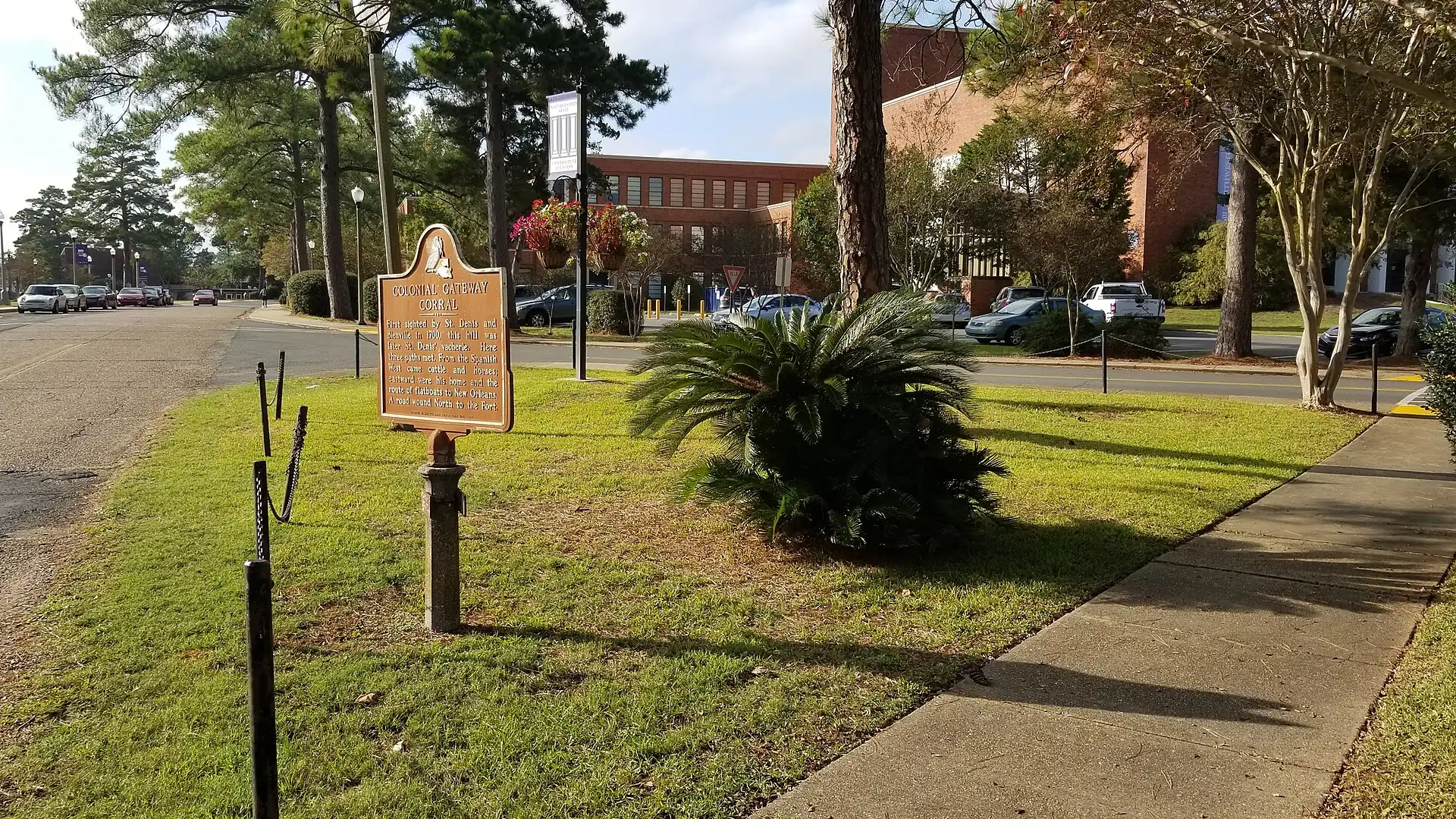
Photo: Spatms / CC BY-SA 4.0, via Wikimedia Commons
Natchitoches puts its historic center beside Cane River Lake, with Front Street giving you an inviting place to start. The town began as a French settlement in the early eighteenth century and later developed through several cultural influences. Look at the brick streets and commercial buildings as pieces of that longer story. The waterfront gives the architecture room to breathe.
Walk the center, browse the shops, and make time for a local meat pie. The Louisiana Sports Hall of Fame and Northwest Louisiana History Museum adds an indoor cultural stop. Mild spring and fall days suit the combination particularly well. A longer stay lets you see the lakefront in different light without making every visit a quick photograph.
Insider tip: Walk both the shop side of Front Street and the lakefront, comparing the close architectural details with the wider view.
Where: Natchitoches, Louisiana
2. St. Francisville
The historic district gives this Feliciana town an appealing walk through older houses, shops, and shaded streets. Ferdinand, Commerce, and Royal streets connect much of the town-centered browsing. The surrounding hills make the landscape noticeably different from the flat marsh country many travelers first associate with Louisiana. Begin with a walking map and let the architecture set a comfortable pace.
Nearby Audubon State Historic Site adds Oakley House and the story of John James Audubon’s time in the area. Interpretation also provides a fuller account of the enslaved people whose labor supported plantation life. Guided house visits follow a schedule. Spring and fall are particularly pleasant for combining town walking with a historically substantial visit beyond the center.
Insider tip: Give the historic site’s interpretation time alongside the architecture, keeping the lives behind the buildings within the visit.
Where: St. Francisville, Louisiana
3. Breaux Bridge
Breaux Bridge makes Bayou Teche a visible part of a town visit. The waterway and the bridge around which the community grew give downtown a clear geographical anchor. You can browse older commercial streets, then return to the bayou for a different perspective. The town’s crawfish reputation supplies another strong local identity.
Make a meal part of the plan, giving regional food the same attention as a museum or landmark. The visitor center’s historical material helps connect the present town with its earlier community. Spring and fall are comfortable for walking between shops and public spaces. An overnight can leave room for music or another relaxed meal when something on the local calendar appeals.
Insider tip: Learn a little about Bayou Teche before exploring downtown, so the bridge and waterway become more than a backdrop.
Where: Breaux Bridge, Louisiana
4. Abita Springs
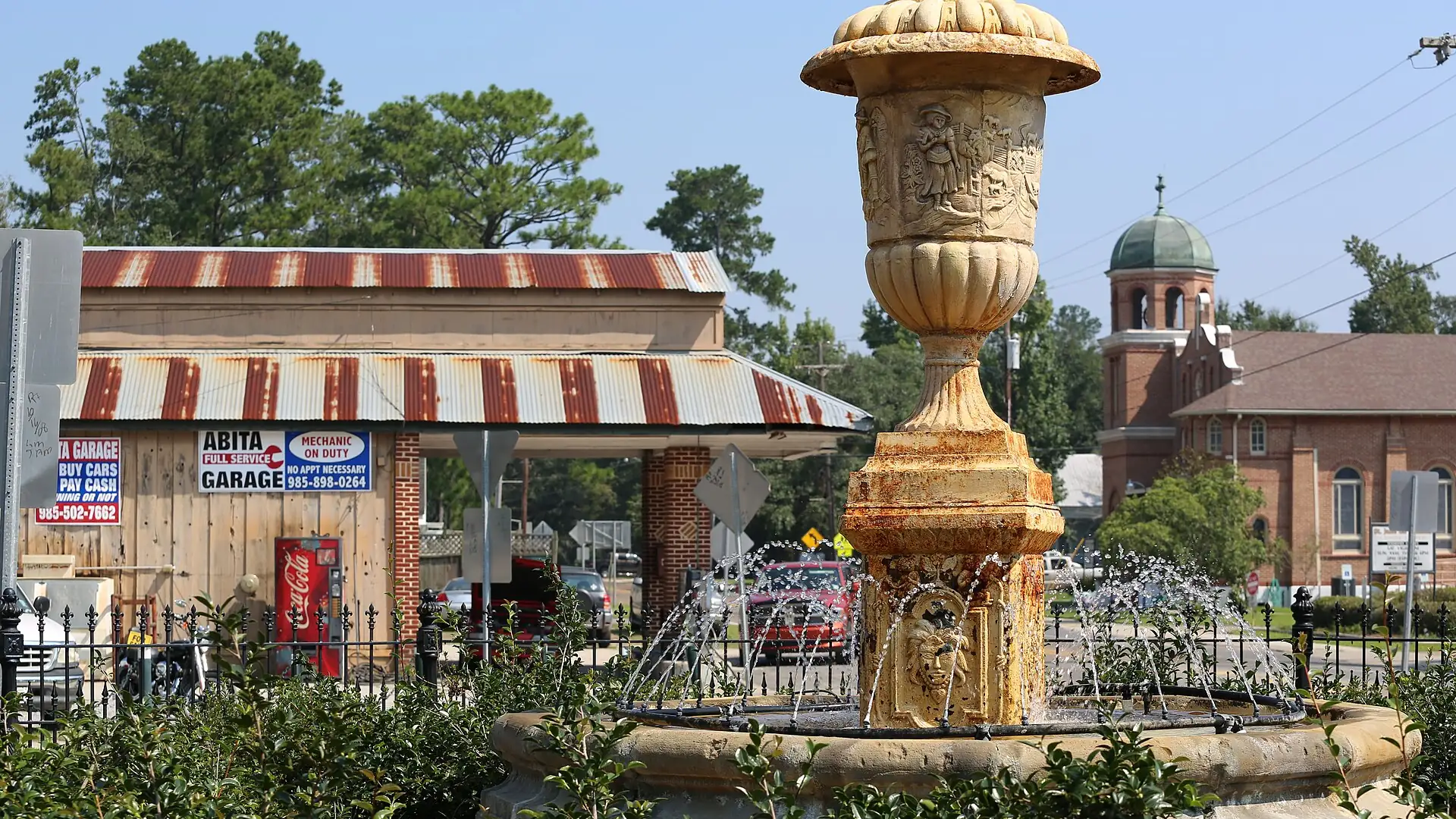
Photo: Saint Tammany / CC BY 2.0, via Wikimedia Commons
Abita Springs combines artesian-water history with a notably playful creative streak. The Abita Mystery House uses found objects, miniature scenes, and imaginative displays to give local culture an eccentric interpretation. It is a good place to arrive curious and leave willing to look twice at ordinary materials. The town’s spring identity adds a very different historical thread.
The Tammany Trace brings a former railway corridor into the center as a paved route for walking and cycling. Pair a modest stretch with time around the trailhead and town shops. You can keep the visit small enough to enjoy without a complex plan. Mild seasons are especially good for combining the indoor art with a relaxed outdoor wander.
Insider tip: Let the Mystery House be a close-looking visit, then use the Trace for a simple change of pace outside.
Where: Abita Springs, Louisiana
5. Covington
Covington’s historic ox lots give its downtown layout a story of transport and trade. The block centers once served the wagons bringing goods toward the Bogue Falaya and onward markets. Today, those spaces help organize a walkable district of shops, galleries, and restaurants. Look at the town plan as well as the individual buildings.
The river remains part of the community’s identity, with public spaces adding a natural pause to downtown browsing. You can make a satisfying day from art, a long meal, and a modest walk. Spring and fall suit the outdoor portions especially well. Staying overnight leaves room to enjoy the center after the main shopping hours have given way to dinner and quieter streets.
Insider tip: Find an ox lot on the town map before walking, then notice how the surrounding blocks relate to it.
Where: Covington, Louisiana
6. Ruston
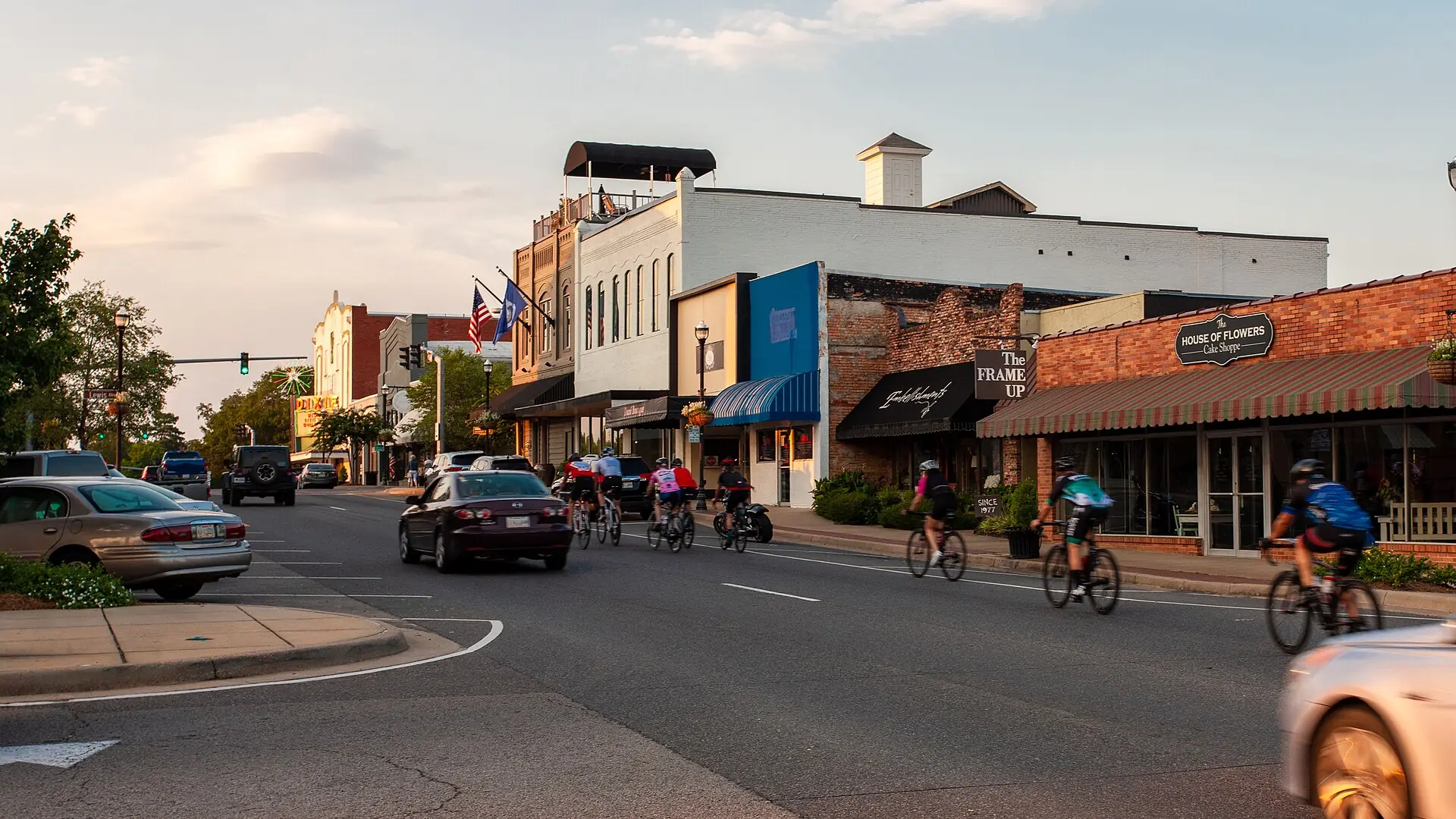
Photo: UpAheadDesign / CC0, via Wikimedia Commons
Ruston brings a college-town rhythm to northern Louisiana’s peach country. Louisiana Tech University is an important part of its identity, while the historic downtown has shops, restaurants, and public art to explore. Look for murals as you walk between the older buildings. The mix gives the town more variety than a single agricultural theme suggests.
Peaches are a warm-season draw, with the local industry celebrated in the Louisiana Peach Festival. Other times of year still offer the campus, downtown, and nearby outdoor spaces. A mild-weather visit suits walking and a relaxed meal without trying to cover every attraction. Choose an overnight around your interests, with university events sometimes adding energy to the weekend.
Insider tip: Give downtown public art a few deliberate stops, turning the walk between shops into part of the attraction.
Where: Ruston, Louisiana
7. Mandeville
Mandeville opens onto Lake Pontchartrain with a waterfront made for looking outward. The giant oaks along Lakeshore Drive frame a broad water view that can carry a whole unhurried afternoon. Old Mandeville’s streets add historic buildings and a smaller neighborhood scale behind the shore. Walk both and the town’s appeal becomes clear.
The Tammany Trace supplies another way to explore, connecting the trailhead with the Northshore’s wider rail-trail route. A short walk or ride can fit naturally around a meal and lakefront time. Spring and fall are especially comfortable, with lake breezes adding character to the visit. Keep the plan modest enough to sit down and watch the light change over the water.
Insider tip: Leave the lakefront for a neighborhood walk and return later, noticing how the open view changes after time among the streets.
Where: Mandeville, Louisiana
8. Washington
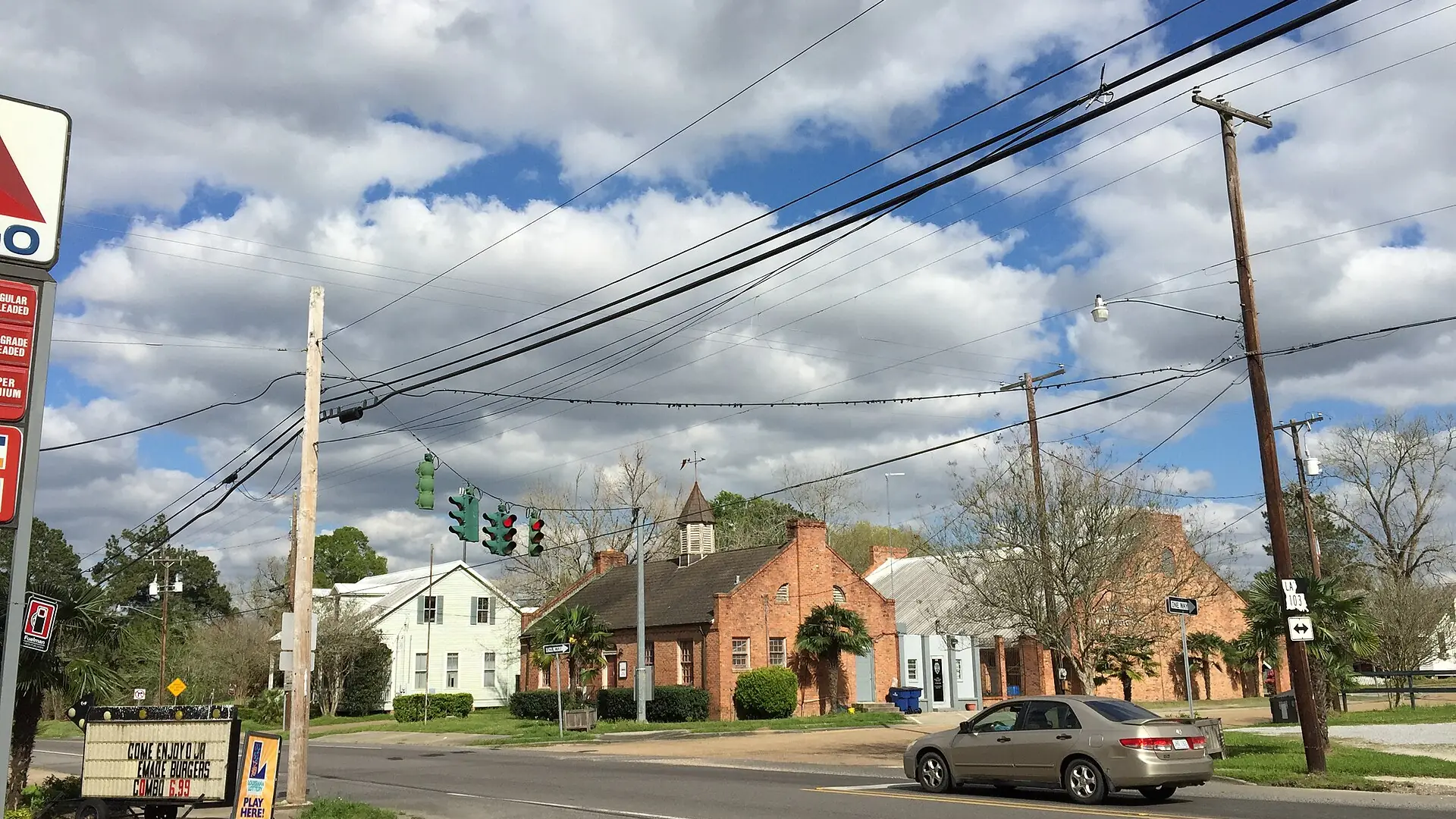
Photo: Famartin / CC BY-SA 4.0, via Wikimedia Commons
Washington’s old port history gives this small town an unexpectedly substantial story. Bayou Courtableau once carried steamboat trade that connected agricultural goods with New Orleans markets. Surviving historic buildings recall that commercial importance. The old steamboat warehouse, now used as a restaurant, gives you a particularly tangible link with the working waterfront.
Explore slowly enough to notice the architecture and the town’s much quieter present scale. A meal and some antique browsing can make the visit feel complete without a long list of stops. Mild spring and fall weather suits walking and looking toward the bayou. The pleasure is in seeing how a place once organized around movement now rewards a traveler who pauses.
Insider tip: Read the steamboat history before looking at the warehouse, connecting its size and location with the goods it once served.
Where: Washington, Louisiana
9. Abbeville
Abbeville centers on Magdalen Square, where oaks, a fountain, and a gazebo make a natural beginning for a town walk. The nearby church and courthouse give the center a clear civic shape. The original plan drew on a French provincial village model. You can see that organizing idea in the way public spaces and buildings relate to one another.
Give the surrounding streets time for browsing and a meal. The Vermilion River and the parish’s Cajun food traditions add broader context to the compact center. Spring and fall are especially pleasant for an outdoor pause in the square. A relaxed visit works well when you let architecture, local history, and lunch share the afternoon equally.
Insider tip: Begin at the square and look outward toward the major buildings before choosing a walking loop through downtown.
Where: Abbeville, Louisiana
10. Ponchatoula
Ponchatoula links strawberry country with a downtown known for antiques and handmade goods. The historic railway depot houses the Ponchatoula Country Market, bringing local craft and collectibles into an old transportation building. Start there and the town’s commercial past remains part of the browsing. The nearby streets add more shops and places to eat.
Spring’s Strawberry Festival gives the agricultural identity its most visible celebration, though downtown is worth exploring beyond festival time. Look for the relationship between the railroad corridor and the commercial blocks. A mild day suits a long browse with a relaxed lunch in the middle. Choose a quieter weekend if you want the visit centered on shops and architecture rather than a major event.
Insider tip: Give the depot building a look before exploring its stalls, keeping the architecture within the shopping visit.
Where: Ponchatoula, Louisiana
11. St. Martinville
Bayou Teche gives this town a natural thread through its Acadian and Creole heritage. The Evangeline Oak connects the waterfront with a literary tradition, while the Acadian Memorial adds a more direct historical focus. Give the interpretation attention before treating the town as simply a picturesque bayou stop. The community’s story includes displacement, settlement, and cultural persistence.
The church square and surviving older buildings make a walk through the center worthwhile. Pair the heritage sites with time beside the water and a regional meal. Spring and fall are especially comfortable for connecting indoor interpretation and outdoor wandering. Keep the schedule loose enough to appreciate the differences between a commemorative landmark, a living town, and the bayou that links them.
Insider tip: Visit the Acadian Memorial before the oak and waterfront, giving the symbolic landmarks a fuller historical context.
Where: St. Martinville, Louisiana
12. Jackson
Jackson’s Centenary State Historic Site preserves the story of an earlier college campus. The remaining buildings and grounds recall the institution before its later move to Shreveport. It is an unusual theme for a small-town visit, connecting education, architecture, and regional change. Read the interpretation before trying to imagine the larger campus that once stood here.
Historic buildings and a walk through town can broaden the visit beyond the site. Centenary’s grounds have scheduled public opening, with building interiors available through special programs or appointments. Plan around that distinction if the college history is your main reason for coming. Mild seasons suit the outdoor portions and a relaxed stop for a meal in the Feliciana region.
Insider tip: Look at the site plan before walking the grounds, using the surviving structures to picture the former campus layout.
Where: Jackson, Louisiana
Map of the places
Tap a place to open it in Google Maps:
- Natchitoches
- St. Francisville
- Breaux Bridge
- Abita Springs
- Covington
- Ruston
- Mandeville
- Washington
- Abbeville
- Ponchatoula
- St. Martinville
- Jackson
Tips for planning your Louisiana trip
- Group Northshore towns, Bayou Teche communities, northern destinations, and Feliciana stops into separate regional trips.
- Spring and fall are comfortable for town walks; summer favors a slower pace with indoor visits between outdoor stretches.
- Reserve lodging and appointment-based tours early around festivals and busy university or holiday weekends.
- Pack walking shoes, light layers, rain protection, and a small bag for craft or antique purchases.
- Check current conditions and attraction calendars while planning, including historic-site opening, trail access, and seasonal festivals.
FAQ
Which places work well for a water-centered visit?
Natchitoches offers Cane River Lake, Mandeville faces Lake Pontchartrain, and several towns sit along Bayou Teche. Washington adds the port history of Bayou Courtableau.
Where can you combine art with a small-town walk?
Abita Springs has the imaginative Mystery House, while Covington offers galleries within its historic center. Ruston’s murals and Ponchatoula’s craft-focused market add other possibilities.
Can you visit these towns throughout the year?
Yes, with the character of the trip changing by season and local calendar. Museums, shops, and food provide reasons beyond a single bloom, festival, or perfect-weather afternoon.
Final thoughts
Louisiana’s smaller communities reveal themselves best when you give a waterway, a building, and a local story time to connect. Save a few towns within one region, and leave room for the meal or museum detail that makes the detour your own.

