
Small towns in Indiana with more behind the view
A brick street or a riverfront row of old buildings can make you stop, but the story behind it gives you a reason to stay. Small towns in Indiana offer both, with artists’ communities, early state-capital history, canal-era landscapes, and regional traditions adding substance to an attractive walk.
These eleven places are spread across the state and vary in scale and atmosphere. Choose a manageable region, leave time for a meal and a purposeful visit, and enjoy the town as a living community as well as a place to take photographs.
1. Nashville
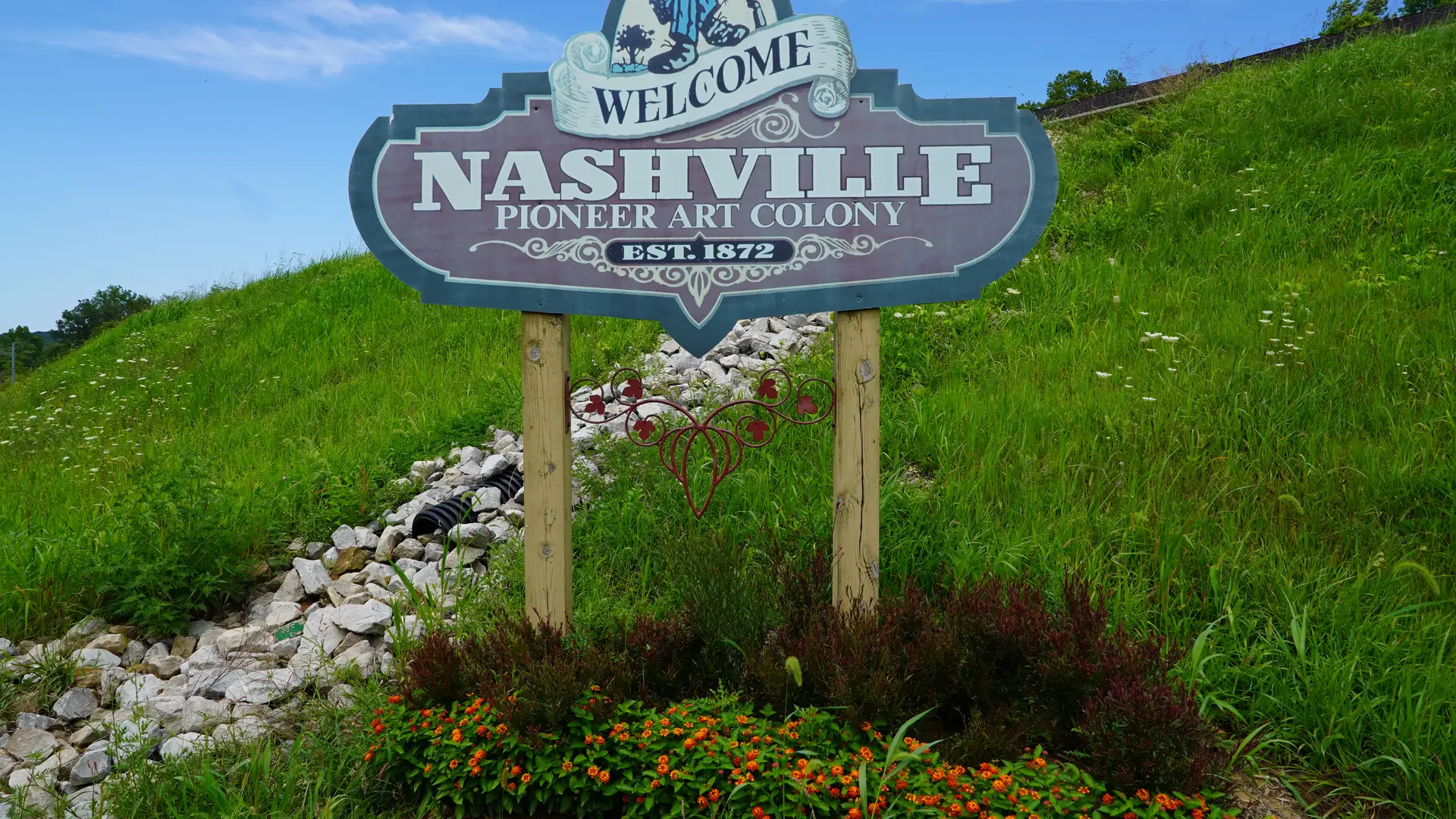
Photo: Quentin Melson / CC BY-SA 4.0, via Wikimedia Commons
Nashville is closely associated with the Brown County Art Colony, a creative tradition inspired by the region’s wooded hills and rural scenery. Galleries and working artists remain part of the town’s identity, giving the commercial streets more depth than a simple souvenir-shopping stop.
Browse with time to look at different materials and styles, from painting to pottery and other crafts. The surrounding hill country helps explain why artists were drawn here, and an unhurried town walk can reveal that connection without requiring a demanding outdoor excursion.
Fall is especially popular for the broader landscape, while other seasons bring a different pace to town. Choose the art or craft interests that appeal to you, leaving room to enjoy a meal and the buildings around the shops.
Insider tip: Ask about an artwork’s maker and materials before buying, bringing home a clearer connection with the place.
Where: Nashville, Indiana
2. Madison
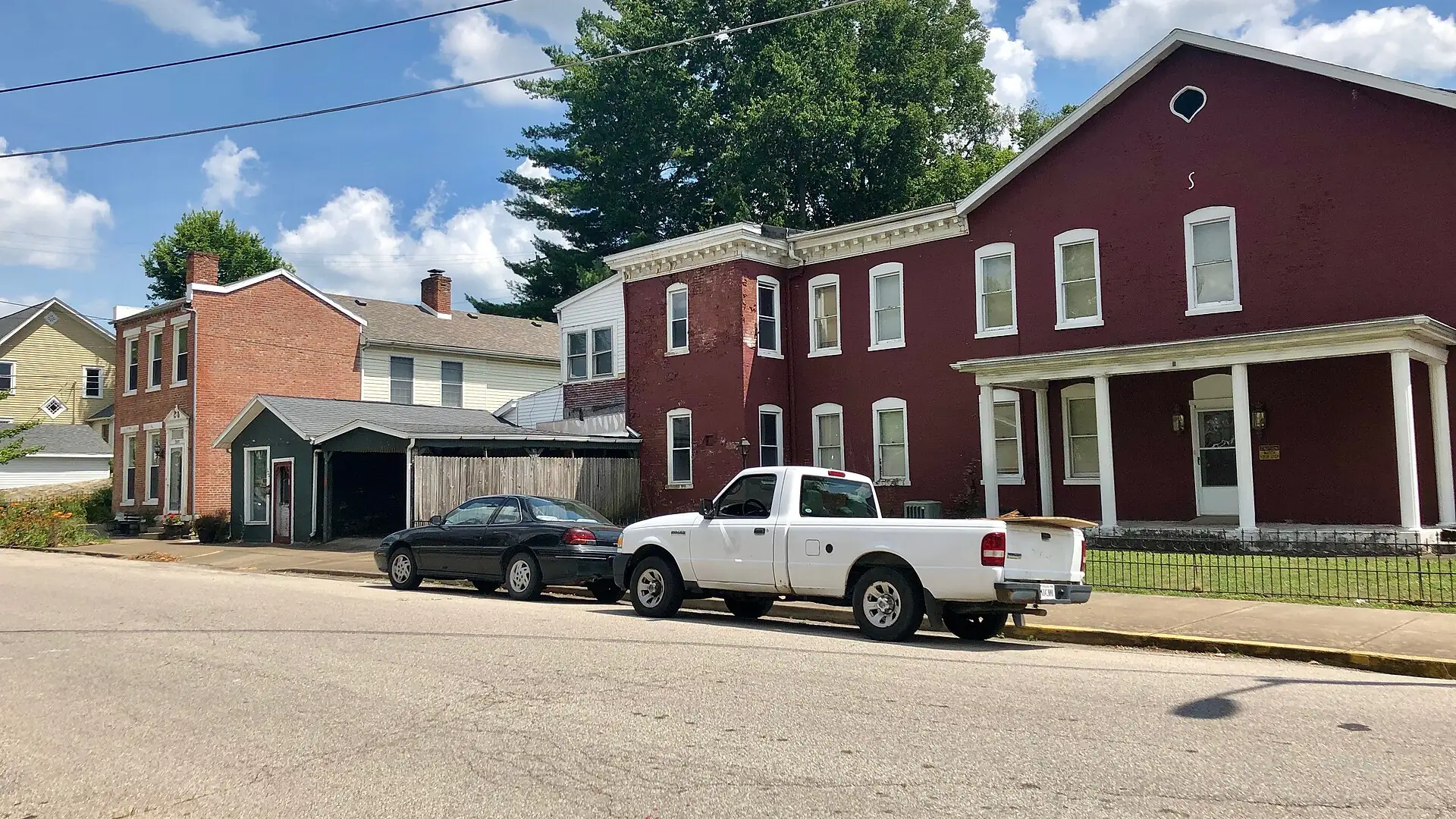
Photo: Warren LeMay from Cullowhee, NC, United States / CC0, via Wikimedia Commons
Madison stands beside the Ohio River with a substantial historic district of nineteenth-century buildings. The Lanier Mansion adds a specific architectural and historical focus, while the riverfront gives the town a broad landscape beyond the commercial streets.
Walk downtown with your attention on the upper stories, doorways, and changing building styles. A riverfront pause can balance a more detailed historic visit, giving you time to appreciate the setting that helped shape the community’s growth.
Spring and fall suit longer walks, though the town can support a visit in any season when you mix indoor and outdoor interests. Give Madison enough time for both history and everyday street life, keeping a meal and some unscheduled browsing in the plan.
Insider tip: Take one wide street photograph as well as architectural close-ups, showing how the historic buildings work together.
Where: Madison, Indiana
3. New Harmony
New Harmony carries the legacy of two early nineteenth-century communal experiments, first associated with the Harmonists and later with Robert Owen. The town also holds notable modern architecture, including Philip Johnson’s Roofless Church and Richard Meier’s Atheneum.
Use a walk and an interpretive visit to connect those different periods. The contrast between older community buildings and modern design is part of what makes New Harmony distinctive, with ideas about belief, education, and shared life shaping the physical setting.
This is a rewarding town when you like a visit that gives you something to think about afterward. Mild weather makes wandering comfortable, but the historical and architectural interests provide a clear purpose beyond the season.
Insider tip: Begin with town interpretation so the buildings you see later connect to the communities that created them.
Where: New Harmony, Indiana
4. Metamora
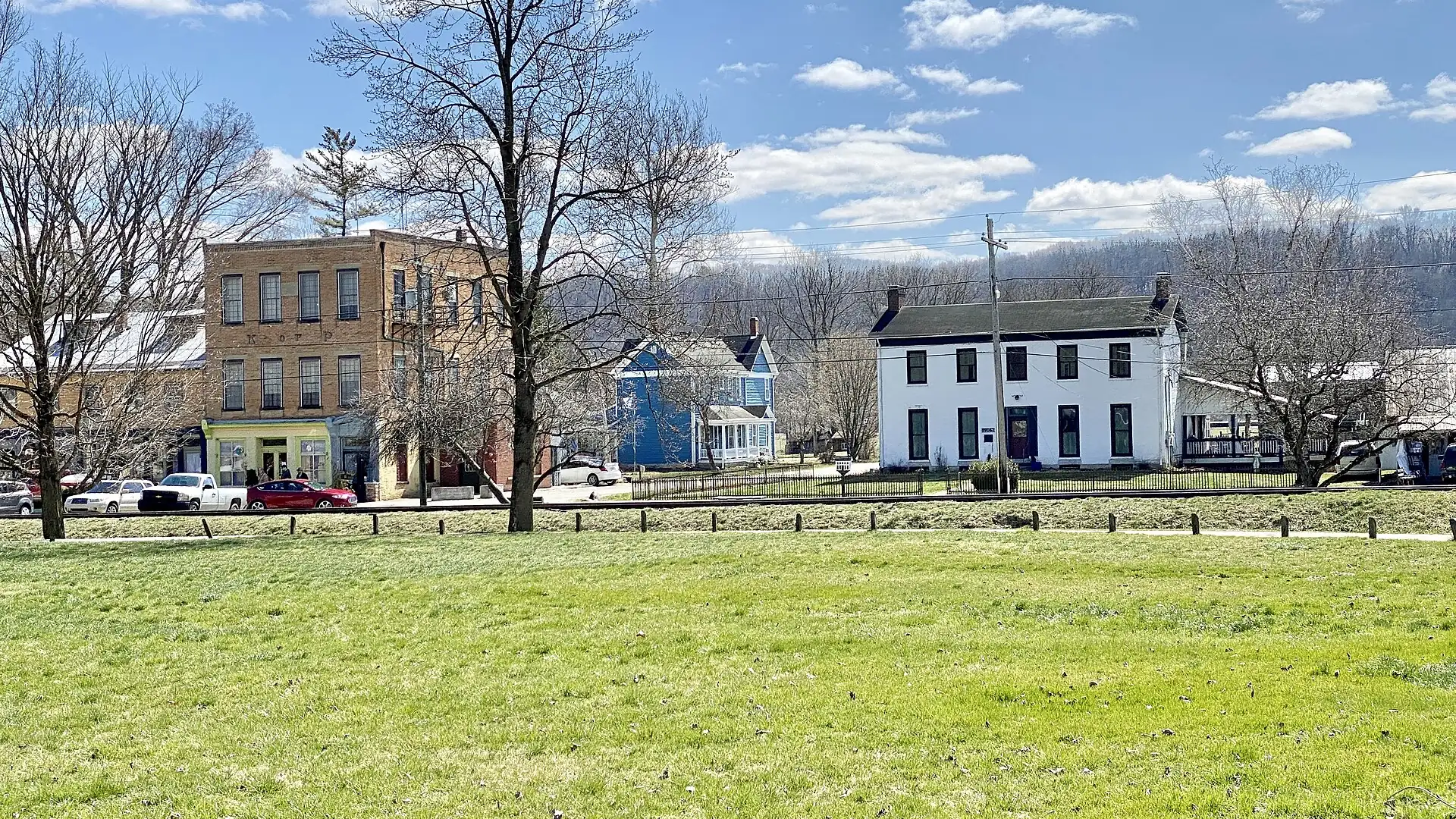
Photo: w_lemay / CC BY-SA 2.0, via Wikimedia Commons
Metamora grew along the Whitewater Canal, and the waterway remains central to the village’s appearance and story. The grist mill and Duck Creek Aqueduct are familiar features of the canal landscape, connecting the setting with nineteenth-century transportation and water power.
Walk the public village areas and appreciate how the older buildings relate to the canal. Shops and the surrounding community give you reasons to browse even when a particular historic facility is not operating, so the town need not depend on one demonstration.
Warm weather supports a leisurely canal-side outing, while seasonal community events bring a different atmosphere later in the year. Keep your expectations focused on the village and its history without assuming boat rides or mill activities are always available.
Insider tip: Make the village walk the core of the visit and treat scheduled historic demonstrations as a separate addition.
Where: Metamora, Indiana
5. Shipshewana
Shipshewana sits in a northern Indiana region strongly associated with Amish and Mennonite communities. Menno-Hof interprets that history through exhibits and reconstructed settings, offering a useful introduction before you explore the wider town.
Give learning a place alongside shopping, especially when handmade goods or regional food are part of your interest. Understanding the communities behind the visitor experience helps the trip feel more substantial and encourages a respectful approach to working farms and private homes.
The town supports visits across the seasons, though particular markets and activities follow their own calendars. Choose businesses and public attractions that welcome visitors, and ask before photographing people or personal property.
Insider tip: Start with interpretation at Menno-Hof if you are new to the region’s religious and cultural history.
Where: Shipshewana, Indiana
6. Corydon
Corydon served as Indiana’s first state capital, and the historic Capitol building remains a defining landmark. The Constitution Elm memorial adds another connection with the state’s beginnings, giving a town walk a clear historical theme.
Explore the central streets and use a historic-site visit to understand the transition from territory to statehood. Older commercial buildings and the town’s compact center make it easy to pair learning with a relaxed meal or a browse.
Spring through fall suits a longer outdoor walk, while a cooler-weather visit can stay focused on history and indoor interests. Give yourself time to appreciate the scale of the early government setting, which feels very different from a modern state-capital complex.
Insider tip: Look at the Capitol’s place within the town center, not only the building itself, to appreciate the early setting.
Where: Corydon, Indiana
7. Zionsville
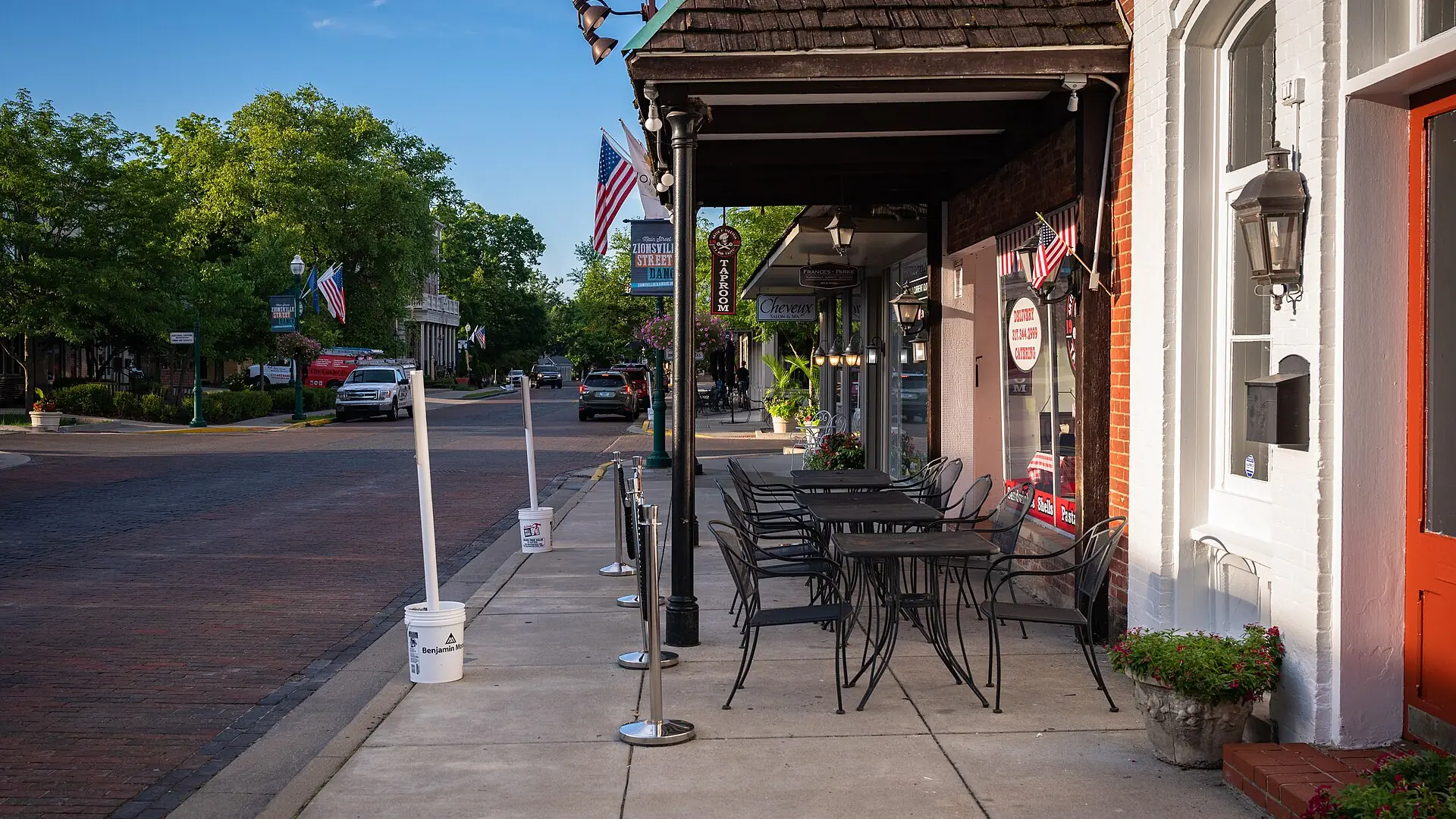
Photo: INvets / Public domain, via Wikimedia Commons
Zionsville’s village center is known for its brick Main Street and older storefronts, giving browsing a distinctive streetscape. The Big-4 Rail Trail adds an outdoor connection to the community’s transportation history and present-day recreation.
Walk the central area with time for small shops and a comfortable meal. A short trail outing can add variety if your group wants more movement, keeping the visit balanced without turning it into a major hiking day.
The town works across the seasons when you adjust the length of your outdoor time. Warm weather invites a longer stroll, while a winter visit can focus on the commercial center with warm breaks between shops.
Insider tip: Wear shoes comfortable on brick surfaces if you plan to spend much of the day walking the village.
Where: Zionsville, Indiana
8. French Lick
French Lick’s identity is closely connected with mineral-springs tourism and the historic French Lick Springs Hotel. The scenic railway adds another familiar visitor experience, reflecting a regional history in which travel and resort stays became part of the town’s story.
Give the town and resort setting time beyond a single photograph. A walk through public visitor areas can be paired with an organized historical or railway activity, depending on the kind of day you want.
French Lick suits travelers who enjoy a comfortable base with several possible interests close together. The season changes the mix of outdoor and scheduled activities, so choose the experience that matters most and leave the rest of the stay relaxed.
Insider tip: Decide on your main activity before booking accommodation, choosing a location that makes the weekend’s preferred pace practical.
Where: French Lick, Indiana
9. Jasper
Jasper’s German heritage forms an important part of its regional identity, while the Patoka River provides a natural focus near town. The Jasper City Mill adds a recognizable landmark connecting the riverfront with the area’s working history.
Combine a central-town walk with time along suitable public river routes. The change from commercial streets to water gives the visit variety, and the mill’s setting helps connect a distinctive structure with the landscape around it.
Mild weather makes the outdoor combination especially appealing, though a town-focused visit can work in other seasons too. Leave time for a meal and a closer look at the buildings, enjoying Jasper beyond a single heritage label.
Insider tip: Include the riverfront in the visit so the town’s setting becomes part of the experience alongside its architecture.
Where: Jasper, Indiana
10. Rockville
Rockville is a central base for Parke County’s covered-bridge country, with the courthouse square anchoring the town itself. The combination gives you a useful balance between a walkable center and the wider rural landscape associated with the area.
Start with the square and a town walk before adding a modest bridge outing. Older commercial buildings and local interpretation can give context to the county’s well-known bridge identity, making the trip more than a sequence of roadside photographs.
Fall is particularly popular in the region, while other seasons can offer a different pace. Keep the wider route manageable and enjoy Rockville as a community, with meals and browsing receiving their own time.
Insider tip: Choose a small number of bridges for any separate drive, leaving enough time to explore the courthouse-square area properly.
Where: Rockville, Indiana
11. Huntingburg
Huntingburg’s Fourth Street historic district gives the town a strong shopping-and-architecture focus. League Stadium adds a different claim to fame as a filming location for A League of Their Own, connecting the community with a familiar baseball movie.
Walk the commercial district and look at the older storefronts before choosing where to browse. A stadium-related visit can provide a separate focal point when arranged through the available public visiting options, giving the day a useful contrast in interests.
Warm weather suits a longer walk and the town’s baseball associations, but the historic center remains a reason to visit beyond the playing season. Give yourself time for a meal so the outing feels like a town day, not only a stop at a film landmark.
Insider tip: Keep a stadium visit and a commercial-district walk as two planned parts of the day, with enough time for both.
Where: Huntingburg, Indiana
Map of the places
Tap a place to open it in Google Maps:
- Nashville
- Madison
- New Harmony
- Metamora
- Shipshewana
- Corydon
- Zionsville
- French Lick
- Jasper
- Rockville
- Huntingburg
Tips for planning your Indiana trip
- Choose a regional cluster, since the northern Amish-country towns, central communities, and southern river or resort towns are separate travel areas.
- Use spring and fall for comfortable walking, with summer heat and winter weather shaping the amount of outdoor time.
- Pack walking shoes, water, sun protection, and a layer suited to the forecast, especially for riverfront pauses.
- Reserve lodging and scheduled tours or railway activities early when they are central to your visit.
- Check current conditions, attraction operations, seasonal facilities, event calendars, and public access before finalizing the itinerary.
- Respect working communities and private property, asking before photographing people and keeping residential access clear.
FAQ
Can you enjoy these towns without a full weekend away?
Yes, a day trip can work when the destination fits your starting point. Choose a manageable walk and one main interest, leaving time for a meal and an unhurried look around.
Are all the attractions open in every season?
No, historic interiors, markets, railway activities, and demonstrations can have seasonal schedules. The towns themselves offer broader interests, so build around the specific public activities available during your visit.
What makes these towns different from one another?
Their identities range from artists’ communities and early state history to canal transportation, river architecture, and baseball film connections. Choose the story and setting that interest you most.
Final thoughts
The best Indiana town visit gives you a view to remember and a story that makes it meaningful. Save the communities that fit your route, leave time to walk and learn, and let the details of an ordinary street become part of a memorable trip.

