
Small towns in Hawaii with reasons to linger
A beach may bring you to Hawaii, but a town can change how you spend the rest of the trip. The small towns in Hawaii gathered here put you close to taro fields, surf culture, coffee-growing slopes, and a ranching tradition that surprises many first-time visitors.
Several are already popular, and Hilo and Kailua are larger communities with substantial everyday lives. Think of this list as twelve different introductions to island character, spread across Kauai, Oahu, Maui, and Hawaii Island, with time to walk, eat, browse, and understand where you are.
1. Hanalei
Hanalei’s setting does much of the talking. On Kauai’s North Shore, a broad bay meets a green valley where taro cultivation remains part of the landscape, with steep mountains rising behind the town.
Walk the commercial streets for small shops and galleries, then spend time at the bay’s public shoreline. The Hanalei River and familiar pier give the waterfront distinct landmarks, while the surrounding agricultural land explains why the view is more than an attractive backdrop.
Summer often brings gentler North Shore ocean conditions, although no beach is automatically safe for swimming. You can enjoy the town in any season by allowing for rain and treating the water as a separate decision from a shoreline walk.
Insider tip: Photograph taro fields from designated public viewpoints without stepping onto working farmland.
Where: Hanalei, Hawaii
2. Paia
Paia sits on Maui’s North Shore where the route toward Hana begins to gather momentum. Its plantation history remains visible in a compact commercial center now known for surf shops, galleries, and places to eat.
Give the town a walk before committing to a long driving day. Painted storefronts and a strong ocean-sports identity make Paia feel different from Maui’s resort districts, while the nearby coast reflects the wind and waves that shape life here.
A separate town visit can be more satisfying than squeezing lunch and shopping into a Hana itinerary. You have room to browse thoughtfully, find legal parking, and support businesses without watching the road for the next departure.
Insider tip: Plan your town walk as an outing of its own if your Hana day already has several stops.
Where: Paia, Hawaii
3. Haleiwa
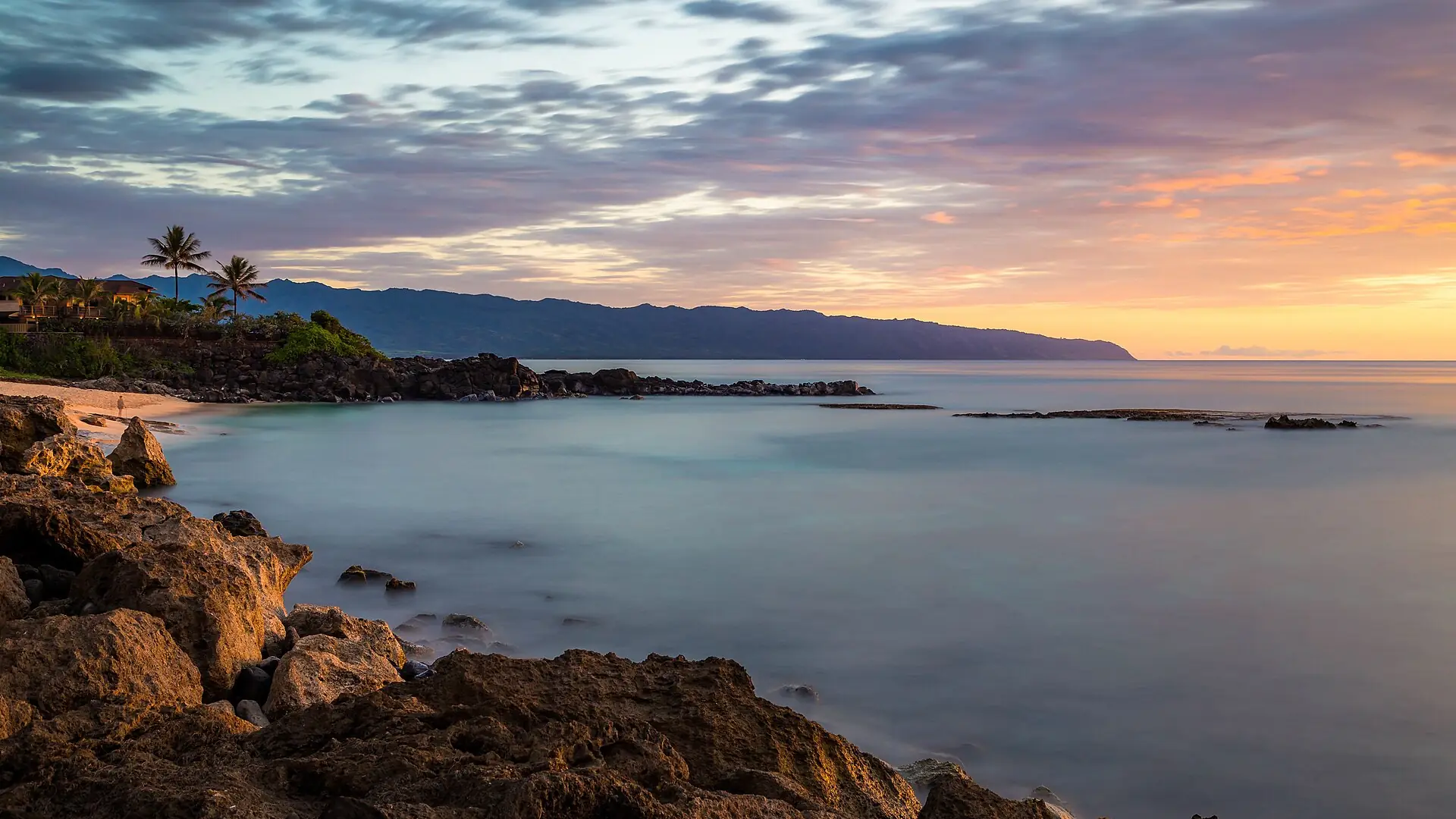
Photo: Christian Joudrey / CC0, via Wikimedia Commons
Haleiwa is a useful place to understand Oahu’s North Shore beyond its famous surf photographs. Plantation-era buildings house shops and galleries, while the Anahulu River and boat harbor connect the commercial streets to the water.
You can browse surf stores, look at locally made art, and take a break for shave ice without making the visit a beach marathon. The town has a lively visitor scene, so its appeal lies in character and setting, not guaranteed solitude.
Winter brings the North Shore’s best-known big-wave season, which is exciting to observe from suitable public viewing areas. Summer offers a different atmosphere, but a calm-looking stretch of water still deserves careful judgment.
Insider tip: Use established parking and explore on foot instead of repeatedly moving the car between nearby shops.
Where: Haleiwa, Hawaii
4. Kailua
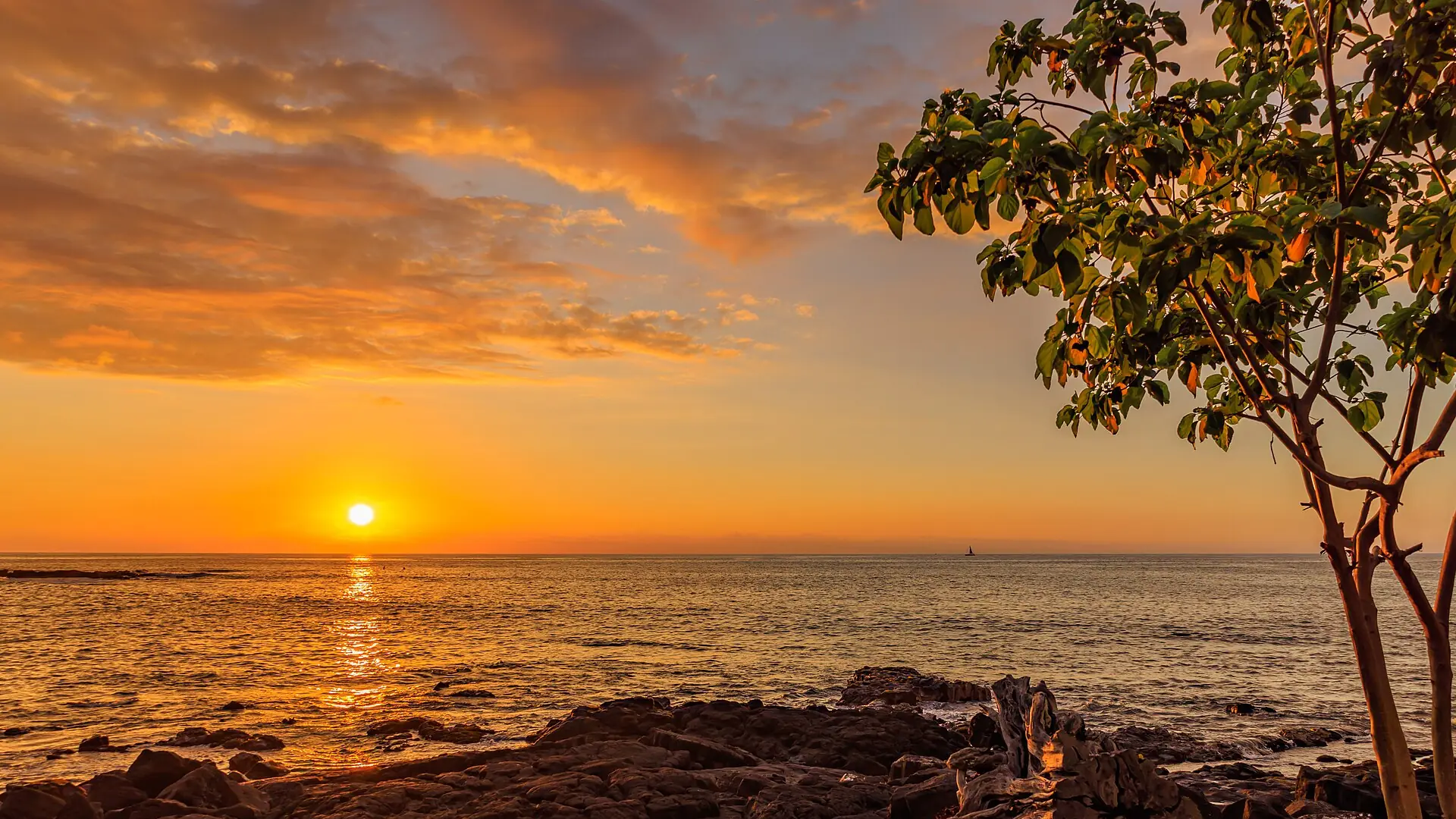
Photo: Terry Ott / CC BY 2.0, via Wikimedia Commons
This Kailua is on Oahu’s windward side, where a broad sandy bay faces the trade winds and green ridges frame the inland views. It is a substantial residential community, with enough shops and food options to build a full day around town and shoreline.
Kailua Beach gives you the most immediate introduction to the setting. Inland, Kawainui Marsh adds a different kind of landscape, associated with wetland habitat and the area’s long history of Hawaiian land use.
Pair a public beach walk with time in the commercial center, keeping residential streets in mind as you move between them. A slower visit lets you notice the change from wind on the bay to the mountain backdrop behind everyday town life.
Insider tip: Carry a small bag for beach gear so a sandy outing does not require leaving belongings spread around your vehicle.
Where: Kailua, Hawaii
5. Makawao
Makawao introduces you to Upcountry Maui on the slopes of Haleakala. Its paniolo heritage, rooted in Hawaiian cattle ranching, shares the town with a well-established arts community.
Walk the central streets for galleries and storefronts that reflect both identities. The cooler upland setting provides a welcome change from the coast, and the surrounding open country helps explain why horses and ranching belong in the story of Maui.
This is a good town for travelers who like to return home with a meaningful object or a clearer sense of regional history. Give your browsing time some purpose by asking about an artist’s materials or the origin of a piece you admire.
Insider tip: Bring a light layer even when you leave a warm beach area; the upland setting can feel noticeably different.
Where: Makawao, Hawaii
6. Hilo
Hilo is a busy regional center on Hawaii Island, with a rain-fed landscape and a historic commercial district along the bayfront. Its scale is larger than a tiny village, but its streets reward the same unhurried curiosity.
Explore downtown’s older buildings, then spend time around the bay. Liliuokalani Gardens adds Japanese-style garden features to the waterfront experience, and the surrounding greenery makes the wetter windward climate easy to appreciate.
Hilo works particularly well when you want museums, gardens, food, and everyday town life close together. Expect passing rain to be part of the rhythm and leave enough flexibility to alternate outdoor walks with indoor stops.
Insider tip: Keep a compact rain jacket accessible while walking downtown, not buried beneath the rest of your luggage.
Where: Hilo, Hawaii
7. Volcano
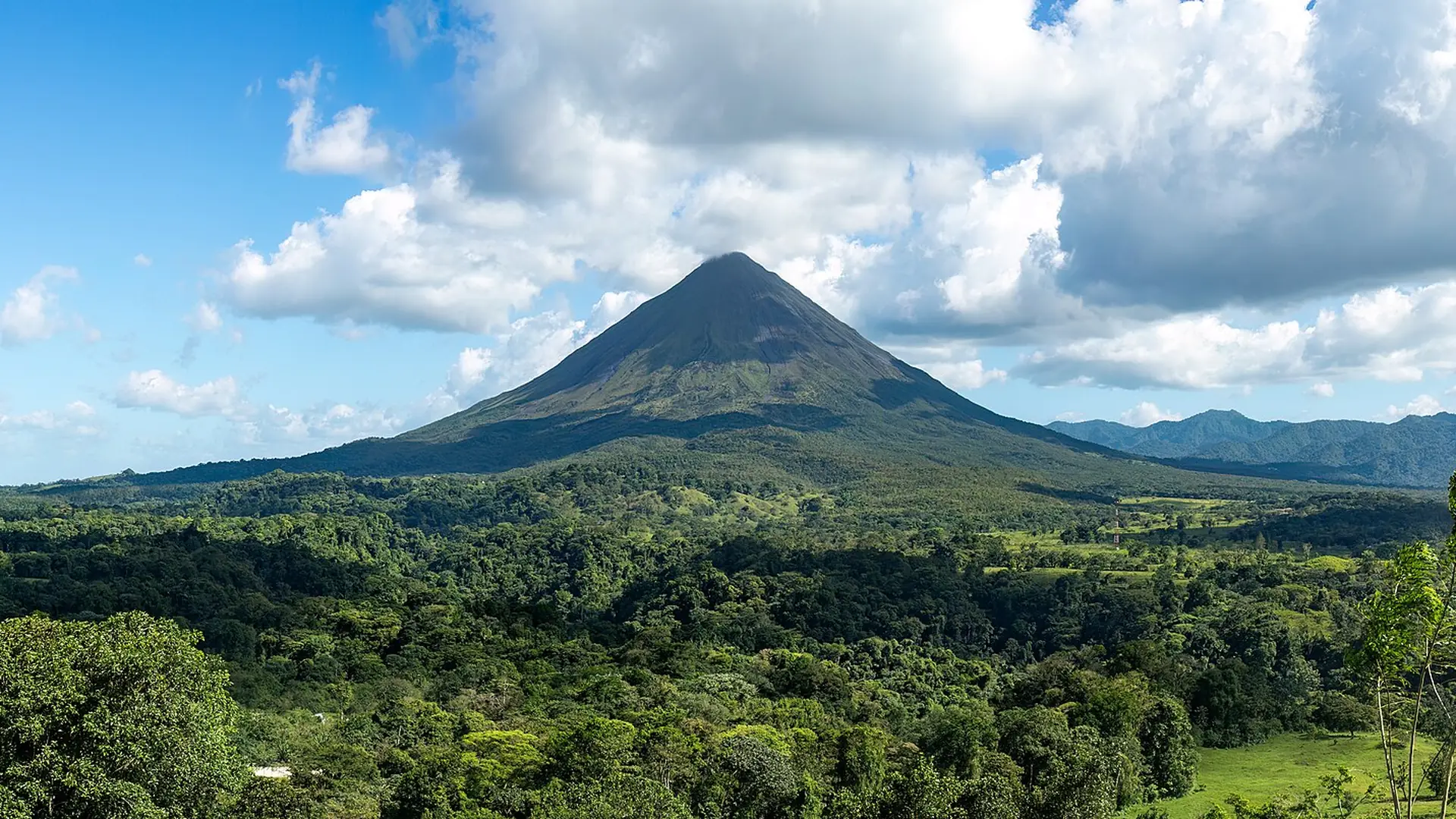
Photo: Rhododendrites / CC BY-SA 4.0, via Wikimedia Commons
Volcano Village sits in a cool, forested upland environment near Hawaii Volcanoes National Park. Tree ferns, wet greenery, and a community of artists give the area a character far removed from a conventional tropical beach stay.
The nearby national park centers on Kilauea and a landscape shaped by volcanic activity. In the village, allow time for art and the forest setting itself, so your stay has substance beyond the possibility of seeing an eruption.
An overnight visit suits travelers who enjoy quiet evenings and cooler weather. Bring realistic expectations about volcano viewing, since an active volcano does not provide a fixed performance for every arrival.
Insider tip: Choose lodging for its location and atmosphere, with volcanic activity treated as a possible extra.
Where: Volcano, Hawaii
8. Hawi
Hawi is a North Kohala town on Hawaii Island with roots in the sugar industry. Its small commercial center now brings together galleries, shops, and food stops in a green agricultural region.
Take time to walk the town before continuing into the surrounding countryside. The older storefronts and rural setting provide a useful contrast with the island’s large coastal resorts, especially if most of your trip has focused on beaches.
Hawi’s appeal is strongest when you appreciate the relationship between town and working land. You do not need a long checklist here; a thoughtful browse and an unhurried meal can anchor the visit.
Insider tip: Keep roadside photography to safe, designated stopping areas and leave agricultural entrances clear.
Where: Hawi, Hawaii
9. Waimea (Big Island)
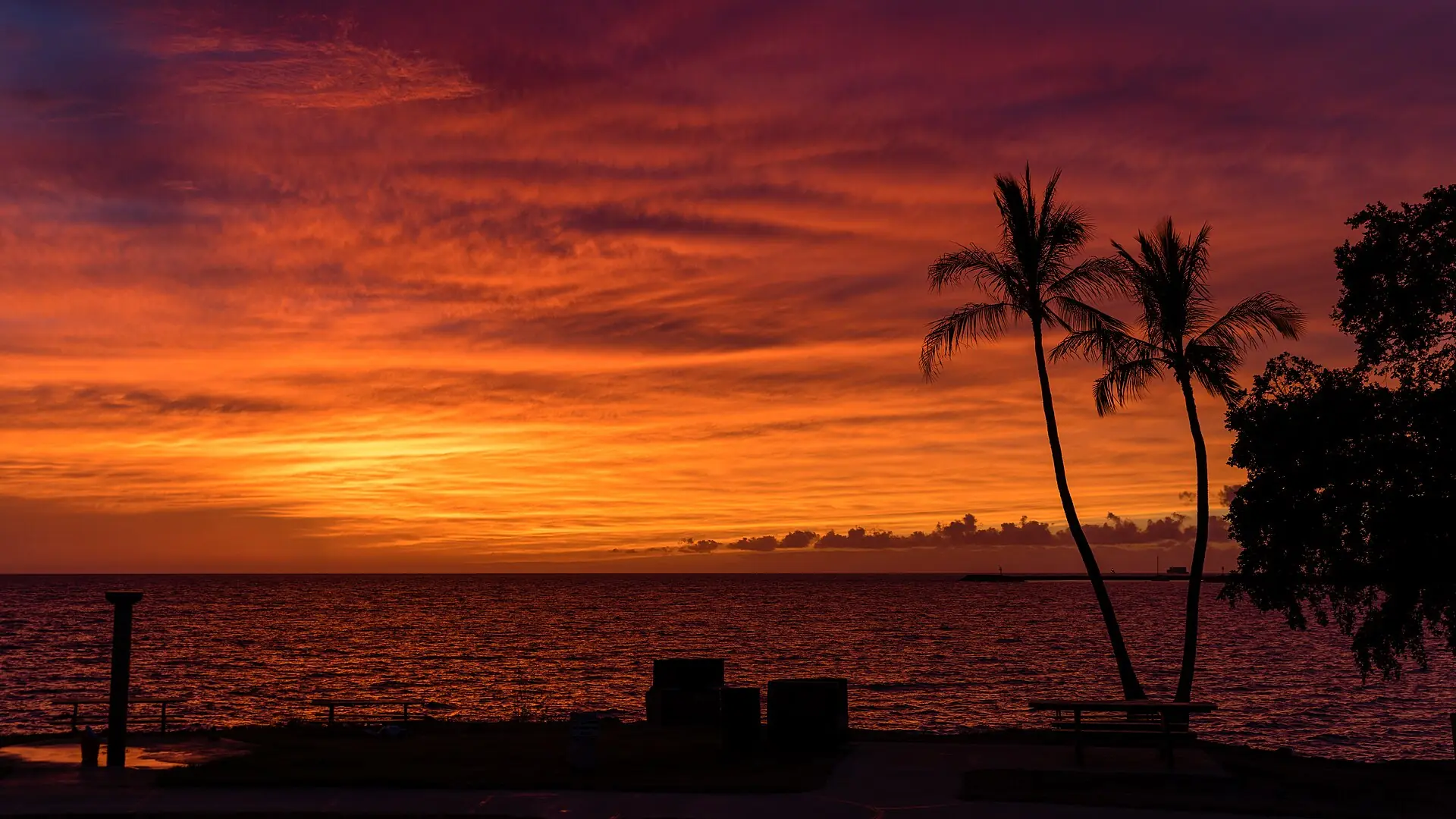
Photo: Christoph Strässler from Oberdorf BL, Schweiz / CC BY-SA 2.0, via Wikimedia Commons
Waimea on Hawaii Island is paniolo country, also known as Kamuela. Parker Ranch is central to its ranching identity, while broad pastureland and mountain views establish a setting unlike the island’s lava-lined shore.
Explore the town with that history in mind, looking for opportunities to learn about Hawaiian ranching culture. The rolling country around Waimea makes the connection tangible, and clear weather can reveal impressive views toward Mauna Kea.
This is the Waimea to choose for an upland stay, cooler air, and access to the island’s northern landscapes. It is distinct from the town of the same name on Kauai, a detail worth settling before you book accommodation.
Insider tip: Include the island name when searching for lodging or saving map locations for Waimea.
Where: Waimea, Hawaii
10. Kapaa
Kapaa puts Kauai’s east coast within easy reach of a lively town center. Older commercial buildings and independent shops give you a reason to walk inland from the shoreline, while the ocean remains close to the day’s activities.
The Ke Ala Hele Makalae coastal path is a defining attraction in this part of the island. Choose a comfortable stretch for walking or cycling, giving the sea views time to become part of the experience.
A Kapaa visit can mix practical errands, browsing, and an outdoor outing without requiring constant relocation. Wind and passing showers are natural parts of this coast, so flexible plans suit it well.
Insider tip: If you cycle the shared path, slow down around walkers and leave room for people enjoying the views.
Where: Kapaa, Hawaii
11. Holualoa
Holualoa sits above the Kona coast on the slopes of Hualalai, in a region closely associated with Kona coffee. Its agricultural roots share space with galleries and a community of artists.
Browse the village with an eye for work that reflects the island’s materials and landscapes. Coffee-growing country provides another layer to the visit, showing how elevation and cultivated land influence this side of Hawaii Island.
Holualoa suits a slower afternoon when you want to move beyond the waterfront without turning the outing into a major expedition. The winding upland roads also encourage a modest itinerary and careful attention to where you stop.
Insider tip: Leave extra space in your day for browsing; a compact gallery district can reward more attention than its size suggests.
Where: Holualoa, Hawaii
12. Hana
Hana lies on Maui’s eastern coast, reached by a famously winding road through wet, green country. The town has deep Hawaiian roots and a community life that extends well beyond the visitors arriving along the highway.
Spend time at Hana Bay and take in the contrast between the sheltered-looking waterfront and the rugged coast around it. The surrounding landscape is part of the attraction, but the town deserves attention beyond serving as a turnaround point.
Staying nearby can let you experience Hana at a gentler pace, with fewer competing demands on the day. Choose a small number of activities and give yourself room to enjoy the place without treating every bend as a photo assignment.
Insider tip: Keep private driveways, residential lanes, and community gathering areas free of visitor parking.
Where: Hana, Hawaii
Map of the places
Tap a place to open it in Google Maps:
Tips for planning your Hawaii trip
- Choose one island first and group its towns into a realistic vacation; these twelve places do not form one driving route.
- Travel year-round with regional weather in mind, allowing for windward rain, cooler uplands, and seasonal changes in surf.
- Pack walking shoes, sun protection, a rain layer, and a light jacket for higher elevations.
- Reserve lodging before building the rest of your itinerary, especially when you want a small-town overnight stay.
- Check current conditions, public access information, road advisories, and any reservation requirements before finalizing side trips or ocean activities.
FAQ
Can you visit all twelve towns on one island?
No, they are spread across four islands. Choose a few on the island where you will stay, and allow separate travel arrangements if you add another island.
Are these towns all quiet or undiscovered?
Several receive substantial visitor traffic, and some are sizable communities. Their value is in their scenery, culture, and everyday character, so plan around your interests without expecting empty streets.
Is a rental car useful for this kind of trip?
A car can make regional town visits easier, especially in rural and upland areas. Keep the itinerary compact and use legal public parking so driving does not dominate the experience.
Final thoughts
The most memorable town may be the one where you stop rushing long enough to notice the working land, the art, or the view beyond the shops. Save the Hawaii communities that fit your island plans and give yourself the pleasure of knowing a few of them well.

