
Small towns in Connecticut with more to explore
A town green gives you an easy place to begin, but the details decide how long you stay. A river museum at the end of the street, a working harbor beyond the houses, or a woodland trail can turn a quick look into a full day. Small towns in Connecticut offer those changes of scene without asking you to cover a huge area.
This list includes distinct towns and the waterfront village of Mystic, with twelve stops running from the shoreline to the northwestern hills. You can plan a coastal weekend, focus on inland walks, or choose a community where art and history anchor the visit. Treat them as separate possibilities, with enough time in each place to look beyond the first attractive block.
1. Essex
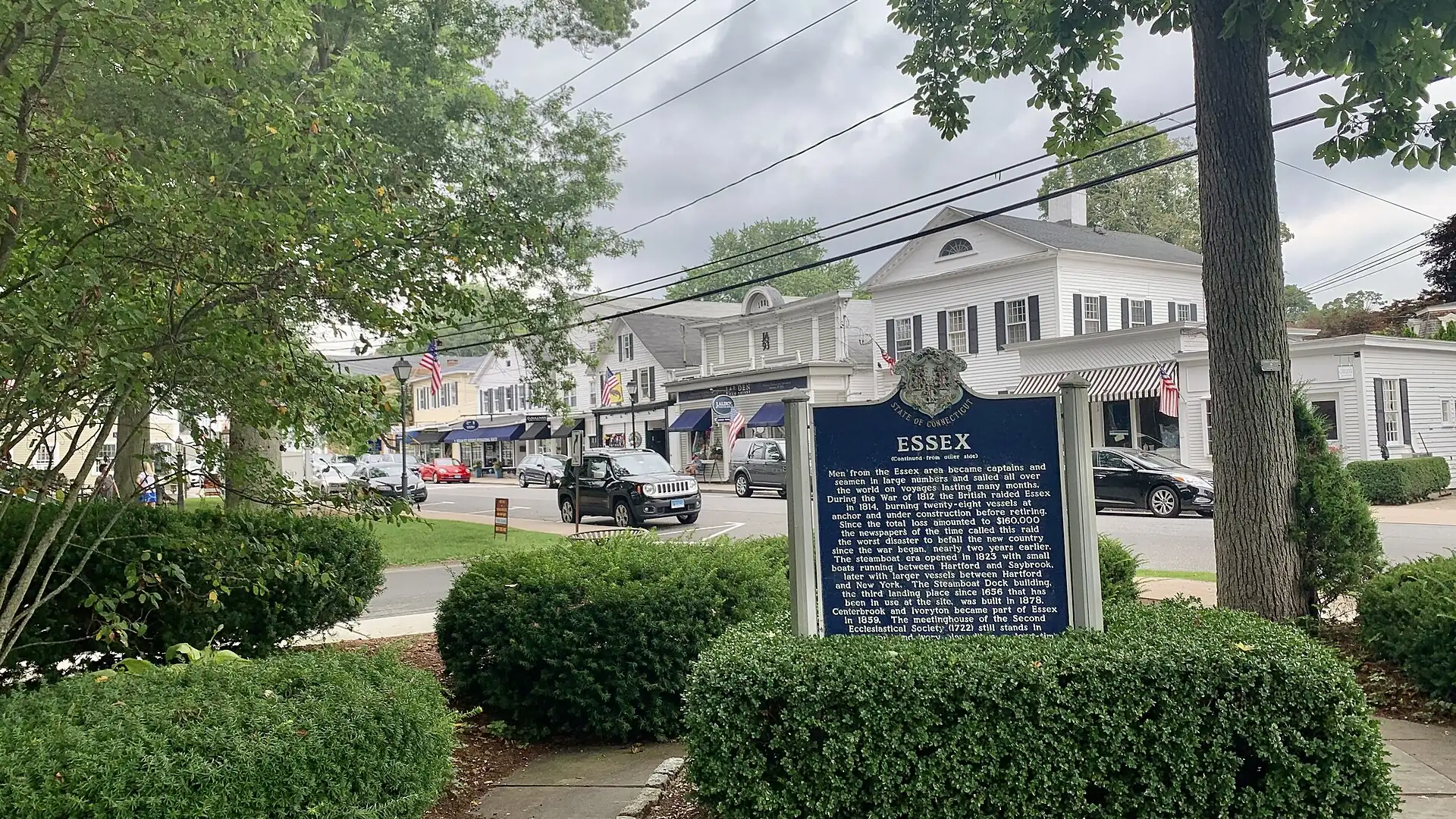
Photo: AirportExpert / CC BY-SA 4.0, via Wikimedia Commons
Essex makes the Connecticut River part of a downtown walk, with Main Street leading toward the waterfront. Historic houses and commercial buildings give you plenty to notice along the way, while boats and broad water change the mood at the end. The village center feels particularly suited to a visit that begins with no agenda more complicated than walking.
The Connecticut River Museum provides a specific way to understand the waterway’s place in regional life. Elsewhere in town, the Essex Steam Train adds a railway experience that can become a separate focus for your day. Spring through fall offers a comfortable mix of waterfront time, historic streets, and outdoor scenery, with autumn adding color to the river valley.
Insider tip: Decide between a museum-centered day and a railway-centered day first, leaving the village walk as the flexible part of either plan.
Where: Essex, Connecticut
2. Mystic
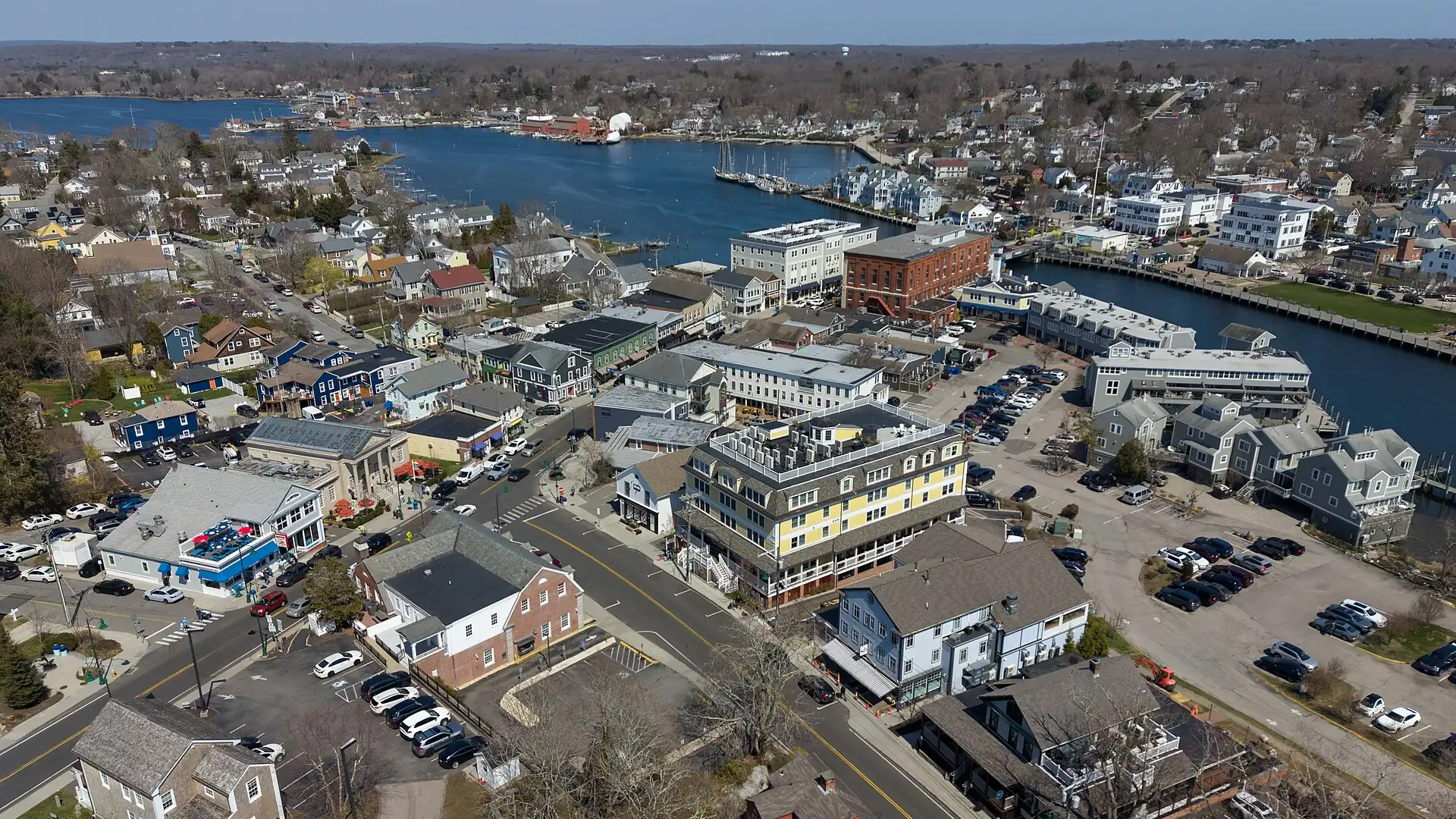
Photo: Quintin Soloviev / CC BY 4.0, via Wikimedia Commons
Mystic’s downtown gathers around the Mystic River, where the bascule bridge makes the working waterway visible in the middle of a shopping district. Walk the streets on both sides of the river to appreciate how the village fits its shoreline setting. Boat traffic and older buildings give you something to watch even when you are simply pausing between stops.
Mystic Seaport Museum expands that maritime story with historic vessels and a recreated seafaring village. It deserves its own block of time, especially if you enjoy boatbuilding, navigation, or the practical details of life on the water. Summer is the classic waterfront season, while spring and fall can suit a visit built around walking and the museum experience.
Insider tip: Keep museum time separate from downtown browsing so neither becomes an activity you squeeze into the last part of the afternoon.
Where: Mystic, Connecticut
3. Kent
Kent places a compact village center in the Housatonic Valley, with the Litchfield Hills rising around it. You can begin among the Main Street shops and galleries, then shift the day toward the surrounding landscape. That balance makes the town appealing if some travelers want browsing and others are ready for a walk in the woods.
Kent Falls State Park supplies a clear outdoor destination, with water descending over a series of ledges below a wooded hillside. The lower view can anchor a shorter visit, while any additional climbing should match your group’s footing and energy. Spring emphasizes the moving water, and fall brings another reason to spend time in the valley and on the town’s quieter streets.
Insider tip: Wear walking shoes even for a village-focused day so you can comfortably add a maintained trail if the mood changes.
Where: Kent, Connecticut
4. Litchfield
Litchfield’s green gives its historic center a clear shape, with older houses, churches, and commercial buildings surrounding the open space. Walk beyond the most obvious shopping stretch to notice how the residential streets continue the architectural story. The setting rewards attention to doorways, rooflines, and the relationship between buildings and the green.
The Tapping Reeve House and Law School adds a distinctive thread of early American legal history. Nearby woodland and wetland landscapes at White Memorial give you a way to balance that history with an outdoor outing. Spring and fall suit the combination particularly well, although a winter town walk can also be appealing when you dress for a slower pace outdoors.
Insider tip: Plan the historic center as a walking circuit so you can see the surrounding streets without repeatedly moving the car.
Where: Litchfield, Connecticut
5. Stonington
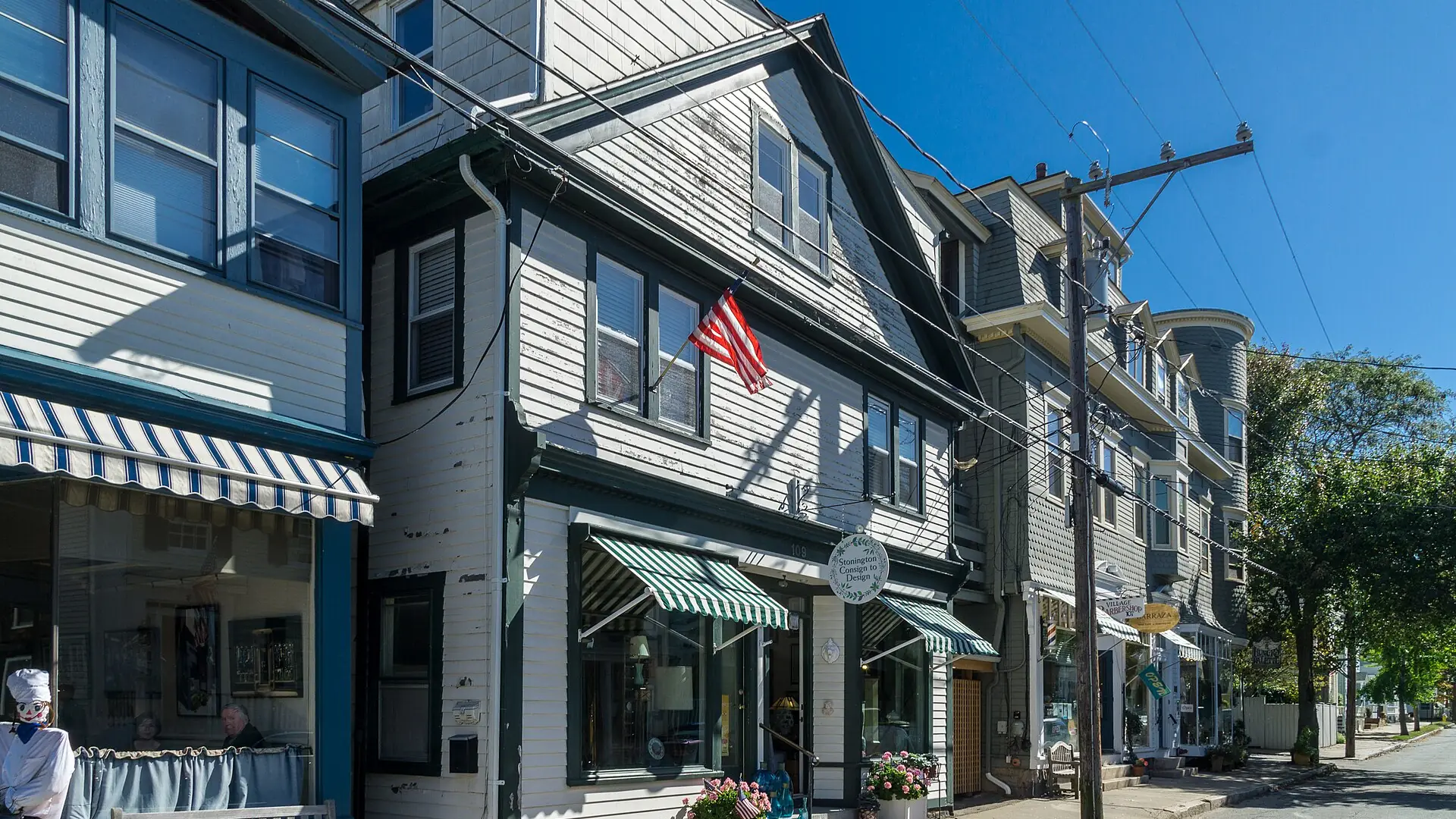
Photo: Kenneth C. Zirkel / CC BY-SA 4.0, via Wikimedia Commons
In Stonington Borough, narrow streets lead past old houses toward a harbor with a genuine maritime identity. The compact peninsula setting makes the water feel close even when you are walking between buildings. Give yourself time to notice the working side of the waterfront as well as the attractive residential streets.
The Old Lighthouse Museum is a recognizable landmark near the borough’s seaward end and connects the town walk with coastal history. A pause near the water lets you appreciate the relationship between harbor, village, and open shoreline. Late spring through fall is a natural fit for this sort of visit, with a light windproof layer useful even when the inland day feels warm.
Insider tip: Keep working docks and private waterfront areas clear, using public streets and designated viewing places for photographs.
Where: Stonington, Connecticut
6. Old Saybrook
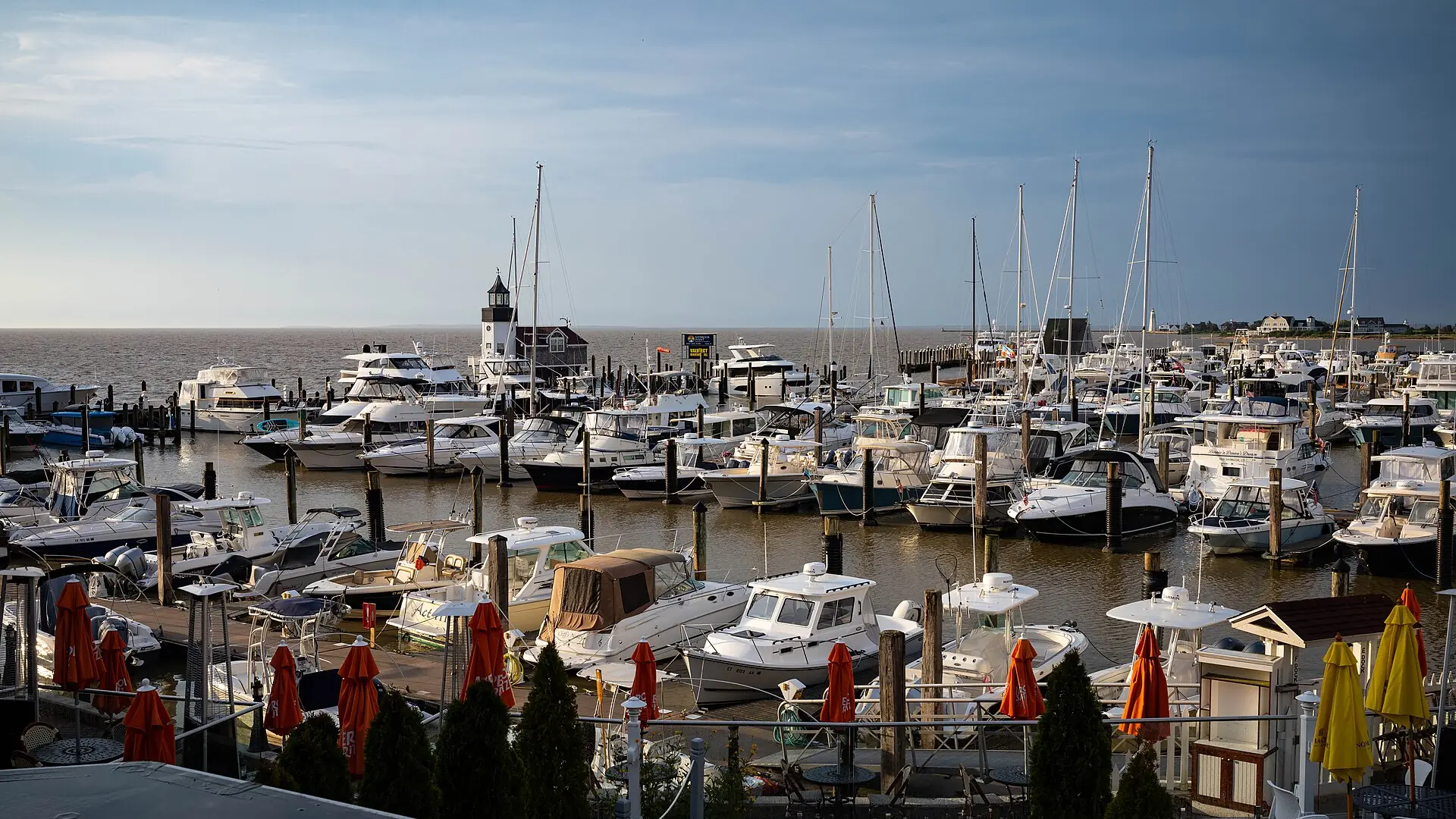
Photo: rboed* / CC BY 2.0, via Wikimedia Commons
Old Saybrook sits at the mouth of the Connecticut River, giving the town both a river and a Long Island Sound identity. Its Main Street offers a different experience from the more open water views, so plan time for both sides of the visit. Older buildings and established civic landmarks make the center worth exploring on foot.
The Katharine Hepburn Cultural Arts Center adds a recognizable cultural connection to the town, while the river-mouth landscape explains its maritime history. Lynde Point Light is another familiar feature of that setting, best understood as a landmark to view from appropriate public vantage points or the water. Summer favors a shoreline-focused day, and spring or fall can make an especially comfortable town-walking season.
Insider tip: Keep lighthouse viewing separate from assuming you can enter lighthouse grounds, which may be private or restricted.
Where: Old Saybrook, Connecticut
7. Chester
Chester’s village center has a strong arts presence, with galleries and small shops making a slow walk feel purposeful. The Connecticut River Valley setting gives you another reason to spend the day beyond the commercial blocks. You can let the visit move from art and architecture toward water and wooded scenery without changing its relaxed pace.
The Chester Museum at the Mill ties the town’s story to its industrial past. The seasonal Chester–Hadlyme ferry adds a separate connection to the Connecticut River and a form of travel that makes the crossing itself an activity. Spring through fall suits this combination, with autumn bringing color to the surrounding valley and the town’s quieter roads.
Insider tip: Make the village your main destination and the ferry a considered addition, so your day still works without a crossing.
Where: Chester, Connecticut
8. Ridgefield
Ridgefield’s Main Street gives you a handsome starting point for a day with an art-and-history focus. The Aldrich Contemporary Art Museum supplies the contemporary side, with exhibitions that invite a different kind of attention from the older streetscape outside. Give yourself time to look, since the strongest museum visit rarely comes from trying to see everything at the same speed.
Keeler Tavern Museum and History Center connects the town with the Revolutionary War and its longer local history. Pair one main cultural visit with a walk along Main Street to keep the day varied. Any season can work for this combination, while spring and fall make the time between indoor stops particularly pleasant.
Insider tip: Choose the cultural stop that interests your group most and build the day around it, leaving the second as an option.
Where: Ridgefield, Connecticut
9. Washington
Washington brings you into the Litchfield Hills, where village centers, wooded slopes, and river scenery share the attention. Washington Depot gives you a practical place to begin before heading toward the surrounding preserves. The area’s appeal lies partly in that easy change from a small community center to a much quieter landscape.
Steep Rock Preserve follows the Shepaug River, with trails ranging from riverside walking to climbs toward broader valley views. Its old railway tunnel adds a specific historical feature to a landscape-first outing. Spring brings fresh woodland growth, while fall makes the river valley especially attractive for a walk chosen around your group’s energy and comfort with climbing.
Insider tip: Use the preserve map to distinguish a riverside walk from a summit route before setting off; they offer different levels of effort.
Where: Washington, Connecticut
10. Madison
Madison makes it easy to give a coastal day two different chapters. Downtown centers on a town green and the Scranton Memorial Library, with shops and older streets providing an enjoyable walking circuit. You can spend the first part of the visit here before moving toward the broader shoreline landscape.
Hammonasset Beach State Park provides that change of scale, with a long sandy shore on Long Island Sound and coastal habitats around Meigs Point. A beach walk, birdwatching, or time exploring the park’s nature-focused features can become the second main activity. Summer is the obvious beach season, while spring and fall suit a visit centered on walking and the changing light over the water.
Insider tip: Pack a windproof layer for the shore even when your downtown walk feels warm and sheltered.
Where: Madison, Connecticut
11. Norfolk
Norfolk pairs a compact hill-town center with an unusually strong musical identity. Infinity Hall occupies a historic performance building, while the Norfolk Chamber Music Festival connects the community with Yale’s music tradition. Those institutions give you a concrete reason to plan an overnight stay around more than a scenic drive.
The surrounding northwestern Connecticut landscape supplies wooded terrain and a quieter outdoor counterpoint to a performance-centered visit. Walk the town center to appreciate its historic buildings before turning the day toward a suitable nearby trail. Summer makes sense for a music-focused trip, and fall adds another reason to spend time in the hills without filling every hour with an organized activity.
Insider tip: If a performance anchors the trip, keep the afternoon outing modest so you return with time to settle before the evening.
Where: Norfolk, Connecticut
12. Guilford
Guilford’s broad town green gives you a strong first impression, with historic houses and commercial blocks creating a setting worth exploring slowly. Walk its edges and continue onto nearby public streets to see how the older center extends beyond one picturesque view. The appeal comes from the whole arrangement, not just an isolated landmark.
The Henry Whitfield House adds an important early stone-building landmark to the town’s history, with the site’s visitor center providing an interpretive focus during restoration of the house. Guilford’s shoreline setting offers a different direction for the rest of your day, with water and salt-marsh landscapes beyond downtown. Spring and fall are comfortable walking seasons, while summer naturally puts more attention on the coast.
Insider tip: Start with the green and build outward on foot, keeping private house grounds and driveways out of your sightseeing route.
Where: Guilford, Connecticut
Map of the places
Tap a place to open it in Google Maps:
- Essex
- Mystic
- Kent
- Litchfield
- Stonington
- Old Saybrook
- Chester
- Ridgefield
- Washington
- Madison
- Norfolk
- Guilford
Tips for planning your Connecticut trip
- Group the coastal communities separately from the Litchfield Hills so you spend more time exploring and less time crossing the state.
- Choose summer for a shoreline emphasis, spring for river and woodland outings, or fall for inland color and comfortable town walks.
- Pack walking shoes, a light rain layer, and a windproof outer layer for harbor and beach stops.
- Reserve lodging and any trip-defining museum, performance, or railway plans ahead, especially on popular weekends.
- Check current conditions, seasonal services, restoration notices, and visitor access through official town and attraction sources before traveling.
FAQ
Are these places all independent towns?
The list mixes towns with distinctive village centers, including Mystic, which spans parts of two towns. For planning a visit, focus on the particular center and attractions you want to explore.
Can you enjoy the list without strenuous hiking?
Yes, many destinations support a satisfying day of town greens, public streets, museums, and water views. Add woodland trails only where they match your group’s interests and ability.
Which season is best for a first visit?
Late spring through fall gives you a broad range of options across both the coast and the hills. Choose a narrower season if a beach day, foliage outing, or particular cultural event is the main reason for coming.
Final thoughts
A memorable Connecticut town visit often begins with a small decision to keep walking. Save the places that match your interests, leave room beyond the main street, and share the guide with someone who enjoys a harbor view or a quiet town green as much as you do.

