
Arizona’s smaller communities tell their stories in very different streets: steep mining-town stairways, a shady courthouse square, or galleries surrounded by desert. Exploring small towns in Arizona gives you a way to appreciate those differences without making every day about another long drive.
These twelve places range from compact communities to established destinations with recognizable names. Some are popular, so plan for a thoughtful visit rather than guaranteed solitude. Choose a region, match the season to the elevation, and give each town time for both its history and the life you find there today.
1. Bisbee
Bisbee’s old mining-town center rises into the hills, with colorful buildings, slopes, and stairways creating a street pattern that rewards looking in several directions. Browse the shops and galleries, then give the town’s mining history a separate part of your visit. The setting is distinctive even before you enter an attraction.
The Bisbee destination guide helps connect the historic center with organized experiences. Spring and fall are comfortable starting seasons, while elevation makes the weather different from Arizona’s lower deserts. Choose footwear for uneven streets and steps. A slow walk with frequent stops is more enjoyable than trying to cover every hillside simply because the map looks compact.
Insider tip: Check the actual approach to your lodging if stairs or steep streets would affect your arrival with luggage.
Where: Bisbee, Arizona
2. Jerome
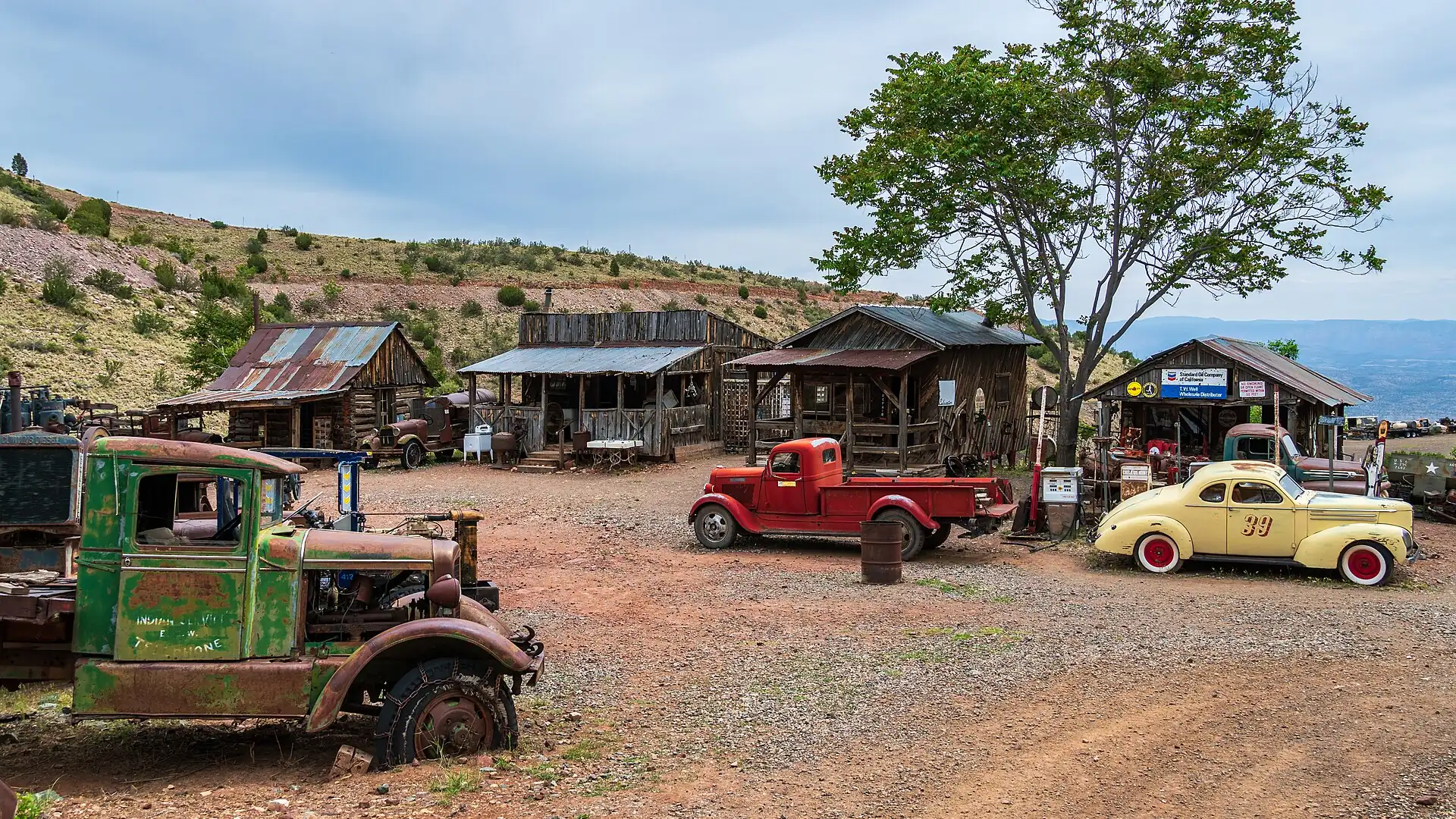
Photo: dconvertini / CC BY-SA 2.0, via Wikimedia Commons
Jerome occupies a steep hillside where former mining buildings now share space with galleries and visitor businesses. Look beyond individual storefronts to appreciate how the streets follow the slope and open toward the wider valley. The unusual setting makes a second walk rewarding, especially once you understand the town’s industrial origins.
Spring and fall generally favor time outdoors, while winter can bring conditions that surprise visitors expecting only desert warmth. Choose a parking location thoughtfully and explore on foot where practical. Historical interpretation adds depth to the art-and-shopping experience. Give yourself permission to walk fewer streets if the gradient becomes tiring rather than turning an enjoyable town visit into a climbing exercise.
Insider tip: Wear shoes with reliable grip and organize your walk around the hillside instead of repeatedly climbing between the same blocks.
Where: Jerome, Arizona
3. Tubac
Tubac pairs an established arts community with a history rooted in a Spanish presidio. Galleries give you a reason to linger, while the historic setting prevents the visit from feeling like shopping alone. You can spend a satisfying morning comparing artwork and another part of the day learning how the settlement developed.
The Tubac visitor overview introduces that combination of history and creative life. Cooler months, spring, and fall suit walking between stops; summer requires more attention to heat and shade. Choose a few galleries for serious looking rather than trying to enter every doorway. The visit feels richer when you leave time to notice materials, styles, and the artists’ different perspectives on the region.
Insider tip: Photograph gallery names or collect cards as you browse so you can reliably revisit work that interests you.
Where: Tubac, Arizona
4. Sedona
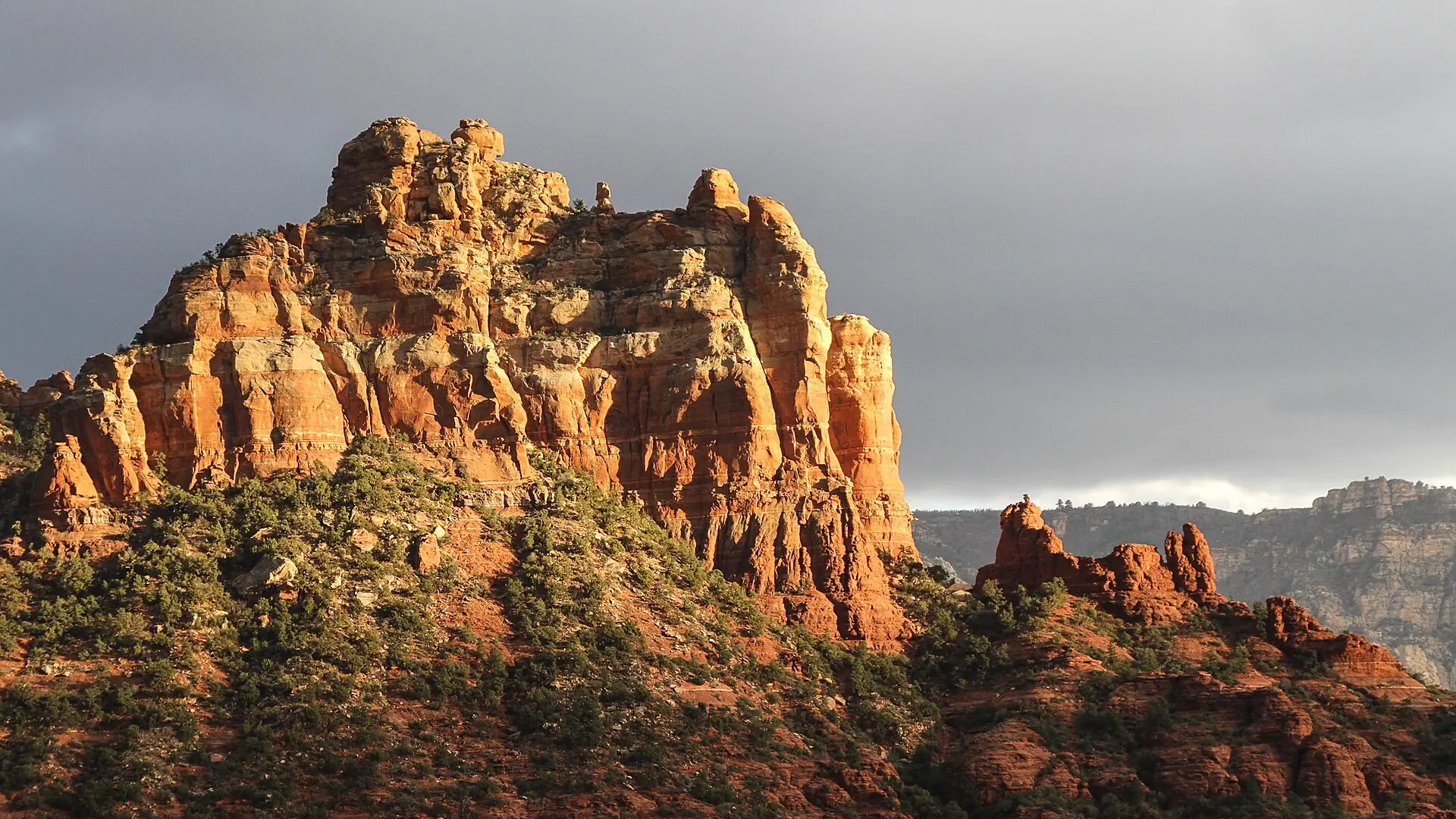
Photo: See1,Do1,Teach1 / CC BY 2.0, via Wikimedia Commons
Sedona’s red-rock setting makes the landscape part of almost every ordinary outing. You can enjoy a scenic viewpoint, browse art, and choose a suitable walk without making the entire visit about difficult hiking. The town is a major destination, so a little planning helps you find a comfortable rhythm among the popular areas.
Spring and fall offer appealing walking conditions but can also be busy. Winter provides another option, with cold weather possible and trail conditions needing attention. Select your outdoor route by terrain and current access rather than a familiar photograph. A stay with time for an early walk and a quieter afternoon gives the scenery more room than a compressed drive-through visit.
Insider tip: Choose the day’s main trail or viewpoint first, then arrange meals and browsing around its access and parking needs.
Where: Sedona, Arizona
5. Prescott
Prescott’s courthouse plaza gives the historic center a clear focal point. Walk around the square, look at the older commercial buildings, and allow time to understand the history behind the familiar Whiskey Row name. The combination of architecture and a usable public center makes this an easy place to enjoy without constant driving.
Spring and fall suit a walking-led visit, while summer can be appealing when you want a higher-elevation alternative to the hottest desert areas. Winter may bring snow and cold, so pack for the actual forecast. Choose a museum or historical stop if you want more depth. An unhurried meal followed by another circuit of the plaza can be a complete afternoon.
Insider tip: Give the plaza a second look after your first main activity, when you can appreciate the buildings without navigating toward a destination.
Where: Prescott, Arizona
6. Tombstone
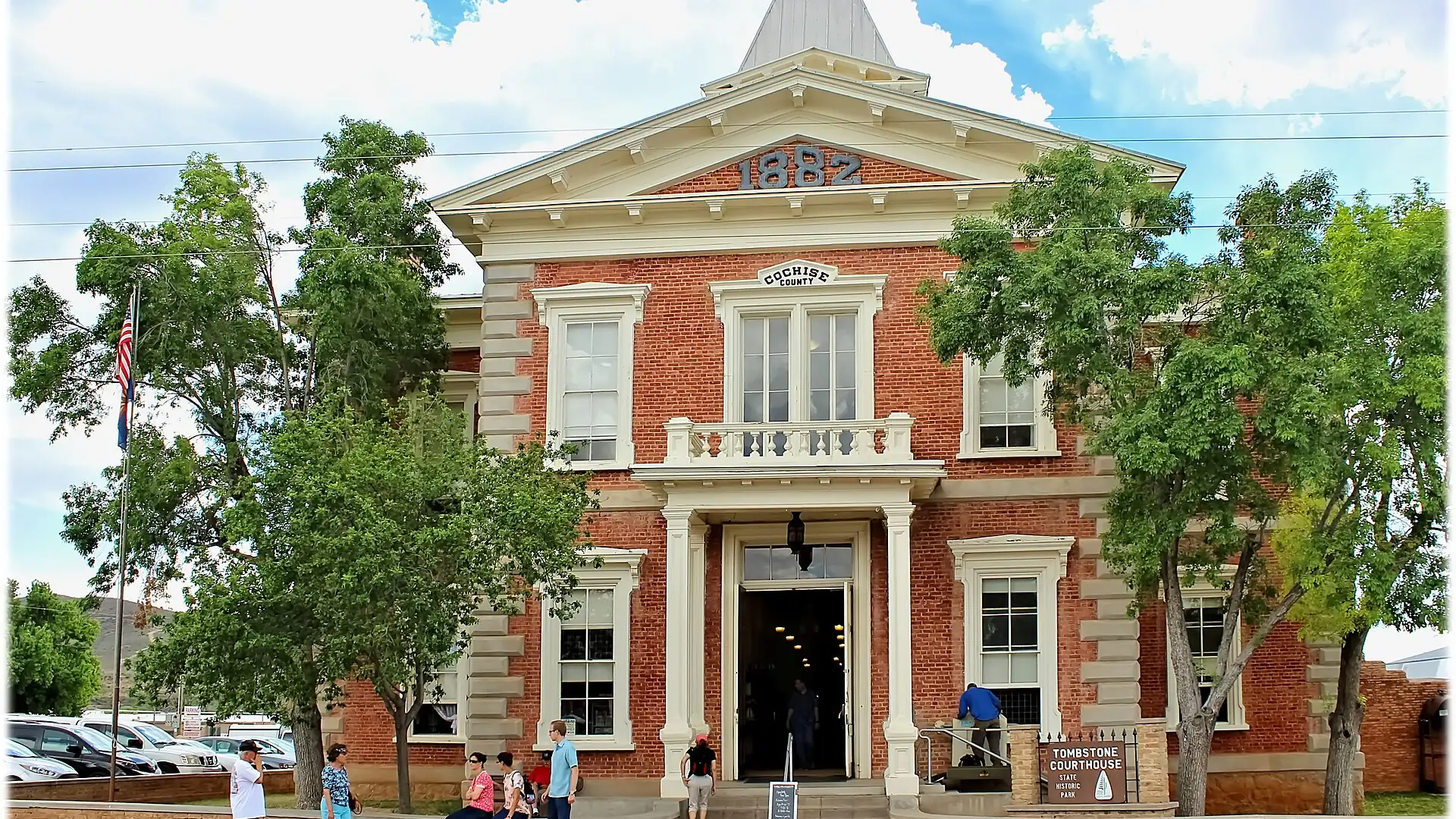
Photo: Grenzlandstern / CC BY-SA 4.0, via Wikimedia Commons
Tombstone’s historic streets make its frontier identity immediately visible, but the visit becomes more interesting when you add context to the famous names. Explore the center with an eye for which buildings tell the original town’s story and which experiences interpret it for modern visitors. The courthouse is a useful historical anchor.
The Tombstone Courthouse overview provides a starting point beyond the town’s best-known entertainment. Cooler seasons are comfortable for walking; summer calls for water and shade breaks. Choose any organized presentation according to your interests rather than assuming it is essential. You can enjoy the architecture and history at a pace that suits your group.
Insider tip: Pair a walk along the historic streets with a museum visit so the town’s familiar frontier stories have context.
Where: Tombstone, Arizona
7. Williams
Williams offers a northern Arizona town center closely associated with Route 66 and rail travel. Older storefronts and roadside-era details give you plenty to notice during a downtown walk. It works well when you want a historic main-street experience with access to the cooler, forested character of the surrounding region.
Summer is a convenient starting season, with spring and fall also rewarding when conditions suit your plans. Winter is a snow-country visit rather than a warm-desert escape. If a train experience matters to you, arrange it separately before filling the rest of the day. Leave time for the town itself so your stay does not become only a wait between transport connections.
Insider tip: Distinguish a downtown-focused stay from an excursion-focused booking when deciding where to sleep and how to organize your day.
Where: Williams, Arizona
8. Wickenburg
Wickenburg gives you a town with strong ranching and Western-art associations. A downtown walk introduces that identity, while a museum or arranged ranch experience can deepen the visit. Choose according to your interests rather than expecting the same outing to satisfy someone seeking art and someone seeking time on horseback.
The Wickenburg visitor overview explains the community’s connection to guest-ranch travel. Cooler months are particularly useful for enjoying the desert surroundings, with spring and fall offering additional possibilities. Summer requires a more selective outdoor schedule. A relaxed town visit works well even when you are not planning a full ranch stay.
Insider tip: Ask about riding experience requirements before booking an equestrian activity so the outing fits your confidence and ability.
Where: Wickenburg, Arizona
9. Cottonwood

Photo: Mike vanderHeyden / CC BY-SA 4.0, via Wikimedia Commons
Cottonwood’s Old Town gives you a compact collection of historic commercial buildings, shops, and places to linger over a meal. The Verde Valley setting adds a different landscape from Arizona’s familiar open-desert image. You can make the center your main focus and enjoy a visit that requires less movement between attractions.
Spring and fall are comfortable for walking, while summer calls for shade and breaks from the warmest part of the day. If wine tasting interests you, choose a manageable number of stops and arrange transport accordingly. The town also works for visitors who simply enjoy older architecture and browsing. Give yourself enough time to discover a side street instead of following only the main strip.
Insider tip: Choose a central base if your main plan is to spend the evening enjoying Old Town on foot.
Where: Cottonwood, Arizona
10. Patagonia
Patagonia suits travelers who like a small community with nature close to the center of the visit. Its arts-oriented atmosphere and connection to important birding habitat give you two complementary reasons to stay. You can browse for part of the day and reserve another outing for watching rather than constantly moving.
The Patagonia visitor guide introduces the area’s riparian habitats and local interests. Spring and fall are attractive general seasons, with particular birding goals deserving more specific planning. Carry binoculars and take a quiet approach to wildlife. A short nature walk can become the highlight when you give yourself time to notice activity in the vegetation.
Insider tip: Check access arrangements for your chosen nature property before building the day around a birding visit.
Where: Patagonia, Arizona
11. Clarkdale
Clarkdale’s planned-town history gives its older center a different character from the irregular hillside streets of nearby mining communities. Spend time looking at how buildings and public spaces fit together rather than concentrating on a single landmark. Its Verde Valley setting also makes the relationship between industry, settlement, and landscape worth exploring.
Spring and fall favor a walking visit, while summer benefits from a balance of indoor interpretation and shorter outdoor periods. If a rail excursion is part of your plans, confirm it before arranging the rest of the stay. You can enjoy the town without treating every regional attraction as a required addition. Choose one historical theme and let it guide a slower afternoon.
Insider tip: Read a short account of the town’s industrial origins before walking so the street layout becomes part of the story.
Where: Clarkdale, Arizona
12. Cave Creek
Cave Creek combines a Western-themed commercial center with a Sonoran Desert setting that remains an important part of the experience. Shops and art give you an easy first outing, while suitable nearby public trails provide a different way to appreciate the landscape. Keep the town visit and the outdoor activity separate enough that each receives proper attention.
Cooler months are the most comfortable starting point for desert walking. Spring brings seasonal changes, but flowers and other displays depend on weather rather than a guaranteed calendar. Summer requires a much more restrained outdoor plan. If you want a trail outing, choose it according to current conditions and the least experienced person in your group.
Insider tip: Carry water for town browsing as well as hiking, since a relaxed shopping afternoon can still involve substantial desert sun.
Where: Cave Creek, Arizona
Map of the places
Tap a place to open it in Google Maps:
- Bisbee
- Jerome
- Tubac
- Sedona
- Prescott
- Tombstone
- Williams
- Wickenburg
- Cottonwood
- Patagonia
- Clarkdale
- Cave Creek
Tips for planning your Arizona trip
- Match the season to elevation: low-desert towns and northern high-country communities can have very different weather on the same day.
- Group the southern, Verde Valley, and northern towns into separate outings rather than trying to cover the entire list on one weekend.
- Pack sun protection, water, comfortable shoes, and an extra layer for cooler evenings and higher-elevation stays.
- Reserve preferred lodging and major guided experiences before filling the rest of your itinerary with smaller stops.
- Leave time for local history and architecture as well as browsing, and use public streets and designated access throughout your visit.
FAQ
When should you visit small towns in Arizona?
Spring and fall are useful general choices, but elevation matters more than a single statewide rule. Winter can suit the lower desert while bringing snow and cold to higher towns.
Are these all tiny, uncrowded communities?
No; the list includes popular destinations and larger regional centers with historic town districts. Plan around the character you want rather than expecting every stop to be unknown or empty.
Do you need a car for this trip?
A car is the most practical way to reach and connect most of these communities. Once there, several older centers reward walking, provided you account for hills, heat, and the location of your accommodation.
Final thoughts
Choose a few Arizona towns whose history and setting make you curious, then give them time beyond the first photograph. Save this list, pick a regional base, and let a plaza, gallery, or hillside street set the pace.

