
A Louisiana road trip shaped by rivers and bayous
The water keeps changing on this Louisiana road trip. You begin beside the Mississippi, move into a landscape of bayous and working boats, and finish where Acadian and Creole histories give food and music a strong sense of place. These eight stops connect the scenery with the people who have shaped it.
Follow them in order, leaving space for a guided museum visit and a meal that stretches comfortably into the afternoon. Spring and fall are particularly pleasant for the walking portions, while summer rewards a rhythm of outdoor mornings and indoor cultural stops later in the day.
1. New Orleans
The Mississippi gives New Orleans a dramatic opening, but the French Quarter makes it easy to begin on foot. Jackson Square brings together the cathedral, the Cabildo, and the Presbytere around a recognizable historic center. Start with the buildings, then walk toward the river to understand why this location became such an important port. The change from enclosed streets to open water gives the first stop a satisfying sense of scale.
Choose one museum and a meal with enough time to enjoy both. The Cabildo is useful if Louisiana history is a major reason for the drive, while the surrounding streets reward attention to balconies, courtyards, and changing architectural details. You do not need to exhaust the city before leaving it. This is an opening chapter, with more bayou country and smaller communities ahead.
From New Orleans, head northwest and upriver toward Vacherie. The route moves you out of a dense urban landscape and into Mississippi River plantation country. Keep that geographical shift in mind during the next stop, where river access, sugar production, wealth, and slavery are closely connected.
Insider tip: Park for a substantial French Quarter visit, keeping the car out of the neighborhood-to-neighborhood rhythm until you are ready to leave.
Where: New Orleans, Louisiana
2. Vacherie
Oak Alley’s avenue of live oaks is the image that draws many travelers to Vacherie. The former sugar plantation also contains exhibits that make a much fuller visit possible. Begin with Slavery at Oak Alley, which examines enslaved people, their living conditions, and the labor behind the property’s wealth. Carry that context with you when looking at the mansion and its carefully composed landscape.
The sugarcane exhibit connects the site with the crop that transformed the surrounding river country. Give the individual stories as much attention as the architecture, making the stop more substantial than a photograph beneath the trees. Advance reservations are encouraged for the guided mansion portion. Spring and fall make it easier to spend unhurried time between the outdoor exhibits.
Continue southwest toward Houma when you leave Vacherie. The focus shifts from the Mississippi corridor to the waterways of coastal Louisiana. You will have a better day if the plantation visit remains the main historical commitment before this change of landscape, with an easy meal and a settled evening afterward.
Insider tip: Read the plantation’s interpretation before photographing its most familiar views, giving the architecture a clear human context.
Where: Vacherie, Louisiana
3. Houma
Houma puts the working bayou landscape at the center of the trip. Bayou Terrebonne runs through the city, linking its streets with a broader coastal network. The Bayou Terrebonne Waterlife Museum interprets the industries and traditions associated with that water. It is a useful stop for understanding why boats, seafood, and maritime skills belong so closely together here.
Make time for both the museum and a downtown walk. One supplies the historical context, while the other lets you see the water as part of an ordinary community. Choose a seafood meal if that appeals, treating lunch as another way to pay attention to the region. Mild weather favors lingering beside the bayou, with indoor interpretation a good anchor during the warmer part of a summer day.
From Houma, drive west and northwest toward Morgan City. The next stop continues the water-and-work theme on the much larger Atchafalaya River. Think of the two cities as complementary chapters, giving each one a different question to answer about life along Louisiana’s waterways.
Insider tip: Look at the bayou before entering the Waterlife Museum, bringing a few observations and questions into the exhibits.
Where: Houma, Louisiana
4. Morgan City
Morgan City’s riverfront makes the Atchafalaya feel like a working river. The Great Wall floodwall separates the city from the water, and the riverfront views reveal a landscape organized around navigation and protection. Spend time looking at that infrastructure as part of the destination. It tells a different Louisiana story from an ornamental garden or a historic house.
The International Petroleum Museum adds another distinctive stop through Mr. Charlie, a historic offshore drilling rig. Its guided tours explain the machinery and offshore industry through the real structure. Reserve a tour as the main activity if industrial history interests you, then keep the rest of the visit relaxed. The contrast between the waterfront and the rig makes this a particularly memorable stop for curious older children and adults.
Head northwest toward New Iberia after Morgan City. You are moving toward Bayou Teche and a sequence of towns where waterfront streets, cultural history, and regional food work well together. Save some daylight for arriving on foot, so the next destination begins with its own character beyond the view through the windshield.
Insider tip: Decide in advance if the rig tour is a priority, then build your riverfront walk around that single substantial visit.
Where: Morgan City, Louisiana
5. New Iberia
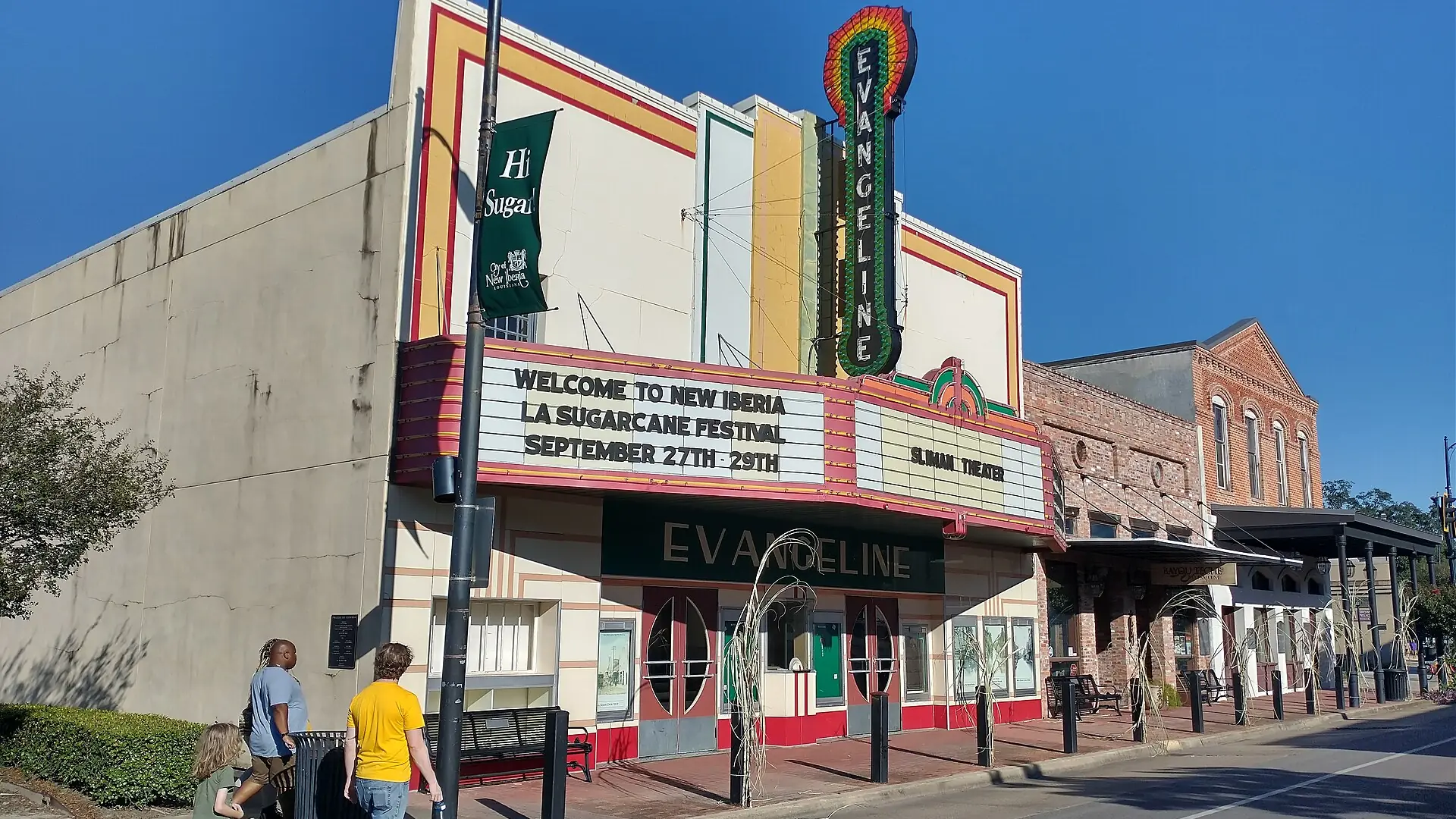
Photo: Paul Lowry / CC BY 2.0, via Wikimedia Commons
New Iberia combines a historic Main Street with the quieter presence of Bayou Teche. Shadows-on-the-Teche, a former plantation property, offers an important historical anchor beside the water. Its interpretation includes enslaved life, labor, freedom, and the families connected with the property. Approach the house as the center of a much wider community story.
A guided visit gives depth to the architecture and grounds. Advance purchase is recommended because attendance is limited. Follow it with a downtown walk and a meal, allowing the museum’s stories to remain the focus of the afternoon. Spring and fall are especially comfortable for combining indoor history with time beside the bayou.
Continue north toward St. Martinville. This begins a particularly satisfying portion of the drive, with Bayou Teche providing a connection between neighboring communities. Keep the towns separate in your plans, giving each a walk and one meaningful historical stop so their differences remain clear by the end of the trip.
Insider tip: Bring a question about the people who worked at Shadows-on-the-Teche, encouraging a visit that reaches beyond the house’s appearance.
Where: New Iberia, Louisiana
6. St. Martinville
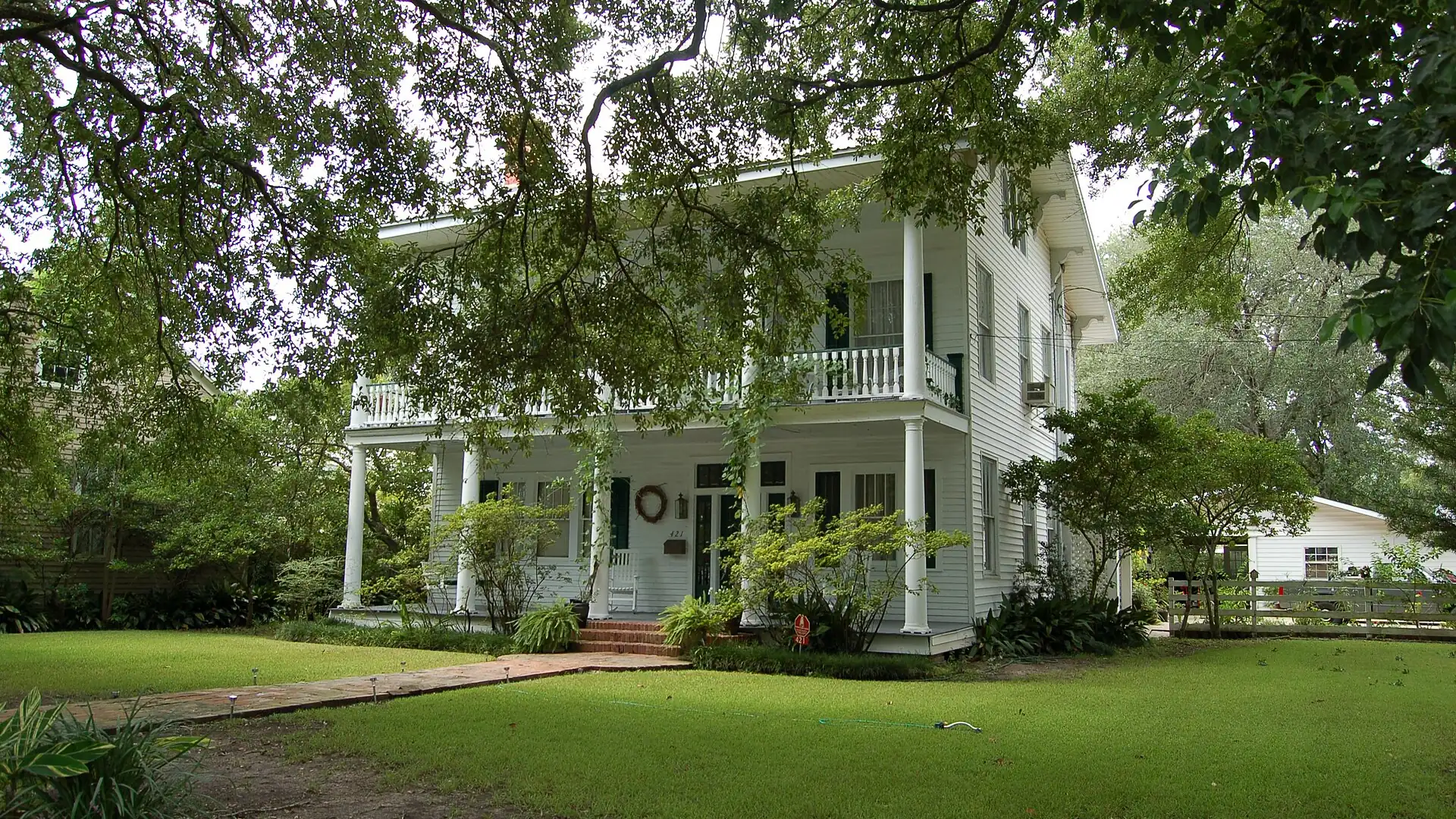
Photo: Z28scrambler / CC BY-SA 3.0, via Wikimedia Commons
St. Martinville brings Acadian history into a compact town beside Bayou Teche. The Evangeline Oak connects the waterfront with the literary tradition surrounding Longfellow’s poem. The Acadian Memorial adds a more direct historical account of Acadian migration and settlement. Visiting both helps you distinguish a powerful cultural symbol from the documented lives behind the region’s history.
Give yourself time to walk between the central streets and the bayou. Look for the way the water shapes the town’s orientation, then return to the memorial for the names and stories that make the geography personal. A quiet lunch fits comfortably into this stop. Spring and fall favor an easy pace outdoors, without turning the visit into a long list of attractions.
From St. Martinville, continue north toward Breaux Bridge. The bayou remains your link, but the next town brings a stronger food-focused invitation. Arriving with an appetite makes this progression especially satisfying, carrying the historical context into another part of Acadiana’s living culture.
Insider tip: Visit the Acadian Memorial and the Evangeline Oak as a pair, separating historical interpretation from the town’s literary associations.
Where: St. Martinville, Louisiana
7. Breaux Bridge
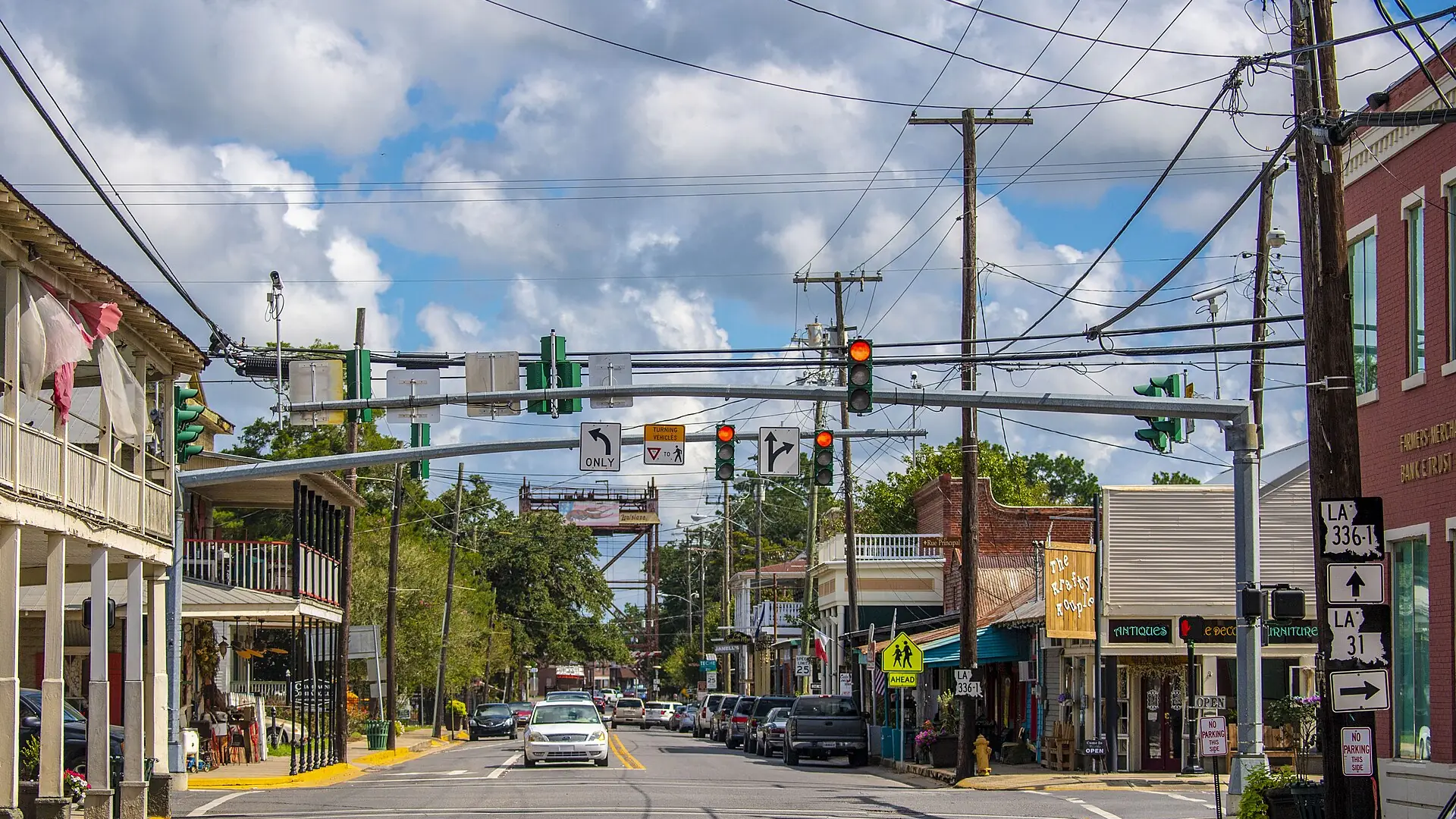
Photo: U.S. Department of Agriculture / Public domain, via Wikimedia Commons
Breaux Bridge gives this drive a particularly inviting food stop beside Bayou Teche. The town is closely associated with crawfish, while its historic center gives you a compact place to browse before or after a meal. Begin with the bridge and the surrounding streets. The relationship between the town and the water is immediately part of the visit.
Choose a meal that reflects your interests and the season’s available food. Crawfish availability varies, so let the menu guide you without making one dish the condition for a successful stop. Give shops and the bayou their own time after lunch. Mild seasons are especially pleasant for an afternoon that alternates between a table and a short walk.
Continue southwest to Lafayette for the final stop. This transition brings you from a smaller bayou town into a larger cultural base. Keep the evening open enough for food or music, with the next morning available for a historical visit that gathers several themes of the drive together.
Insider tip: Leave room around the meal for a walk through the center, giving Breaux Bridge more attention than a single restaurant reservation.
Where: Breaux Bridge, Louisiana
8. Lafayette
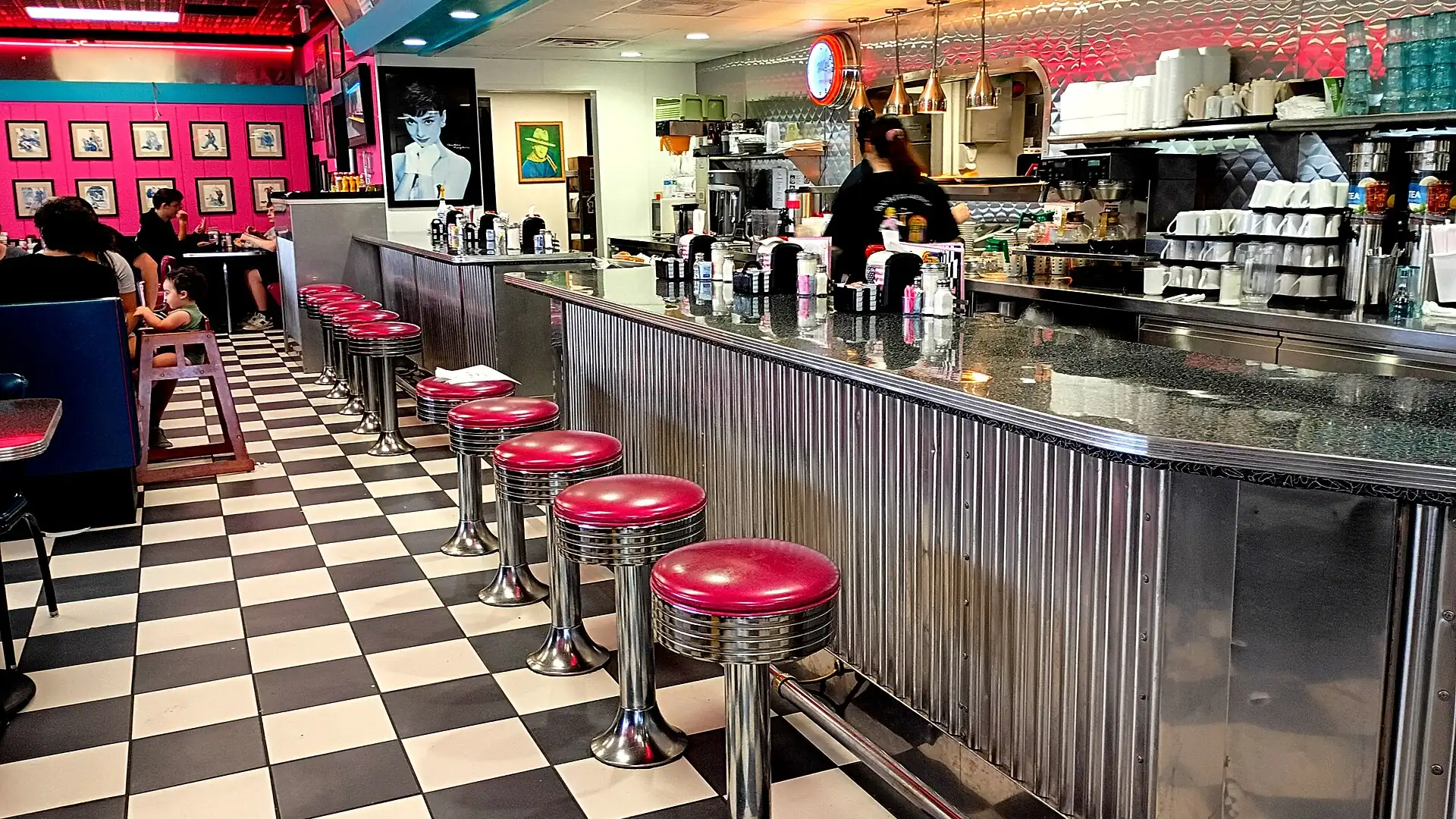
Photo: Paul Lowry / CC BY 2.0, via Wikimedia Commons
Lafayette gives the route a strong cultural finish at Vermilionville. The living-history museum interprets Acadian, Creole, African, and Indigenous histories through historic buildings and demonstrations. Its Bayou Vermilion location ties those stories to another important waterway. You can connect the drive’s individual historical stops with a broader account of how people lived and worked in the region.
Spend time with the interpreters and the details of the buildings. The most useful discoveries may be small ones, such as how a familiar object was made or a domestic space was used. Follow the visit with a meal that keeps regional food at the center of the trip. Give the evening to music if a performance fits your interests, without treating any particular show as guaranteed.
Finish here with some unclaimed time. A second walk, another good meal, or a slower breakfast can be a satisfying ending after several days of purposeful stops. Spring and fall suit the museum’s outdoor spaces especially well, while summer works with a deliberate balance of morning walking and indoor breaks.
Insider tip: Make Vermilionville the final substantial cultural visit, using it to connect the different communities and waterways encountered along the route.
Where: Lafayette, Louisiana
Map of the places
Tap a place to open it in Google Maps:
Tips for planning your Louisiana trip
- Favor spring or fall for walking weather, and plan outdoor visits earlier during summer’s hotter days.
- Keep the stops in this order, allowing the route to progress from the Mississippi corridor into bayou country and Acadiana.
- Book lodging and any priority guided visits before filling the remaining hours with smaller activities.
- Pack comfortable walking shoes, sun protection, insect repellent, and a light layer for air-conditioned museums.
- Check current conditions and attraction calendars before departure, particularly after heavy rain or coastal storms.
FAQ
Is this route mainly about food?
Food is a rewarding part of the drive, but the route also includes substantial history and working-waterfront stops. You can give museums and cultural sites equal attention without losing the pleasure of a long lunch.
Should you stay in a different town every night?
You can combine neighboring stops while using a few overnight bases. Choose those bases around the guided visits and evening activities that matter most to you.
Is this a good trip with children?
The riverfronts, historic rig, and living-history interpretation offer variety beyond house museums. Choose the length and depth of each visit to suit the children traveling with you.
Final thoughts
Save this route for a drive that follows the water into Louisiana’s history and living culture. Give the stories, meals, and individual towns enough time, and eight stops can become a trip with real shape and character.

