
Hidden gems in Illinois with more than a surprising view
A sandstone formation above the trees and a cypress swamp belong to very different pictures of Illinois. The hidden gems in Illinois gathered here show how varied the state can be, with ancient earthworks, river bluffs, a Swedish colony village, and one unmistakable superhero landmark adding to the mix.
Several places are already well known, so the reward is discovery for your own trip, not a guarantee of solitude. Choose a region and make time to understand the landscape or history behind the photograph, using public paths and access areas throughout.
1. Garden of the Gods, Herod
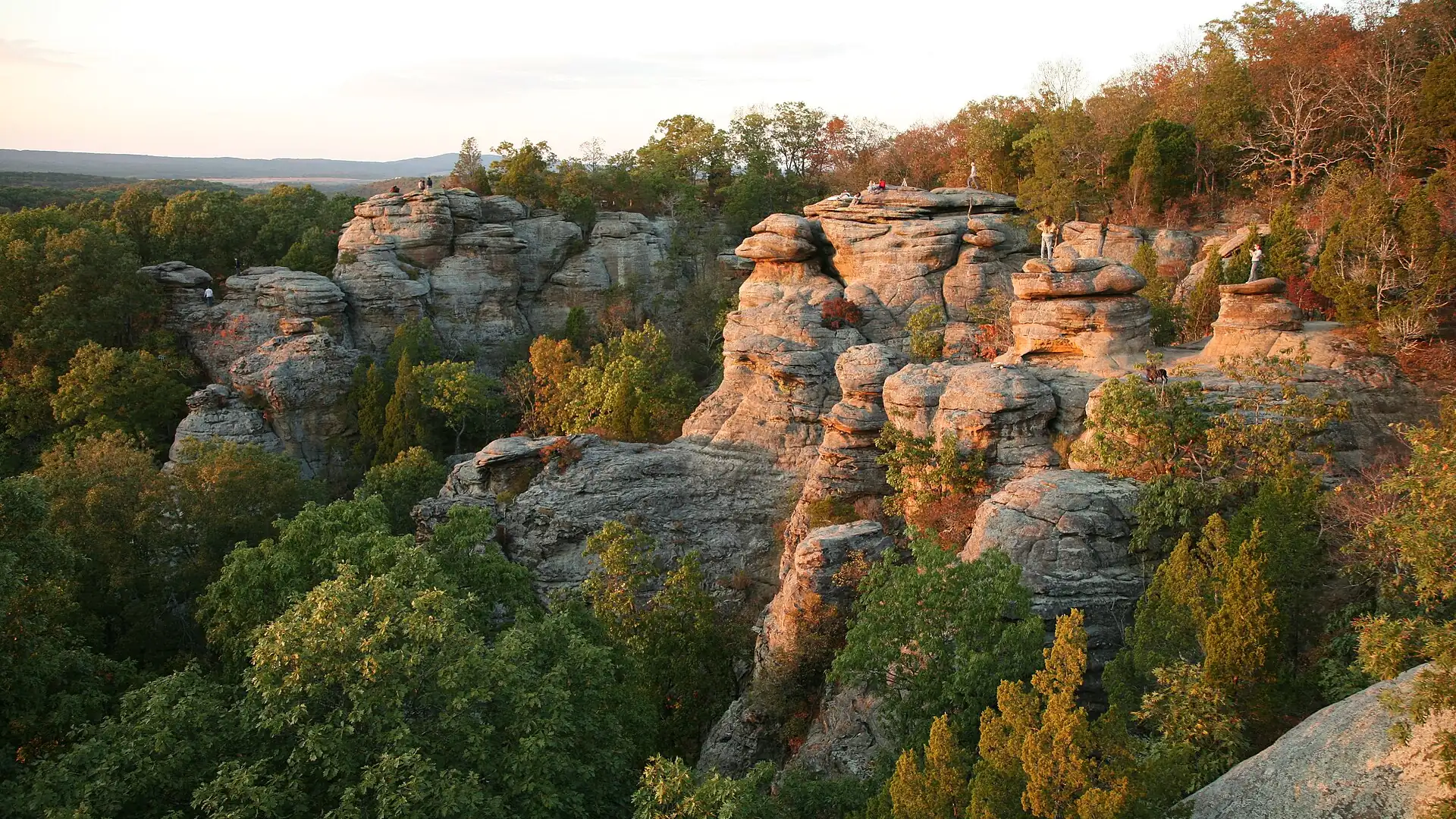
Photo: Daniel Schwen / CC BY-SA 4.0, via Wikimedia Commons
Garden of the Gods rises in the Shawnee National Forest, where weathered sandstone forms towers, ledges, and memorable shapes above the trees. Camel Rock is among the best-known formations, giving the view a recognizable landmark without reducing the whole landscape to one image.
Follow the established Observation Trail and use the interpretive signs to understand how erosion shaped the rock. The short developed route still includes uneven stone and exposed areas, so it deserves careful footing and close attention around children.
Spring and fall can be particularly comfortable for walking, while each season changes the forest around the formations. Give the wider view as much attention as the nearest rock, enjoying the relationship between sandstone and wooded hills.
Insider tip: Photograph formations from established walking areas and let a wider frame capture the forest below them.
Where: Herod, Illinois
2. Cahokia Mounds State Historic Site, Collinsville
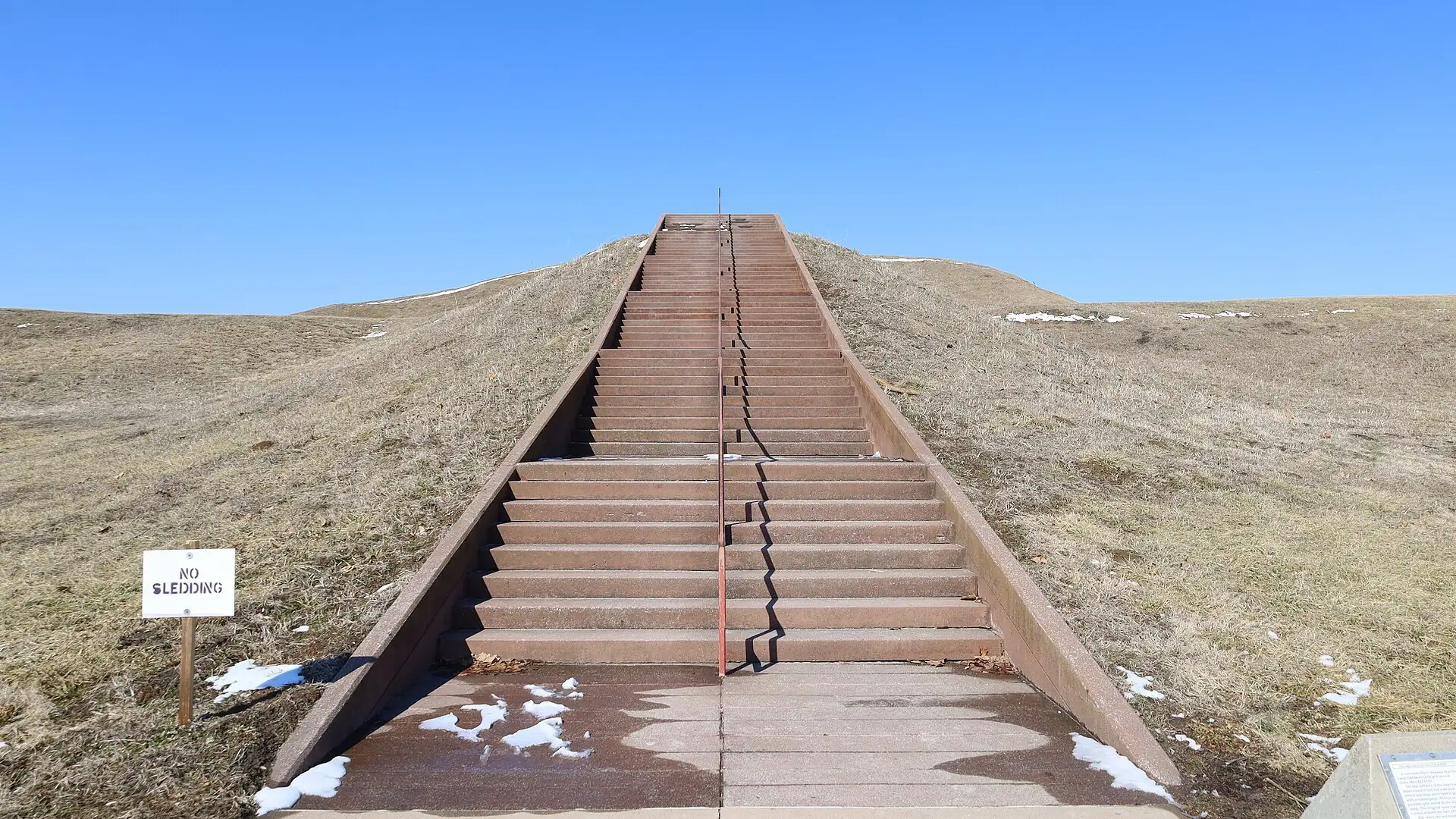
Photo: Antony-22 / CC BY-SA 4.0, via Wikimedia Commons
Cahokia preserves the central remains of a major Indigenous city associated with the Mississippian cultural tradition. Monks Mound dominates the site, and the site’s UNESCO World Heritage designation reflects its exceptional archaeological significance.
Build the visit around the open grounds and designated outdoor routes, with Monks Mound providing a powerful sense of scale. The interpretive center is undergoing renovation, so the outdoor landscape and available interpretation should carry your expectations for the visit.
This is a place to slow down and think about the people who built and inhabited the city. Cooler walking weather can make the exposed grounds more comfortable, but water and sun protection remain useful companions.
Insider tip: Read the outdoor interpretation before taking your main photographs, so the landforms have a clearer meaning.
Where: Collinsville, Illinois
3. Giant City State Park, Makanda
Giant City State Park is known for sandstone bluffs and narrow passages that inspired the name Giant City Streets. Forest, moss, and ferns soften the rock setting, creating a landscape that feels different from an open bluff overlook.
Choose an established walking route that suits your group and enjoy the changing relationship between stone and vegetation. The Giant City Nature Trail is a familiar introduction to the formations, while the park’s visitor interpretation adds context to the geology and natural history.
Spring can bring fresh growth and wildflowers, with fall adding another reason to walk the wooded landscape. Take the passages at a comfortable pace, leaving the rocks themselves as scenery instead of treating every ledge as a climbing opportunity.
Insider tip: Wear shoes with traction for damp stone and leaf-covered sections of path.
Where: Makanda, Illinois
4. Cache River State Natural Area, Belknap
Cache River State Natural Area protects southern Illinois wetlands, including bald cypress and tupelo swamp habitat. The cypress trees’ broad, flared bases create one of the area’s defining sights, with a floodplain landscape shaped by a much larger river system in the distant past.
Use designated walking or paddling access appropriate to your experience. A shore-based visit can reveal plenty through the trees, water, and birdlife, while a paddle outing calls for a separate plan and suitable equipment.
Spring and fall offer appealing opportunities to appreciate the wetland setting without the strongest summer heat. Let observation become the activity, noticing tree shapes and reflections without needing to approach wildlife or leave the public route.
Insider tip: Bring binoculars and take time looking into the vegetation from established viewing areas.
Where: Belknap, Illinois
5. Bishop Hill, Bishop Hill
Bishop Hill began as a Swedish religious communal settlement in the nineteenth century, and surviving colony buildings remain central to the village. The Colony Church and historic hotel help make that story visible on the streets.
Explore the village and public historic areas with time for the architecture as well as contemporary shops. The state museum is temporarily closed, so the broader village setting and accessible historic interpretation provide the basis for a visit.
A walk here can be particularly rewarding if you enjoy understanding how a community was organized around shared beliefs and work. Spring through fall makes outdoor exploration comfortable, while winter adds a different atmosphere to the old buildings.
Insider tip: Look at the relationship between the church, public green, and surrounding buildings to understand the colony’s layout.
Where: Bishop Hill, Illinois
6. Pere Marquette State Park, Grafton
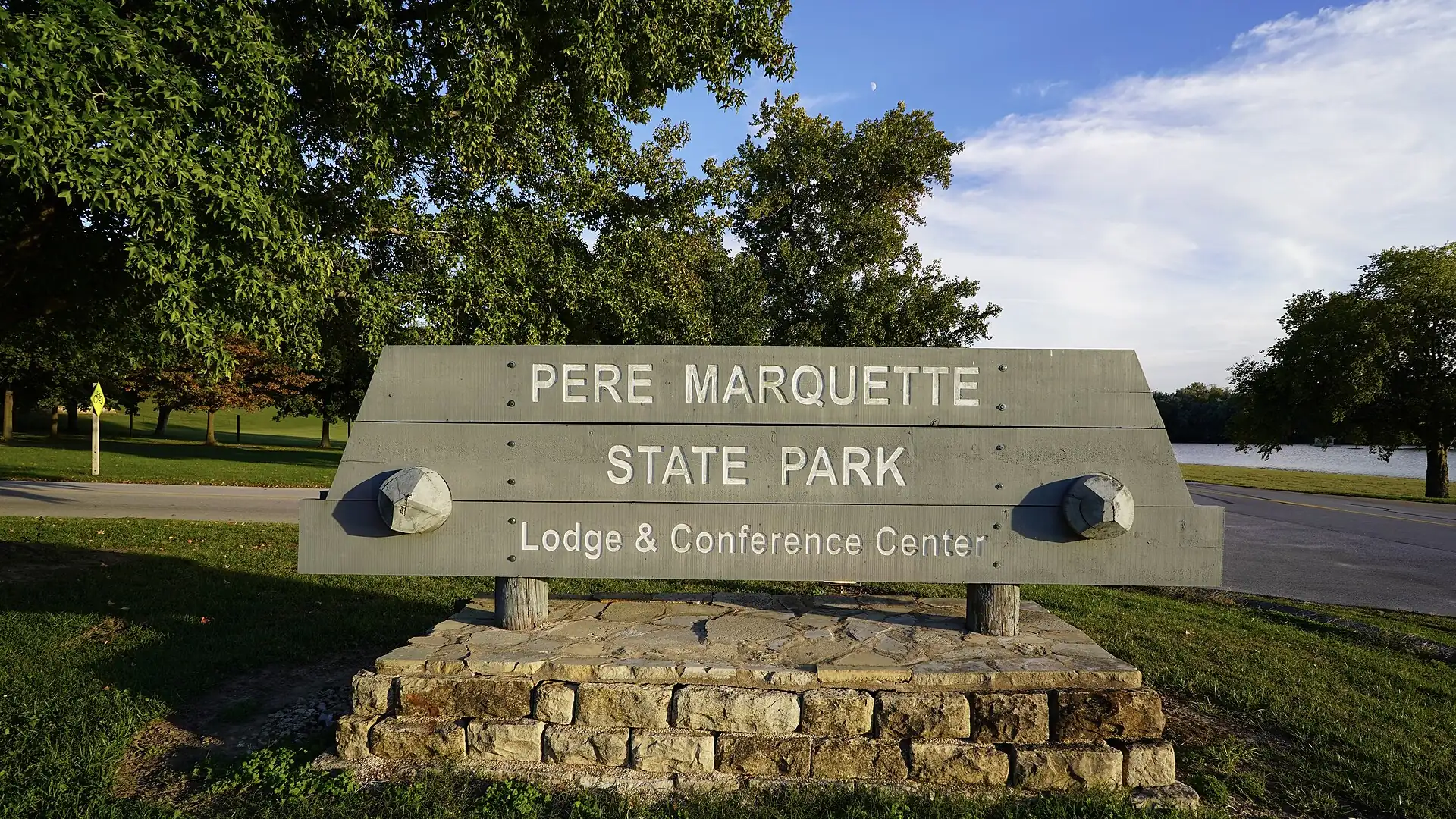
Photo: Quentin Melson / CC BY-SA 4.0, via Wikimedia Commons
Pere Marquette State Park occupies wooded bluff country above the Illinois River near Grafton. Its elevated views and historic lodge make the park appealing for both an active walking day and a more relaxed scenic visit.
Choose a trail or designated viewpoint according to your group’s energy, giving the river landscape time to register. The bluff setting adds elevation changes to some walks, so a short route can still feel more substantial than a flat riverside stroll.
Fall brings color to the wooded slopes, while cooler months can offer a more open view through the trees. Pair the outdoor setting with a comfortable pause, keeping the day’s activities manageable rather than trying to cover the whole park.
Insider tip: Pick your walking route for its terrain as well as its length, especially with a mixed-ability group.
Where: Grafton, Illinois
7. Mississippi Palisades State Park, Savanna
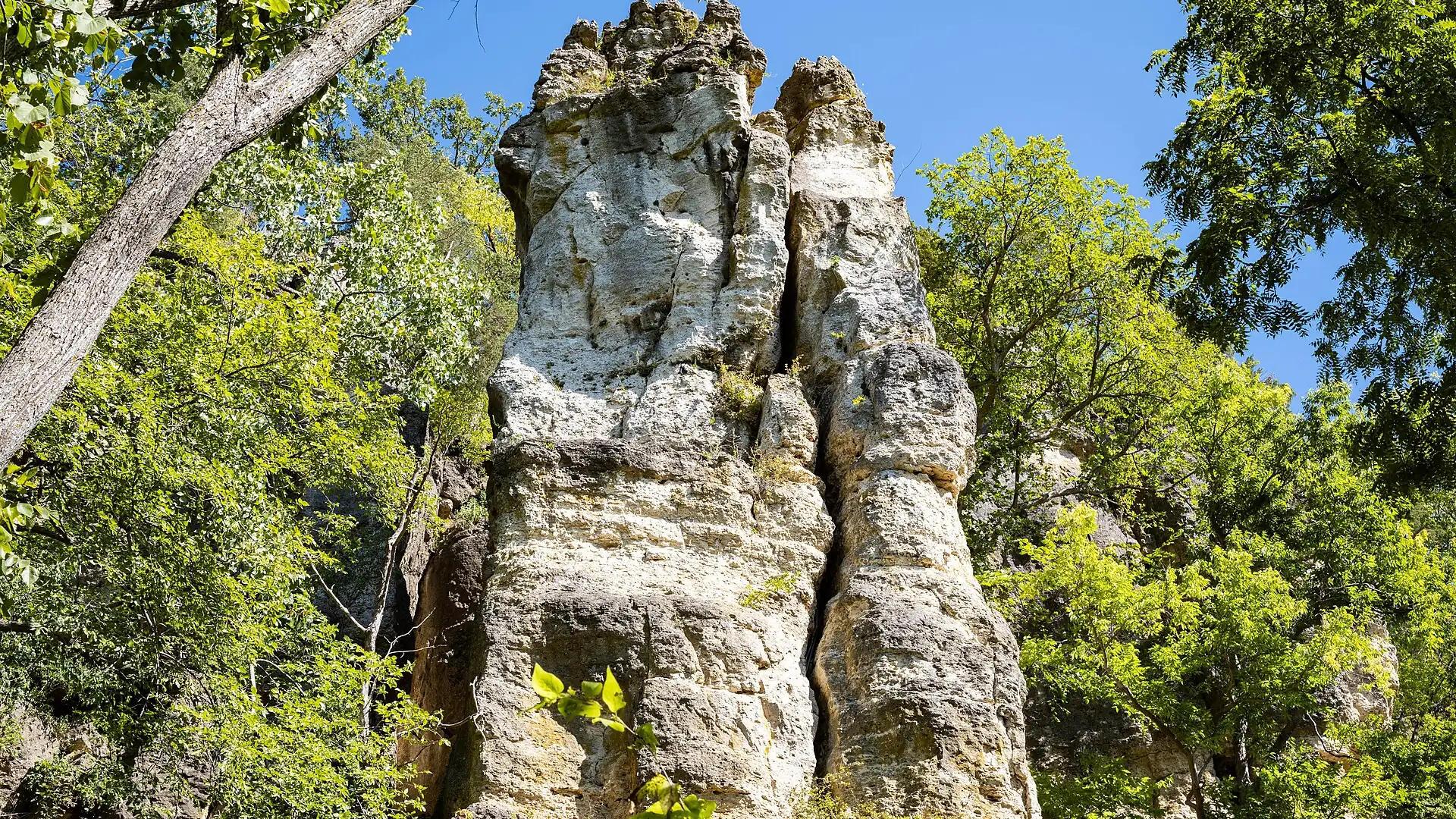
Photo: rboed* / CC BY 2.0, via Wikimedia Commons
Mississippi Palisades State Park overlooks the river from a landscape of wooded bluffs and distinctive rock formations. Its name reflects the steep, wall-like terrain that makes this part of the Mississippi corridor visually different from a low riverbank.
Use established overlooks and marked trails for the views, keeping well back from exposed edges. The river’s broad scale becomes especially clear from above, with islands, water, and wooded slopes contributing to the scene.
Spring and fall are natural choices for a walking visit, with fall foliage adding another layer of color. You can also keep the outing focused on designated viewpoints when a longer hike does not fit your plans.
Insider tip: Bring a camera strap or secure phone grip so photography does not distract from careful footing near overlooks.
Where: Savanna, Illinois
8. Superman Statue, Metropolis
Metropolis gives its name a playful public landmark with a Superman statue in the downtown square. The oversized figure has become a defining town photo stop, while the nearby Super Museum adds a separate collection of superhero memorabilia.
Take the photograph, then spend a little time looking at the setting around the statue. This is an easy change of pace from the list’s forests and bluffs, particularly for families who enjoy a recognizable character amid a broader road trip.
The outdoor statue can be part of a straightforward town visit in any season, with interior attractions arranged separately. You do not need a special event to enjoy the landmark and appreciate how strongly the town has embraced its superhero identity.
Insider tip: Try one close photograph and one wider view that includes the square, giving the souvenir image a clearer sense of place.
Where: Metropolis, Illinois
9. Cave-in-Rock State Park, Cave-in-Rock
Cave-in-Rock State Park takes its name from a large limestone cave beside the Ohio River. The riverfront opening and wooded bluffs create a setting that combines geology with the long human story of travel along the waterway.
Use the established public route to appreciate the cave when access is permitted, without treating the shoreline as an unrestricted playground. River levels influence this environment, and the wider park’s views and wooded areas add substance beyond the cave entrance.
A visit is especially satisfying when you give the river landscape equal attention. Spring through fall suits an outdoor outing, with comfortable footwear and a modest walking plan helping you enjoy the terrain.
Insider tip: Carry a light for appreciating darker interior details only where the public route permits entry, keeping hands free for uneven footing.
Where: Cave-in-Rock, Illinois
10. Castle Rock State Park, Oregon
Castle Rock State Park sits along the Rock River, with a sandstone bluff providing the park’s namesake landmark. Wooded ravines and upland areas give the landscape variety beyond the river view.
Choose an established trail or designated overlook and let the combination of rock, trees, and water carry the visit. The park offers a strong introduction to this part of northern Illinois without requiring an elaborate activity plan.
Fall can be particularly attractive in the wooded terrain, while spring and summer bring different colors and textures. Keep the walk suited to your group and leave enough time at the view to appreciate why the bluff became the park’s defining feature.
Insider tip: Include a quiet viewpoint pause in the outing, with time to notice the river’s shape through the landscape.
Where: Oregon, Illinois
11. Lake of Egypt, Marion
Lake of Egypt is a reservoir south of Marion, created on the South Fork of the Saline River to support power generation. Its wooded coves and irregular shoreline have also made it a well-established recreation destination in southern Illinois.
Public recreation is available through designated access and visitor facilities, but much of the surrounding shore is privately owned. Choose a specific lawful access point or an authorized rental arrangement before building your lake day.
Summer is the most natural fit for a water-oriented visit, with spring and fall offering a different look at the wooded shores. A rewarding outing can be as simple as a suitable public viewpoint or a properly arranged boat trip, depending on your interests.
Insider tip: Save the exact public access or marina location for your plans, not a general pin that may lead toward private shoreline.
Where: Marion, Illinois
Map of the places
Tap a place to open it in Google Maps:
- Garden of the Gods, Herod
- Cahokia Mounds State Historic Site, Collinsville
- Giant City State Park, Makanda
- Cache River State Natural Area, Belknap
- Bishop Hill, Bishop Hill
- Pere Marquette State Park, Grafton
- Mississippi Palisades State Park, Savanna
- Superman Statue, Metropolis
- Cave-in-Rock State Park, Cave-in-Rock
- Castle Rock State Park, Oregon
- Lake of Egypt, Marion
Tips for planning your Illinois trip
- Choose a regional cluster, since the southern forests, Mississippi bluffs, and northern river parks do not fit one short outing.
- Use spring and fall for comfortable walking, with summer lake plans and winter visits prepared for their specific conditions.
- Pack water, sun protection, traction-focused shoes, a weather layer, and binoculars for wetland or river observation.
- Arrange lodging, authorized boat rentals, and any guided activities before adding more stops to the itinerary.
- Check current conditions, official closures, trail access, river levels, renovation notices, and facility operations before traveling.
- Stay on public routes and respect private shorelines, historic structures, wildlife habitat, and exposed bluff edges.
FAQ
Are these places all quiet or little known?
No, several are prominent destinations with established visitor facilities. Their appeal is the distinctive scenery or history they add to an Illinois trip, not a promise of empty trails.
Can you enjoy the list without difficult hiking?
Yes, the destinations include town landmarks, historic grounds, public viewpoints, and options for shorter walks. Match each route to your group’s abilities and keep the more demanding trails optional.
Do you need to visit every place on one trip?
No, the locations are spread across Illinois and suit several separate getaways. Choose a region and leave time to understand the places you visit.
Final thoughts
Illinois becomes more interesting when you give its less expected landscapes and histories room in the itinerary. Save the places that match your route, use the established public access, and let a sandstone view, an ancient mound, or a wetland scene broaden your picture of the state.

