
Hidden gems in Idaho with very different seasons
Idaho can take you from black lava to pale sand and then into a cool underground passage. These hidden gems in Idaho bring together eleven distinctive landscapes and historic recreation places, each with a reason to do more than take a photograph and leave.
Several are well-established destinations, and the statewide selection is not a single driving route. You can plan Idaho trips year-round, but particular experiences have specific seasons: the Hiawatha ride and Minnetonka Cave belong to their operating periods, while mountain hot-springs access changes with snow and thaw.
1. Craters of the Moon National Monument, Arco
Craters of the Moon preserves lava flows, cinder cones, and volcanic features associated with the Great Rift. The exposed dark terrain offers a striking contrast with the forested mountain scenery many visitors first associate with Idaho.
Choose established paths and viewpoints that suit your group, giving the lava’s varied textures close attention. Small plants surviving in the rock provide another part of the story, showing how life occupies a seemingly spare landscape.
Warm-season walks need water and sun protection, while winter changes the kinds of travel available within the park. The outdoor volcanic landscape is rewarding without a cave visit, which is a separate activity with its own access requirements.
Insider tip: Choose one short walk for close observation before adding more stops, so the lava becomes more than a view through the windshield.
Where: Arco, Idaho
2. Bruneau Dunes State Park, Mountain Home
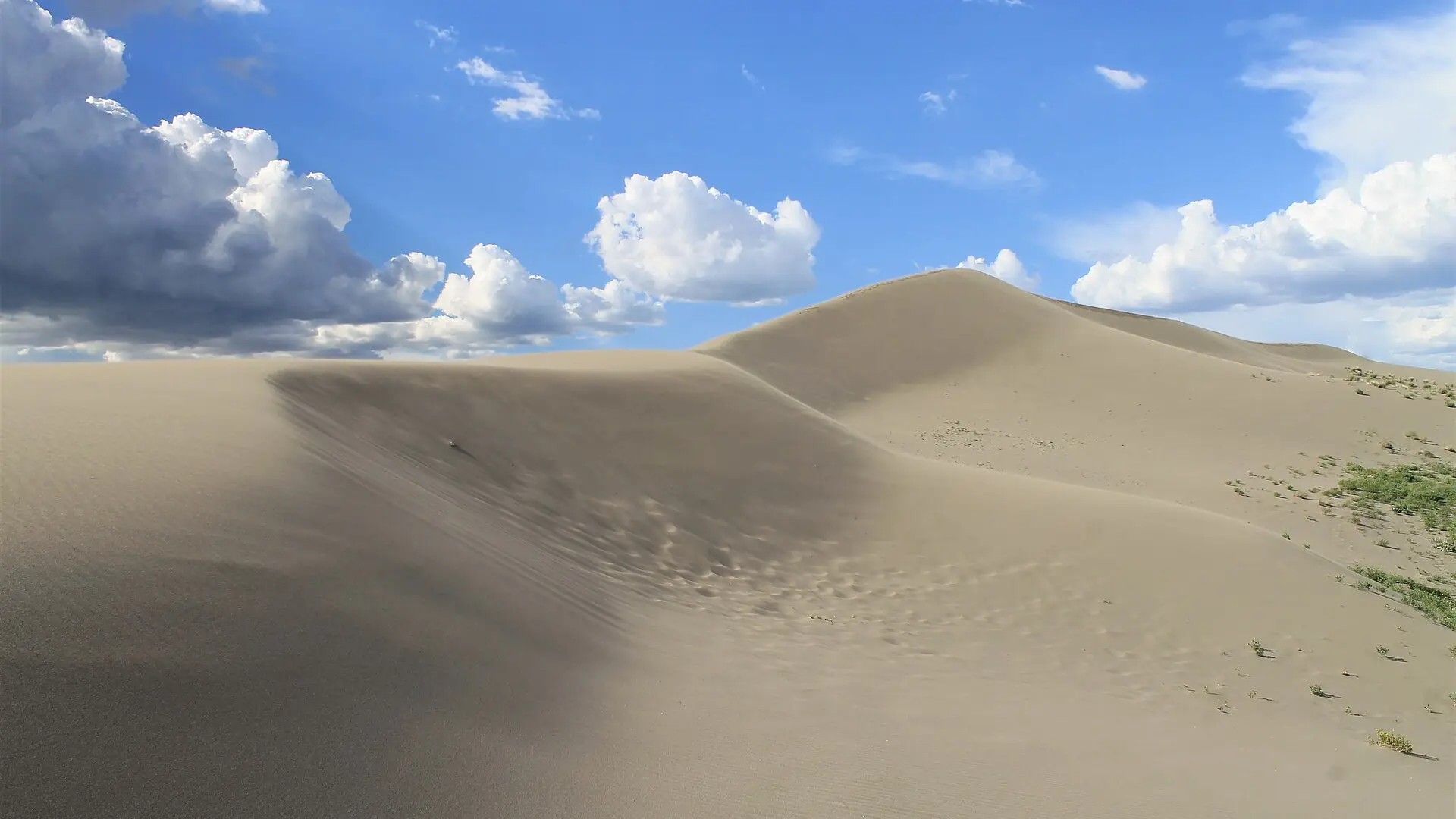
Photo: Rickmouser45 / CC BY-SA 4.0, via Wikimedia Commons
Bruneau Dunes brings large inland sand dunes into Idaho’s desert landscape, with lakes near their base adding an unexpected contrast. The park’s observatory provides another reason to visit, connecting an outdoor stay with scheduled night-sky interpretation.
Explore a manageable portion of the dunes according to your group’s energy and the temperature. Walking in loose sand asks more effort than a firm trail, so a modest outing can still feel like a substantial change of scene.
Spring and fall are appealing for daytime exploration, with summer heat shaping how much time you spend on exposed sand. An overnight plan can add stargazing when the observatory’s program and weather support it.
Insider tip: Carry water from the start and choose a comfortable turnaround point before climbing farther into the dunes.
Where: Mountain Home, Idaho
3. Big Springs, Island Park
Big Springs is a major spring source of the Henrys Fork, with clear water emerging in eastern Idaho’s forested Island Park country. The nearby Johnny Sack Cabin adds a human-scale landmark, known for its distinctive log construction and craftsmanship.
Enjoy the water from established public viewing areas, noticing how the current becomes visible through plants and reflections. A cabin visit, when available during its visitor season, adds context to the place without needing to dominate the outing.
Summer is the most straightforward season for a conventional day trip, while winter requires a different access plan. The spring setting itself rewards patient observation, giving you a reason to pause even on a trip with larger destinations ahead.
Insider tip: Leave the water and wildlife undisturbed, using the designated viewing space for your photographs.
Where: Island Park, Idaho
4. Thousand Springs State Park, Hagerman
Thousand Springs State Park is a collection of separate units in the Snake River region, not one enclosed attraction. Malad Gorge’s steep-walled landscape and Ritter Island’s agricultural history illustrate how varied those units can be.
Choose one or two areas for a focused visit, matching their public routes to your interests. A geology-oriented outing and a history-oriented outing require different plans, so the park becomes more rewarding when you decide what you want to understand.
Spring through fall offers broad possibilities, though individual units and facilities have seasonal operations. Give each chosen area enough attention to appreciate its water, rock, or historic landscape without spending the whole day relocating.
Insider tip: Save the exact unit name and public parking destination, since a general park pin may lead somewhere different from your intended outing.
Where: Hagerman, Idaho
5. Hells Canyon National Recreation Area, Riggins
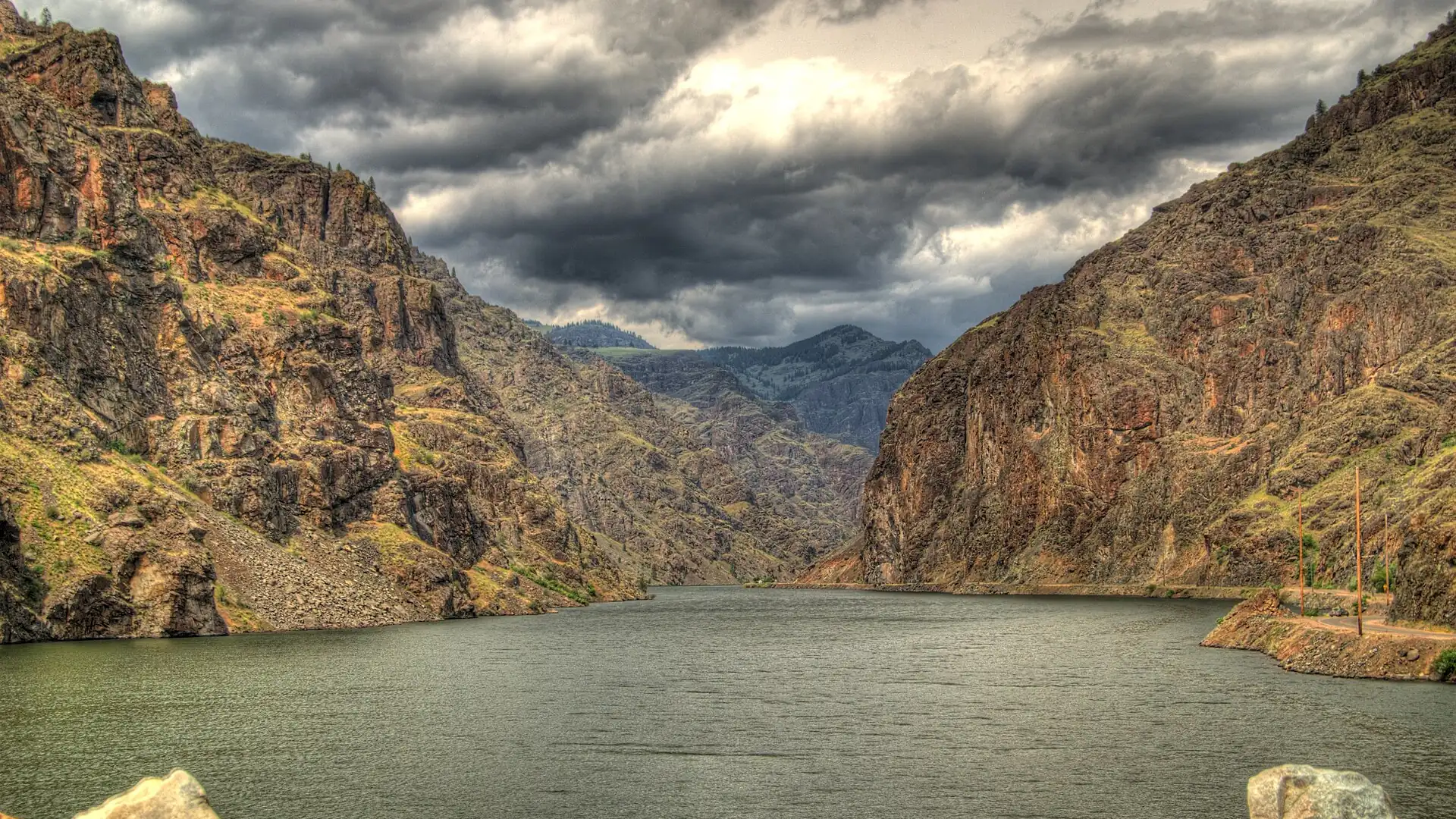
Photo: Art Bromage from Seattle / CC BY-SA 2.0, via Wikimedia Commons
Hells Canyon centers on the Snake River and its immense gorge along the Idaho-Oregon border. Riggins is a regional gateway for exploring this broader country, not a town sitting directly at every canyon viewpoint or river launch.
Choose a specific authorized excursion or public recreation destination before setting out from your base. The canyon’s steep terrain and remote setting make advance route planning part of the experience, especially when a guided river trip is your main interest.
The season affects high-country road access and the kind of outing that makes sense. Give the landscape a realistic place in your trip, allowing for a substantial excursion instead of expecting a casual drive through a single park entrance.
Insider tip: Select the actual launch, trailhead, or viewpoint associated with your outing before choosing where to stay.
Where: Riggins, Idaho
6. City of Rocks National Reserve, Almo
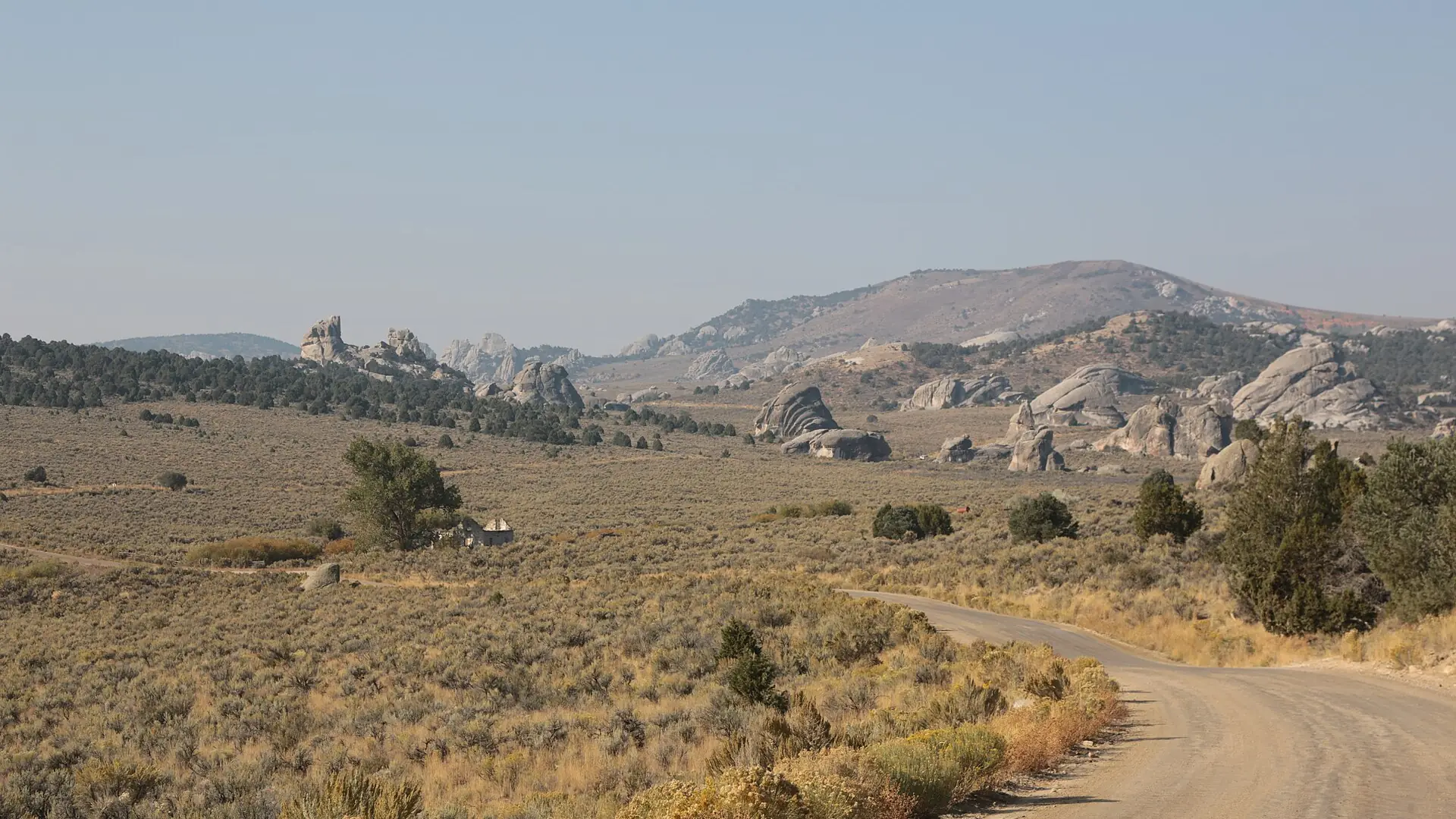
Photo: Daniel Schwen / CC BY-SA 4.0, via Wikimedia Commons
City of Rocks is a landscape of weathered granite spires, domes, and rounded formations in southern Idaho. Its position along the California Trail adds an emigrant-history layer to terrain with much older Indigenous significance.
Walk an established route and notice how the formations change shape as your viewpoint shifts. You can enjoy the reserve without rock-climbing experience, letting the geology and historical interpretation carry the visit.
Spring and fall often suit comfortable exploration, with summer bringing stronger exposure on open ground. Give the rock surfaces and historic markings appropriate respect, observing them without touching or adding anything of your own.
Insider tip: Take photographs from several established positions to see how one formation changes against the surrounding skyline.
Where: Almo, Idaho
7. Burgdorf Hot Springs, McCall
Burgdorf is a historic hot-springs property in the Payette National Forest country north of McCall. Log-sided geothermal pools and rustic cabins give it an atmosphere shaped by its history and remote mountain setting.
Plan every visit through the property’s reservation system, choosing a soak or an overnight stay deliberately. The cabins are basic, with no running water or electricity, so an overnight visit calls for preparation closer to camping than a conventional hotel stay.
Vehicle access belongs to the road’s passable season, while winter access is by snowmobile and thaw or freeze-up can bring temporary closures. Choose a date and transport plan that fit the experience you actually want, with the journey receiving as much attention as the pool.
Insider tip: Read the property’s packing guidance before reserving a cabin, so the rustic setting feels comfortable when you arrive.
Where: McCall, Idaho
8. Minnetonka Cave, St. Charles
Minnetonka Cave takes you into a cool limestone environment above the Bear Lake region. Guided tours reveal chambers and mineral formations, with stairs making the visit a physical outing as well as an underground sightseeing experience.
Plan for the cave’s seasonal guided operation and choose it only when everyone is comfortable with substantial stair use. The cool interior calls for a layer even when the outside weather feels summery, and damp steps make dependable footwear useful.
Listen to the guide and leave formations untouched, preserving the surfaces that make the cave special. Follow the cave’s equipment restrictions for protecting bats, including rules about items previously used in other caves or mines.
Insider tip: Use a clean set of clothing and gear designated for this cave visit, following the operator’s bat-protection instructions.
Where: St. Charles, Idaho
9. Balanced Rock, Buhl
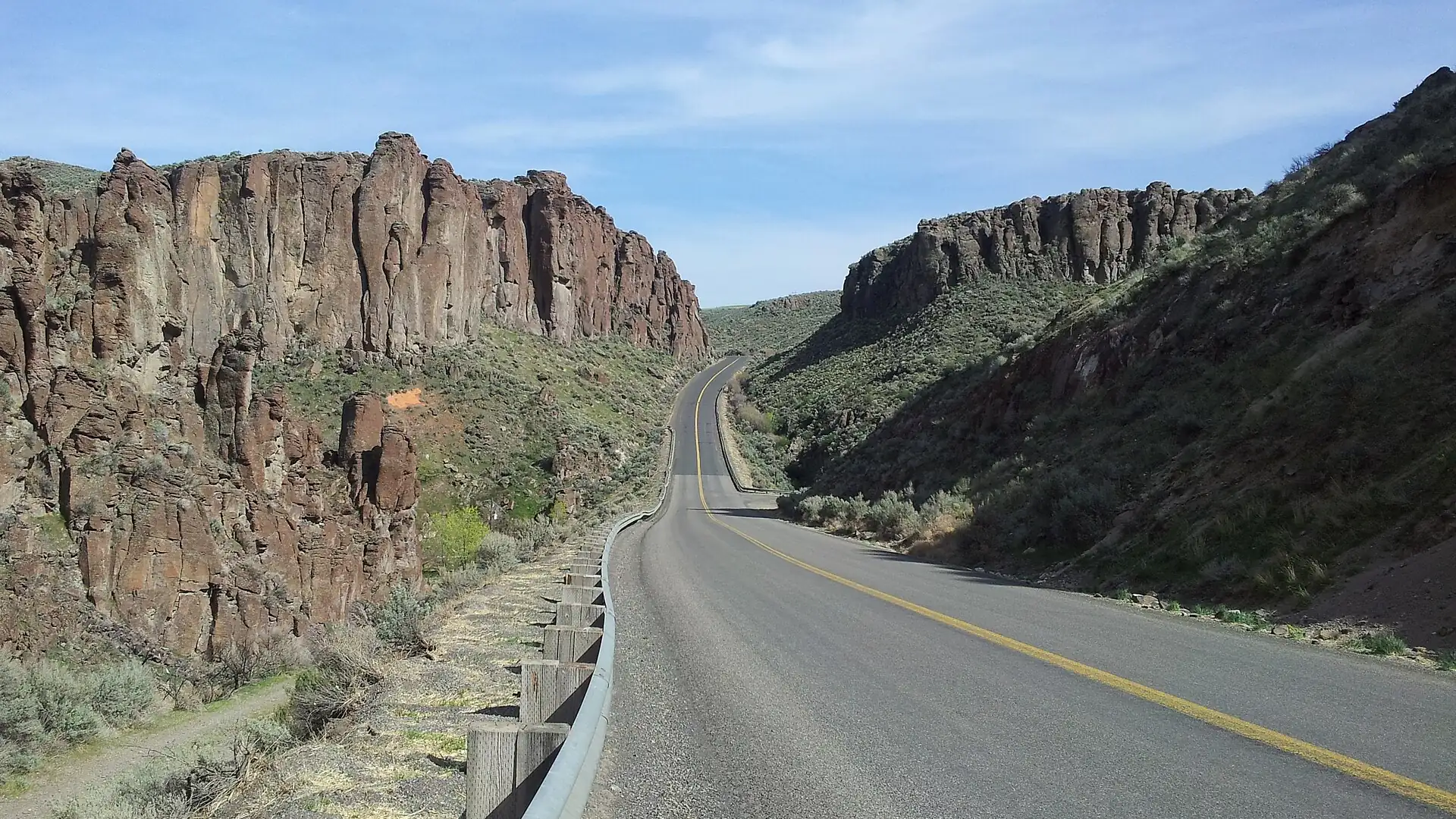
Photo: Levieuxchiendetalus / CC BY-SA 3.0, via Wikimedia Commons
Balanced Rock stands in the Salmon Falls Creek Canyon landscape near Buhl, with a large weathered mass supported by a narrow pedestal. The shape makes erosion easy to imagine, turning a familiar geological process into an immediately memorable view.
Enjoy the formation from suitable public viewing areas, keeping the rock itself as something to observe. The nearby park setting provides an option for a picnic-oriented pause, giving the stop a little more room than a hurried roadside photograph.
Spring and fall can be comfortable for an exposed-landscape visit, while summer calls for careful sun and heat planning. Look beyond the pedestal too, appreciating the surrounding canyon terrain that gives the formation its setting.
Insider tip: Include surrounding ground and sky in one photograph so the formation’s scale is easier to understand.
Where: Buhl, Idaho
10. Kirkham Hot Springs, Lowman
Kirkham sits beside the South Fork Payette River, where geothermal water creates small steaming cascades and riverbank pools. The setting connects the hot springs directly with a rugged river landscape, making it visually interesting even without a soak.
Use the designated day-use access and move carefully on uneven, slippery rock. Water temperatures vary, and the river is a separate moving-water hazard, so keep your plans conservative and your footing deliberate.
Cooler weather can make the contrast between steam and river especially appealing, while snow or high water changes the visit substantially. Keep the outing within the public day-use rules, leaving the site clean and keeping soap out of the water.
Insider tip: Pack a dry layer and a separate bag for wet items if a permitted soak is part of your visit.
Where: Lowman, Idaho
11. Route of the Hiawatha, Mullan
The Route of the Hiawatha follows a former Milwaukee Road railway through the Bitterroot Mountains, with tunnels and high trestles central to the ride. Its rail engineering gives the scenery a specific historical structure, turning the outing into more than an ordinary bike path.
Plan for the trail’s published warm-season operation; it is not a year-round cycling attraction. Mullan is an Idaho-area base, while the principal East Portal trailhead is across the border in Montana, an important distinction when saving your navigation destination.
Arrange suitable bikes, required lighting, and any shuttle plan before the ride. The tunnels are dark and cool, so preparation makes the transition between mountain views and underground passages more enjoyable.
Insider tip: Test your bike light before arriving and keep a warm layer accessible for the tunnel sections.
Where: Mullan, Idaho
Map of the places
Tap a place to open it in Google Maps:
- Craters of the Moon National Monument, Arco
- Bruneau Dunes State Park, Mountain Home
- Big Springs, Island Park
- Thousand Springs State Park, Hagerman
- Hells Canyon National Recreation Area, Riggins
- City of Rocks National Reserve, Almo
- Burgdorf Hot Springs, McCall
- Minnetonka Cave, St. Charles
- Balanced Rock, Buhl
- Kirkham Hot Springs, Lowman
- Route of the Hiawatha, Mullan
Tips for planning your Idaho trip
- Choose a regional grouping, since the northern rail trail, eastern springs, central mountains, and southern volcanic country belong to different travel areas.
- Match dates to the main activity, including seasonal cave tours, the Hiawatha riding season, and Burgdorf’s changing access methods.
- Pack layers, water, sun protection, and appropriate footwear, adding specialized equipment for cycling, cave visits, or winter travel.
- Reserve lodging, hot-springs visits, guided excursions, and trail equipment when they are central to your trip.
- Check current conditions, official closures, road access, water levels, permits, and seasonal operating calendars before finalizing plans.
- Leave enough time for one substantial outing per day, with smaller stops kept flexible around it.
FAQ
Can you visit every destination in any month?
No, the list offers possibilities across the year but includes seasonal attractions and changing mountain access. Choose the experience first and plan for its appropriate operating period.
Do you need a guide at every place?
No, several destinations offer established public paths or viewpoints for independent visits. Cave tours and some river excursions are organized activities, while other outings depend on your skills and preparation.
Is this a single road-trip itinerary?
No, these places are spread across Idaho and include one trailhead across the Montana border. Use the list to choose a focused region and a manageable set of activities.
Final thoughts
Idaho’s variety is most rewarding when the season and the plan fit the place. Save the destinations that interest you, arrange the access each one needs, and give the landscape or history enough time to become the memorable part of the trip.

