
Washington, D.C. – A new legal turning point has emerged from the long shadow of January 6, reshaping how the courts may ultimately judge the events of that day.
In a closely watched decision, U.S. District Judge Amit Mehta ruled that former President Donald Trump cannot use presidential immunity to block civil lawsuits tied to his speech delivered before the attack on the United States Capitol. The outcome does not resolve the case, but it clears a critical path forward.
At the heart of the ruling lies a distinction that may define the entire legal battle: whether Trump was acting as president or as a candidate.
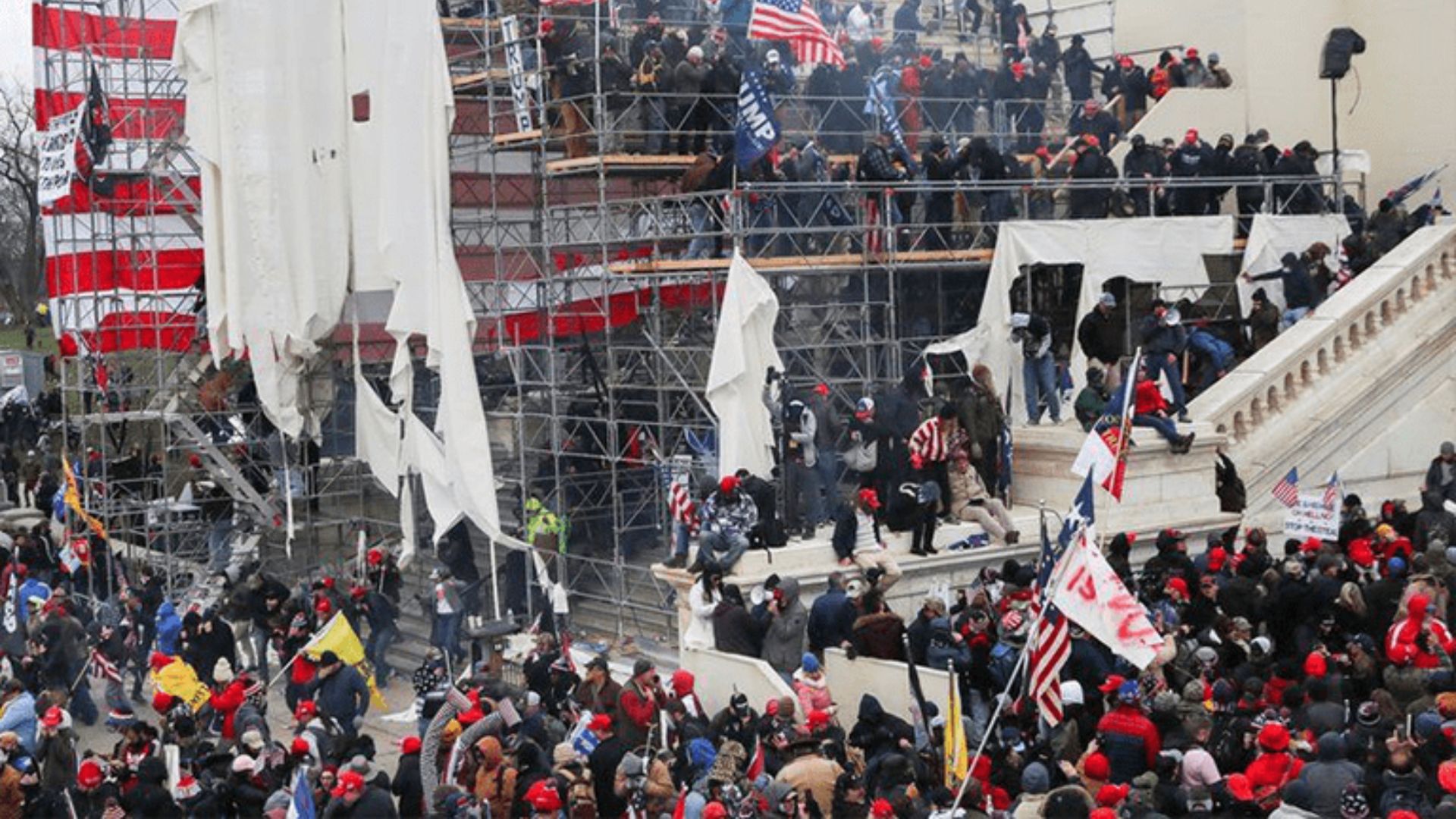
Mehta’s answer was direct. He found that Trump’s appearance at the rally near the National Mall was rooted not in governing, but in his effort to remain in office after losing the 2020 election. That framing strips the event of the protections typically granted to official presidential conduct.
Rather than focusing solely on the speech itself, the court examined the surrounding context, the planning, the people involved, and the absence of traditional White House backing.
According to the ruling, the rally did not carry the institutional weight of the presidency. It was not funded, organized, or promoted through official government channels. Instead, it operated within the orbit of Trump’s reelection effort. That separation proved decisive in determining that immunity does not apply.
“President Trump has not shown that the Speech reasonably can be understood as falling within the outer perimeter of his Presidential duties,” Mehta wrote. “The content of the Ellipse Speech confirms that it is not covered by official-acts immunity.”
The decision arrives against the backdrop of a recent Supreme Court precedent that broadly shielded former presidents from liability for actions taken as part of their official duties.
However, Mehta’s opinion underscores a limit to that protection. When conduct is tied to personal political ambition rather than the responsibilities of the office, the legal shield weakens, and in this case, disappears.
Beyond the speech, the court also revisited Trump’s efforts to challenge election outcomes at the state level.
One moment stood out: a call to Georgia Secretary of State Brad Raffensperger, during which Trump pressed for enough votes to reverse the result in the state. Mehta concluded that this interaction reflected the actions of an office-seeker, not a sitting president executing official duties. That interpretation further reinforced the court’s broader conclusion.
Even so, the ruling is not a total loss for Trump.
Portions of the case remain subject to appeal, and his legal team has already signaled it will continue to fight. In a statement, his attorneys rejected the lawsuits as politically driven and argued that Trump’s conduct on January 6 fell squarely within his role as president. They also pointed to his remarks encouraging supporters to act peacefully as part of their defense.
The lawsuits themselves combine multiple claims brought by Democratic lawmakers and Capitol Police officers, each seeking accountability for the events that unfolded that day. For those plaintiffs, the judge’s decision marks a significant breakthrough, allowing their cases to proceed rather than being dismissed on immunity grounds.
Representative Eric Swalwell, one of the lawmakers involved, described the ruling as an overdue step toward confronting what he views as a direct assault on democratic institutions. His reaction reflects a broader expectation among plaintiffs that the courtroom will now serve as the place where responsibility is examined in detail.
What comes next is likely to be a prolonged legal fight, shaped by appeals, arguments, and competing interpretations of presidential power. The ruling does not answer the central question of liability—but it ensures that the question will be asked, openly and fully. In doing so, it shifts the focus from whether the case can proceed to what the evidence will ultimately reveal about one of the most consequential days in recent American history.

