
New York – President Donald Trump is facing a deepening storm of criticism after an Easter Sunday post on Truth Social jolted both Washington and the broader public, especially from New York’s House Democratic leader Hakeem.
In the message, Trump issued a profanity-filled warning tied to Iran and the strategically critical Strait of Hormuz, setting off immediate political backlash and sharpening concerns about his conduct as commander in chief.
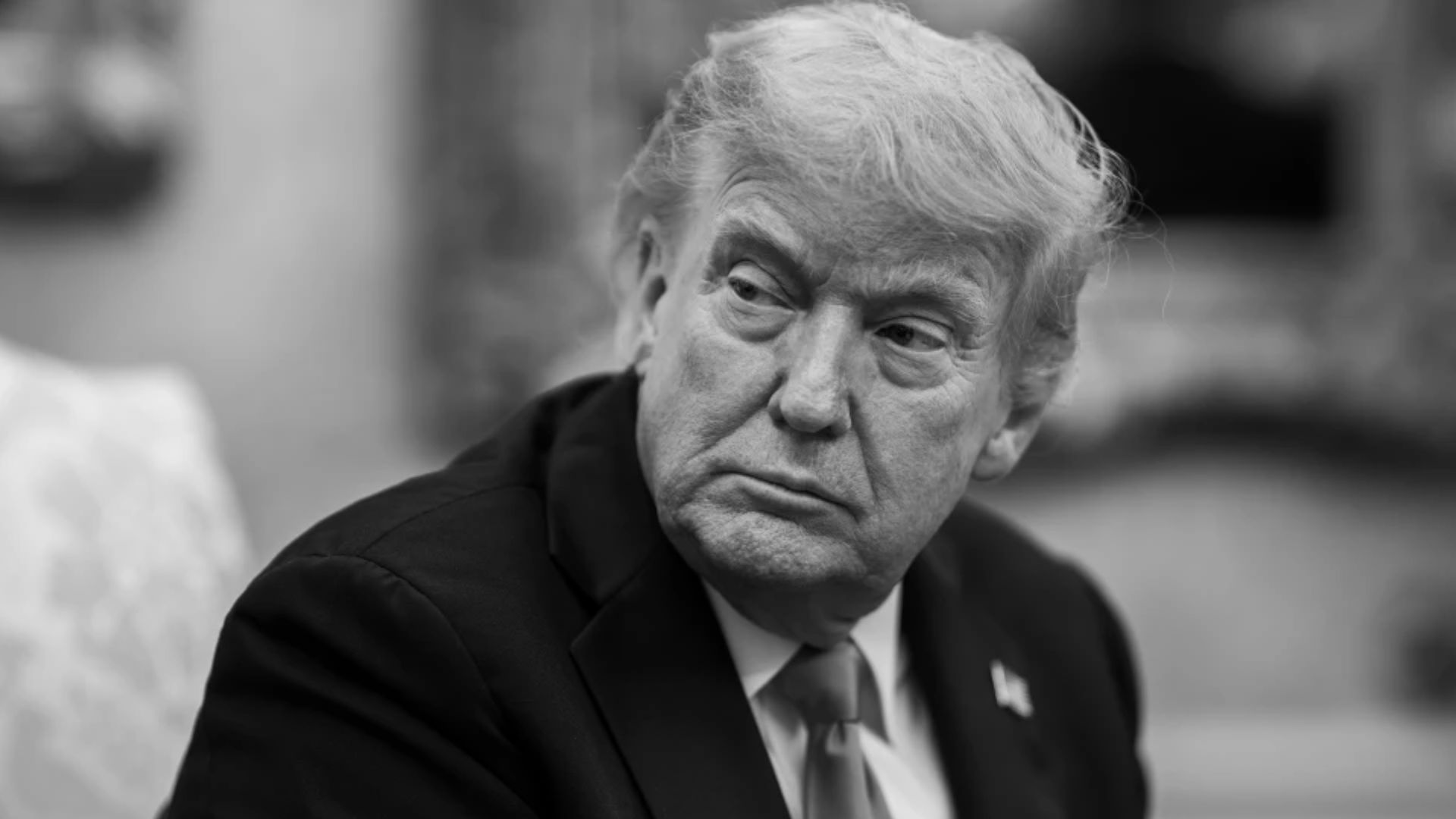
What began as outrage over the substance and tone of the post soon widened into a more personal and politically explosive debate about Trump’s temperament, judgment, and fitness for office.
That fallout spread quickly beyond foreign policy.
House Democratic leader Hakeem Jeffries was among those who openly questioned Trump’s state of mind, calling his behavior unhinged and far outside the bounds of normal presidential conduct.
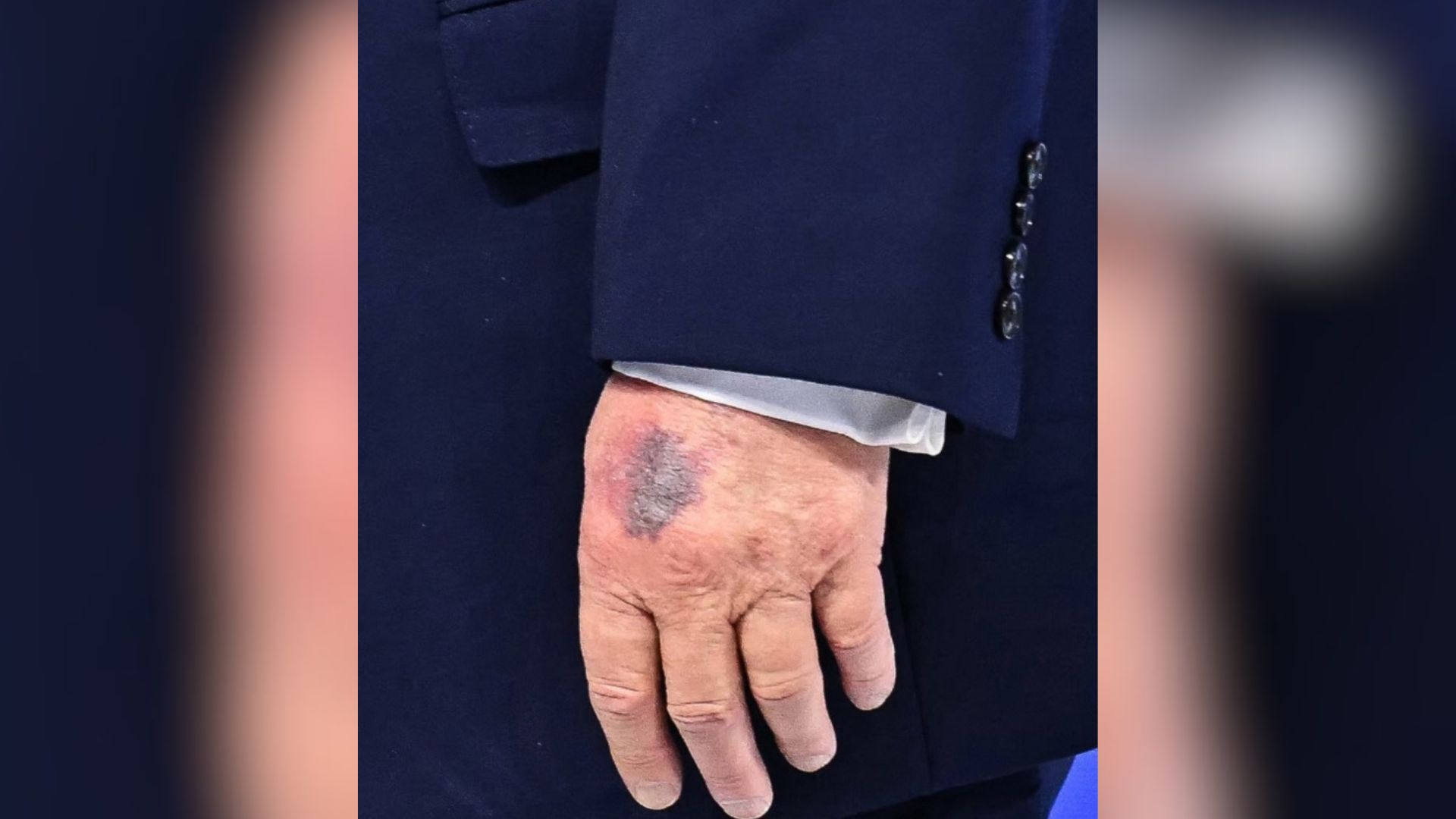
The White House, meanwhile, rejected speculation about Trump’s health and pushed back at online rumors, but the controversy kept growing.
As the Iran crisis collided with domestic politics, attention shifted from the president’s rhetoric alone to a broader conversation about stability at the top of the American government.
The sharpest public assessment came from MS NOW medical analyst Dr. Vin Gupta, who said Trump was displaying “all the signs of dementia” after the Easter message drew national attention.
Gupta pointed to what he described as a troubling pattern rather than a single isolated outburst. Reacting to the president’s words, he listed what he saw as a series of warning signs: “Erratic. Can’t finish sentences. Often confused. Illogical train of thought. Word finding difficulties. Developing and worsening gradually over time.” He then added bluntly, “The president is exhibiting all the signs of dementia.”
Erratic.
Can’t finish sentences.
Often confused.
Illogical train of thought.
Word finding difficulties.Developing and worsening gradually over time.
The President is exhibiting all the signs of dementia.
— Dr. Vin Gupta (@VinGuptaMD) April 5, 2026
The message at the center of the controversy was unusually explosive even by Trump’s standards. In the post, he wrote, “Tuesday will be Power Plant Day, and Bridge Day, all wrapped up in one, in Iran. There will be nothing like it!!! Open the F****** Strait, you crazy b*******, or you’ll be living in H*** – JUST WATCH! Praise be to Allah.”
The statement followed several days in which Trump was largely out of public view, a gap that fueled online speculation and intensified scrutiny over his condition.
Gupta said this was consistent with concerns he has raised in recent months, describing what he called a worsening “trend line.”
He also referred to Trump’s family history, noting that his father suffered from dementia later in life, something he suggested should not be ignored when evaluating possible cognitive decline. The discussion widened further as attention returned to Trump’s repeated boasts that he had “aced” cognitive exams.
Gupta argued those tests were not necessarily reassuring, saying, “This is not the flex he thinks it is,” and adding that repeated use of the Montreal Cognitive Assessment “usually” suggests monitoring for impairment rather than proof of strength.
Psychologist John Gartner echoed that argument, saying, “If you’re giving it to him three times, that means you’re not assessing dementia. That means you’re monitoring dementia.”
Others close to Trump or long familiar with him have also raised alarms.
On the political front, criticism came from more than one direction. Former Congresswoman Marjorie Taylor Greene condemned Trump’s rhetoric, saying “he has gone insane” and arguing that Congress should “intervene in Trump’s madness.”
For now, no formal action has been launched, and the White House remains dismissive of the accusations. But the episode has pushed an old question back to the center of national politics. The debate is no longer only about Trump’s words, or even about Iran.
It is increasingly about whether the man occupying the Oval Office is showing signs of deeper decline, and whether the country can afford to ignore that possibility.

