
California – In recent years, states have begun carving out their own paths to confront the rising cost of prescription drugs, with California standing at the forefront of that effort.
Through a steady build-up of policy changes, the state has pushed for more transparency, tighter oversight, and direct intervention in how medications are priced and distributed.
Yet just as those efforts gain momentum, a new federal move is poised to reshape the landscape in a dramatically different direction.
California’s strategy has unfolded over time, layer by layer.
Officials have required advance notice for significant price increases, targeted industry practices that delay cheaper alternatives, and introduced stricter rules for pharmacy benefit managers. These intermediaries, long criticized for opaque pricing tactics, are now under pressure to pass savings directly to patients and insurers.

At the same time, the state has leaned into its own purchasing power, using programs like Medi-Cal to negotiate more favorable terms while placing caps on essential medications such as insulin.
Perhaps the most ambitious step has been the launch of CalRx, a state-backed initiative designed to produce affordable generic drugs and biosimilars. The goal is simple but bold: introduce competition where prices have remained stubbornly high, and give consumers a lower-cost alternative that is not tied to traditional pharmaceutical pricing models.
Together, these measures reflect a broader attempt to bring relief to patients who have long faced unpredictable and often overwhelming medication costs.
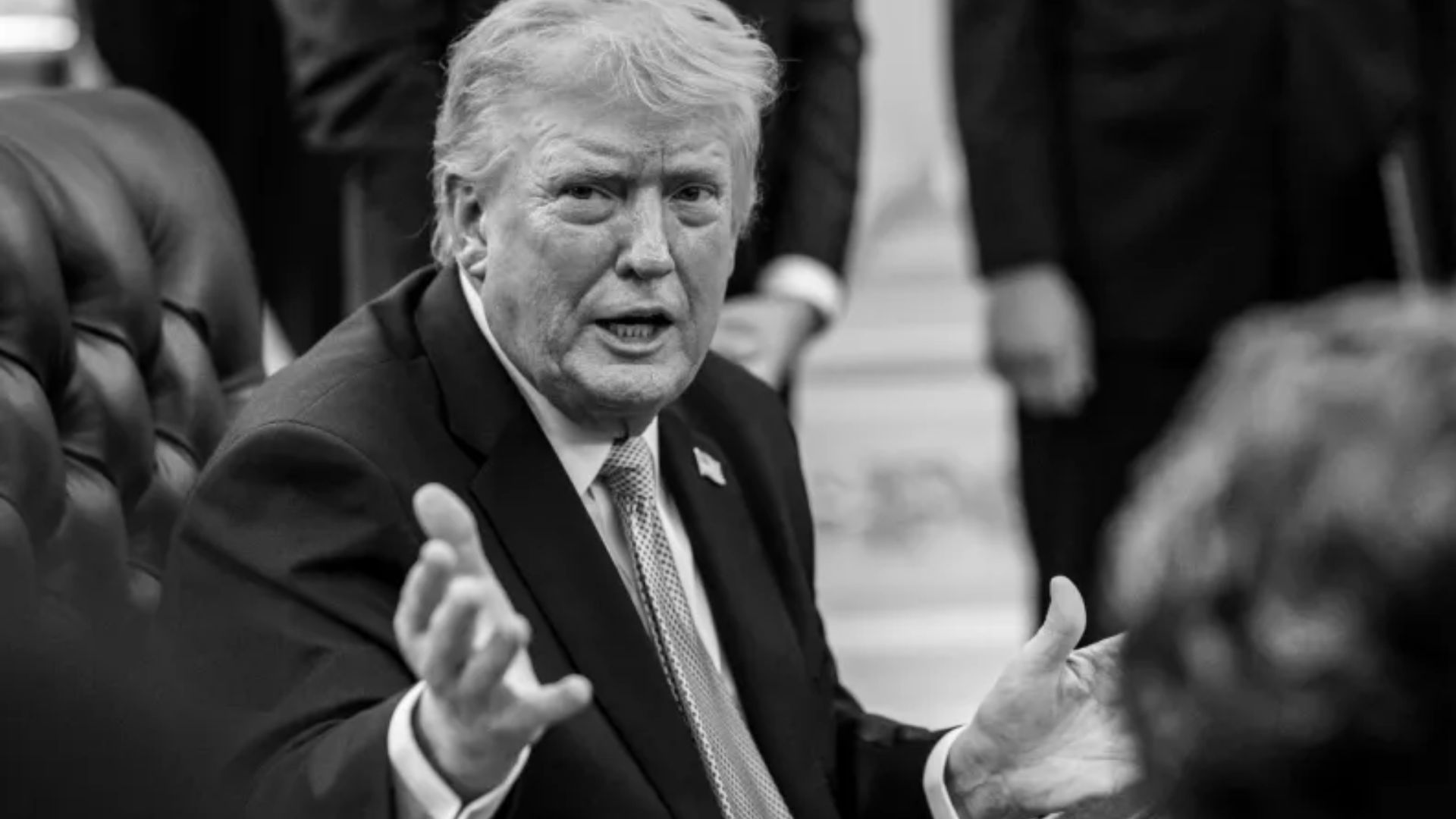
Against this backdrop, Donald Trump has taken a sharply different approach at the federal level.
On April 2, he signed an order imposing a 100% tariff on brand-name pharmaceuticals manufactured overseas, a move framed as part of a broader push to bring drug production back to the United States.
The policy is designed to pressure pharmaceutical companies into relocating manufacturing domestically, with a tiered system that offers reduced tariffs for those that commit to transitioning operations and lowering prices.
Under the order, companies that begin shifting production to the U.S. would face a temporary 20% tariff during the transition period, and potentially no tariff at all if they also align their prices with lower international benchmarks.
However, firms that fail to comply within four years would be subject to the full 100% levy. The policy includes exemptions for certain allies, including the European Union, Japan, South Korea, Switzerland, and the United Kingdom, due to existing trade agreements.
Administration officials argue the move is rooted in national security concerns, pointing to the country’s reliance on foreign manufacturing for a significant share of its patented medications.
With more than half of those drugs produced abroad, the White House has warned that supply chains could be vulnerable during geopolitical or economic disruptions. The tariffs, they say, are intended to ensure consistent access to life-saving treatments.
Still, economists and healthcare experts have raised concerns about the immediate consequences. Because the tariffs apply specifically to brand-name drugs that remain under patent protection, they target some of the most expensive medications on the market.
While generic drugs, accounting for roughly 90% of prescriptions, are not affected, the higher costs tied to patented drugs could ripple through the system, ultimately reaching patients.
The timing of the policy adds another layer of tension. It arrives as California and other states continue refining strategies aimed at lowering drug prices through regulation and competition. While one approach seeks to pull costs down through oversight and innovation, the other risks pushing certain prices upward in the short term, even as it aims for longer-term structural change.
As both strategies unfold, the contrast becomes increasingly clear: a state-led effort focused on affordability and access, and a federal policy centered on reshaping global supply chains. The outcome of that collision may determine not only where drugs are made, but how much Americans ultimately pay for them.

