
Virginia – The sudden fall of Florida’s Pam Bondi has triggered more than another round of Washington finger-pointing.
It has also opened a wider argument about what the attorney general’s job is supposed to be, and whether anyone serving in that role under Donald Trump can truly remain independent.
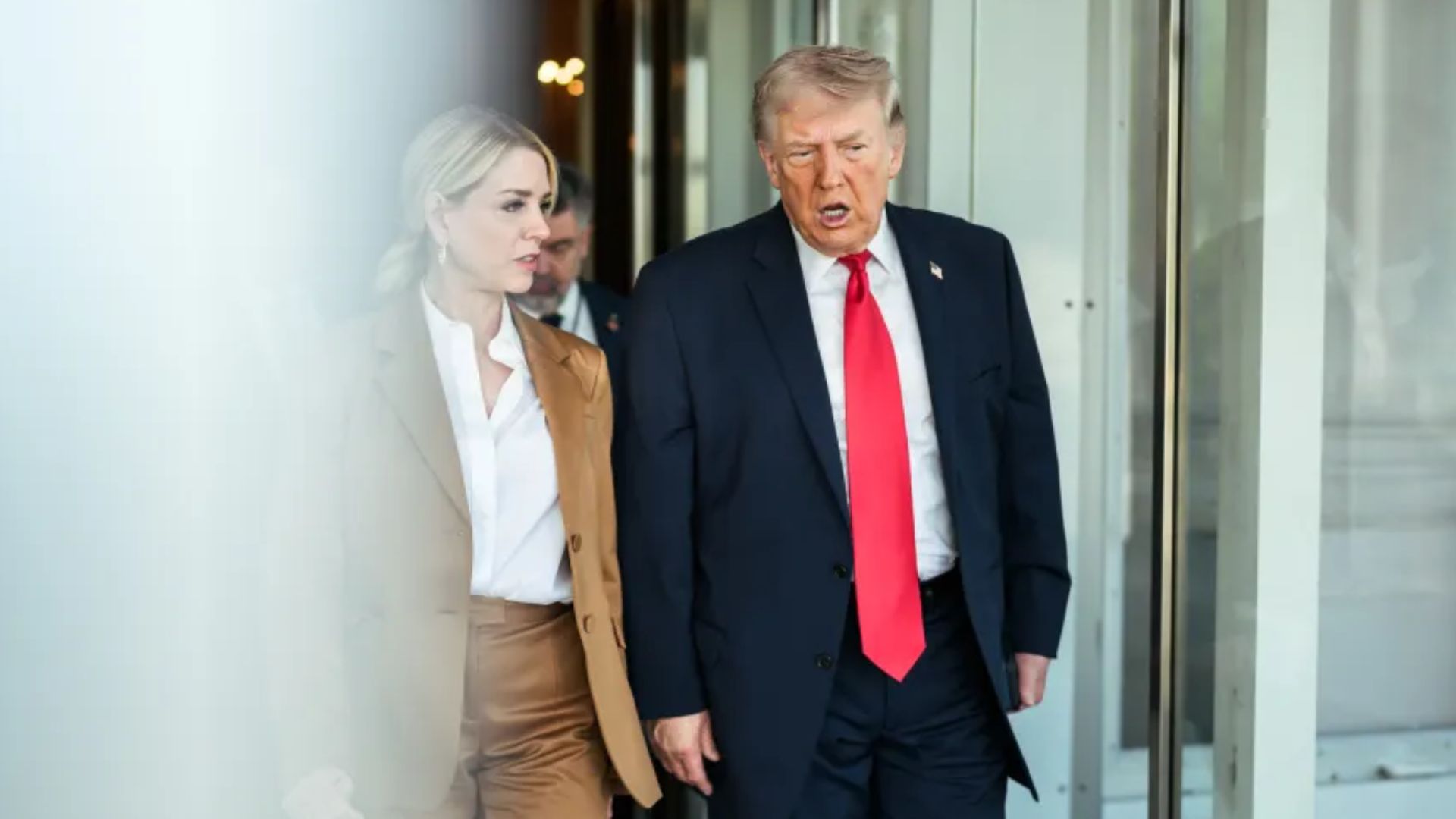
Into that debate stepped Sen. Tim Kaine of Virginia, who used a national television interview to deliver a sharp and deeply personal critique of Bondi after her firing.
Speaking with NBC News’ Kirsten Welker on Sunday during “Meet the Press,” Kaine said Bondi’s removal should serve as a warning to anyone who may follow her.
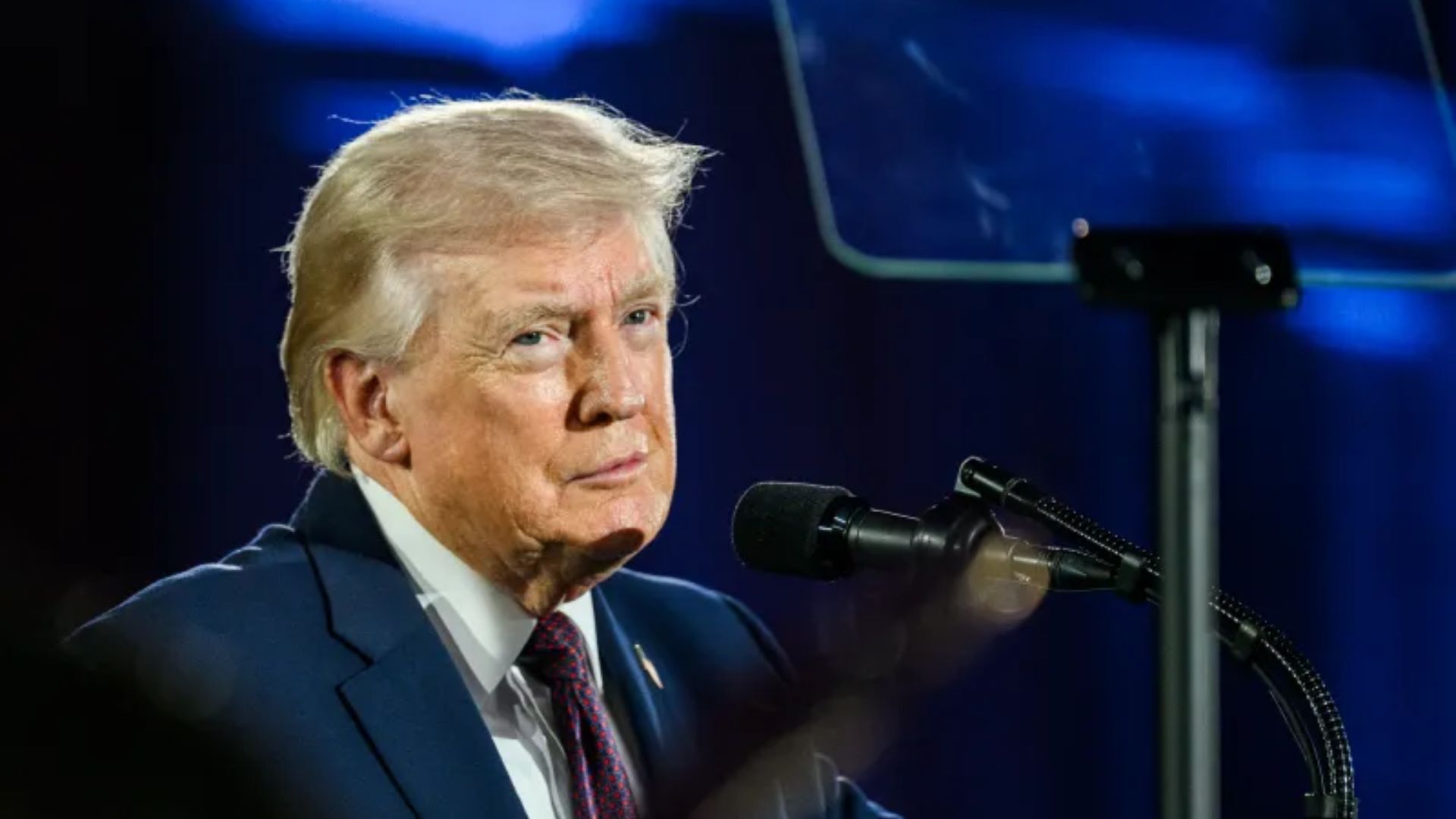
In his view, the lesson was not simply about politics or loyalty, but about the cost of surrendering professional principle in pursuit of presidential approval.
“The AG is supposed to be the nation’s chief law enforcement officer and have an independent gravitas and integrity,” Kaine said, framing the office as one that should stand above personal allegiance. From there, he argued that Bondi abandoned that standard and gained nothing from it in the end.
According to Kaine, Bondi “threw all that away, and she still got fired.”
He went on to describe the situation in blunt terms, saying there are really only two paths for an attorney general in Trump’s orbit. One option, he said, is to stand up for the rule of law and risk angering the president. The other is to try to satisfy him at every turn and still end up facing the same outcome.
That is what made Bondi’s firing, in Kaine’s telling, more than a personnel move. It became a cautionary tale. He said she had “basically sold out her own integrity,” and added that she “couldn’t even look at herself in a mirror” because of it.
The language was severe, but it matched the larger point he was trying to make: compliance, even total compliance, offers no real protection when power shifts or patience runs out.
Kaine then extended that warning to whoever may be considered next for the job.
“And she still got sacked. That should be a lesson to whoever is the next nominee for AG,” he said. “Be the nation’s chief law enforcement officer, and don’t let the president cause you to trim your conscience or become a toady.”
Bondi’s exit had already drawn major attention after Trump announced it on Truth Social last week. Even as criticism mounted over her time in office, Trump described her as “a Great American Patriot and a loyal friend,” a farewell that mixed praise with the finality of dismissal.
Her tenure had already become a source of frustration for people who once believed she might take a different course, especially in matters tied to Jeffrey Epstein. When Bondi took over as attorney general last year, some conservative commentators, online investigators, and transparency advocates believed they had found someone willing to push for broader disclosure from the Justice Department. That hope did not last.
Bondi, for her part, has brushed aside criticism over her handling of the Epstein files. But the backlash surrounding that issue, combined with the spectacle of her firing, has left her departure carrying more weight than a routine cabinet shake-up.
For Kaine, the moment is about something bigger than Bondi herself. It is about whether top law enforcement officials will protect the independence of their office, or bend under political pressure and lose both credibility and position anyway.
In that sense, Bondi’s rise and fall may now stand as a harsh Washington lesson in what happens when loyalty overtakes principle.

