
The water beside the road changes as you travel: tidal shoreline, mountain-ringed harbor, turquoise river, then a broad coastal bay. This Alaska road trip follows those changing scenes from Anchorage to Homer, giving you seven distinct reasons to stop rather than simply collect views through the windshield.
The route includes a return through Whittier’s tunnel and some retracing after Seward, so plan it as a leisurely journey with overnight stays. Late spring through early fall offers the broadest range of visitor services, although conditions vary. Keep boat excursions, road conditions, and your preferred walking pace in mind as you decide where to linger.
1. Anchorage
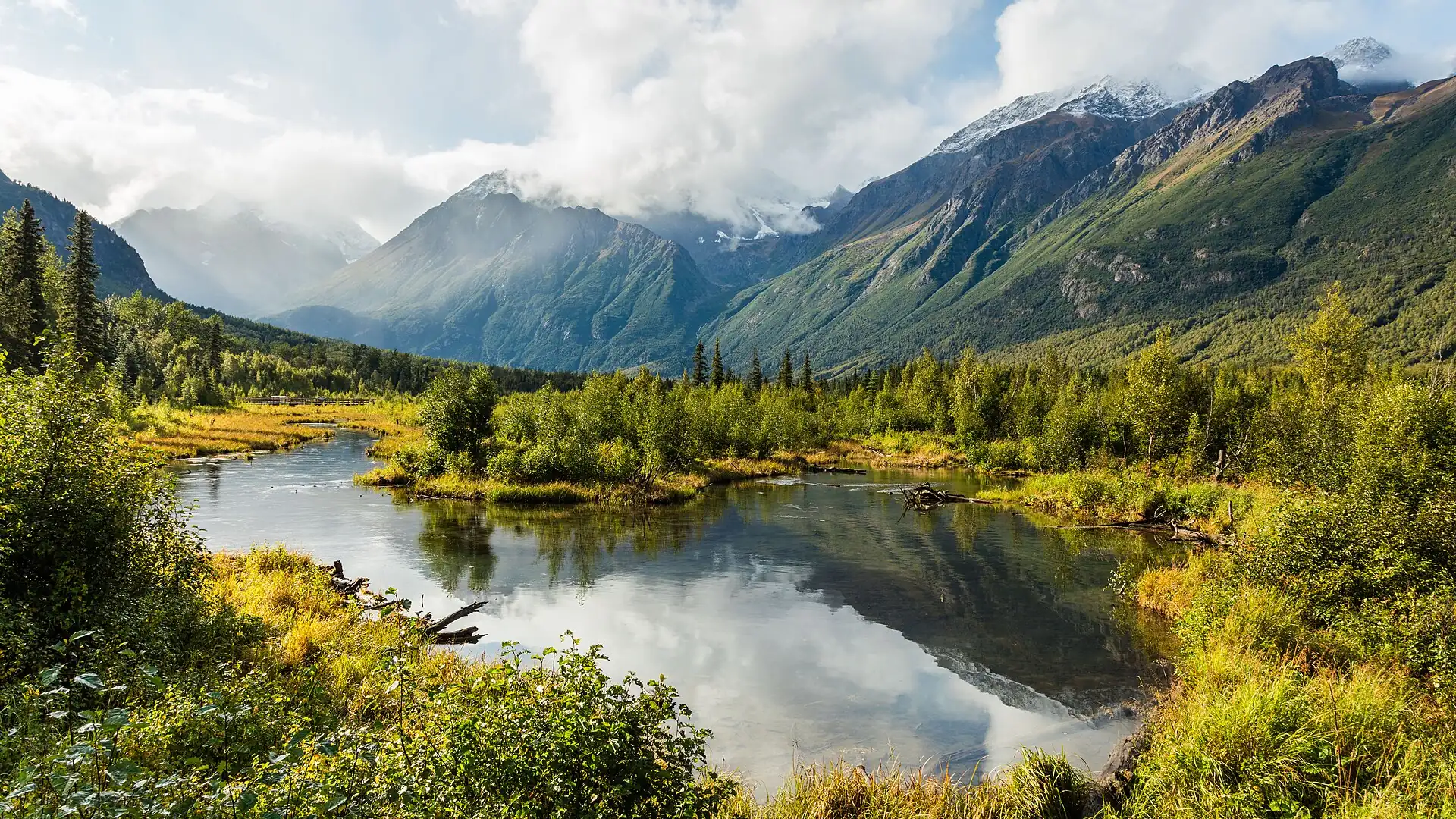
Photo: Diego Delso / CC BY-SA 4.0, via Wikimedia Commons
Begin in Anchorage by giving yourself time to arrive properly, collect supplies, and enjoy a city with mountains close to its everyday life. A downtown walk and a suitable stretch of coastal trail make an easy introduction before the longer journey begins. Choose a cultural visit if you want more context about Alaska’s communities and landscapes. You can make this first stop substantial without adding an exhausting schedule immediately after a flight.
Use the local visitor guide to choose activities that fit your arrival day and the season. Summer’s long light can tempt you to keep going, but an early night may serve the rest of the trip better. Pack a day bag with layers and rain protection where you can reach them easily. When you are ready, head southeast along the Seward Highway beside Turnagain Arm toward Girdwood, using designated pullouts whenever the scenery deserves your full attention.
Insider tip: Buy road-trip supplies before departure and keep a smaller bag ready for short stops so you are not unpacking the car repeatedly.
Where: Anchorage, Alaska
2. Girdwood
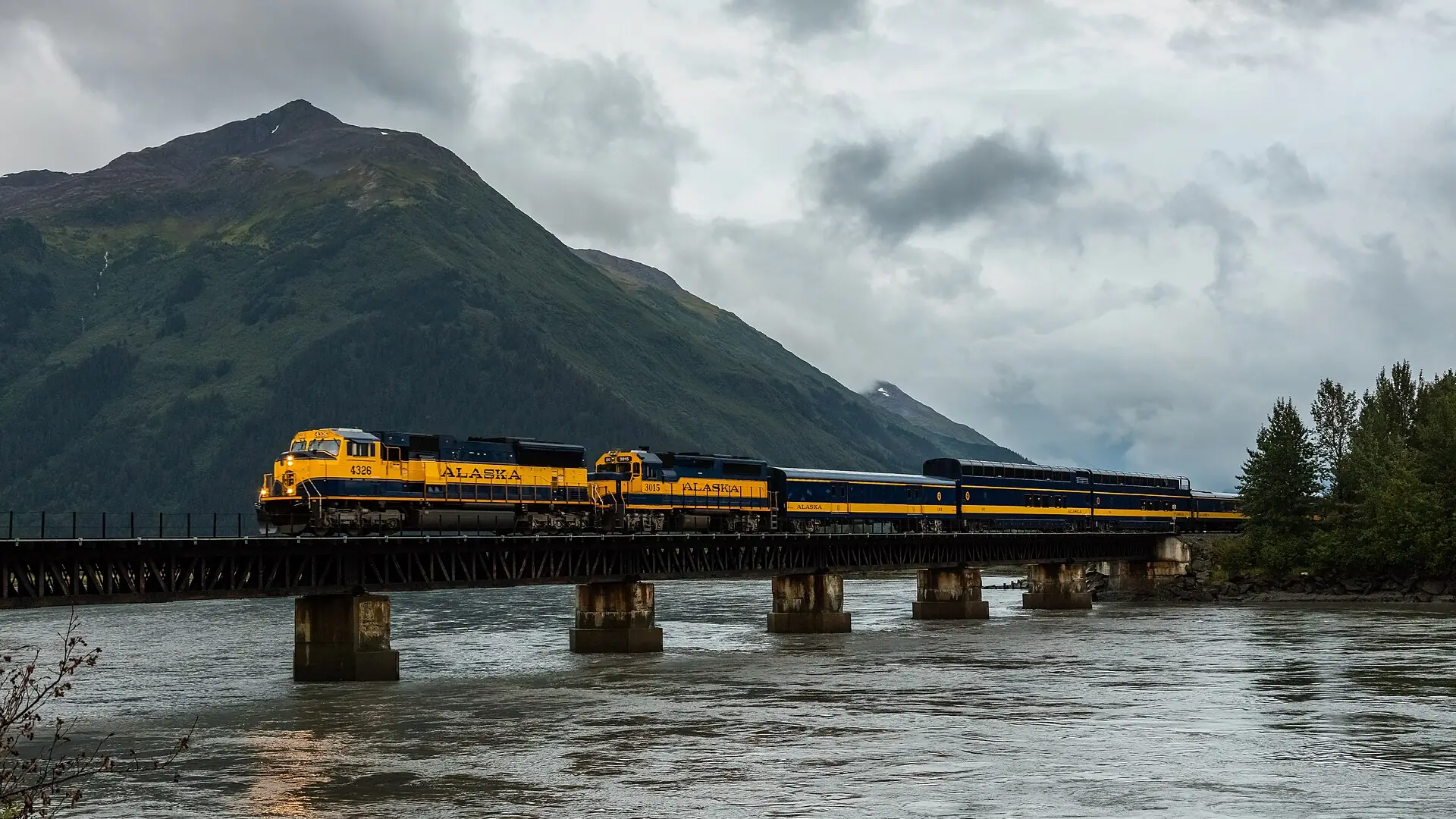
Photo: Diego Delso / CC BY-SA 4.0, via Wikimedia Commons
Girdwood introduces a greener mountain setting, with forest walks and the surrounding Chugach slopes giving you a reason to step away from the highway. Choose one route that suits your group rather than assuming every nearby trail is gentle. The town works well for an overnight if you want a quieter transition between the city and the coastal communities ahead. A relaxed meal and a short walk can provide plenty of enjoyment on an arrival afternoon.
The local visitor resources help you compare summer activities and current arrangements. Spring can still bring snow to higher ground, while autumn shortens the daylight available for an ambitious outing. Carry waterproof clothing even if the morning begins clear. Continue generally southeast toward Portage, then turn through the controlled-access tunnel to Whittier; check the tunnel schedule before committing to an excursion departure on the other side.
Insider tip: Keep a low-elevation walking option in mind if snow or poor visibility makes a higher mountain outing unsuitable.
Where: Girdwood, Alaska
3. Whittier
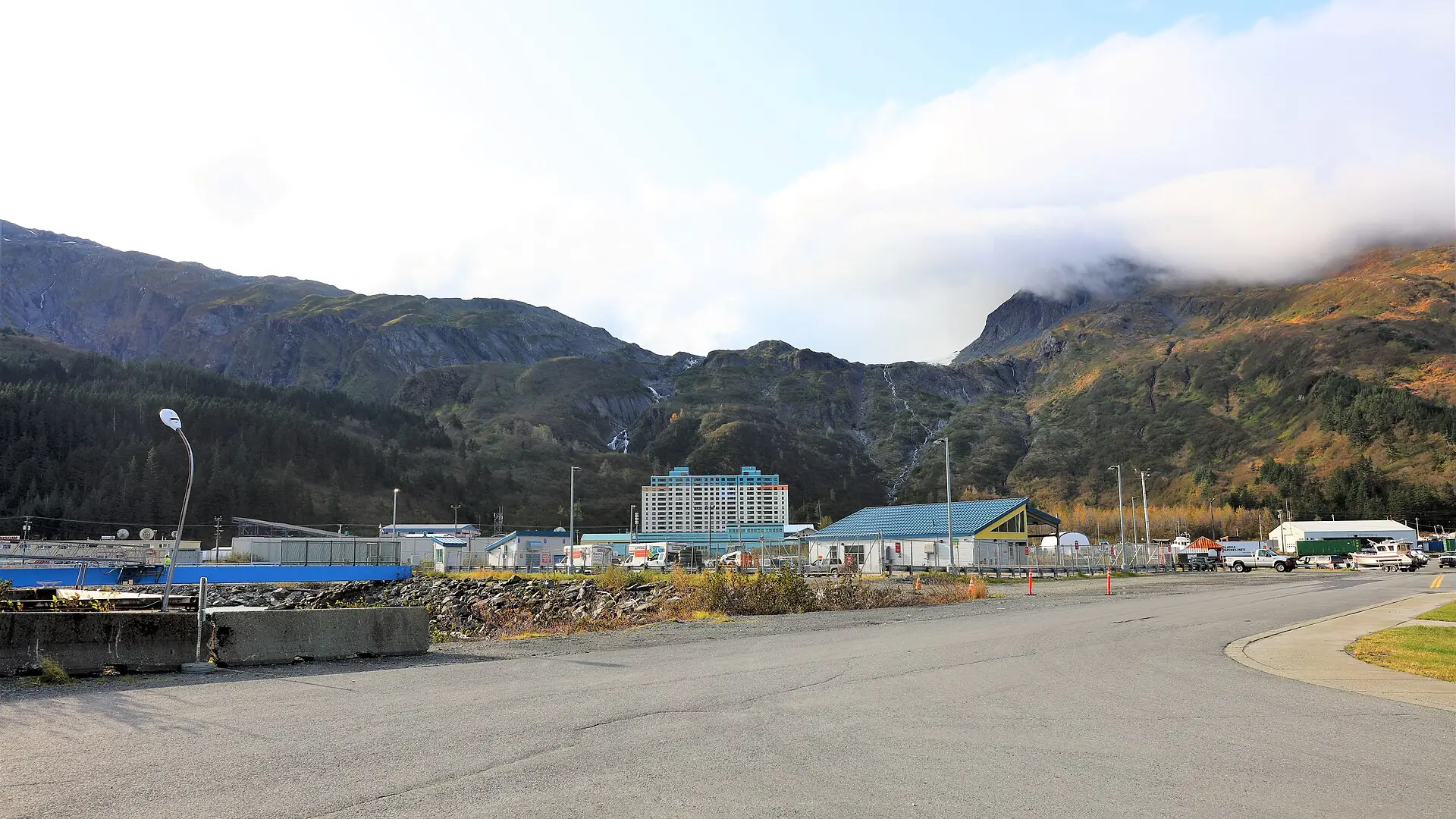
Photo: Enrico Blasutto / CC BY-SA 4.0, via Wikimedia Commons
Whittier puts a compact harbor beneath steep mountains, with Prince William Sound extending the possibilities beyond the waterfront. You can enjoy the boats and shoreline as a simple stop, or give a confirmed sightseeing cruise a larger place in the itinerary. Make that decision before you arrive, since a boat outing changes the shape of the day. The harbor deserves its own time even when a scheduled departure is the main reason for coming.
Road access passes through the Anton Anderson Memorial Tunnel, where vehicle movement follows a schedule shared with rail traffic. Use the official tunnel information for both entry and departure planning. After your stay, return northwest through the tunnel to the Seward Highway, then continue southwest and south toward Seward. This is a planned side trip with a return along the same access road, so give the connections enough room to remain enjoyable.
Insider tip: Confirm your boat check-in before selecting a tunnel entry, and leave a generous buffer rather than relying on the closest possible opening.
Where: Whittier, Alaska
4. Seward
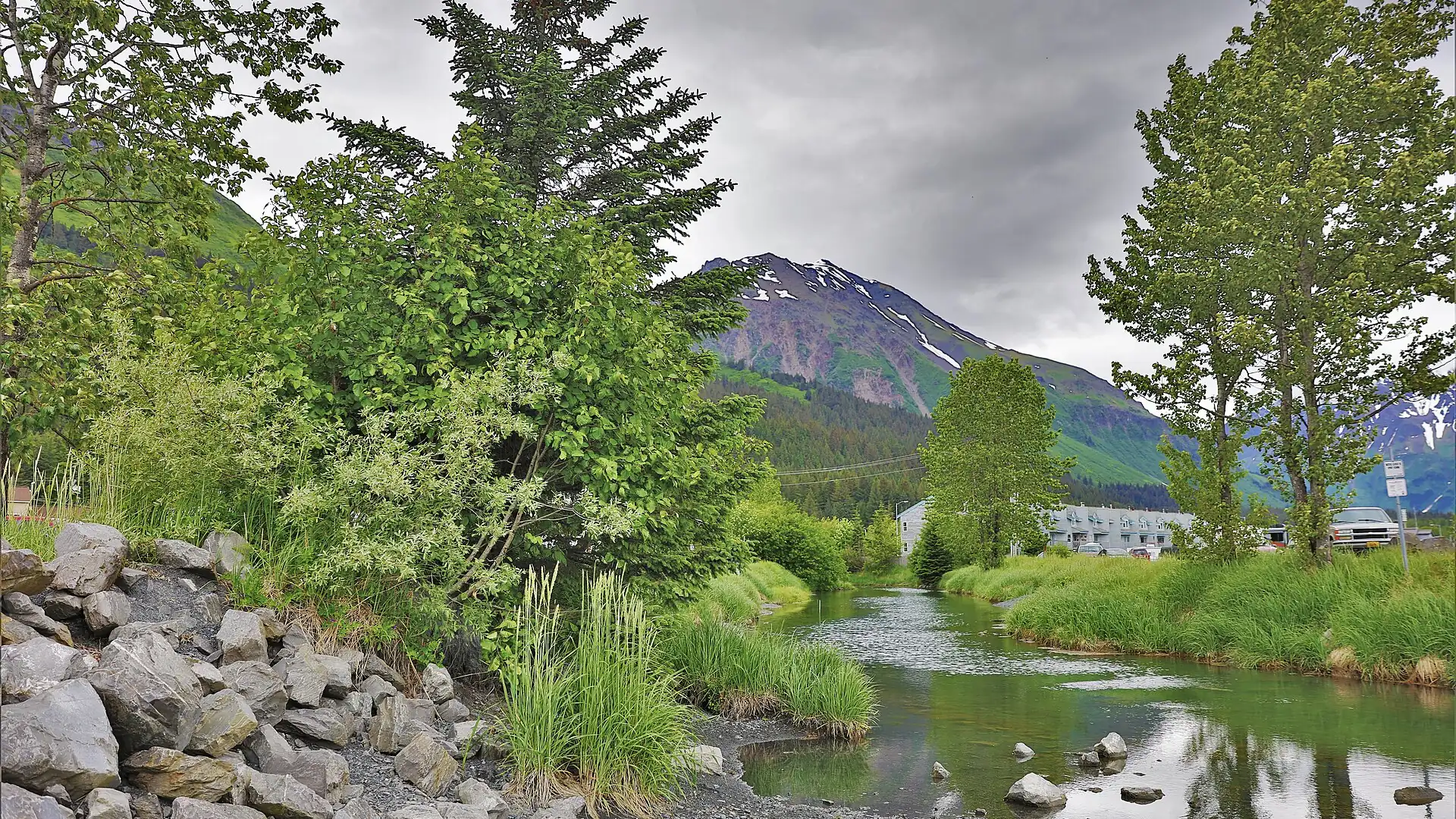
Photo: Enrico Blasutto / CC BY-SA 4.0, via Wikimedia Commons
Seward offers enough to justify putting down your bags for more than a hurried harbor visit. Resurrection Bay and the mountains provide the setting, while downtown and the small-boat harbor give you two different areas to explore. The Alaska SeaLife Center adds a substantial indoor activity focused on marine life. If you also want a boat excursion, choose a departure that leaves time to appreciate the town itself.
Summer is the most flexible season for a mix of organized outings and waterfront walking; shoulder-season plans need closer checking of available services. The Seward destination guide can help you choose your priorities before reserving lodging. From Seward, retrace the highway north, then turn west onto the Sterling Highway toward Cooper Landing. Treat that return as part of the route rather than trying to force a nonexistent coastal shortcut across the peninsula.
Insider tip: Separate downtown and harbor exploration in your schedule so neither becomes an afterthought between larger activities.
Where: Seward, Alaska
5. Cooper Landing
Cooper Landing brings the journey into Kenai Lake and Kenai River country, where clear-looking water and mountain slopes give the road trip a different center of gravity. Choose a public viewpoint or established access area and take time to understand the setting before arranging an activity. A guided river outing can add depth if you want to get on the water. Watching from shore is also a worthwhile way to spend a quiet part of the day.
The Kenai Peninsula road-trip overview places this community within the larger peninsula journey. Summer supports the widest range of organized river activities, while spring and fall require more attention to conditions and availability. Fishing rules vary by place and season, so arrange that interest separately rather than improvising from the roadside. Continue west along the Sterling Highway toward Soldotna, with the river landscape accompanying this stage of the trip.
Insider tip: Choose an outfitted river experience by its physical demands and purpose, since a scenic float and a fishing trip serve different interests.
Where: Cooper Landing, Alaska
6. Soldotna
Soldotna gives you a practical base with a strong connection to the Kenai River. You can enjoy established riverfront access, restock supplies, and choose an outing without constantly changing accommodation. It is particularly useful when different people in your group want different levels of activity. A gentle walk beside the water can complement a more involved guided day without making every traveler follow the same schedule.
Plan fishing through current local guidance and applicable regulations, keeping wildlife and working access areas in mind when you walk. Summer is the most straightforward season for a general visitor stay, with other months better suited to specific activities you have confirmed. Leave one part of your visit open for rest and practical errands before the final coastal stage. From Soldotna, continue generally south and then southeast along the Sterling Highway toward Homer and Kachemak Bay.
Insider tip: Use this stop to reorganize wet clothing and supplies so the final part of the trip begins comfortably rather than with an overpacked car.
Where: Soldotna, Alaska
7. Homer
Finish in Homer with enough time for the town and the bay to become familiar. The Homer Spit draws you toward the harbor and shore, while galleries and cultural stops give you another way to spend the day. Choose a boat trip if that is central to your plans, but protect some unstructured time beside Kachemak Bay. The final stop should feel like somewhere you are staying, not only a destination sign you reached.
The Homer visitor overview helps you compare the town’s different interests. Summer offers the broadest selection of organized activities, while late spring and early fall can suit a quieter visit after checking services. Dress for wind along the shore, even when conditions feel comfortable elsewhere. Before departing, give yourself one last relaxed look across the water; it is a fitting place to appreciate how much the landscape has changed since Anchorage.
Insider tip: Book lodging according to your preferred daily setting, since a stay on the Spit creates a different routine from one elsewhere in town.
Where: Homer, Alaska
Map of the places
Tap a place to open it in Google Maps:
Tips for planning your Alaska trip
- Favor summer for the broadest services; spring and fall require closer checks of road conditions, daylight, and excursion availability.
- Keep the stops in this order and allow for Whittier’s return through the tunnel and the northward retracing after Seward.
- Pack waterproof layers, warm clothing, comfortable walking shoes, binoculars, food, water, and offline maps for the driving stages.
- Reserve essential boat outings and preferred accommodation early, then build flexible walking time around those commitments.
- Check your rental agreement for road restrictions and leave a comfortable margin around tunnel access and onward travel.
- Use designated places to stop for photographs, and take breaks before you feel tired so the driving remains comfortable for everyone sharing the car.
FAQ
How long should you allow for this Alaska road trip?
A week or more is a useful starting point if you want several overnight stays and time for major excursions. Add days when fishing, boating, or extended hiking is a central reason for the journey.
Is this a one-way driving route?
The overall journey ends in Homer, but Whittier requires a return through the same tunnel approach. You also retrace part of the road after Seward before continuing west toward the Kenai River communities.
Can families enjoy the route without difficult hikes?
Yes; harbor walks, cultural visits, established viewpoints, and suitable guided activities provide plenty of variety. Select each outing for your group’s abilities rather than assuming a scenic destination requires a strenuous trail.
Final thoughts
Let the road connect the places while you give each stop its own time. Save this route, arrange the important connections, and leave enough space for a quiet riverbank or harbor view to become a favorite part of the trip.

