
Hidden gems in Montana with plenty to discover
Hidden gems in Montana can mean an abandoned mining town, an underground limestone chamber, or an enormous badlands landscape far from the western mountains. These eleven stops combine famous regions with details and histories that are easy to miss on a hurried trip.
The destinations span a large state, and several depend on short summer seasons. Choose the region and activity that truly interests you, then give its cultural context and practical access the attention needed for a rewarding visit.
1. Many Glacier, Glacier National Park
Many Glacier places lakes beneath enormous peaks on Glacier’s eastern side, with Swiftcurrent Lake providing an immediate mountain panorama. The historic Many Glacier Hotel stands beside the water, while trails reach toward Grinnell Lake and higher glacial terrain. You can begin with a lakeshore walk and still feel fully immersed in the mountains.
Seasonal boat tours offer another perspective and can support selected hiking routes, with reservations strongly recommended. High trails retain snow and may close for wildlife or other reasons, so choose the specific route that matches the day. Summer provides the broadest access, but even then a simple lake-focused visit can be more satisfying than forcing an ambitious climb.
Insider tip: Choose the lake walk, boat trip, or major hike as your main activity before arrival, leaving room to enjoy the mountain view without racing.
Where: Glacier National Park, Montana
2. Lewis and Clark Caverns State Park, Whitehall
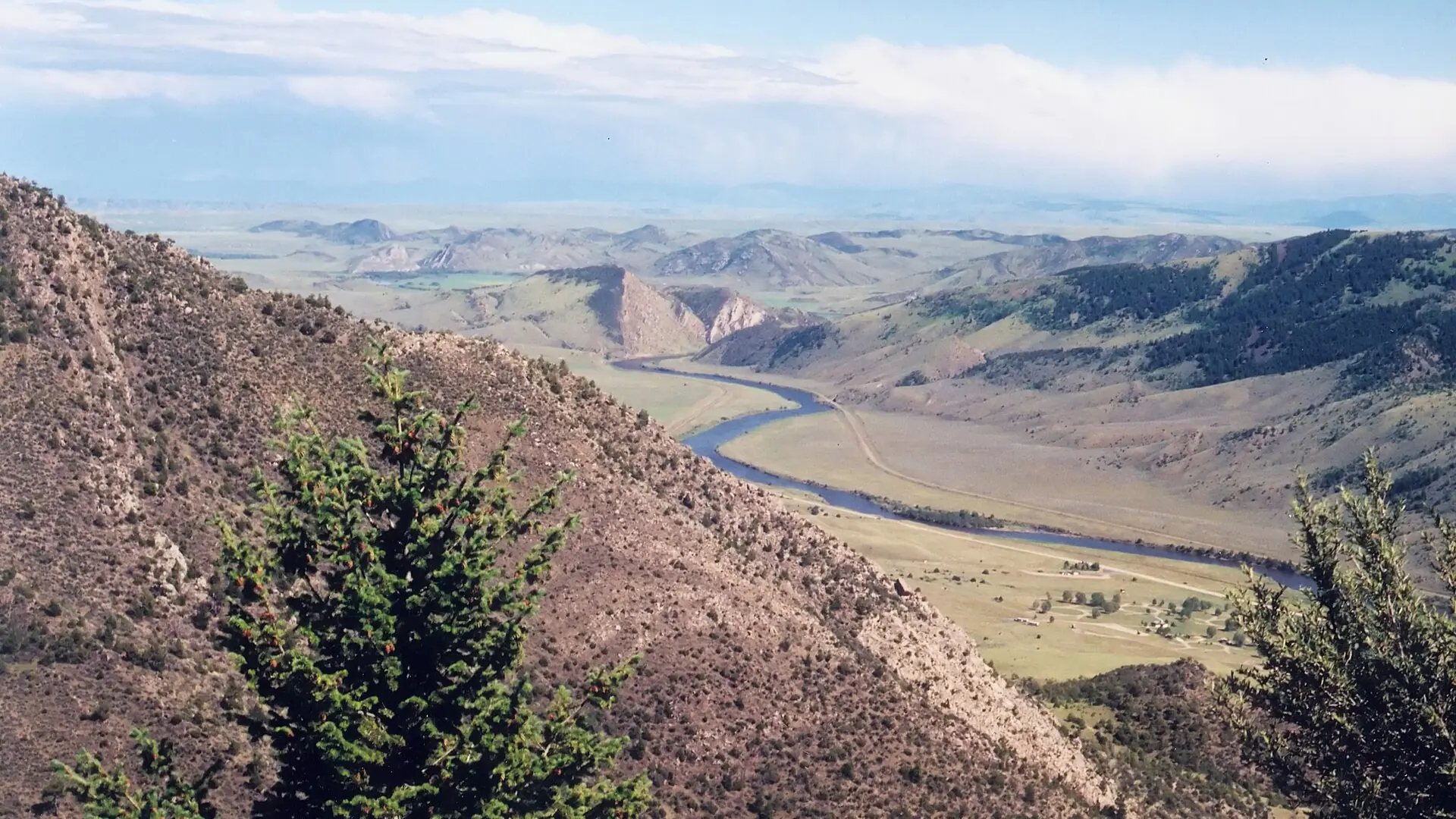
Photo: Ian Mackenzie / CC BY 2.0, via Wikimedia Commons
Lewis and Clark Caverns reveals limestone chambers filled with stalactites, stalagmites, and flowstone beneath a dry Montana hillside. Guided tours make the formations understandable and give you access to an underground environment that cannot be explored casually. The contrast between open country above and enclosed mineral rooms below is the real surprise.
Cave tours operate seasonally and require tickets, with different routes involving different physical demands. The surrounding state park also offers trails and viewpoints, so a visit need not end at the cave exit. Wear a layer for the cool interior and select the tour carefully, allowing the outside landscape to become a second part of the day.
Insider tip: Compare tour requirements before booking, especially stairs, walking effort, and confined passages, so the chosen route suits everyone traveling with you.
Where: Whitehall, Montana
3. Garnet Ghost Town, Drummond
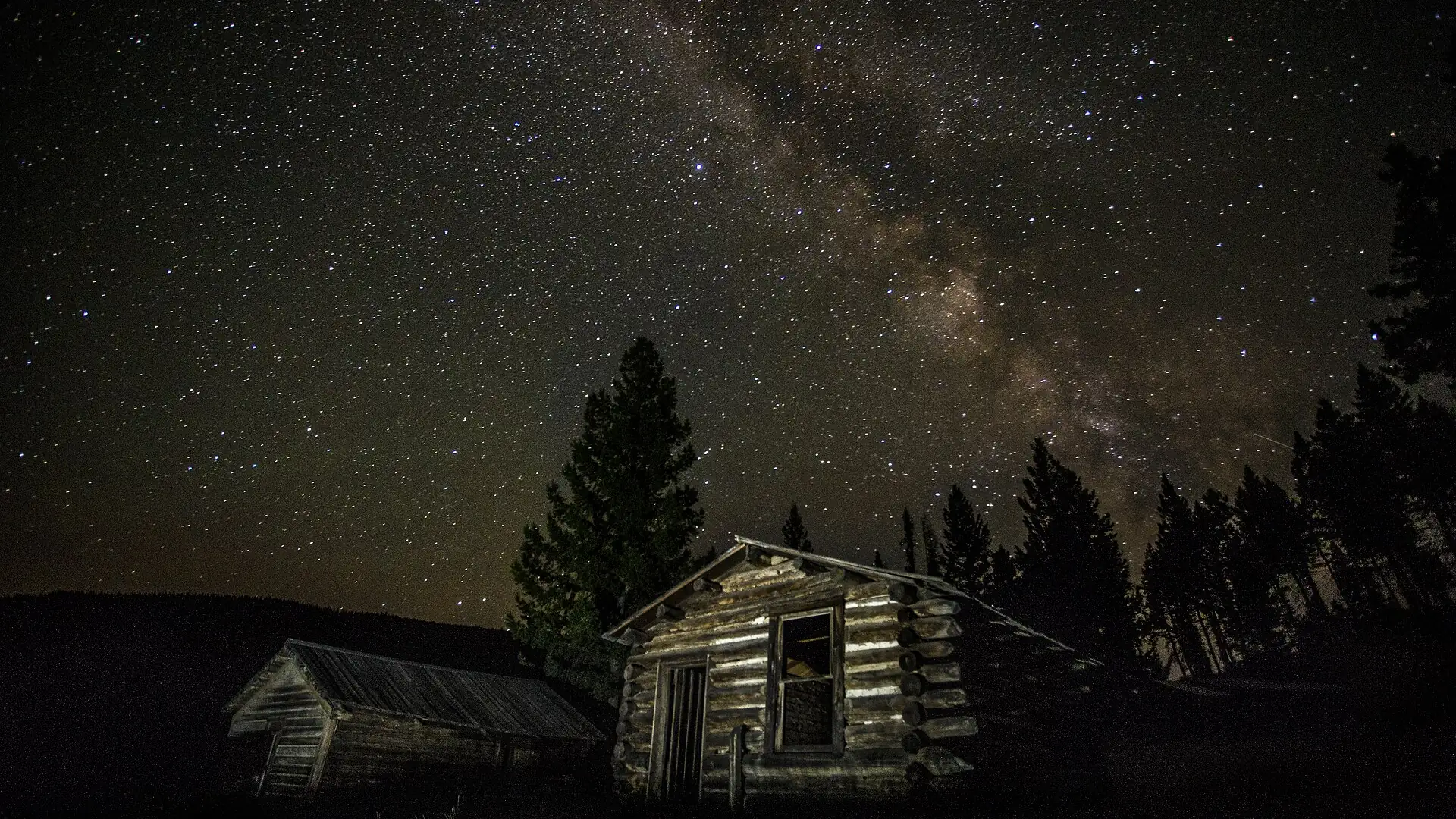
Photo: mypubliclands / Public domain, via Wikimedia Commons
Garnet preserves a mountain gold-mining community with weathered homes, commercial buildings, and an unusually intact town layout. The boom of the 1890s brought residents into this high forest landscape before the settlement largely emptied. Walk the public streets and notice the practical buildings behind the familiar ghost-town image.
The Bureau of Land Management interprets the site, with the main visitor season running through the warmer months. Winter closes the access road to wheeled motor vehicles, shifting arrival to snow travel. Use the official Highway 200 approach because alternative routes can be steep and rough, making a mapped entrance far more useful than a navigation shortcut.
Insider tip: Follow the official signed approach and begin with the town layout, then look closely at one domestic building and one former business.
Where: Drummond, Montana
4. Bannack State Park, Dillon

Photo: Meanolduglyogre / CC BY-SA 4.0, via Wikimedia Commons
Bannack stretches along a preserved main street from Montana’s early gold-rush era. Wooden buildings, empty rooms, and traces of public life make the former town feel more substantial than a collection of picturesque facades. It also served as a territorial capital, placing a small settlement within a much larger political story.
The state park preserves the buildings rather than turning them into a modern commercial district. Explore only the structures open to visitors, giving the interiors time to reveal ordinary details of work and home. Summer provides the widest activity, while quieter seasons offer a different atmosphere with weather shaping the visit.
Insider tip: Read the official historical interpretation before walking the street again, distinguishing documented events from the dramatic legends attached to many mining towns.
Where: Dillon, Montana
5. Makoshika State Park, Glendive
Makoshika opens a landscape of badland ridges, hoodoos, and eroded rock in eastern Montana. The park exposes the Hell Creek Formation, famous for dinosaur fossils that include Triceratops and Tyrannosaurus material. Begin at the visitor center so the sculpted terrain becomes a record of ancient environments rather than only an unusual view.
Roadside overlooks and signed trails offer different levels of effort across the park. Spring and fall are comfortable, while summer calls for early starts and plenty of water on exposed ground. Leave fossils and rocks in place, allowing photographs and interpretation to carry the discoveries home.
Insider tip: See the fossil exhibits before choosing a short trail, then look for the layers and shapes that connect the landscape with its prehistoric past.
Where: Glendive, Montana
6. Pictograph Cave State Park, Billings
Pictograph Cave preserves rock paintings within sandstone shelters near Billings. The images include animals and other forms created across a long period of Indigenous use, with some art more than two thousand years old. Begin at the visitor center for context before approaching the cave viewpoints.
A loop trail links the area’s shelters and interpretive displays, with visibility changing according to light and the condition of each painting. Bring patience and binoculars so faint details do not require moving closer than the public route allows. This is a place for careful looking and cultural respect, with the surrounding landscape helping you imagine why generations returned here.
Insider tip: Use the visitor-center images to learn what to look for, then give your eyes time at the official viewpoint before deciding a painting is invisible.
Where: Billings, Montana
7. Gates of the Mountains, Helena
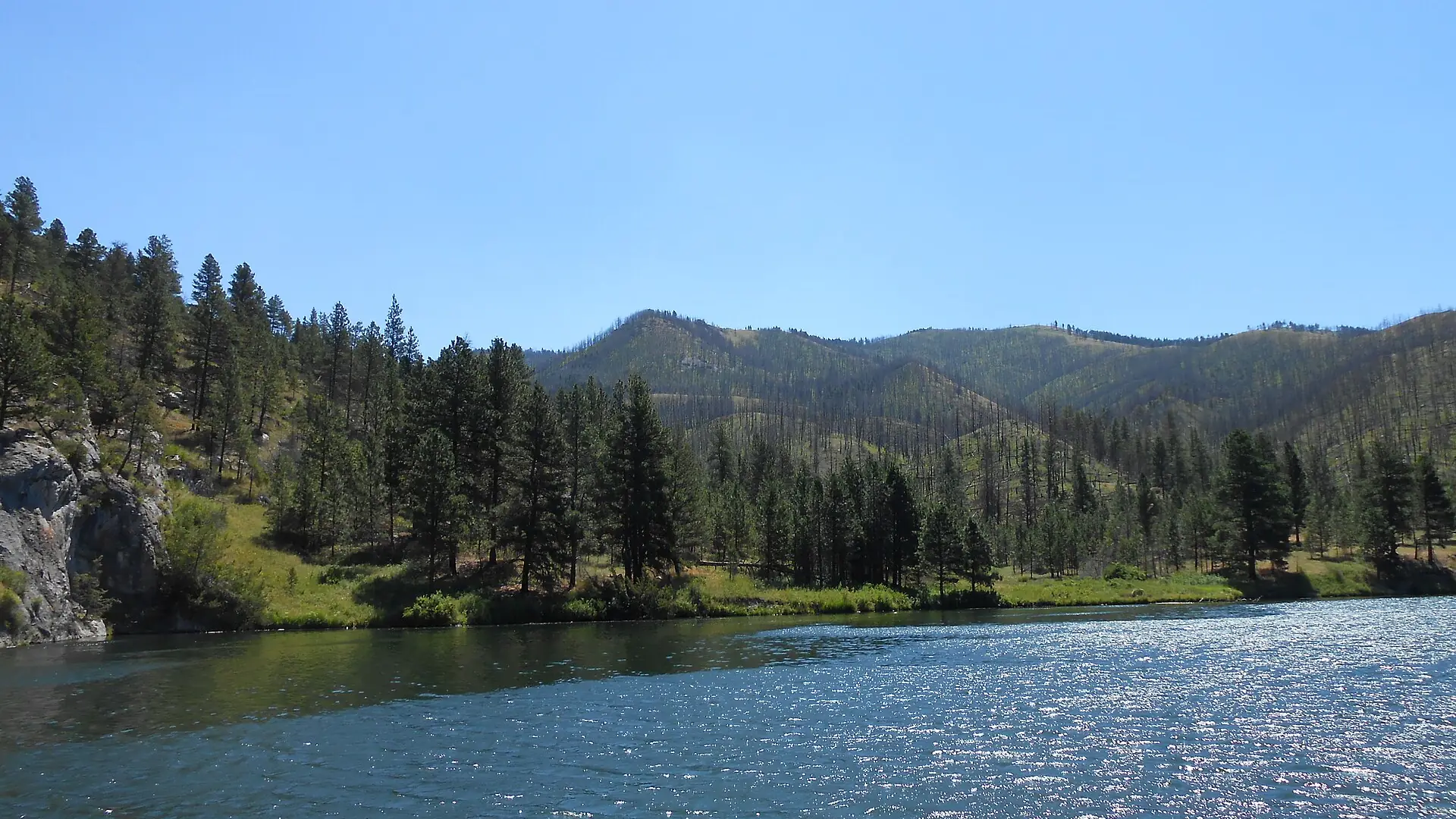
Photo: Montanabw / CC BY-SA 3.0, via Wikimedia Commons
Gates of the Mountains brings the Missouri River between tall limestone walls north of Helena. From the water, bends and overlapping cliffs create the impression of opening and closing stone gateways. Wooded slopes and open rock make the boat journey visually different from a roadside canyon overlook.
Seasonal narrated cruises provide the standard visitor introduction, connecting scenery with regional history. Reserve ahead if the boat trip is your main reason to come, and allow time to arrive without hurrying. Summer offers the widest service, with a light layer useful even on a warm day when moving water and wind cool the open deck.
Insider tip: Choose a seat with a changing river view and listen to the narration, letting the canyon’s geography explain the famous name.
Where: Helena, Montana
8. Beartooth Highway, Red Lodge
The Beartooth Highway climbs from Red Lodge through forest into alpine tundra, passing mountain lakes and broad high plateaus. The transformation is as compelling as any single overlook. Stop only in established pullouts and give the sky, wind, and exposed terrain time to register.
The route crosses between Montana and Wyoming and continues toward Cooke City, with a short seasonal opening shaped by snow. Even summer can bring cold, storms, and temporary closures at elevation. Choose a clear-weather day, drive patiently, and give the high country its own generous block of time.
Insider tip: Carry warm layers and leave the schedule loose enough to turn back at a comfortable point without making the trip feel incomplete.
Where: Red Lodge, Montana
9. National Bison Range, Moiese
The place long known as the National Bison Range is now the CSKT Bison Range, owned and managed by the Confederated Salish and Kootenai Tribes. Grassland hills, wildlife, and the Mission Valley landscape create a memorable drive. The tribal history and restoration of the land are essential parts of the visit, not a footnote to bison viewing.
The seasonal Red Sleep Drive crosses higher terrain, while lower Prairie Drive supplies a different route. Wildlife sightings vary, and bison must be observed from a respectful distance under the range’s rules. Begin at the visitor center, then let the drive unfold slowly through both the landscape and the story of tribal stewardship.
Insider tip: Watch the tribal history interpretation before driving, giving the land’s restoration and management the same attention as the wildlife.
Where: Moiese, Montana
10. Little Bighorn Battlefield, Crow Agency
Little Bighorn Battlefield preserves the landscape of the 1876 conflict between the U.S. Army and Lakota, Northern Cheyenne, and Arapaho warriors. The Indian Memorial and Seventh Cavalry monument provide different perspectives within the same ground. Begin with official orientation and approach the site as a place of loss, sovereignty, and memory.
The driving route connects additional battlefield areas, while walking paths allow a closer reading of the terrain. Visitor-center construction has limited indoor access, so plan around the open contact area and battlefield interpretation. Cooler seasons make walking comfortable, but the significance comes from understanding whose stories are represented and how the landscape shaped events.
Insider tip: Visit both the Indian Memorial and the army monument, then use the mapped route to understand the terrain beyond the most familiar hill.
Where: Crow Agency, Montana
11. Polebridge
Polebridge sits along the North Fork of the Flathead River near Glacier’s quieter northwestern edge. The historic Polebridge Mercantile is the community’s familiar landmark, surrounded by scattered homes and a broad mountain landscape. The appeal comes from the place’s scale and location, not a long commercial main street.
The North Fork corridor leads toward Glacier’s remote lakes and rougher park roads, but those destinations require their own route and vehicle planning. Give Polebridge time as a community stop before deciding how far to continue. Summer and early fall offer the simplest access, while winter changes both roads and services substantially.
Insider tip: Treat a North Fork visit as a dedicated day, with fuel, food, and a clear route plan settled before leaving larger towns.
Where: Polebridge, Montana
Map of the places
Tap a place to open it in Google Maps:
- Many Glacier, Glacier National Park
- Lewis and Clark Caverns State Park, Whitehall
- Garnet Ghost Town, Drummond
- Bannack State Park, Dillon
- Makoshika State Park, Glendive
- Pictograph Cave State Park, Billings
- Gates of the Mountains, Helena
- Beartooth Highway, Red Lodge
- National Bison Range, Moiese
- Little Bighorn Battlefield, Crow Agency
- Polebridge
Tips for planning your Montana trip
- Use summer and early fall for the widest mountain-road, boat-tour, cave, and ghost-town access.
- Group Glacier-area destinations separately from southwest Montana and the eastern badlands, allowing realistic travel days between regions.
- Reserve cave tours, boat trips, lodging, and park activities early, using official annual guidance for any entry or shuttle system.
- Pack warm layers, sturdy shoes, water, sun protection, rain gear, and offline maps for remote roads.
- Check current conditions, wildfire notices, seasonal roads, trail closures, tribal visitor rules, and construction updates before departure.
FAQ
Which places need the most advance planning?
Many Glacier, the Beartooth Highway, cave tours, and Gates of the Mountains depend strongly on season, transportation, or limited capacity. Build flexible plans around official access information.
Is the Bison Range still federally managed?
The CSKT Bison Range is owned and managed by the Confederated Salish and Kootenai Tribes. Its history and tribal stewardship are central to understanding the visit.
Can you see every destination on one short trip?
The places stretch from Glacier country to eastern Montana, so a short trip should focus on one region. A slower visit gives the museums, landscapes, and communities proper time.
Final thoughts
Save the Montana place that makes you want to learn more, then share the guide with someone who will respect the story as much as the mountain, canyon, or wildlife view.

