
Small towns in Montana with plenty to discover
Small towns in Montana can put a lake at the end of the street, a gold-rush building beside the boardwalk, or a mountain range across the whole horizon. These eleven communities connect attractive centers with the railroads, rivers, mining, and Indigenous homelands that shaped them.
Choose a region and stay long enough to see the town beyond its gateway role. A museum, a public waterfront, and a slow main-street walk often reveal as much as the famous park or mountain road nearby.
1. Whitefish
Whitefish combines a walkable railroad-town center with Whitefish Lake and Big Mountain rising nearby. The historic depot still receives Amtrak’s Empire Builder, keeping rail travel part of the town’s daily life. Downtown shops, restaurants, and galleries make a good first walk before you head toward the water or mountain.
Whitefish Mountain Resort gives winter its skiing focus, while summer opens hiking, cycling, and lake activities. City Beach supplies a public shoreline option without a major backcountry plan. Stay through an evening if possible, letting the town’s ordinary pace show after a day spent looking toward Glacier National Park.
Insider tip: Give downtown and the lake a separate day from Glacier, so Whitefish becomes a destination you actually see instead of only a place to sleep.
Where: Whitefish, Montana
2. Bigfork
Bigfork gathers art galleries, restaurants, and small shops near the Swan River as it approaches Flathead Lake. Electric Avenue provides a compact center, with water and wooded hills close enough to keep the larger landscape visible. Walk the town first, then follow the river’s presence through the visit.
The Bigfork Summer Playhouse adds live theater during its season, while Wayfarers State Park provides a rocky public shore and lake views nearby. A performance, a gallery visit, and one short outdoor route can make a complete day. Summer is lively, but spring and fall give the streets and shoreline more breathing room.
Insider tip: Pair a playhouse performance with Wayfarers State Park on the same trip, giving art and Flathead Lake equal space.
Where: Bigfork, Montana
3. Red Lodge
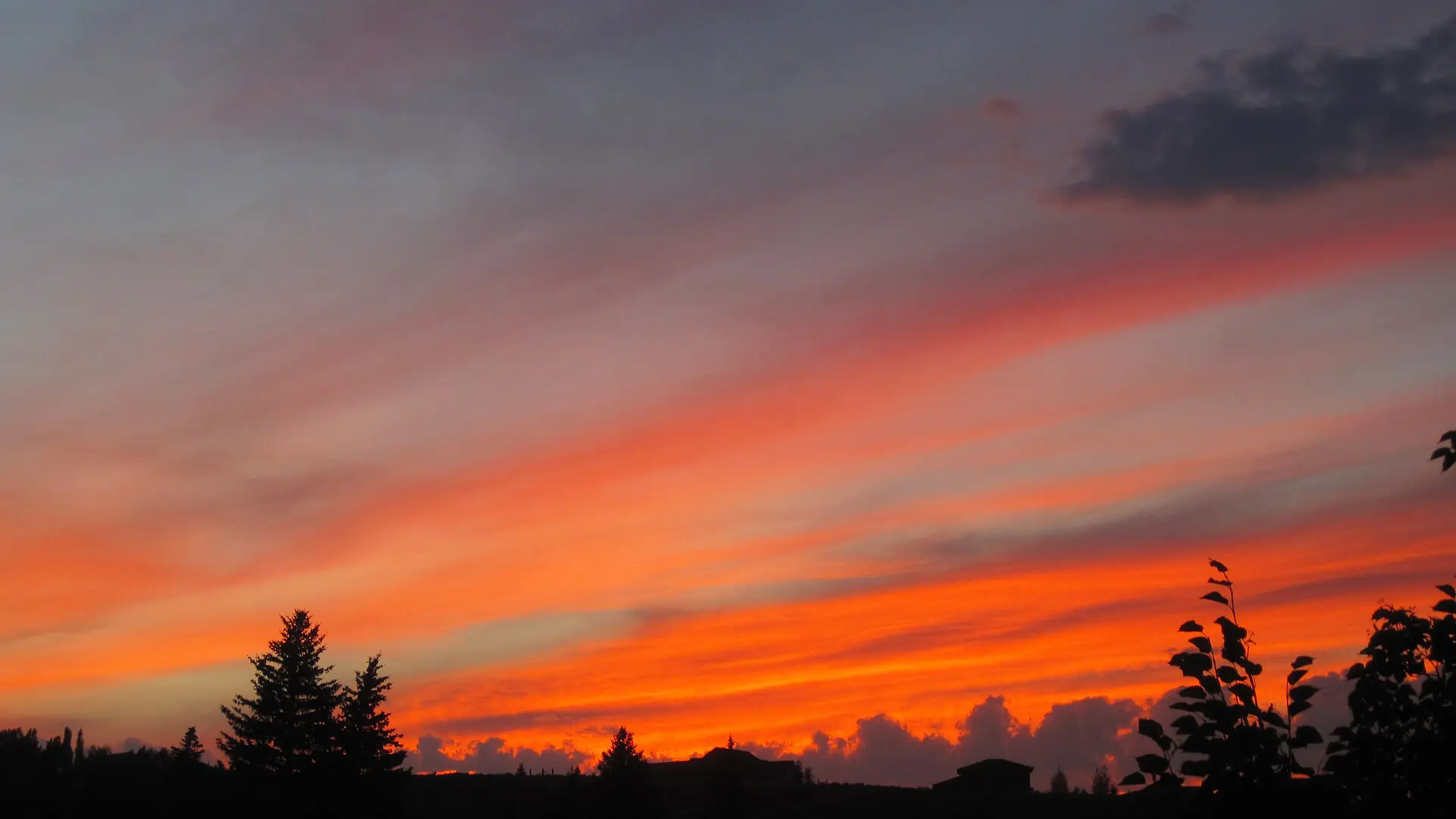
Photo: James St. John / CC BY 2.0, via Wikimedia Commons
Red Lodge’s historic Broadway sits beneath the Beartooth Mountains, with brick buildings and independent businesses expressing a former mining town’s new outdoor identity. The Carbon County Historical Society Museum adds the story behind those facades. Start there if you want more than a scenic main-street photograph.
The Beartooth Highway begins its mountain climb beyond town during the short open season, while nearby trails and winter skiing provide other reasons to return. A town walk works in every season, with mountain activities depending much more on weather and access. Keep Red Lodge itself in the plan, especially when snow or cloud changes the high-road option.
Insider tip: Visit the museum before a Broadway walk, then choose any mountain drive as a separate activity with its own weather window.
Where: Red Lodge, Montana
4. Philipsburg
Philipsburg brings restored nineteenth-century mining-town buildings into a small, colorful business district. The Granite County Museum and Mine Exhibit explain the underground work behind the town’s prosperity. Its compact streets reward a slow look at upper windows, signs, and the hills beyond the storefronts.
Sapphire-related activities add another local thread, while Georgetown Lake and Discovery Ski Area supply nearby outdoor options. Choose one museum or mining activity before heading into the surrounding landscape. Summer and fall offer the broadest range of visits, though winter keeps the town useful as a quieter ski-country base.
Insider tip: Begin with the county museum and a main-street loop, then decide whether gemstones, lake scenery, or mountain trails deserve the rest of the day.
Where: Philipsburg, Montana
5. Livingston
Livingston’s railroad architecture and Yellowstone River location give the town a strong sense of purpose. The Livingston Depot Center preserves the elegant station that helped carry visitors toward Yellowstone. Downtown galleries and older commercial blocks make the area around it rewarding to explore on foot.
The Yellowstone Gateway Museum broadens the story through Indigenous cultures, transportation, and regional life. River access and the surrounding mountain ranges add outdoor possibilities without erasing the town’s cultural appeal. Spring through fall suits the fullest walking visit, while winter brings a quieter chance to enjoy museums, food, and the architecture itself.
Insider tip: See the depot and gateway museum as complementary stops, using one to understand travel and the other to widen the region’s human story.
Where: Livingston, Montana
6. Polson
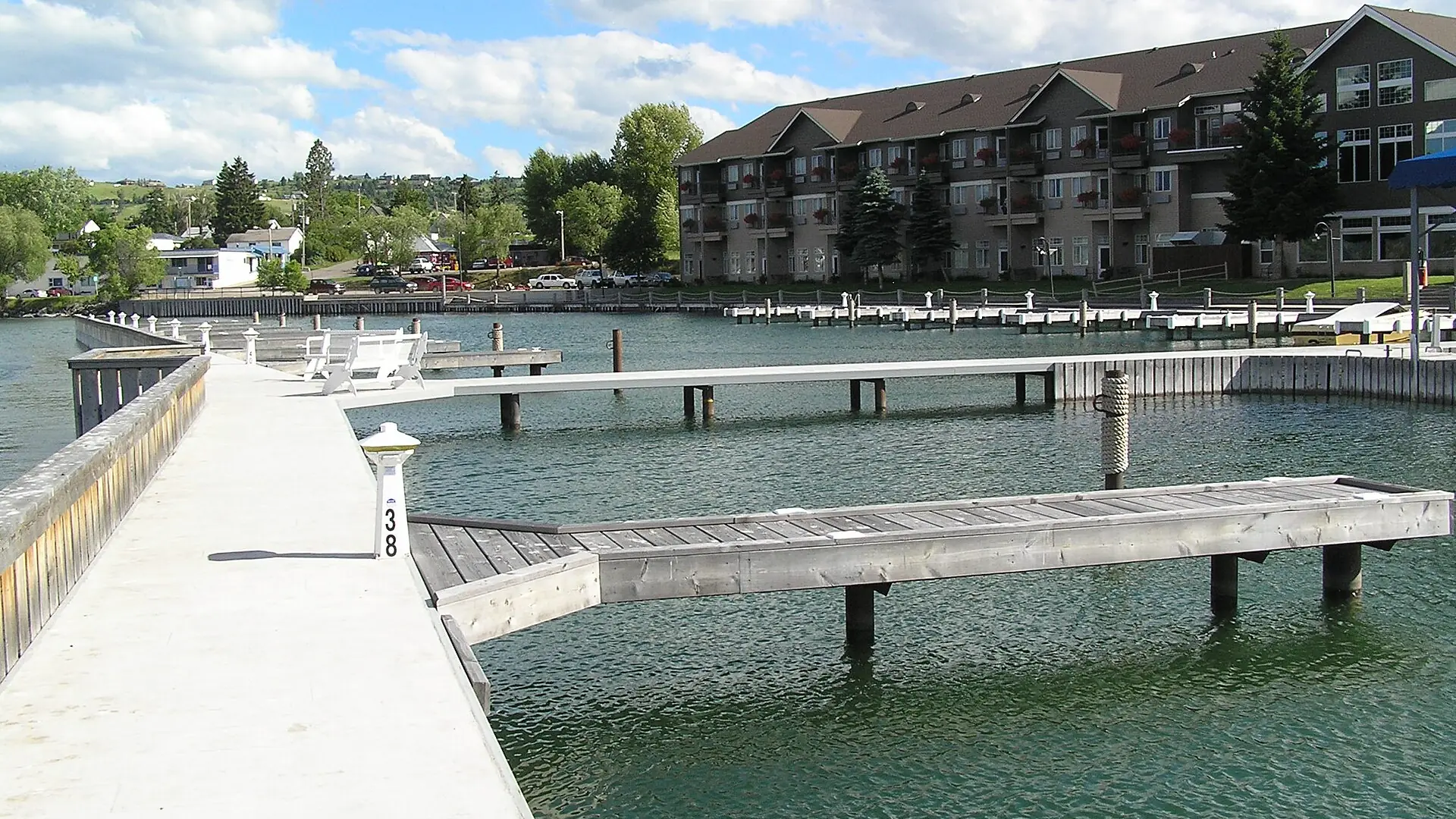
Photo: Montanabw / CC BY-SA 3.0, via Wikimedia Commons
Polson faces the southern end of Flathead Lake on the Flathead Indian Reservation, with broad water and mountain views defining the town. The Flathead River leaves the lake here, making the geography easy to understand from public shore areas. Begin with a lakefront pause before exploring the center.
The wider region includes cherry-growing country and the homelands of the Confederated Salish and Kootenai Tribes. Choose tribal interpretation when it is part of your route, giving the landscape context beyond recreation. Summer brings water activity, while spring and fall favor a quieter visit with time to notice the shore and surrounding agricultural hills.
Insider tip: Use a public lakefront park as your first stop, then let the view help you orient any trip around Flathead Lake.
Where: Polson, Montana
7. Virginia City
Virginia City preserves a gold-rush streetscape where wooden storefronts and boardwalks make Montana’s territorial era tangible. The town served as territorial capital, giving its small center an importance far beyond its present size. Walk slowly enough to read the buildings as workplaces and homes before treating them as a Western backdrop.
The Montana Heritage Commission manages major historic properties, with living-history activity and visitor services concentrated in the warmer season. Nearby Nevada City adds another preserved-building landscape, but Virginia City deserves a complete visit first. Summer is the practical choice for the widest interior access, while shoulder seasons can make the streets quieter and more atmospheric.
Insider tip: Begin with official interpretation, then walk the main street again so the restored buildings carry specific stories rather than a general gold-rush mood.
Where: Virginia City, Montana
8. Ennis
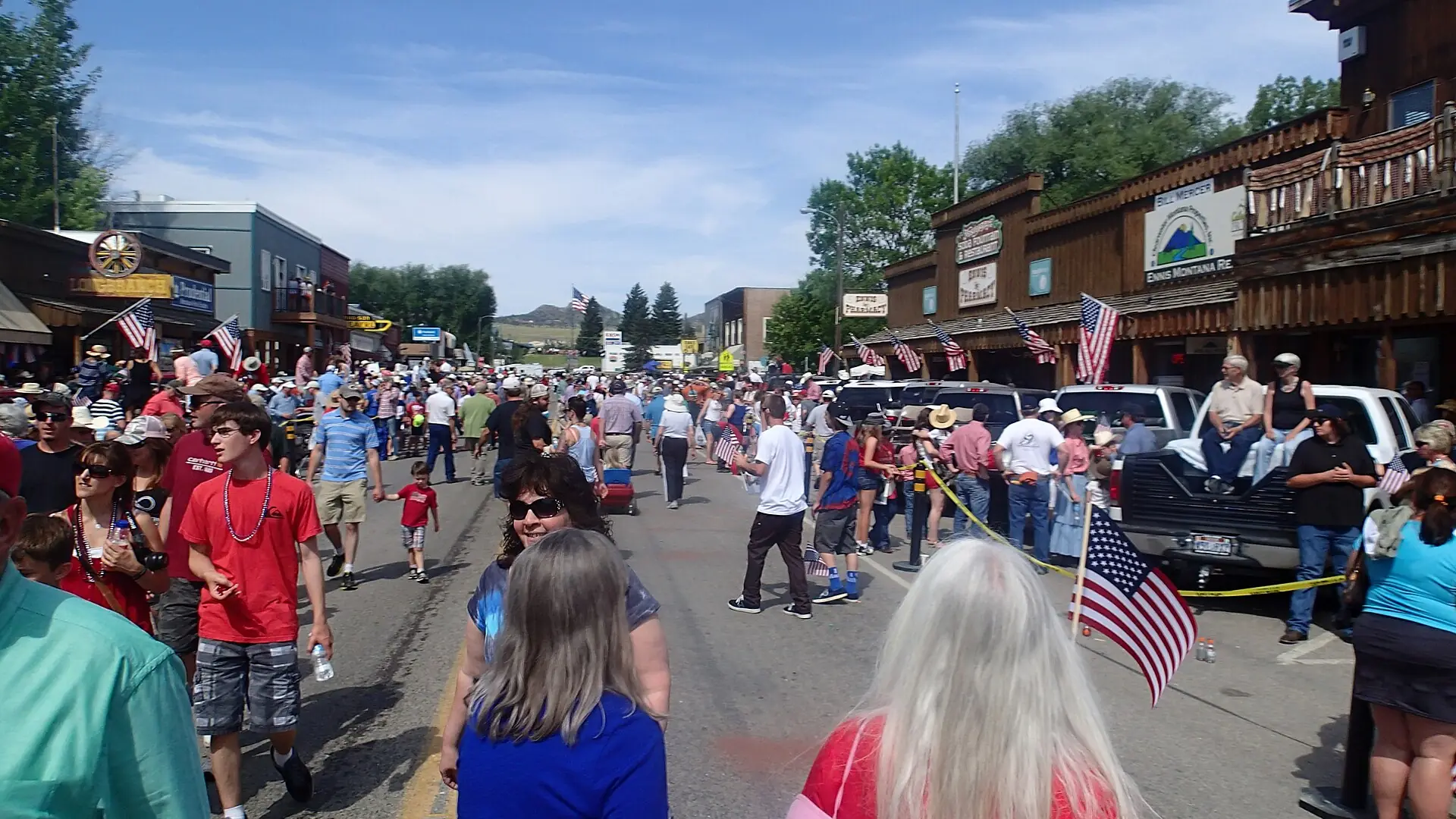
Photo: Mike Cline / CC BY-SA 3.0, via Wikimedia Commons
Ennis places a western main street beside the Madison River and between several major mountain ranges. Fishing shops and outdoor businesses reflect the river’s importance to the town. The Madison, Gravelly, and Tobacco Root ranges create a wide horizon that makes even a short downtown walk feel connected to open country.
You can enjoy the water through a legal public access or a guided fishing day, while the town center supplies galleries, food, and practical services. Summer is busiest for river recreation, and fall brings cooler air and a different valley color. Keep any fishing plan within current regulations, or choose a simple shore view and a slow meal instead.
Insider tip: Use a mapped public river access or a qualified guide, leaving private banks and working ranch entrances out of a casual scenic search.
Where: Ennis, Montana
9. Big Timber
Big Timber stands near the meeting of the Boulder and Yellowstone rivers, with the Crazy Mountains giving the town a memorable northern skyline. Its compact center reflects ranching, rail travel, and the practical needs of a wide rural region. A main-street walk makes a useful pause between mountain drives.
The Crazy Mountain Museum preserves local history, while the Boulder River corridor leads toward forest and Natural Bridge Falls country. Choose the museum and town on a shorter visit, saving the larger scenic drive for a dedicated block. Summer and early fall make the broadest outdoor plans practical, with the town itself providing a grounded year-round stop.
Insider tip: Look at the Crazy Mountains from town before heading into a river valley, keeping the larger geography clear as the road narrows.
Where: Big Timber, Montana
10. Gardiner
Gardiner sits beside the Yellowstone River at the national park’s North Entrance, with mountains rising abruptly behind the town. The Roosevelt Arch provides a familiar landmark, but the river and older streets give the community its everyday character. Walk the center before joining the park traffic.
Mammoth Hot Springs lies beyond the entrance, while the surrounding Custer Gallatin National Forest adds other outdoor possibilities. Access and wildlife shape the wider trip, so choose the town as more than a fueling stop. Spring, fall, and winter each reveal a different gateway rhythm, with Yellowstone’s northern area offering travel patterns unlike the park’s seasonal high roads.
Insider tip: Give Gardiner a separate town walk and river view, leaving the park’s thermal areas and wildlife drives to their own carefully planned time.
Where: Gardiner, Montana
11. Choteau
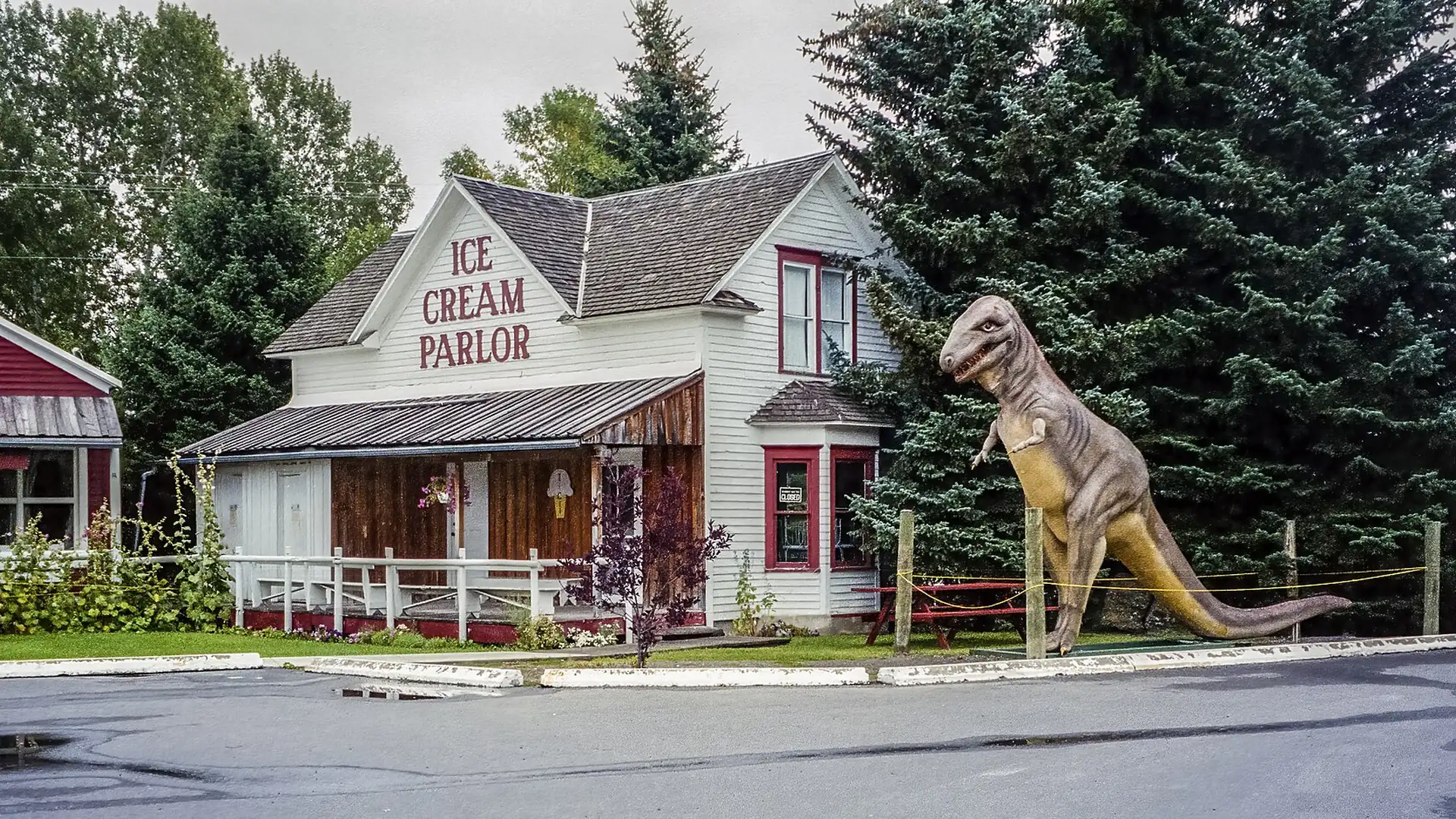
Photo: Acroterion / CC BY-SA 4.0, via Wikimedia Commons
Choteau places a modest main street near the dramatic Rocky Mountain Front, where open plains meet steep mountain walls. The contrast is the town’s first great attraction, especially in clear light. Start with a local orientation stop before heading into a landscape that can look deceptively close from town.
The Old Trail Museum adds fossils, regional history, Indigenous heritage, and exhibits tied to the Two Medicine dinosaur country. Its seasonal collections give the scenery a much longer timeline. Pair the museum with a public scenic drive or a planned trail, keeping the town as a practical base for the Front’s weather-dependent adventures.
Insider tip: Visit the museum before the countryside so fossil and cultural interpretation give the open plains and mountain edge a deeper meaning.
Where: Choteau, Montana
Map of the places
Tap a place to open it in Google Maps:
- Whitefish
- Bigfork
- Red Lodge
- Philipsburg
- Livingston
- Polson
- Virginia City
- Ennis
- Big Timber
- Gardiner
- Choteau
Tips for planning your Montana trip
- Choose summer and early fall for the widest mountain-road and museum access; winter is strongest around established ski and snow-recreation bases.
- Group Whitefish, Bigfork, and Polson within a Flathead trip, while treating southwest Montana, Red Lodge, and the Rocky Mountain Front separately.
- Reserve peak-season lodging, guided activities, performances, and historic-site tours ahead.
- Pack layers, walking shoes, water, sun protection, rain gear, and appropriate equipment for any planned mountain route.
- Check current conditions, seasonal roads, wildfire notices, park access, and museum calendars before departure.
FAQ
Which Montana towns work well without a major hike?
Whitefish, Bigfork, Livingston, Philipsburg, and Virginia City provide strong town-centered visits. Museums, galleries, public shore areas, and historic streets can fill a satisfying day.
Where should history lovers begin?
Virginia City preserves gold-rush and territorial history, while Livingston explores railroad travel and the Yellowstone region. Choteau adds dinosaur country and the cultural history of the Rocky Mountain Front.
Are the mountain roads open year-round?
High routes such as the Beartooth Highway have a short seasonal window and can close unexpectedly. Build a town visit that remains worthwhile when a mountain drive is unavailable.
Final thoughts
Save the Montana town that makes you want to stop before the next mountain, then share the guide with someone who will appreciate the depot, museum, and river as much as the view.

