
Hidden gems in Kentucky with a reason to linger
A sandstone arch can be the beginning of a Kentucky trip, but it does not have to be the whole story. You can follow it with an underground river, buildings shaped by a communal society, or wooden giants sitting among trees. These hidden gems in Kentucky reward a curious traveler with very different kinds of discovery.
Some destinations here are well known, with quieter corners and deeper stories beyond the first photograph. Choose a regional cluster and give each visit time, using spring greenery, summer shade, or fall color as part of the attraction rather than a requirement for enjoying it.
1. Natural Bridge State Resort Park, Slade
Natural Bridge’s great sandstone arch gives the park an unmistakable centerpiece. The span formed through the erosion of the surrounding rock, leaving a structure that looks both massive and surprisingly delicate. Trails approach through wooded slopes, making the reveal part of the walk. Look at the arch from an established viewpoint before concentrating on the wider forest around it.
The park is close to the Red River Gorge region but has its own trail network and lodging. You can make the arch the focus of a day or stay longer for more woodland walking. Many trails lie within a nature preserve where pets do not enter. Spring and fall are especially rewarding, with foliage framing the rock in fresh green or warm seasonal color.
Insider tip: Give the arch a view from more than one established angle, noticing how the opening changes against the trees and sky.
Where: Slade, Kentucky
2. Mammoth Cave National Park, Mammoth Cave
Mammoth Cave changes your sense of scale beneath the wooded hills of south-central Kentucky. The world’s longest known cave system contains passages and chambers that make the ground above seem newly mysterious. A guided tour turns the darkness into a story of water, rock, exploration, and human history. Choose the route for its content as well as its physical demands.
Above ground, the Green River valley and forest trails give you another side of the park. A woodland walk can be a satisfying companion to the underground visit. Cave entry requires a tour ticket, with advance reservations strongly recommended. The park works across the seasons, especially when you balance the cave’s enclosed spaces with time outdoors in the surrounding landscape.
Insider tip: Read the tour descriptions carefully and choose one that matches both your interests and your comfort with stairs and confined passages.
Where: Mammoth Cave, Kentucky
3. Shaker Village of Pleasant Hill, Harrodsburg
Pleasant Hill’s surviving Shaker buildings make a communal society visible through architecture. Dwelling houses, workshops, and other historic structures line the old village corridor. Their proportions and practical details invite close looking. Begin with interpretation so the simple forms connect with the beliefs and work that shaped them.
The broader property adds a farm and preserve trails, giving you ways to move beyond historic interiors. You can study craftsmanship in a building, then see the land that helped support the community. Choose a manageable combination of buildings and walking for the time you have. Spring through fall is especially appealing when you want both historical context and a long outdoor afternoon.
Insider tip: Compare two buildings with different purposes, noticing how the design responds to work, gathering, or daily domestic life.
Where: Harrodsburg, Kentucky
4. Lost River Cave, Bowling Green
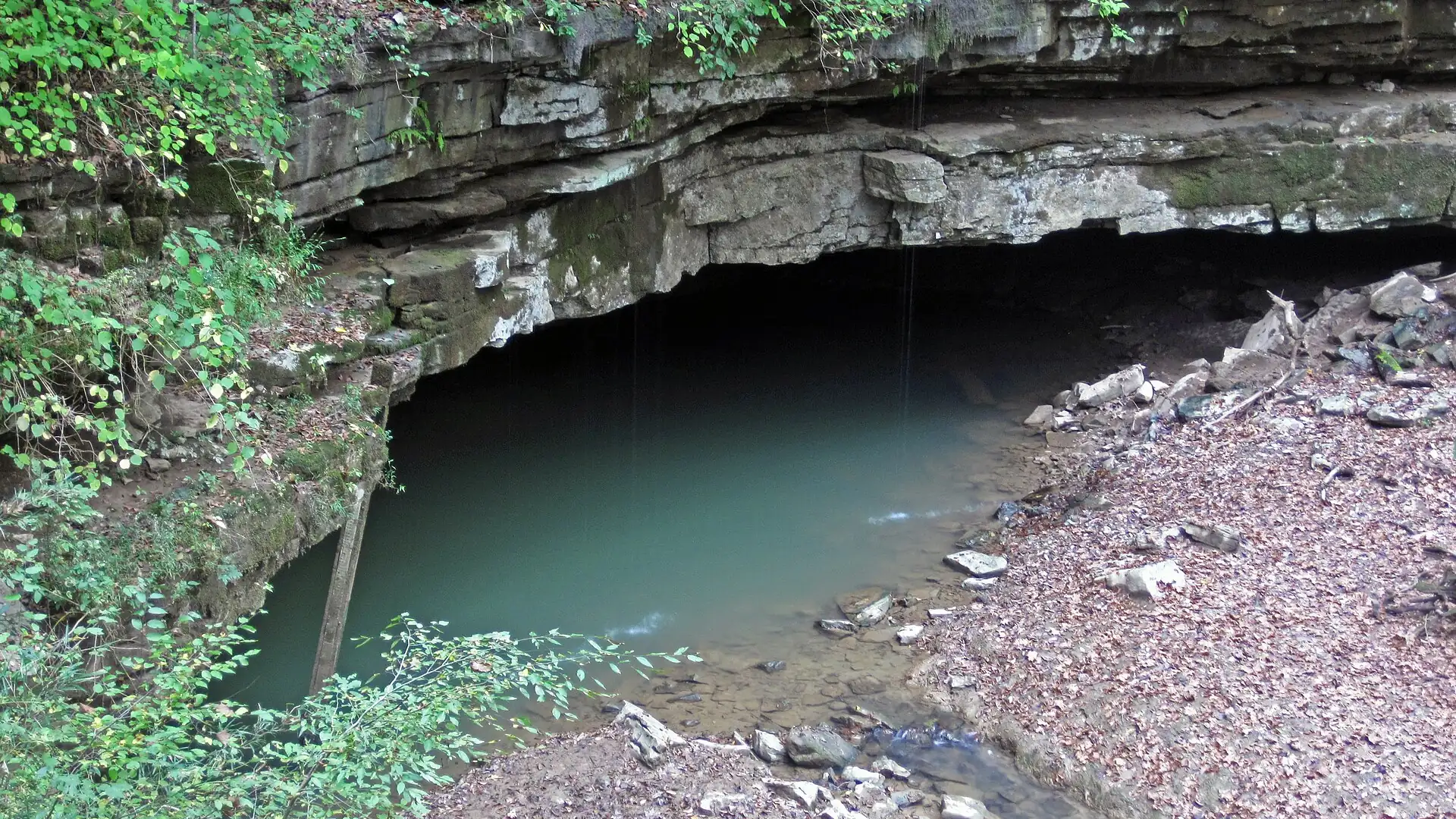
Photo: James St. John / CC BY 2.0, via Wikimedia Commons
Lost River Cave gives an underground visit the added movement of a boat. The guided trip follows the river into a cave whose entrance and passages make water’s role in the landscape immediately apparent. The site also has a varied human history, including use as a nightclub in the twentieth century. Interpretation connects those unexpected stories with the place you are seeing.
The surrounding grounds offer walking opportunities that extend the visit beyond the boat. You can enjoy the woodland and river landscape before or after going underground. Boat tours use scheduled departures, with reservations recommended. A mild spring or fall day is especially good for combining the two parts, while the cave itself provides a very different environment from the town outside.
Insider tip: Leave time on both sides of the tour for the grounds, so arriving and departing do not become the only aboveground parts of the visit.
Where: Bowling Green, Kentucky
5. Pine Mountain State Resort Park, Pineville
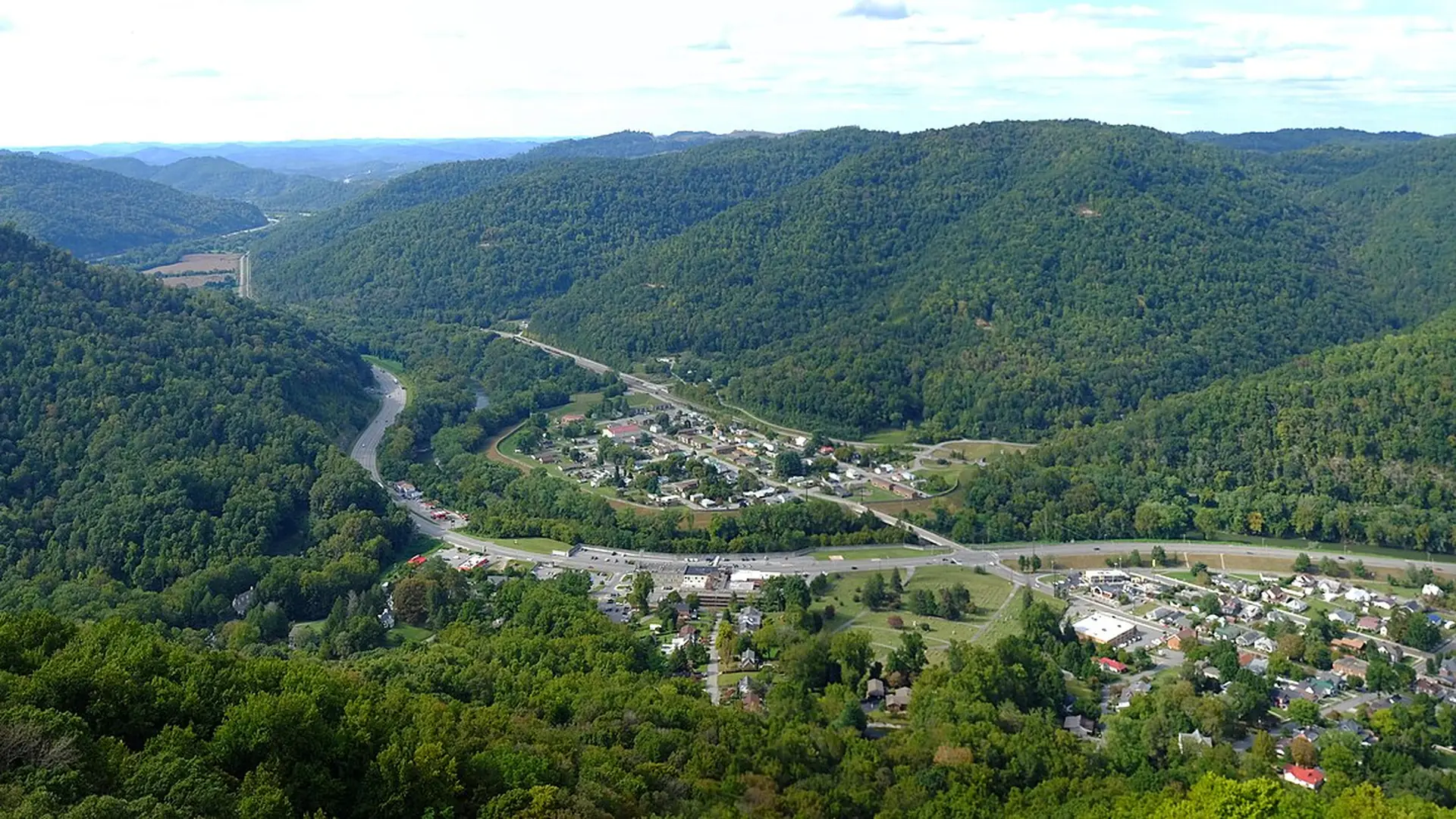
Photo: CV1958 (Colin Viney) / CC BY-SA 4.0, via Wikimedia Commons
Pine Mountain brings eastern Kentucky’s ridges into a view you can appreciate from established overlooks and trails. Chained Rock is its best-known landmark, a large outcrop physically linked to the adjacent cliff by a chain installed in the 1930s. The story behind it belongs to local lore as well as engineering. The view toward Pineville gives the rock a clear relationship with the town below.
The park’s protected forest adds old trees and sandstone features to the visit. Choose a walk that suits your energy and give the woodland detail as much attention as the panorama. Spring foliage and autumn color make particularly attractive frames for the mountain scenery. Staying nearby lets you enjoy a more relaxed pace without treating every trail as an item to finish.
Insider tip: Learn the Chained Rock story before walking, then look at the town from the overlook to understand why the landmark captured local imagination.
Where: Pineville, Kentucky
6. Breaks Interstate Park, Elkhorn City

Photo: Brian Gratwicke / CC BY 2.0, via Wikimedia Commons
The Russell Fork River cuts a deep, dramatic canyon through the mountain landscape at the Breaks. Cliffs, forested slopes, and bends in the river create a panorama with several layers to study. The park spans the Kentucky-Virginia border, giving its name a literal meaning. Start with an established overlook and let the scale become clear before choosing more walking.
Trails offer closer encounters with the rock and woods around the rim. The river far below belongs to a very different, more demanding environment than the developed viewpoints. You can build a memorable day around overlooks and a modest walk without descending into the canyon. Spring through fall offers changing foliage, with autumn especially good for seeing color across the wooded slopes.
Insider tip: Choose a few overlooks with different orientations, so you can compare the canyon’s bends instead of taking the same view repeatedly.
Where: Elkhorn City, Kentucky
7. Bernheim Forest, Clermont
Bernheim’s wooden forest giants make an ordinary walk feel wonderfully imaginative. Danish artist Thomas Dambo created the figures from recycled wood, placing a family of giants within the arboretum landscape. Their faces, limbs, and scale reward both a first delighted look and a closer study. You can notice how repeated small pieces create a figure large enough to feel at home among trees.
The surrounding arboretum and forest give the sculptures a living context. Leave time for plants, water, and a second look at a favorite giant as part of the route. Spring and fall are particularly pleasant for walking, though the landscape changes attractively through the year. Families can enjoy the playful art while adults appreciate the craft and material choices behind it.
Insider tip: Look closely at the joints and surfaces before stepping back for a full photograph, connecting the giant figure with its many small wooden parts.
Where: Clermont, Kentucky
8. Big South Fork, Stearns
Big South Fork gives Kentucky a landscape of sandstone cliffs, wooded gorges, and a river that helped shape them. Near Stearns, the Blue Heron Mining Community adds a human story to those dramatic surroundings. Preserved structures and interpretation recall the coal-mining settlement. The industrial remains make the gorge a working historical place as well as a scenic one.
Choose a public overlook or trail and give it time beyond the first photograph. A visit can combine the mining story with a walk through the surrounding forest. The Blue Heron visitor facilities are seasonal, while the outdoor historic structures remain accessible across the year. Spring greens and autumn leaves each provide a strong reason to explore the Kentucky side of this large recreation area.
Insider tip: Begin with the mining interpretation so the structures and river landscape become parts of the same story.
Where: Stearns, Kentucky
9. Land Between the Lakes, Golden Pond
Land Between the Lakes combines a large forested peninsula with the broad waters of Kentucky Lake and Lake Barkley. Golden Pond provides a useful orientation point, including a visitor center and planetarium. The landscape offers more than one kind of day, from shoreline walking to wildlife watching. Choose a clear theme before trying to see too much of the area.
The Elk & Bison Prairie adds a distinctive drive through native grassland habitat. Its large animals give the restored landscape movement and scale. Visitors explore that enclosure in an enclosed vehicle, with pedestrians and open vehicles excluded. Spring and fall suit broader exploring, while summer rewards a plan that includes comfortable breaks between outdoor stops.
Insider tip: Decide on a wildlife-focused or trail-focused day, using Golden Pond’s information to keep the plan manageable.
Where: Golden Pond, Kentucky
10. Red River Gorge, Slade
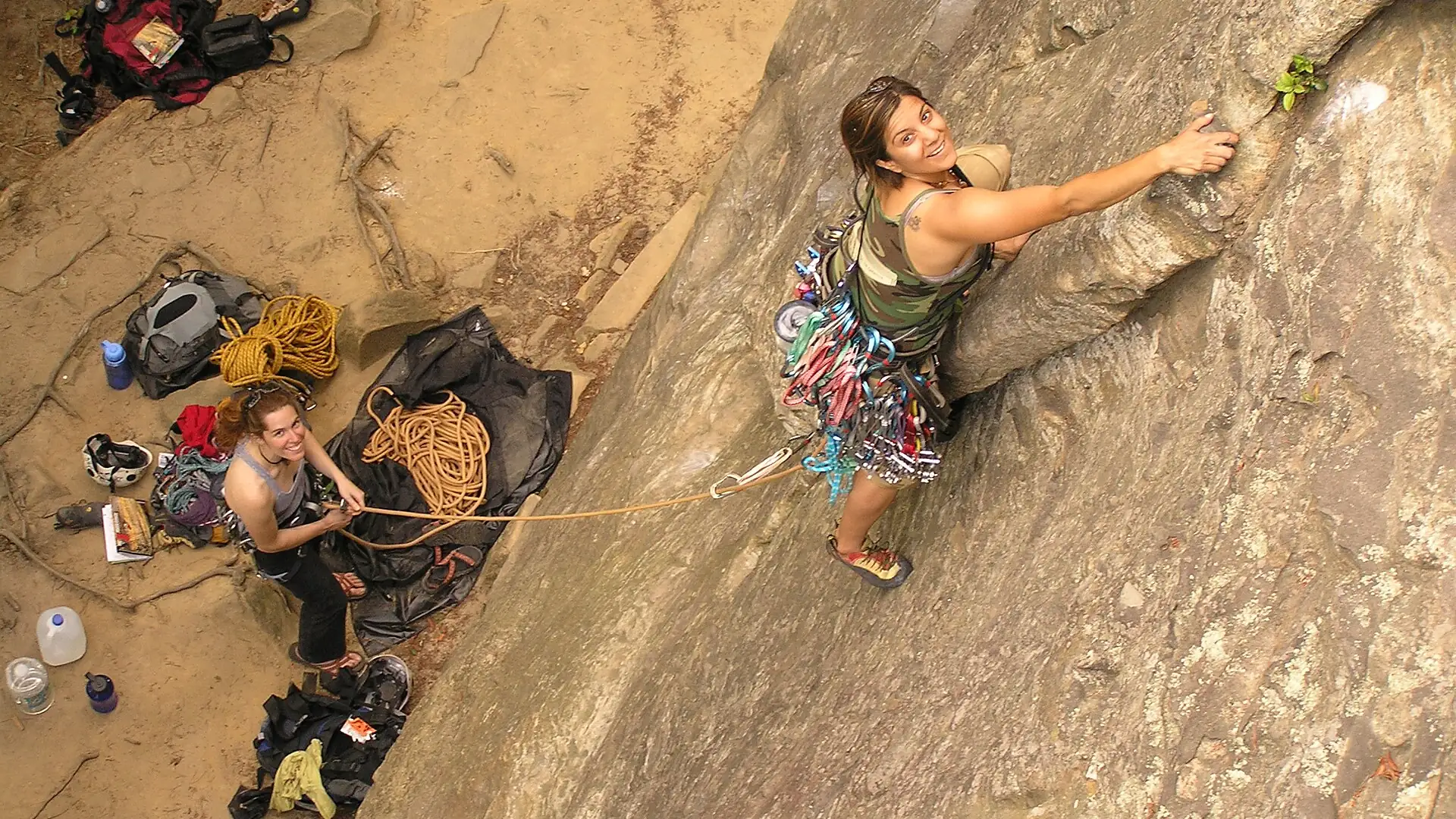
Photo: Laurel F / CC BY-SA 2.0, via Wikimedia Commons
Red River Gorge makes sandstone the organizing feature of a remarkably varied landscape. Natural arches, cliffs, rock shelters, and wooded valleys belong to the Daniel Boone National Forest’s geological area. A viewpoint can reveal the broad shape, while a trail brings the rock much closer. You do not need to cover a long route to begin appreciating the variety.
Choose one established walk that matches your energy and the feature you most want to see. The pleasure comes from having time to notice the rock surfaces and the forest growing around them. Spring and fall are particularly attractive, with foliage changing how much of the landscape is visible. An overnight near Slade leaves room for a slower visit and another walk the following day.
Insider tip: Pick a single geological feature as your main goal, leaving enough daylight to enjoy the route leading to it.
Where: Slade, Kentucky
11. Cumberland Gap National Historical Park, Middlesboro
Cumberland Gap turns a mountain passage into a place where landscape and migration history meet. The gap was used by Native peoples and later by settlers traveling through the Appalachians. Walking its interpreted routes makes the terrain part of understanding that movement. The visitor center helps connect the familiar frontier story with a much longer history.
The park extends into Kentucky, Tennessee, and Virginia, with trails and overlooks revealing the surrounding ridges. Choose a manageable route and give the historical interpretation its own time. Spring brings fresh woodland growth, while autumn makes the mountain layers especially striking. You can enjoy a substantial visit through the developed historical areas without taking on the park’s longer backcountry hikes.
Insider tip: Start with the visitor center’s interpretation before choosing a walk, so the mountain passage carries more meaning when you reach it.
Where: Middlesboro, Kentucky
Map of the places
Tap a place to open it in Google Maps:
- Natural Bridge State Resort Park, Slade
- Mammoth Cave National Park, Mammoth Cave
- Shaker Village of Pleasant Hill, Harrodsburg
- Lost River Cave, Bowling Green
- Pine Mountain State Resort Park, Pineville
- Breaks Interstate Park, Elkhorn City
- Bernheim Forest, Clermont
- Big South Fork, Stearns
- Land Between the Lakes, Golden Pond
- Red River Gorge, Slade
- Cumberland Gap National Historical Park, Middlesboro
Tips for planning your Kentucky trip
- Group nearby destinations, such as Slade’s arch-and-gorge country, south-central cave attractions, or eastern mountain parks, into manageable trips.
- Spring and fall suit varied outdoor exploring; caves and historical interiors add worthwhile options across the seasons.
- Reserve cave tours, lodging, and any scheduled guided visits early when they are central to your plans.
- Pack walking shoes, layers, water, and a light jacket for cave visits, with a small day bag for trails.
- Check current conditions, trail maps, seasonal facilities, and attraction calendars before selecting the final routes.
FAQ
Are these destinations all little-known places?
No, some are major Kentucky attractions with more to explore beyond their signature sight. The guide focuses on distinctive features and ways to give each visit more depth.
Which places combine nature with history?
Shaker Village links historic buildings with farmland and preserve trails. Big South Fork adds a mining community to its gorge scenery, while Cumberland Gap connects mountain terrain with migration history.
Do you need to be an experienced hiker?
No, several destinations offer museums, guided tours, developed overlooks, or shorter walks. Choose specific routes and activities that suit your abilities, since the terrain varies widely.
Final thoughts
Kentucky’s most interesting places often reveal more when you stay beyond the obvious photograph. Save the destinations that fit your curiosity, and give the cave, village, forest, or mountain passage time to tell its fuller story.

