
An Iowa road trip with the river as your guide
The Mississippi refuses to be background scenery for long. It appears beyond a museum window, spreads below a blufftop park, and explains why a town’s old commercial buildings stand where they do. This Iowa road trip follows that connection through seven stops, starting in Davenport and finishing in Lansing.
Give the route several days so you can enjoy the places between the views. You will move generally north along Iowa’s eastern edge, with art, museums, small-town streets, and open river panoramas making the journey more varied than a simple shoreline drive.
1. Davenport
Begin in Davenport with art and a generous view of the Mississippi. The Figge Art Museum’s glass building, designed by David Chipperfield, makes a memorable landmark near the riverfront. Its architecture gives the city’s cultural collection an equally interesting home. Before going inside, walk around the building and notice how its surfaces respond to sky and water.
Allow a proper museum visit, choosing the galleries that most interest you. Then get outside for a riverfront walk, where the scale of the Mississippi becomes the second major sight of the day. This is a useful opening combination: something to look at closely, followed by a landscape that asks you to look outward. You can keep the afternoon relaxed without struggling to find things to do.
Stay for a downtown meal if you are beginning the trip with an overnight. Spring and fall are comfortable for walking, while summer gives you more evening light by the water. From Davenport, head generally northeast along the Iowa side of the river toward Le Claire. The next stop brings the journey closer to the people and vessels associated with the Mississippi’s working past.
Insider tip: Give the Figge’s exterior its own look before entering, so the architecture becomes part of the visit as well as a container for the art.
Where: Davenport, Iowa
2. Le Claire
Le Claire makes river history tangible at the Buffalo Bill Museum. William Cody’s story shares space with exhibits about local life and the Mississippi, giving the museum a broader focus than its name first suggests. The preserved wooden-hulled towboat Lone Star is a particular highlight. You can see a working vessel as an object with real scale and structure, beyond a picture in a display case.
Afterward, explore the historic downtown near the river. Old commercial buildings, shops, and places to eat make a pleasant change from the museum’s concentrated looking. Keep glancing toward the water as you walk, since the river explains much of the town’s early purpose. This is a stop where the present-day pleasure of browsing sits comfortably beside the older story of moving goods.
Mild weather suits an unhurried visit, with spring and fall especially good for combining indoor history and a waterfront walk. Leave room for a meal before continuing. From Le Claire, drive generally north along the Mississippi corridor toward Bellevue. The river remains your reference point, though the roads move inland and return to it as the terrain allows.
Insider tip: Make time for the Lone Star as well as the Buffalo Bill exhibits; the two subjects reveal different parts of Le Claire’s identity.
Where: Le Claire, Iowa
3. Bellevue
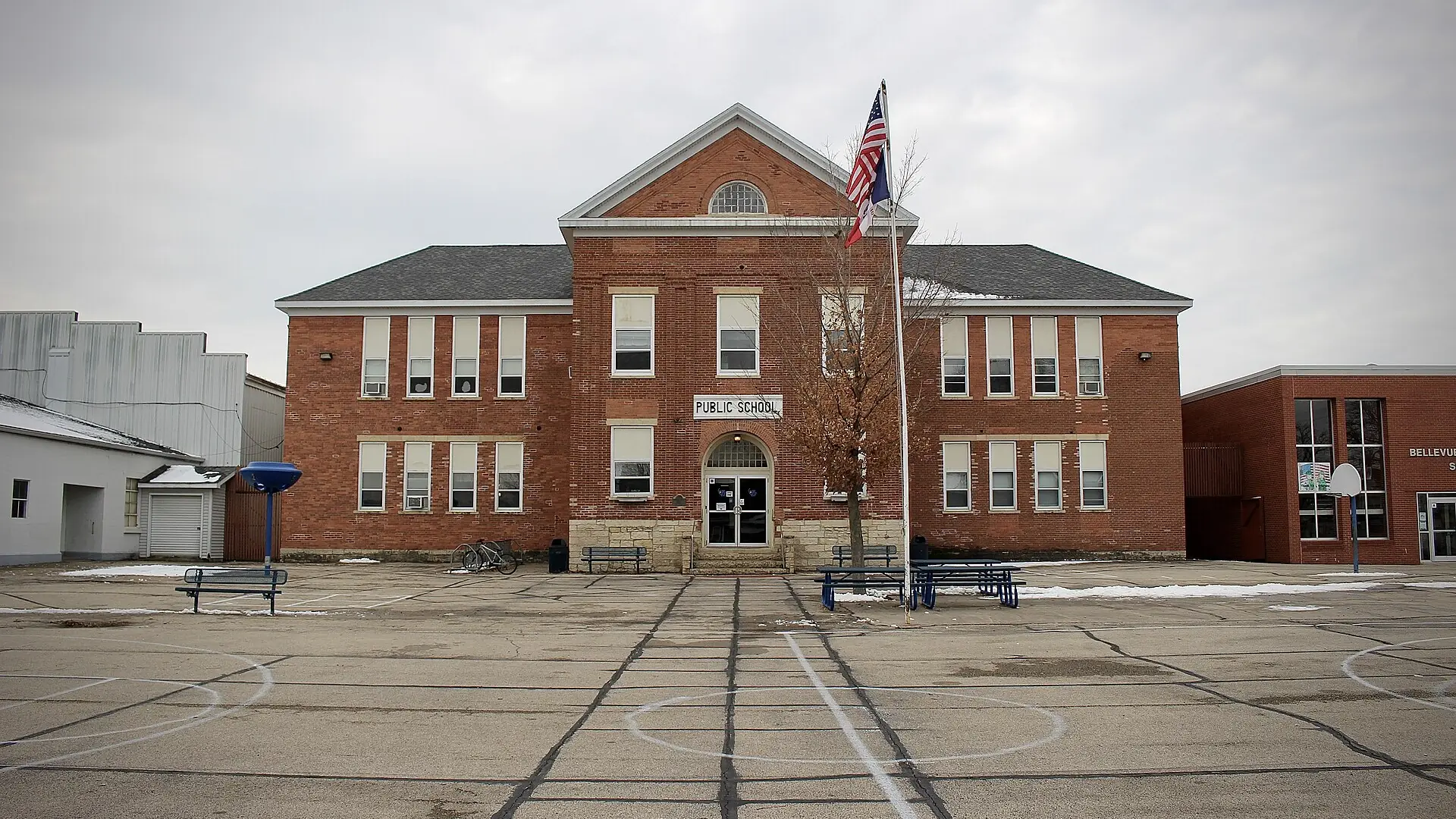
Photo: Pud00 / CC BY-SA 4.0, via Wikimedia Commons
Bellevue puts a working river landmark directly beside its downtown. Lock and Dam 12 is part of the Mississippi’s navigation system, giving you a reason to think about how large vessels move through the river. Riverview Park provides places to walk and look across the water. Even without a boat passing, the structures reveal the river as a transportation route that requires careful engineering.
For a wider view, Bellevue State Park rises above town. The Nelson Unit includes overlooks, trails, and restored prairie, adding another landscape to the visit. You can compare the close riverfront perspective with the blufftop panorama. That change in height helps you understand how the town fits between the water and the surrounding hills.
A picnic and a downtown wander can make Bellevue a satisfying pause between larger museum stops. Autumn brings colorful woods to the bluff views, while summer’s long days favor lingering beside the river. Continue generally north toward Dubuque when you are ready. The next stop expands the story from a lock and a town waterfront to the Mississippi’s wildlife, industry, and human history.
Insider tip: See the river from town before heading uphill; the park panorama becomes more interesting when you recognize what is below.
Where: Bellevue, Iowa
4. Dubuque
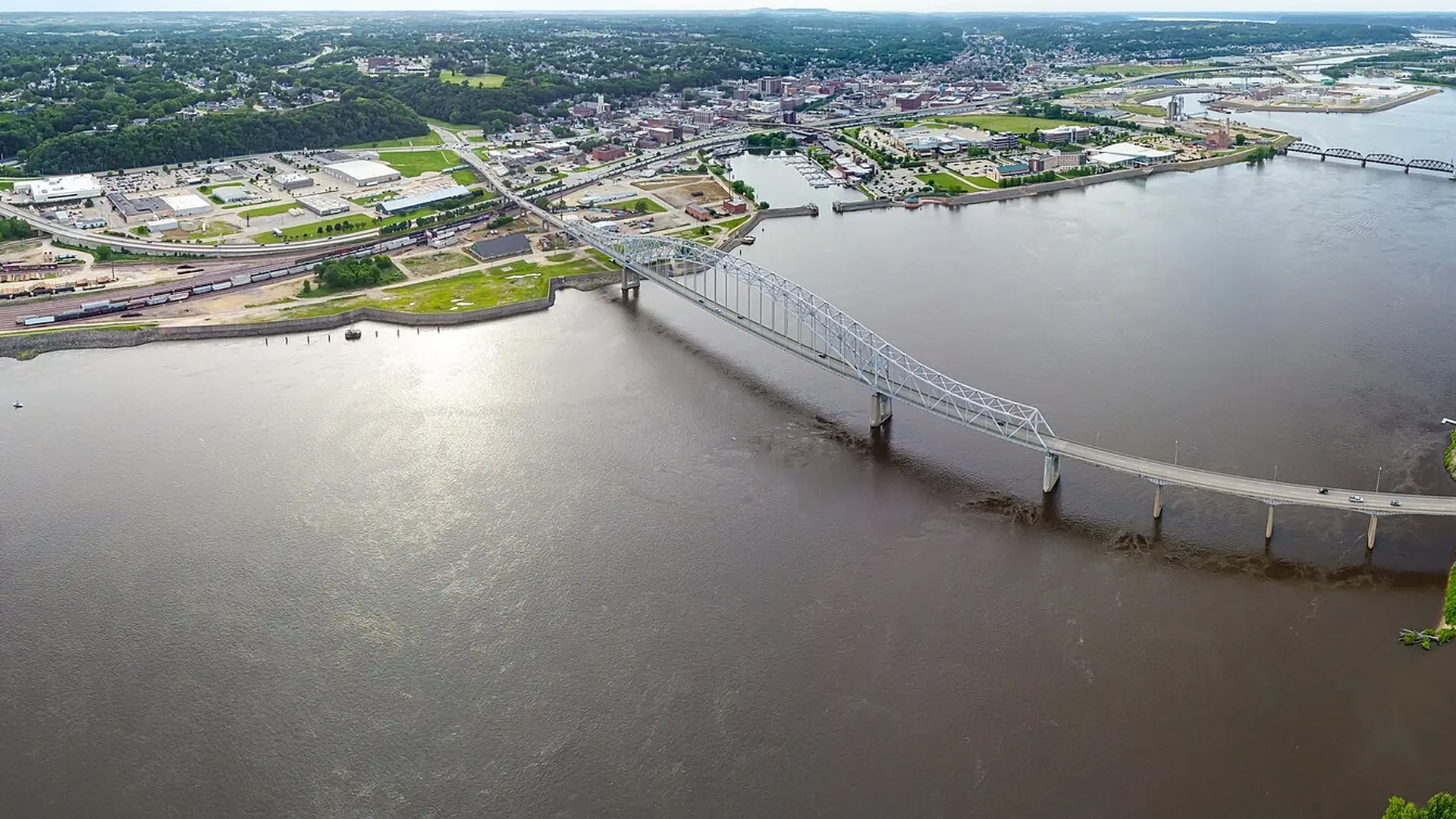
Photo: Wikideas1 / CC0, via Wikimedia Commons
Dubuque deserves more than a quick stop because it lets you study the river and then see the landscape around it. The National Mississippi River Museum & Aquarium combines living animals with exhibits about the waterway and its history. It is a strong choice for families, with subjects that can hold very different interests. Give yourself time to follow the parts that catch your attention.
The Fenelon Place Elevator adds a memorable piece of city engineering. The historic funicular climbs a bluff above the lower streets, where downtown and the river spread into a broad view. The railway runs seasonally from spring through late fall. A ride and time at the top provide a pleasant counterpoint to the museum’s indoor galleries.
Dubuque is a sensible overnight base if you want an evening meal and a relaxed start the following morning. You can divide the major attractions across two parts of the trip, avoiding a rushed museum visit. From here, head generally north toward McGregor through the river-bluff region. The landscape becomes a larger part of the day’s entertainment as you approach northeastern Iowa’s smaller communities.
Insider tip: Choose a museum priority before arriving, then leave room for a subject you did not expect to find interesting.
Where: Dubuque, Iowa
5. McGregor
McGregor’s narrow valley puts the Mississippi on one side and steep bluffs close behind its historic streets. The nationally registered downtown district preserves buildings from the town’s nineteenth-century commercial years. Walk through the center and look at how the older structures fit the available space. The geography makes the town feel distinct before you have read any of its history.
Pikes Peak State Park provides the grand-scale companion to those compact streets. Its blufftop view looks toward the meeting of the Wisconsin and Mississippi rivers. You can watch channels and islands resolve into a much larger river landscape. A longer park walk is optional when the main reward you want is the developed overlook.
Give McGregor daylight for the views and enough remaining time for the town itself. Fall color is especially striking around the bluffs, though a green summer landscape has its own depth and texture. From McGregor, continue generally north to neighboring Marquette. The short geographic transition is worth making deliberately, because the next town adds a different transportation story to the same broad river corridor.
Insider tip: Keep downtown walking and the blufftop view as separate parts of your stop, giving each more attention than a quick arrival photograph.
Where: McGregor, Iowa
6. Marquette
Marquette brings the railway into your Mississippi River journey. The reconstructed depot houses local and railroad history exhibits, connecting the town’s waterfront identity with travel and commerce by land. It is a small-scale stop that fits the route especially well. After several river views, you have another way to think about how people and goods moved through the region.
Spend time near the waterfront as well as the depot. The surrounding bluffs and Mississippi channels keep the landscape visually rich, while the town’s compact size encourages a slower visit. Look at the relationship between the river and the narrow strips of developed land beside it. You can appreciate the practical limits geography imposed on a community here.
A spring or fall visit is pleasant for combining the museum with an outdoor pause. Use Marquette as a chance to slow down before the final northward stretch. Continue generally north toward Lansing, following the Iowa river corridor through more bluff-country scenery. There is no need to turn this last leg into a race when the landscape between towns is part of the point.
Insider tip: Read the railway interpretation before your waterfront walk, so the transportation connections remain in mind as you look around.
Where: Marquette, Iowa
7. Lansing
Lansing gives the trip a finish with both a main street and a panorama. Mount Hosmer City Park rises above town, offering wide views over the Mississippi River Valley. From the overlooks, islands, channels, and the surrounding slopes give the waterway a much more intricate shape than a simple line on a map. It is a fitting place to look back over a river-focused journey.
Return to downtown for a walk at a more human scale. Historic buildings and the nearby waterfront connect the broad view with the everyday town below it. You can spend the final afternoon browsing, eating, and looking at the river from ground level. The change in perspective makes the overlook feel like part of the community’s story.
Autumn gives the surrounding woods bright color, while warmer months invite a longer pause outside. Leave yourself enough time to enjoy the view without checking the clock for the next stop. Lansing works well as a final overnight if you want the road trip to end with a quiet evening. The best finish may simply be a meal and one more look at the Mississippi.
Insider tip: Compare the river from Mount Hosmer with the view near downtown, noticing how the same channels look different at each height.
Where: Lansing, Iowa
Map of the places
Tap a place to open it in Google Maps:
Tips for planning your Iowa trip
- Follow the listed order from Davenport to Lansing, allowing several days for museums, town walks, and time outside the car.
- Use Dubuque or one of the smaller northern communities as an overnight base according to the pace you prefer.
- Spring and fall favor comfortable walking; summer adds long evenings, while autumn brings color to the wooded bluffs.
- Pack layers for river breezes, walking shoes, rain protection, and a small day bag for museum visits.
- Check current conditions, seasonal attraction calendars, riverfront access, and road notices before finalizing each day’s route.
FAQ
Is this a continuous drive beside the water?
No, roads sometimes turn inland around terrain and return to the river near towns. The Mississippi remains the organizing theme, with several opportunities to see it from different heights.
How much time should you allow?
Several days gives the seven stops enough room for museums, meals, and relaxed walks. A shorter trip works best when you concentrate on one portion of the route.
Which stops have especially good views?
Bellevue State Park, Pikes Peak near McGregor, and Mount Hosmer in Lansing offer memorable elevated perspectives. Dubuque’s seasonal Fenelon Place Elevator adds a city-and-river view to the collection.
Final thoughts
By Lansing, the Mississippi should feel less like a border and more like the thread connecting the trip. Save this route for a season when you can stop often, and share it with someone who enjoys the view between destinations as much as the destinations themselves.

