
Hidden gems in Hawaii with a story behind the scenery
A view can catch your attention immediately, but understanding the place makes it stay with you. These hidden gems in Hawaii connect canyon walls, coastal habitats, volcanic terrain, and cultural history across several islands, with public visitor areas shaping the experience at each stop.
Several are already popular, so choose them for what they offer, not an expectation of secrecy. Plan around one island at a time, give sacred and residential places appropriate respect, and let a thoughtful walk or lookout visit be enough when the landscape asks you to keep your distance.
1. Waimea Canyon, Kauai
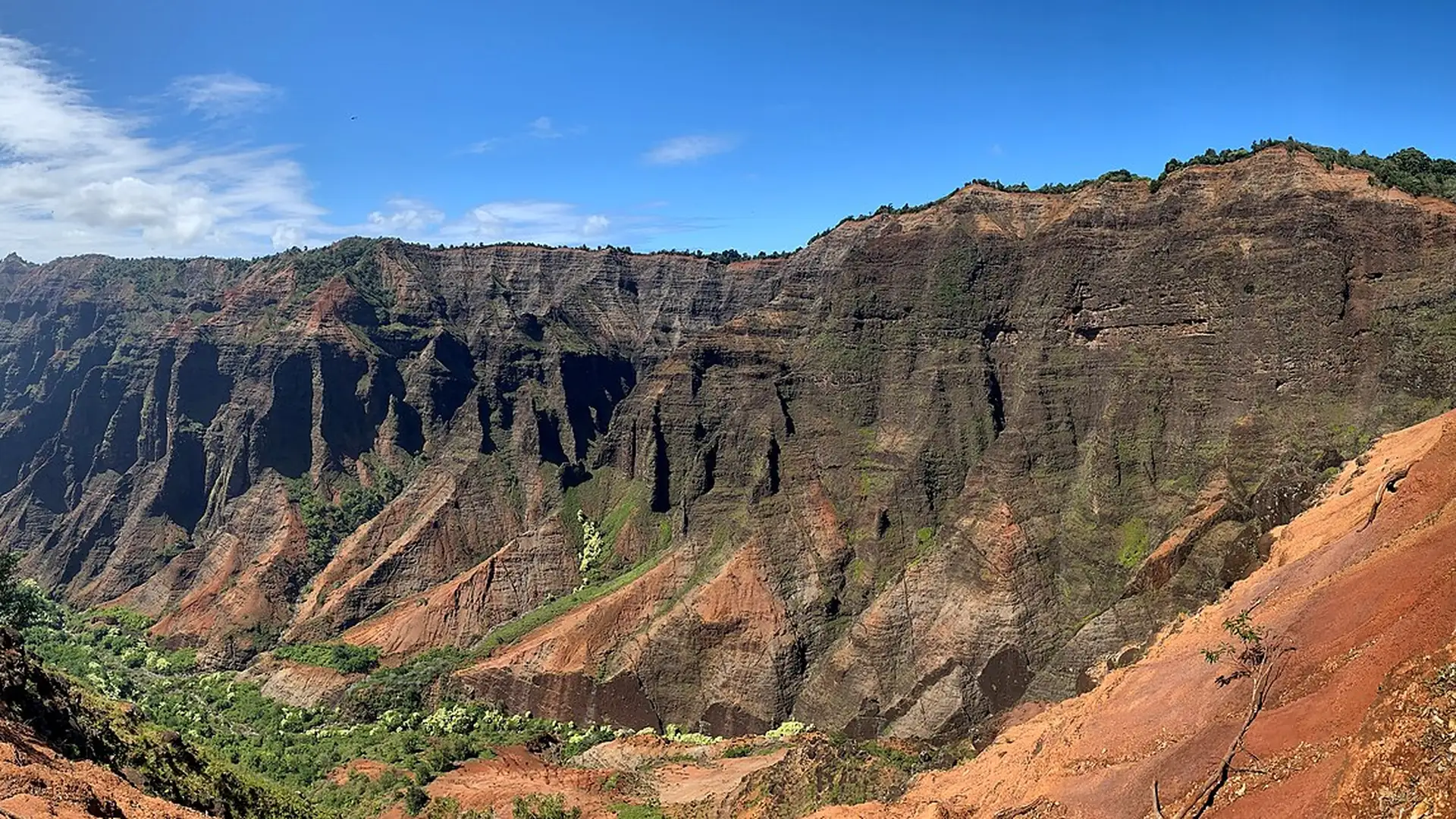
Photo: OKJaguar / CC BY-SA 4.0, via Wikimedia Commons
Waimea Canyon cuts deeply into Kauai’s western interior, with red and brown rock, green slopes, and branching ravines creating a layered landscape. The Waimea River helped carve the canyon, giving the broad view a geological story beyond its striking colors.
Use established lookouts to appreciate the scale before considering any trail outing. A viewpoint visit can be a complete experience, especially when changing light reveals different folds in the terrain and clouds move across the higher country.
Clearer weather gives the broadest views, though no season promises an unobstructed panorama. Keep the outing flexible enough to enjoy the landscape you actually encounter, with a longer hike chosen for your abilities and preparation.
Insider tip: Take a wide photograph first, then look for smaller patterns of color and erosion within the canyon.
Where: Kauai, Hawaii
2. Pololu Valley, Hawi
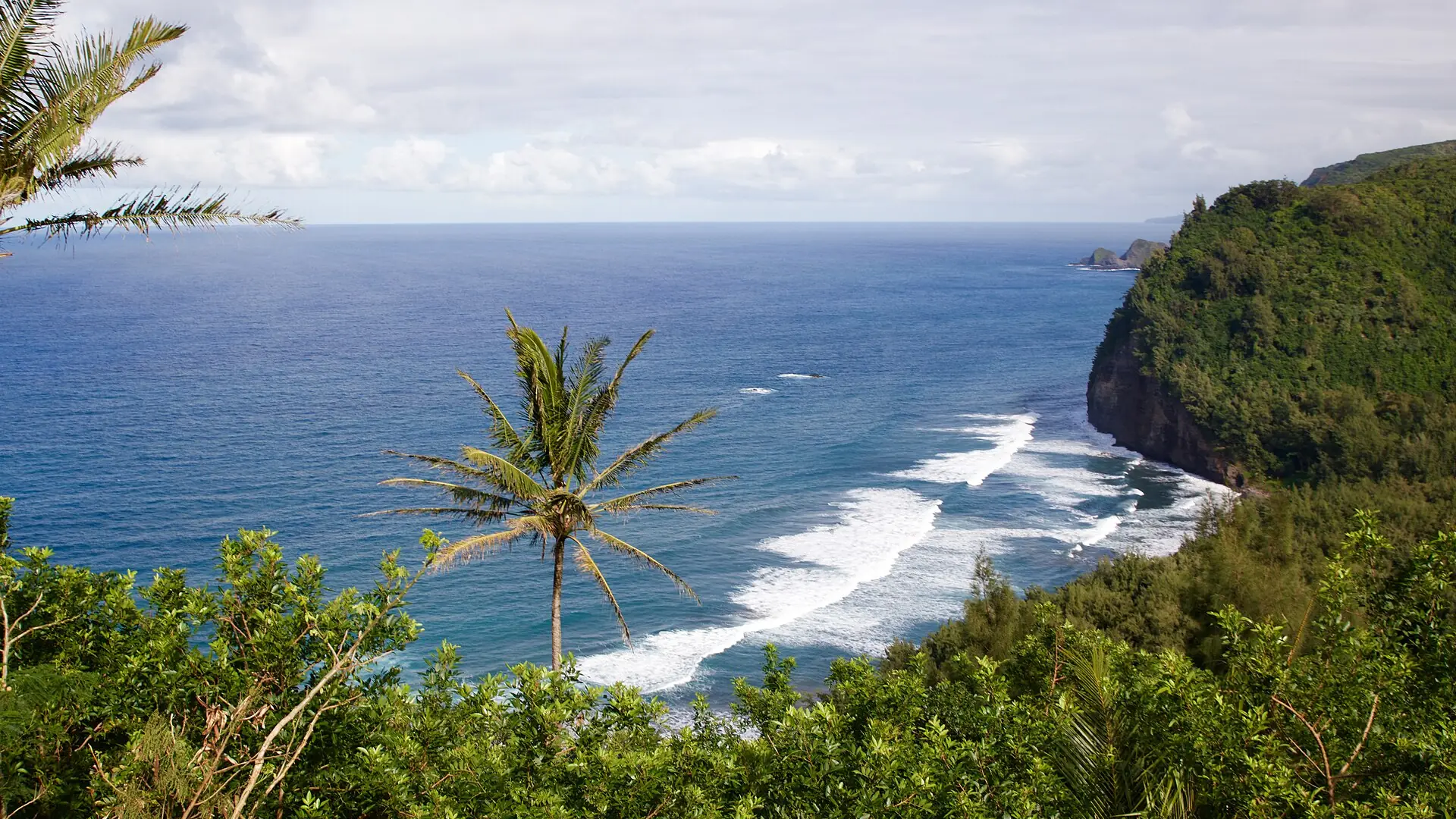
Photo: Bill Abbott / CC BY-SA 2.0, via Wikimedia Commons
Pololu Valley lies at the northern end of Hawaii Island’s Kohala coast, where steep green walls meet a dark shoreline. The public lookout gives you a strong introduction to that setting without requiring a descent into the valley.
Treat the view as a destination in itself, appreciating the curve of the coast and the valley’s depth. The area also carries ancestral and community significance, so a visitor outing should remain within designated public spaces and follow the guidance of local trail stewards.
A valley hike is a separate decision involving steep ground and the return climb. You can enjoy the landscape from above without entering the surf, wandering onto private valley land, or treating culturally important areas as a playground.
Insider tip: Choose the lookout-only visit when your group wants a coastal view without committing to a steep hike.
Where: Hawi, Hawaii
3. Puuhonua o Honaunau National Historical Park, Honaunau
Puuhonua o Honaunau preserves a place of refuge and royal grounds on Hawaii Island’s western coast. The Great Wall and the sacred setting around Hale o Keawe give the public walking route powerful physical landmarks.
Follow the park’s interpretation to understand what the structures and landscape mean. This is a cultural visit beside the ocean, with the stonework, carved figures, and historic grounds deserving attention beyond their photographic appeal.
Take the established visitor route slowly and respect the boundaries around sacred areas. A comfortable visit includes time to read and listen, letting Hawaiian history guide your understanding of the coast around you.
Insider tip: Begin with the park’s orientation material before walking the grounds, so the landmarks have a clear cultural context.
Where: Honaunau, Hawaii
4. Richardson Ocean Park, Hilo
Richardson Ocean Park adds a black-sand shoreline to a Hilo-area outing, with volcanic rock and a spring-fed coastal setting shaping the view. Green olivine grains can occur among the darker sand, a small detail worth noticing without removing any material.
Enjoy the public park and shoreline as a place to observe the meeting of fresh water, ocean, and lava terrain. A simple walk and a pause by the coast can be rewarding without making snorkeling or swimming the purpose of the visit.
Hilo’s passing rain and changing light are part of the experience in any season. Keep your plans comfortable for the weather, leaving the ocean decision separate from the plan to enjoy the park.
Insider tip: Look closely at the sand where you are already standing, then leave every grain and shell in place.
Where: Hilo, Hawaii
5. Waianapanapa State Park, Hana
Waianapanapa is known for Pailoa’s black sand and the volcanic shoreline around it on East Maui. Sea stacks, coastal rock features, and hala vegetation give the landscape more variety than a single beach image suggests.
Use designated paths and viewing areas to appreciate the coast, keeping back from exposed edges and wave action. The park suits an attentive shore-based visit, with no need to make swimming part of the experience.
Advance entry and parking arrangements are central to a nonresident visit by car. Give the reserved visit enough room within your Hana-area plans, so the park receives more attention than a rushed photograph before the next bend in the road.
Insider tip: Save your entry confirmation for offline use and keep walking footwear separate from beach sandals.
Where: Hana, Hawaii
6. Kalalau Lookout, Kokee State Park
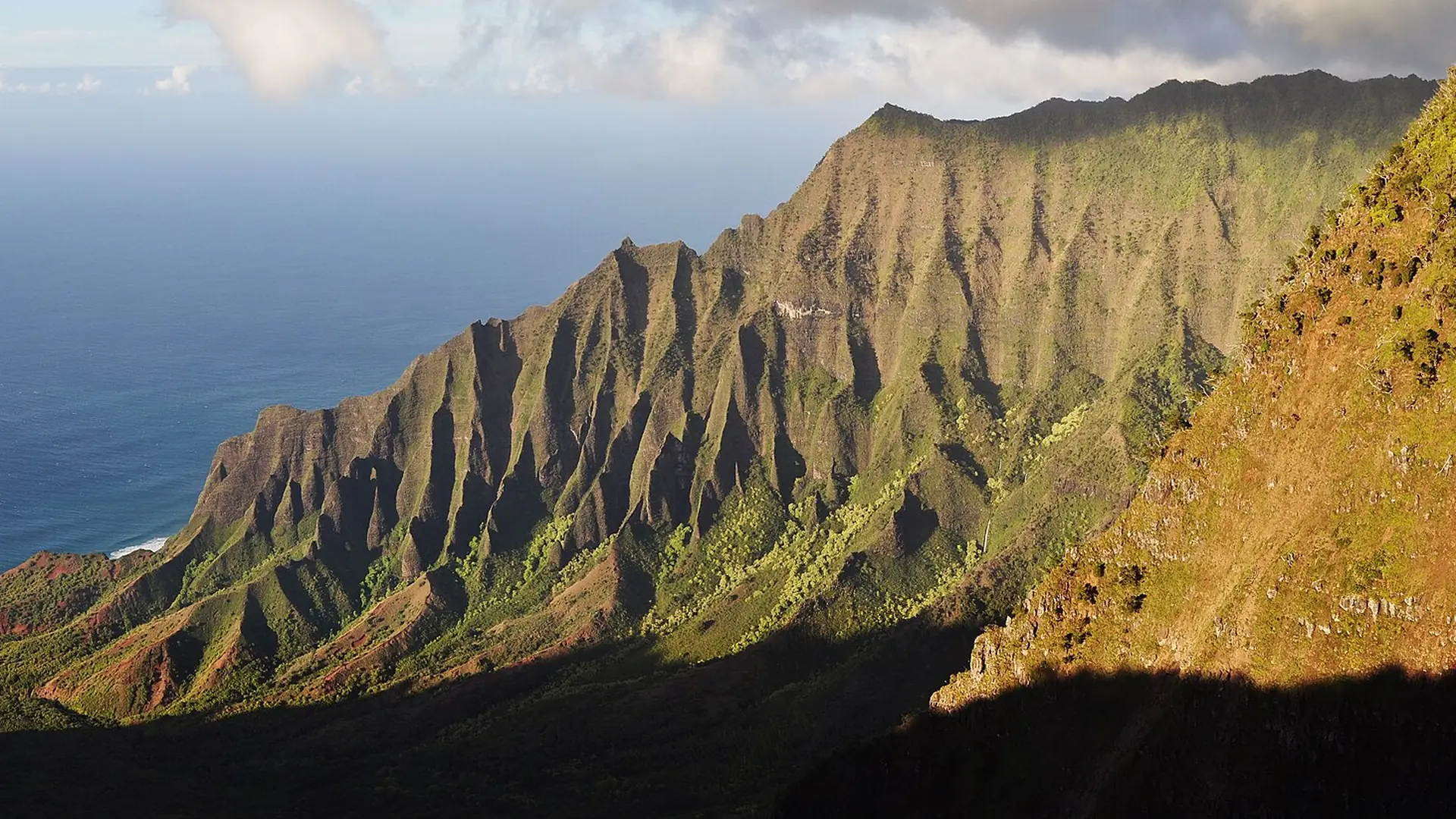
Photo: Paxson Woelber / CC BY-SA 3.0, via Wikimedia Commons
Kalalau Lookout faces a deeply folded valley and the Na Pali coastline from Kauai’s high western country. Its elevated position offers a perspective very different from seeing the coast from the water or a low shoreline.
Enjoy the view from the designated lookout, giving clouds and changing light a little time. This is not the start of the coastal Kalalau Trail, and an overlook visit does not provide a route down into the valley.
Clear spells can reveal the valley’s ridges and ocean beyond, while cloud can temporarily hide much of the scene. Keep expectations flexible and appreciate the upland setting without approaching an edge for a supposedly better angle.
Insider tip: Bring a light layer for the higher-elevation stop, even when the coast where you started felt warm.
Where: Kokee State Park, Hawaii
7. Haleakala National Park, Kula
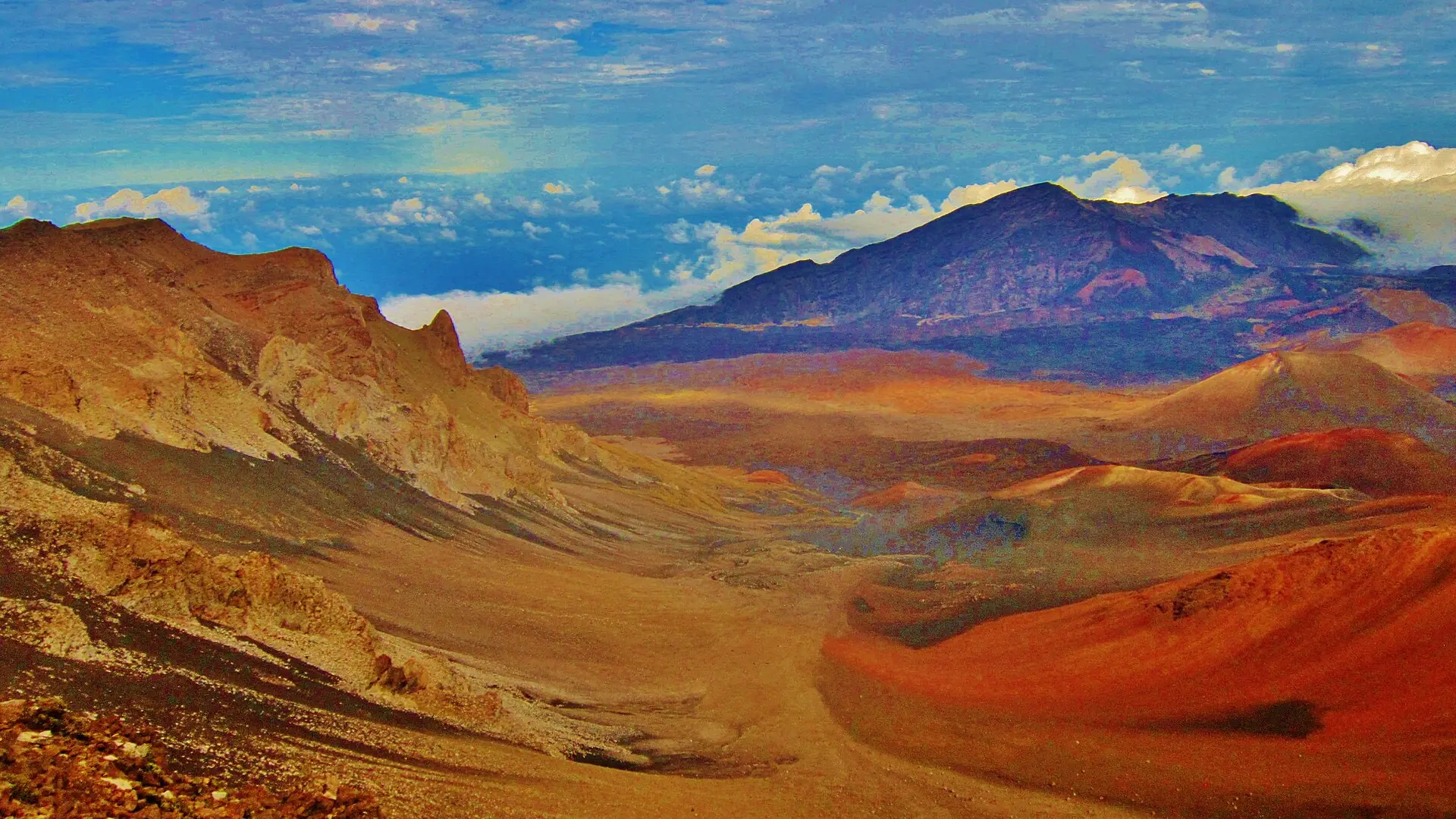
Photo: Michelle Maria / CC BY 3.0, via Wikimedia Commons
Haleakala’s Summit District rises above much of Maui into a landscape of volcanic slopes and cinder cones. Native silversword plants add a distinctive living element to terrain that can initially appear almost bare.
Choose established overlooks and walks according to your preparation for altitude and exposure. The summit landscape is rewarding in daylight as well as at dawn, giving you several ways to appreciate the park without making the whole visit depend on one moment.
Sunrise entry requires its own advance reservation, and summit weather can feel far colder than the coast. Give the mountain a separate place in your itinerary, keeping the coastal Kipahulu District as a different excursion reached by a different road.
Insider tip: Carry your warm layers in the passenger area so they are ready as soon as you leave the car at elevation.
Where: Kula, Hawaii
8. Lanikai Beach, Kailua
Lanikai faces Oahu’s windward waters, with pale sand and the Mokulua islets forming its familiar composition. The beach adjoins a residential neighborhood, so the approach is part of a lived-in community with public shoreline access lanes.
Use those designated lanes and enjoy a manageable beach walk, leaving homes and gardens undisturbed. The offshore islets create a steady focus as trade winds and cloud patterns change the appearance of the water.
A shore-based visit works in different seasons when the weather is comfortable. Keep any ocean activity a separate plan, recognizing that a calm-looking photograph does not establish safe conditions on your day.
Insider tip: Keep beach gear compact so you can move comfortably through the public access lane without blocking it.
Where: Kailua, Hawaii
9. Kaena Point, Waialua
Kaena Point occupies Oahu’s northwestern tip, where an exposed coastal landscape meets protected seabird habitat. Laysan albatross are among the birds associated with the reserve, and the predator-exclusion fence is an important conservation feature.
From the Waialua side, plan around the designated Mokuleia shoreline approach and stay on the marked public route. The point is a walking destination, with the open sun, uneven ground, and return journey deserving proper preparation.
Enjoy wildlife from a distance and follow the reserve’s gate and boundary instructions carefully. The coast has enough interest in its rocks, ocean, and birds that the outing does not need to include water entry or an off-trail scramble.
Insider tip: Bring enough water for the entire return outing, since exposed coastal walking can feel warmer than the breeze suggests.
Where: Waialua, Hawaii
10. Iao Valley State Monument, Wailuku
Iao Valley State Monument protects a lush West Maui landscape centered on the erosional feature known as the Iao Needle. A paved lookout route and ethnobotanical garden area give the public visit both scenic and plant-focused interests.
Walk at a pace that leaves room for the stream valley and the vegetation around the path. The setting carries substantial Hawaiian historical and cultural meaning, making interpretation an important part of the visit alongside the familiar spire view.
Nonresident visitors need advance reservations, so this stop belongs in the organized part of your plans. Allow for passing rain and damp surfaces, enjoying the green valley without treating a stream or restricted route as an invitation to explore farther.
Insider tip: Include the plant interpretation in your visit, giving the garden area its own attention after the lookout.
Where: Wailuku, Hawaii
11. Kalaupapa Lookout, Molokai
Kalaupapa Lookout is reached from Palaau State Park on Molokai’s topside, above the peninsula and its high coastal cliffs. Interpretive information connects the view with the history of people isolated at Kalaupapa because of Hansen’s disease.
Approach this as an opportunity to learn and reflect, not simply a dramatic coastal photograph. The public overlook is distinct from visiting the settlement below, whose access remains restricted and requires separate authorization.
The wooded park setting offers a different atmosphere from a beach outing, with the view dependent on weather and visibility. Give the interpretation time, allowing the human story to remain central to the landscape you see.
Insider tip: Read the overlook’s historical material before taking photographs, keeping the people associated with the peninsula in mind.
Where: Molokai, Hawaii
Map of the places
Tap a place to open it in Google Maps:
- Waimea Canyon, Kauai
- Pololu Valley, Hawi
- Puuhonua o Honaunau National Historical Park, Honaunau
- Richardson Ocean Park, Hilo
- Waianapanapa State Park, Hana
- Kalalau Lookout, Kokee State Park
- Haleakala National Park, Kula
- Lanikai Beach, Kailua
- Kaena Point, Waialua
- Iao Valley State Monument, Wailuku
- Kalaupapa Lookout, Molokai
Tips for planning your Hawaii trip
- Choose one island first and group its destinations sensibly; these eleven places do not form one driving route.
- Plan year-round with regional differences in mind, including wet windward areas, cool uplands, and seasonal surf.
- Pack water, sun protection, traction-focused walking shoes, rain protection, and warm layers for higher elevations.
- Arrange park entry and parking reservations where required, with summit sunrise treated as a separate reservation plan.
- Check current conditions, official closures, public access routes, road notices, and reservation requirements before finalizing each outing.
- Respect sacred places, private land, wildlife separation, and reserve boundaries, keeping a modest visit preferable to an improvised extension.
FAQ
Are these places secret or rarely visited?
Several are prominent attractions with established public visitor areas. Their value is the scenery, history, and habitat they reveal when you take time to understand the setting.
Can you drive between every place on this list?
No, the destinations are spread across several islands. Build an island-specific plan and arrange separate transportation if you choose to visit more than one island.
Does Kalaupapa Lookout include access to the settlement?
No, the public lookout is above the peninsula in Palaau State Park. A view from there does not authorize descent or entry to Kalaupapa’s restricted community.
Final thoughts
The most rewarding Hawaii visit leaves you with more understanding as well as a memorable view. Save the destinations that fit your island plans, use their public visitor routes, and give the landscape and its stories the attention they deserve.

