
Spring getaways in California from flower rows to coastal paths
California’s spring can fill a hillside with poppies or ask you to crouch beside one small flower. The pleasure of planning spring getaways in California is making room for both, with a different landscape around each display: desert ground, formal garden walls, mountain meadow, or ocean-facing bluff.
These eleven places combine cultivated collections with natural habitats, including the native-plant landscapes of Santa Barbara Botanic Garden. Wildflower intensity changes from year to year, and the regions follow different schedules. Choose a few places that fit together geographically, then give their individual features time beyond the first photograph.
1. Antelope Valley California Poppy Reserve, Lancaster
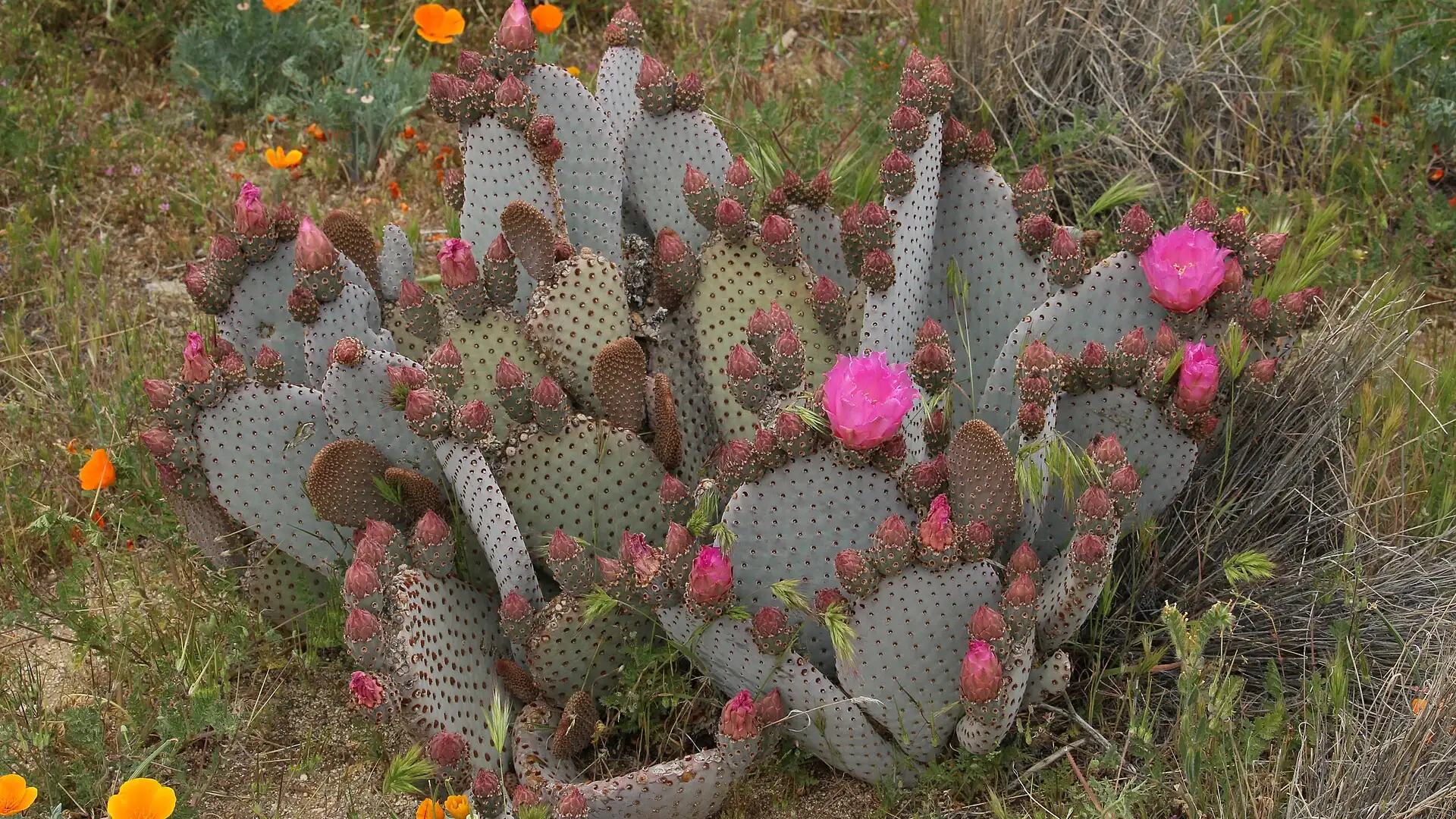
Photo: Walter Siegmund (talk) / CC BY-SA 4.0, via Wikimedia Commons
The Antelope Valley California Poppy Reserve protects rolling Mojave Desert grassland known for California poppies and other spring wildflowers. Its trails cross open hills, giving you both wider views of the color and opportunities to look closely beside the path. The orange flowers belong to a larger habitat, not a display planted to repeat identically each year.
Spring rainfall and temperature shape the amount and duration of bloom. Enjoy the reserve’s grassland setting even when color appears in patches, noticing the differences between flowers, grasses, and exposed ground. The open hills can be windy, which changes how long you may want to remain still. A comfortable walk with room for smaller discoveries is more satisfying than a search for one exact old photograph.
Insider tip: Bring a wind-resistant layer so an exposed viewpoint remains comfortable after you stop walking.
Where: Lancaster, California
2. The Flower Fields, Carlsbad
The Flower Fields is a working farm and seasonal visitor attraction known for its Giant Tecolote ranunculus. Rows of cultivated flowers spread across a Carlsbad hillside, creating bands of color you can appreciate before looking at the individual blooms. The agricultural layout gives the visit its distinctive visual rhythm.
Use the paths to enjoy both the repeating rows and the different flower forms at closer range. The farm’s spring display develops through the season, so the scene can change between visits. Give yourself enough time to look without making every stop a portrait session. The open hillside means sun protection and comfortable footwear are useful even for a gentle outing.
Insider tip: Take one photograph along the rows and another across them to capture the two different patterns of the planting.
Where: Carlsbad, California
3. Anza-Borrego Desert State Park, Borrego Springs
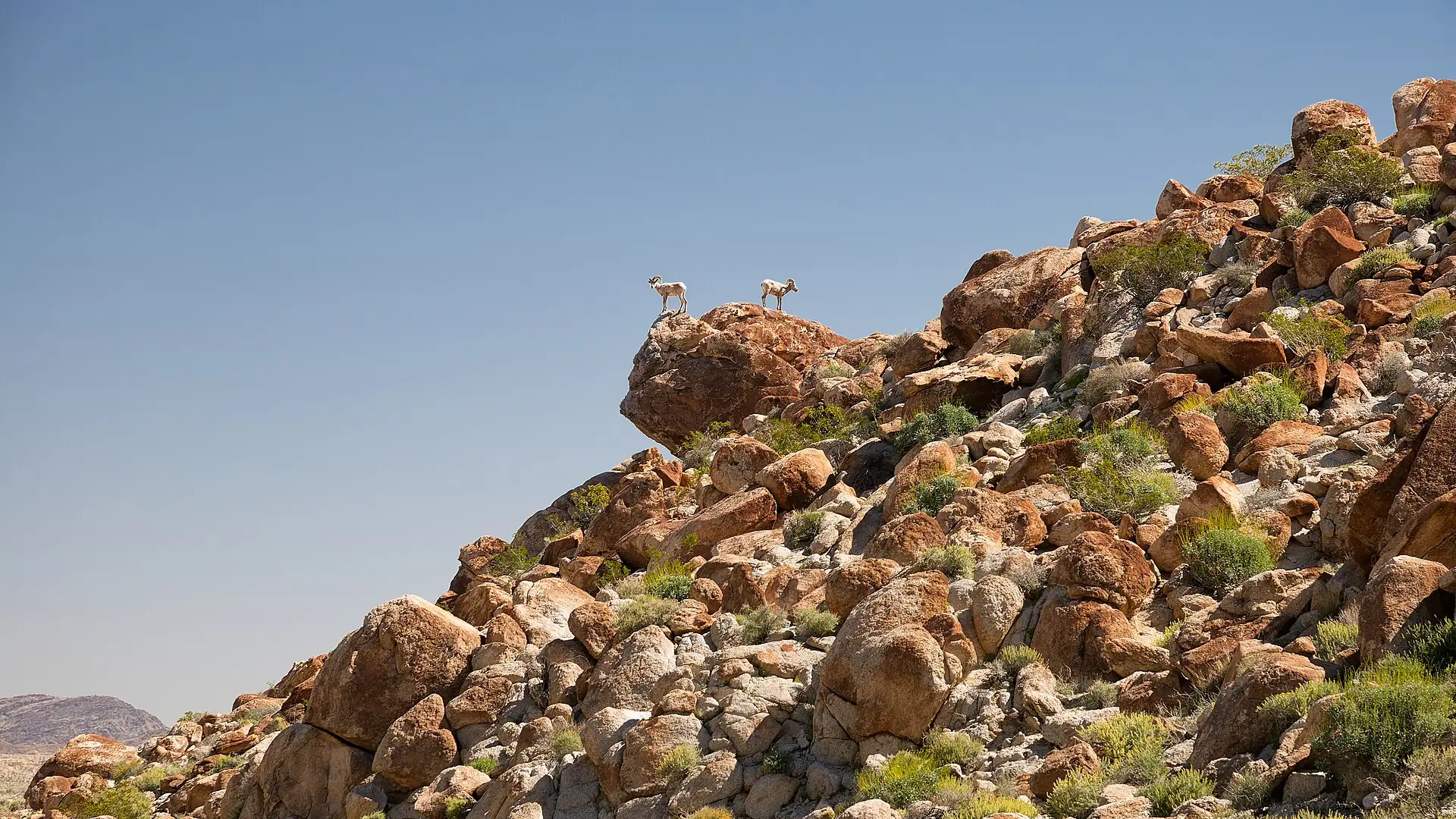
Photo: Laurens R. Krol / CC BY 4.0, via Wikimedia Commons
Anza-Borrego Desert State Park combines open desert basins, badlands, and native fan-palm oases within a much larger mountain landscape. Spring wildflowers add another layer when winter rain and suitable temperatures support them. The flowers are part of that varied environment, with different plants responding in different places.
Look closely at how small blooms sit against sand, gravel, and surrounding rock. The park’s wildflower information reflects a season that changes across the landscape, not a single uniform display. Early spring is often the most comfortable general window before stronger heat. A rewarding outing can come from noticing individual plants and the desert around them, even when there is no extensive carpet of color.
Insider tip: Keep a small flower guide or offline identification app available so isolated blooms become interesting discoveries of their own.
Where: Borrego Springs, California
4. Descanso Gardens, La Cañada Flintridge
Descanso Gardens is known for its camellia collection, whose flowering season extends through the cooler months into spring. Tulips add another spring display, with the garden planting bulbs for a changing show of color. The surrounding oak canopy gives the experience a woodland dimension beyond the cultivated beds.
Move between the planted areas and the more shaded spaces so the visit has a varied pace. The seasonal collections do not all flower together, giving you reasons to appreciate different parts of the garden as spring advances. Look at foliage and tree structure as well as blossoms. A quieter shaded pause can make the next bright planting feel even more distinct.
Insider tip: Photograph an interesting plant label beside its flower image so your favorite discoveries are easy to identify afterward.
Where: La Cañada Flintridge, California
5. Filoli, Woodside
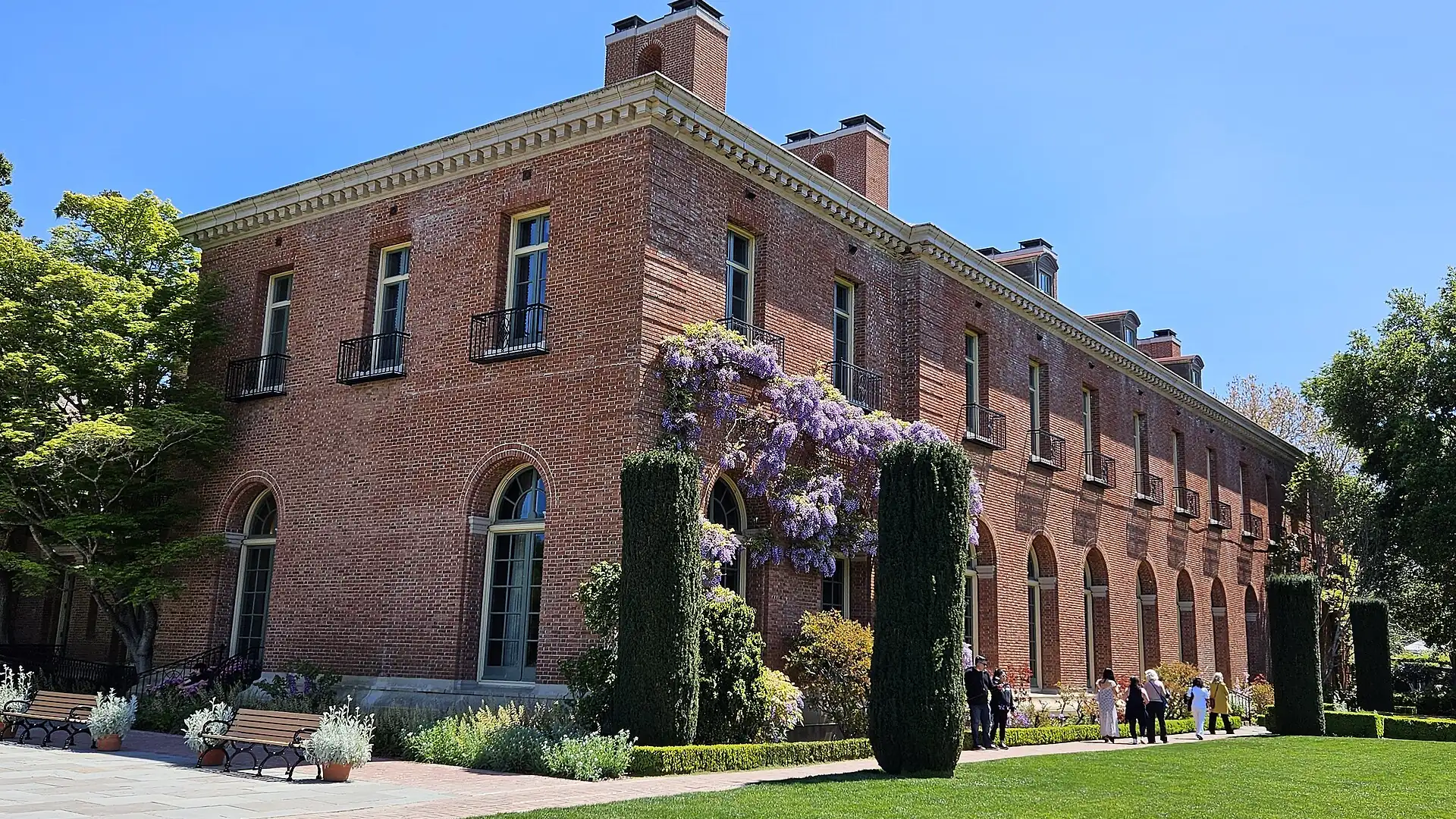
Photo: GualdimG / CC BY-SA 4.0, via Wikimedia Commons
Filoli places formal gardens beside a Georgian Revival country house, giving the flowers a strong architectural setting. Tulips, daffodils, and other spring bulbs change the color within its garden spaces. Brick paths, walls, and carefully arranged planting make the whole layout worth studying as well as the individual blooms.
Begin with a view down a path before moving closer to the beds. The spring garden develops through successive flowering periods, so one outing captures a particular moment in that progression. Notice how repeating colors connect separate areas and how the house anchors the wider scene. Spring is especially appealing when you can give the formal planting an unhurried walk with time to sit between sections.
Insider tip: Take a wide garden photograph before collecting flower close-ups so you remember the layout that made the planting effective.
Where: Woodside, California
6. Carrizo Plain National Monument, California Valley
Carrizo Plain National Monument preserves a broad grassland landscape framed by features such as the Soda Lake basin and the Temblor Range. Spring flowers can spread across parts of the plain and surrounding hills when conditions support them. The immense setting makes even a modest patch of color feel different from the same flowers in a garden bed.
Give the larger geography time before concentrating on the blooms. The Bureau of Land Management’s site information describes a remote landscape with limited nearby services. Spring is the relevant flower season, with the exact distribution varying across the monument. Remain on authorized roads and routes, protecting both the visible plants and the ground that supports the next season’s growth.
Insider tip: Bring everything needed for a self-contained day, including food and water, so a remote flower outing does not depend on finding services nearby.
Where: California Valley, California
7. Table Mountain, Oroville
Photo: NASA/JPL-Caltech / Public domain, via Wikimedia Commons
North Table Mountain Ecological Reserve sits on a basalt mesa formed by ancient lava flows. Its spring landscape includes wildflowers, lava outcrops, seasonal waterfalls, and unusual vernal pools. Those features give you several reasons to look closely at the ground, not only across the broad fields of color.
The reserve’s ecological setting explains why moisture matters so much to the display. Notice how the plants change between drier rock and wetter areas as you follow authorized routes. Spring is the most rewarding general season for this combination of flowers and water. Uneven surfaces make grippy footwear useful, especially when your attention keeps returning to the color around you.
Insider tip: Use binoculars or a zoom lens for flowers beyond your route, leaving the intervening vegetation and wet ground undisturbed.
Where: Oroville, California
8. Santa Barbara Botanic Garden, Santa Barbara
Santa Barbara Botanic Garden focuses on California native plants, with its Meadow section representing the state’s grassland communities. The Redwood section adds a much shadier environment in Mission Canyon, where tall coast redwoods rise above an understory of plants and ferns. The two areas make an especially satisfying pairing within one spring outing.
Begin with the Meadow’s open planting, then let the redwood setting change the light and scale of your walk. Spring is a good season to appreciate flowers as part of whole habitats. Labels and interpretation help connect attractive plants with the landscapes they represent. You can leave with ideas about California’s ecology as well as a collection of flower photographs.
Insider tip: Photograph one wider scene in each habitat so you remember how native plants grow together, not only as individual specimens.
Where: Santa Barbara, California
9. The Huntington Gardens, San Marino
The Huntington Gardens offers distinct settings such as the Rose Garden and the Japanese Garden within one large property. Roses provide a major spring flowering interest as the season develops, while the Japanese Garden adds ponds, a bridge, and a more architectural relationship between plants and space. You can choose a visit that appreciates both color and design.
Give a few garden areas proper attention before trying to see the whole collection. The Rose Garden rewards close looking at individual flowers, while wider views reveal how the beds fit together. Spring’s progression brings changing opportunities across the grounds. Leave time for shade and a seated pause so the visit remains enjoyable after the first burst of enthusiasm.
Insider tip: Choose two or three garden priorities and leave any additional indoor cultural visit its own time in the day.
Where: San Marino, California
10. Yosemite Valley
Yosemite Valley’s spring scene brings together the Merced River, meadow growth, and waterfalls such as Yosemite Falls responding to snowmelt. Mountain dogwoods add white bracts as their flowering season arrives. The combination means the valley’s color comes from trees, plants, water, and granite as well as a single field of flowers.
Use established valley paths to appreciate those elements without walking into delicate meadow growth. Spring develops according to elevation and the year’s weather, with fresh leaves and flowers arriving alongside changing river conditions. Give smaller plants some attention between the more obvious cliff and waterfall views. A gentle walk can provide plenty to notice when you allow yourself to stop frequently.
Insider tip: Keep a close-up photograph among the panoramic views so a smaller spring detail becomes part of your memory of the valley.
Where: Yosemite Valley, California
11. Point Lobos State Natural Reserve, Carmel
Point Lobos combines rocky coves and coastal headlands with distinctive Monterey cypress groves. The Cypress Grove Trail gives you a named route through part of that landscape, while spring flowers add smaller points of color beside the open coastal paths. Ocean views and plant details become complementary parts of the same outing.
The coastal flower setting rewards a slower pace than moving from one view straight to the next. Look beside the path as well as across the water, keeping your feet on the established route. Spring can be cool and breezy along the coast even when inland areas feel warm. A comfortable layer lets you remain at a viewpoint long enough to appreciate the changing scene.
Insider tip: Alternate wider coastal photographs with details beside the trail so the reserve’s smaller spring features receive equal attention.
Where: Carmel, California
Map of the places
Tap a place to open it in Google Maps:
- Antelope Valley California Poppy Reserve, Lancaster
- The Flower Fields, Carlsbad
- Anza-Borrego Desert State Park, Borrego Springs
- Descanso Gardens, La Cañada Flintridge
- Filoli, Woodside
- Carrizo Plain National Monument, California Valley
- Table Mountain, Oroville
- Santa Barbara Botanic Garden, Santa Barbara
- The Huntington Gardens, San Marino
- Yosemite Valley
- Point Lobos State Natural Reserve, Carmel
Tips for planning your California trip
- Follow regional bloom progression, allowing desert flowers, coastal plants, garden bulbs, and mountain growth to follow different seasonal schedules.
- Group destinations geographically, choosing separate outings for Southern California, the Bay Area, the Central Coast, and the inland natural areas.
- Pack water, sun protection, layers, grippy shoes, and offline information, with extra supplies for remote desert and grassland visits.
- Arrange seasonal Flower Fields admission, garden reservations, preferred accommodation, and any required North Table Mountain Lands Pass or qualifying license in advance.
- Check current conditions, bloom reports, road access, and official visitor arrangements before departure, especially for dirt-road and mountain destinations.
- Stay on designated routes and leave flowers untouched, treating smaller displays as opportunities for close observation, not reasons to leave the path.
FAQ
When should you plan a California spring flower trip?
Choose dates according to the region and the plants that interest you most. Winter rain, temperature, elevation, and coastal weather mean there is no single peak that covers every place.
Do the natural areas produce huge blooms every year?
No; wildflower intensity and distribution vary substantially. The surrounding habitat, smaller patches, and individual plants can still make a rewarding visit when an exceptional display does not develop.
Which places suit travelers who prefer cultivated garden walks?
Descanso, Filoli, The Huntington, and Santa Barbara Botanic Garden offer different collections within designed visitor settings. Choose the walking effort and garden interests that fit your group, leaving time for pauses between areas.
Final thoughts
Choose the California spring landscapes that make you curious, then enjoy the season at the scale you find it. Save a regional selection for your next trip, with room for both a broad hillside of color and one small flower beside the path.

