
The California coast deserves more than a sequence of photographs taken between long driving days. This California road trip gives nine places their own time, linking city waterfronts, smaller town centers, and dramatic coastal scenery from San Francisco to Los Angeles.
The stops follow a southbound driving order, with overnight stays chosen around the experiences you most want. Highway 1 access through Big Sur can require inland detours, so current road information is part of planning the route. Spring through fall offers several rewarding versions of the journey, with coastal fog, heat inland, and changing conditions shaping the details.
1. San Francisco

Photo: Dllu / CC BY-SA 4.0, via Wikimedia Commons
Begin in San Francisco with time for the city itself before turning the trip into a driving routine. Choose a waterfront walk and a cultural or neighborhood interest that suits your group. The hills and varied districts make it worth selecting a manageable area rather than trying to cover everything on arrival. A comfortable first stay also gives you time to organize supplies and settle after travel.
Spring through fall can support an enjoyable city visit, but wind and cool coastal air make layers useful throughout. Choose accommodation with your vehicle and parking plans in mind. Keep the first full day flexible enough for a longer walk or a museum that deserves more attention. When ready, head generally south toward Half Moon Bay, allowing the city-to-coast transition to become part of the journey.
Insider tip: Decide when you actually need the car in the city so parking and luggage arrangements support a relaxed beginning.
Where: San Francisco, California
2. Half Moon Bay
Half Moon Bay introduces a smaller coastal-town rhythm, with a historic center and shoreline outings that can share the same stay. Give each its own part of the day instead of treating the town only as a stop for food. A walk among shops and older buildings makes a useful contrast to time in the exposed coastal landscape.
Spring and fall can suit a walking-focused visit, while summer fog may keep the shore cooler than expected. Use established public access and remain alert to ocean conditions. You can appreciate the coast without getting close to rough water. Continue south toward Santa Cruz, choosing legal scenic stops along the open road rather than improvising at an attractive shoulder.
Insider tip: Keep a coastal layer in your day bag so a comfortable town walk can turn into a shoreline outing without repacking.
Where: Half Moon Bay, California
3. Santa Cruz
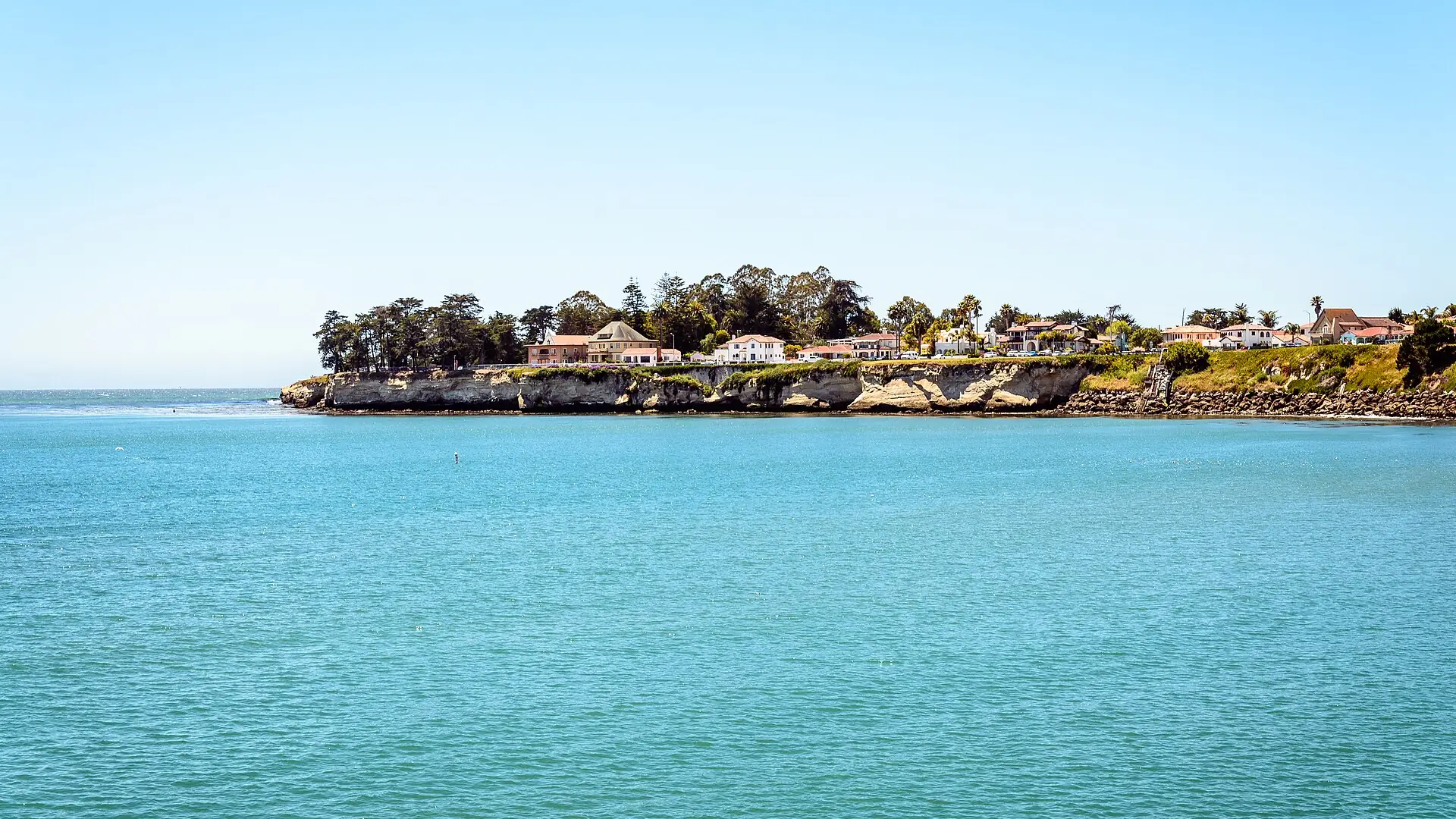
Photo: dconvertini / CC BY-SA 2.0, via Wikimedia Commons
Santa Cruz gives the route a lively seaside chapter with a recognizable boardwalk setting and a downtown worth exploring separately. Decide how much time you want around the waterfront before adding other activities. The visit can be energetic or fairly relaxed depending on the places you choose and the pace that suits your group.
Check current arrangements for any attraction that matters to you rather than assuming every activity follows the same seasonal pattern. Spring through fall provides different versions of a coastal stay, with cool mornings and fog still possible. Leave room for a meal and an easy walk after a busier outing. From Santa Cruz, continue generally south around Monterey Bay toward Monterey, keeping the next stop more than a late arrival between drives.
Insider tip: Separate your waterfront and downtown plans so both receive time instead of one becoming a rushed afterthought.
Where: Santa Cruz, California
4. Monterey
Monterey offers a marine-focused stay with waterfront scenery, local history, and a major aquarium experience to choose from. If the Monterey Bay Aquarium is a priority, give it a substantial block of time rather than squeezing it between arrival and departure. A public waterfront walk can provide a quieter interval around the more concentrated sightseeing.
Choose a seasonal plan that fits the weather, packing for cool ocean air even on a summer trip. Arrange any essential admission or guided activity directly before filling the rest of the day. Keep some time open for the shoreline rather than treating every view as a quick photograph. Continue generally south toward Carmel-by-the-Sea, where the next stop shifts the emphasis toward village streets and a different beach setting.
Insider tip: Protect your main marine or cultural visit from the day’s driving schedule so you can stay longer if it interests you.
Where: Monterey, California
5. Carmel-by-the-Sea
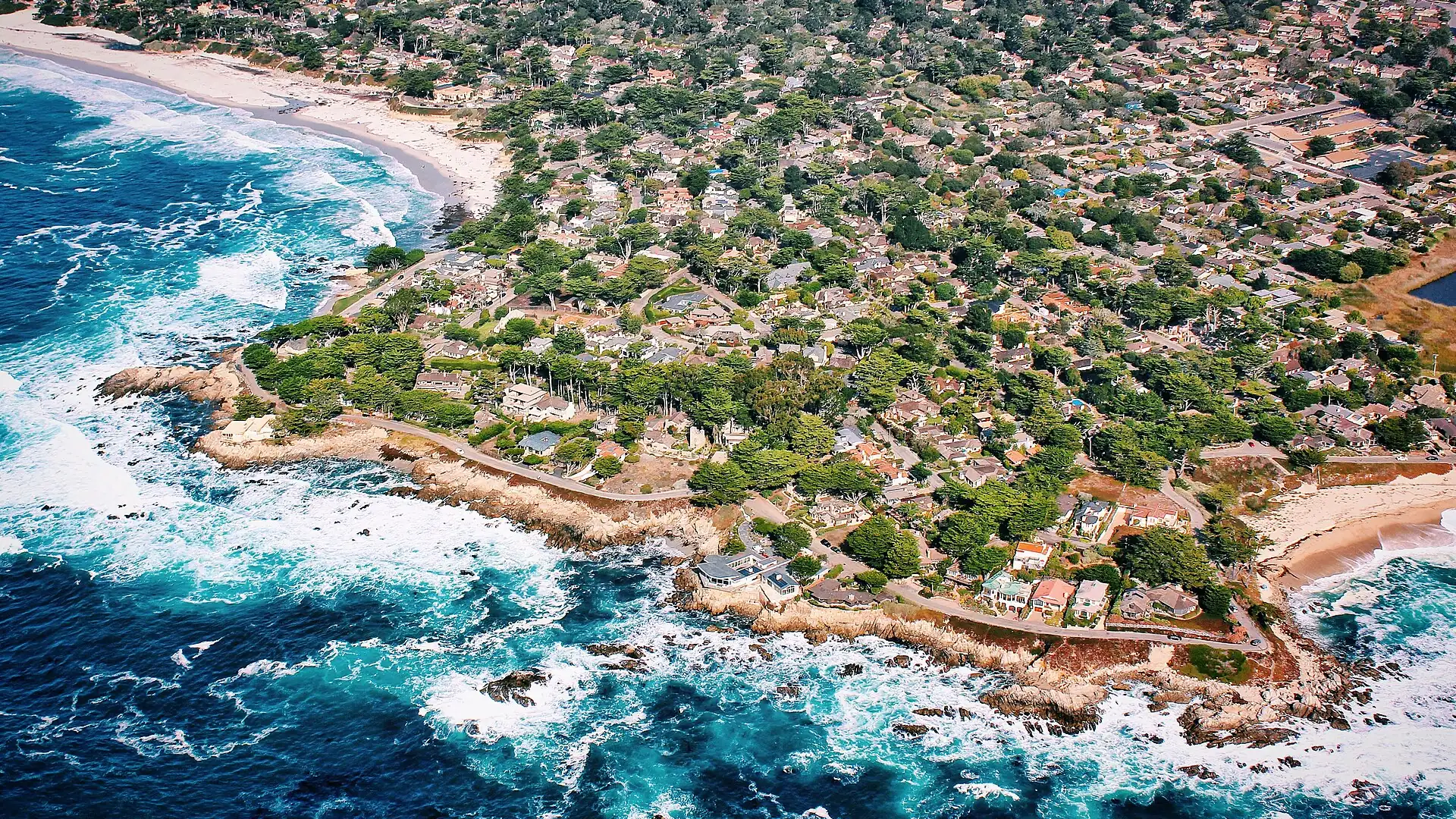
Photo: Chris Leipelt cleipelt / CC0, via Wikimedia Commons
Carmel-by-the-Sea combines galleries, smaller passages, and village-scale streets with a beach that deserves a separate outing. Begin by walking the center without trying to enter every doorway. You can return to a gallery or street once the first impressions settle, leaving the shore for another part of the day.
The state visitor overview introduces the town’s interests. Coastal layers are useful in every season, and a popular weekend requires realistic accommodation planning. Check the next driving stage before departure rather than assuming the coast road is continuous. Head south toward Big Sur using the currently authorized approach, with your exact destination and lodging access confirmed in advance.
Insider tip: Check Highway 1 and the specific access to your Big Sur stay before leaving Carmel so the next stage begins with a workable plan.
Where: Carmel-by-the-Sea, California
6. Big Sur
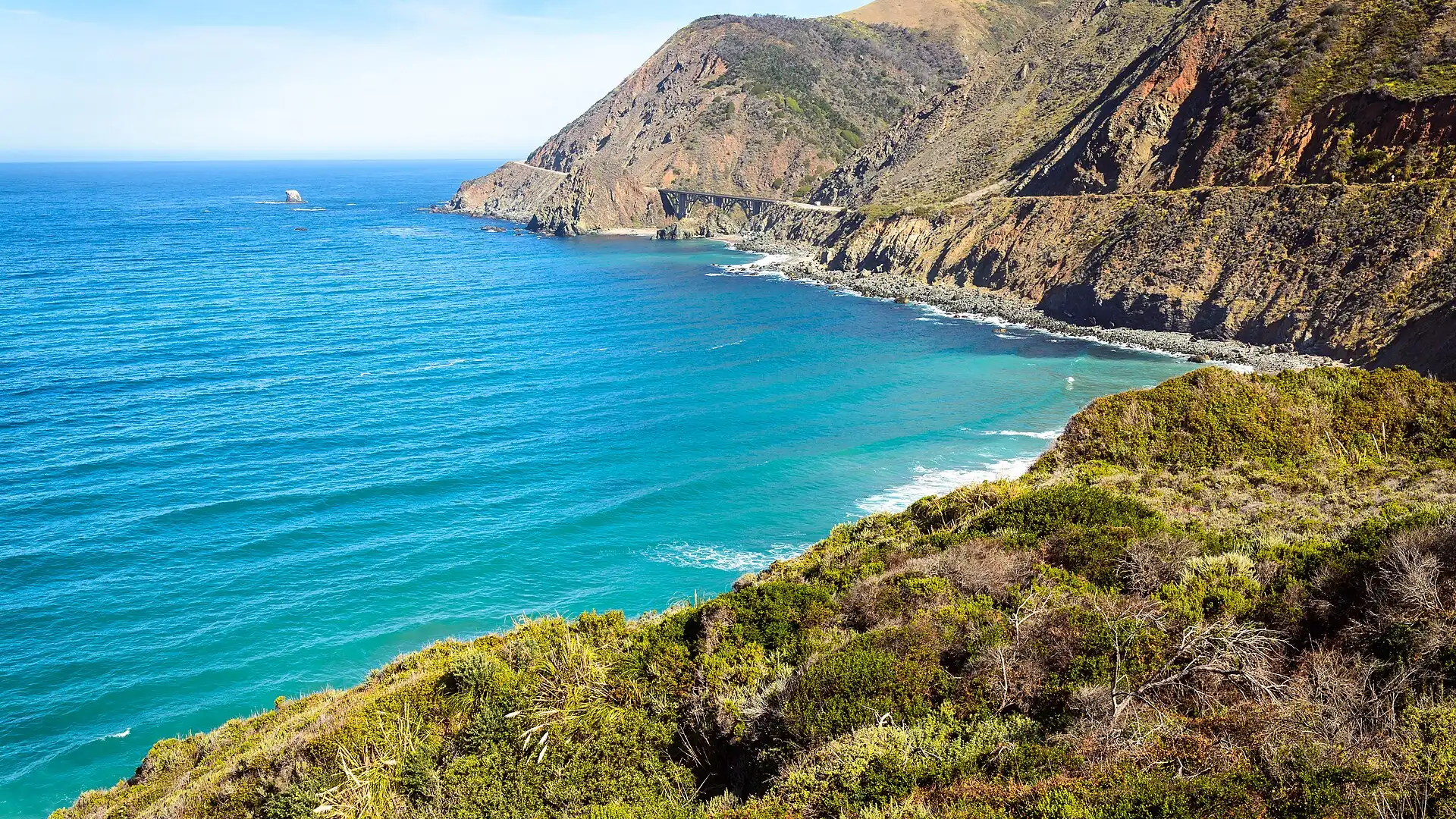
Photo: dconvertini / CC BY-SA 2.0, via Wikimedia Commons
Big Sur offers steep coastal land, ocean views, and wooded settings that reward a less ambitious schedule. Choose a confirmed base and a few authorized stops rather than expecting every familiar trail or beach to be available. The landscape can be enjoyed through a quiet viewpoint as well as a walk, provided current access supports the plan.
Use Caltrans travel information and site-specific park notices for road, storm, and fire-recovery restrictions. Access has been affected by recurring closures, so older itineraries cannot establish the route for your dates. Continue south toward San Simeon only when through traffic is authorized. Otherwise, retrace the open approach and use an available inland connection to reach San Simeon, preserving the stop order and allowing additional travel time.
Insider tip: Confirm your accommodation’s approach directly, since a general road-status headline may not cover the local access you need.
Where: Big Sur, California
7. San Simeon
San Simeon provides a coastal base where history and shoreline scenery can share the visit. If Hearst Castle is important to your trip, select an appropriate official tour before arranging the rest of the day. You can then give the surrounding coast time without making every activity compete with the same departure or check-in.
Check current visitor information and the road connection from your previous stop. Spring through fall can suit a general stay, with coastal wind and cool conditions still possible. Choose public wildlife viewpoints responsibly and give animals space wherever you encounter them. Continue generally southeast toward Santa Barbara after your visit, following open road connections and allowing proper breaks rather than turning the stage into an uninterrupted rush.
Insider tip: Choose the historical tour according to walking demands and interests, then build the day’s coastal stops around the confirmed arrangement.
Where: San Simeon, California
8. Santa Barbara
Santa Barbara gives the journey another city-based coastal stay, with cultural interests and architecture complementing the waterfront. Choose an area you can explore comfortably rather than treating the city as a list of distant attractions. A museum or historical visit can make a later walk more interesting by giving the buildings context.
Spring and fall are useful starting seasons, while other periods can work with a weather-appropriate plan. Leave room for a relaxed meal and a second waterfront look instead of scheduling every hour. Choose accommodation that supports the evening routine you want. From Santa Barbara, continue generally southeast toward Los Angeles, planning the final urban arrival with traffic, parking, and your chosen neighborhood in mind.
Insider tip: Decide where in Los Angeles you want to finish before the final drive so a broad city name does not leave your arrival plan unresolved.
Where: Santa Barbara, California
9. Los Angeles
Finish in Los Angeles by choosing one part of the city that matches your interests. Art, film history, neighborhood exploring, and coastal time can each shape a rewarding final stay, but they do not all belong in the same crowded day. A focused plan gives the journey a more comfortable conclusion than an attempt to see every famous name.
Spring through fall offers different possibilities, with heat and local conditions affecting outdoor plans. Check the location of your main cultural visit before choosing lodging and allow realistic time for moving around. Protect a final open period for a meal or walk that feels like a pleasure rather than another task. The road trip ends well when you still have time to enjoy where you are.
Insider tip: Organize the final stay around one neighborhood or cluster of interests so the last day contains less transit and more actual visiting.
Where: Los Angeles, California
Map of the places
Tap a place to open it in Google Maps:
- San Francisco
- Half Moon Bay
- Santa Cruz
- Monterey
- Carmel-by-the-Sea
- Big Sur
- San Simeon
- Santa Barbara
- Los Angeles
Tips for planning your California trip
- Match your season to coastal conditions rather than assuming summer guarantees warmth, clear views, or uninterrupted road access.
- Keep the nine stops in this order, with flexible overnight plans around the Big Sur section and any necessary inland detour.
- Pack layers, water, sun protection, comfortable shoes, and offline navigation for the driving and walking portions.
- Reserve preferred lodging and essential tours or admissions first, then leave room for weather, traffic, and longer visits.
- Check Caltrans and park updates directly before each affected stage, using designated pullouts for photographs and regular rest breaks.
FAQ
Is this California road trip always a continuous coastal drive?
No; Highway 1 closures can interrupt through travel in Big Sur. Check live conditions and use an authorized inland detour when needed while keeping the listed stop order.
How much time should you allow?
A week or more is a useful starting point, with additional days making room for museums, tours, and a slower coastal pace. Allow extra flexibility when road conditions affect the Big Sur connection.
Can families enjoy the route without long hikes?
Yes; town walks, marine attractions, cultural visits, and established viewpoints provide variety. Choose individual outings for the group’s abilities and verify current access before setting off.
Final thoughts
Give the coast enough time for the towns and quieter views to matter as much as the famous scenery. Save this route, confirm the open connections, and let a comfortable pace make the drive part of the vacation.

