
A waterfall trip in Arkansas begins with recent weather and a realistic look at the route. The waterfalls in Arkansas range from convenient park outings to remote falls where the approach is a serious part of the adventure, with no guarantee that every cascade will be flowing strongly.
These eleven places offer very different ways to enjoy forest, rock, and moving water. Several are popular, so focus on choosing a suitable day rather than expecting an undiscovered trail. Spring often supports fuller flow, while summer brings greenery, heat, and sometimes much lower water; current conditions should decide the final plan.
1. Cedar Falls, Petit Jean State Park
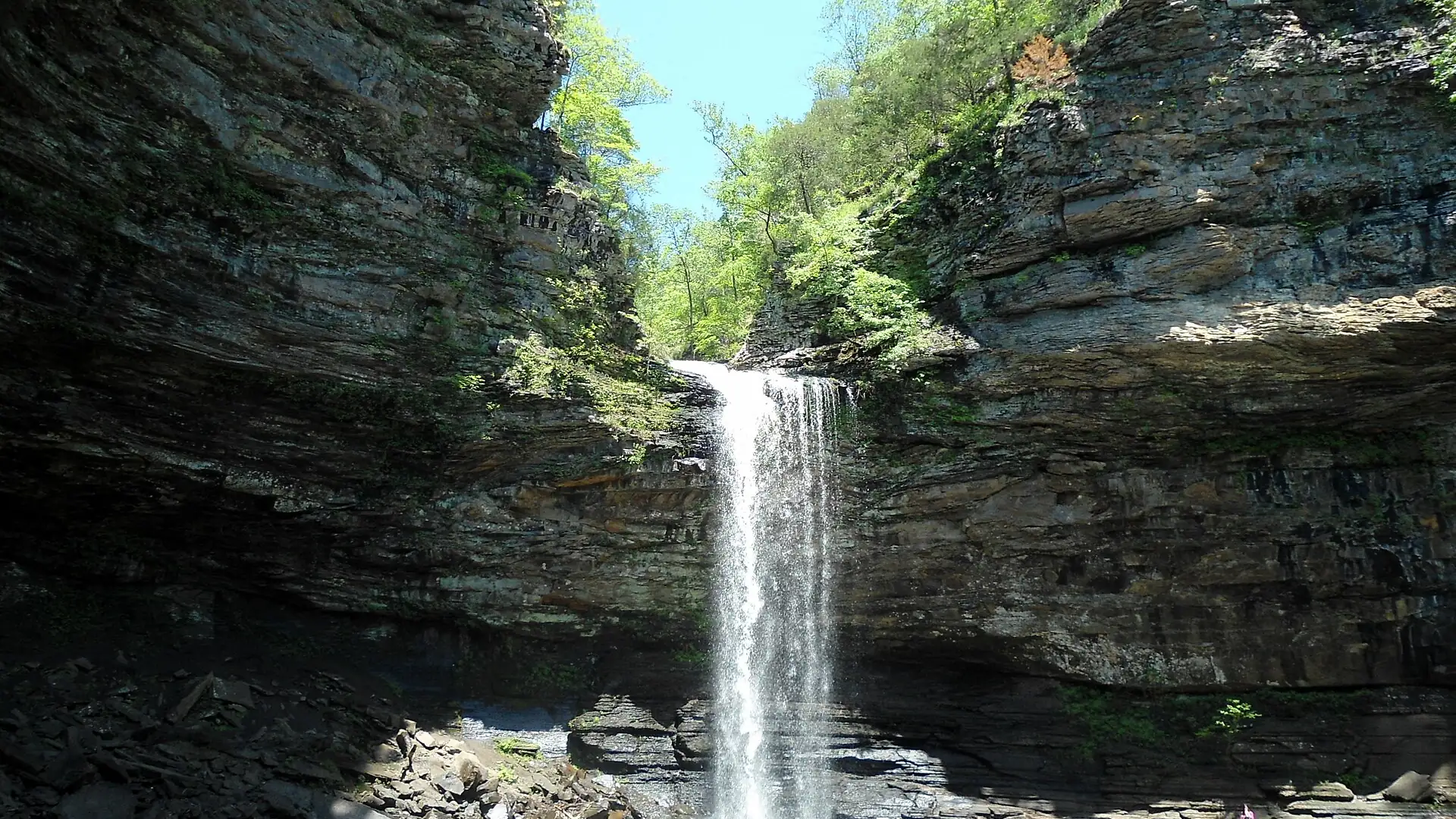
Photo: Brandonrush / CC BY-SA 3.0, via Wikimedia Commons
Cedar Falls gives a park visit a dramatic canyon destination, with the surrounding rock helping establish the scale of the drop. The trail to the lower view descends into the landscape rather than remaining a level stroll. Choose it because the full walk suits your group, including the effort required to return uphill.
The official trail description is the right starting point for planning. Spring is a useful season to consider for flow and walking temperatures, although weather still controls the day’s conditions. Take time to enjoy the creek and forest along the approach. A different established viewpoint may be a better choice when a canyon descent is beyond your comfort level.
Insider tip: Assess the return climb before starting down, especially when traveling with anyone who has knee or stamina concerns.
Where: Petit Jean State Park, Arkansas
2. Twin Falls, Richland Creek
Twin Falls in the Richland Creek Wilderness belongs to a more demanding kind of waterfall trip. The remote setting and connected stream landscape are part of the attraction, but the outing requires experience with route finding and current creek conditions. It is not an interchangeable substitute for a developed park walk.
The federal Richland Creek overview places the falls within the wilderness landscape. Spring flow may make the waterfalls more impressive while also making crossings more difficult. Confirm the route and conditions through current forest guidance before departure. Choose a different outing if your group is not prepared for an unmaintained or challenging approach, and never let the destination justify crossing unsafe water.
Insider tip: Specify Richland Creek when researching Twin Falls so you do not confuse this wilderness trip with the Camp Orr waterfall.
Where: Richland Creek, Arkansas
3. Hemmed-In Hollow Falls, Ponca
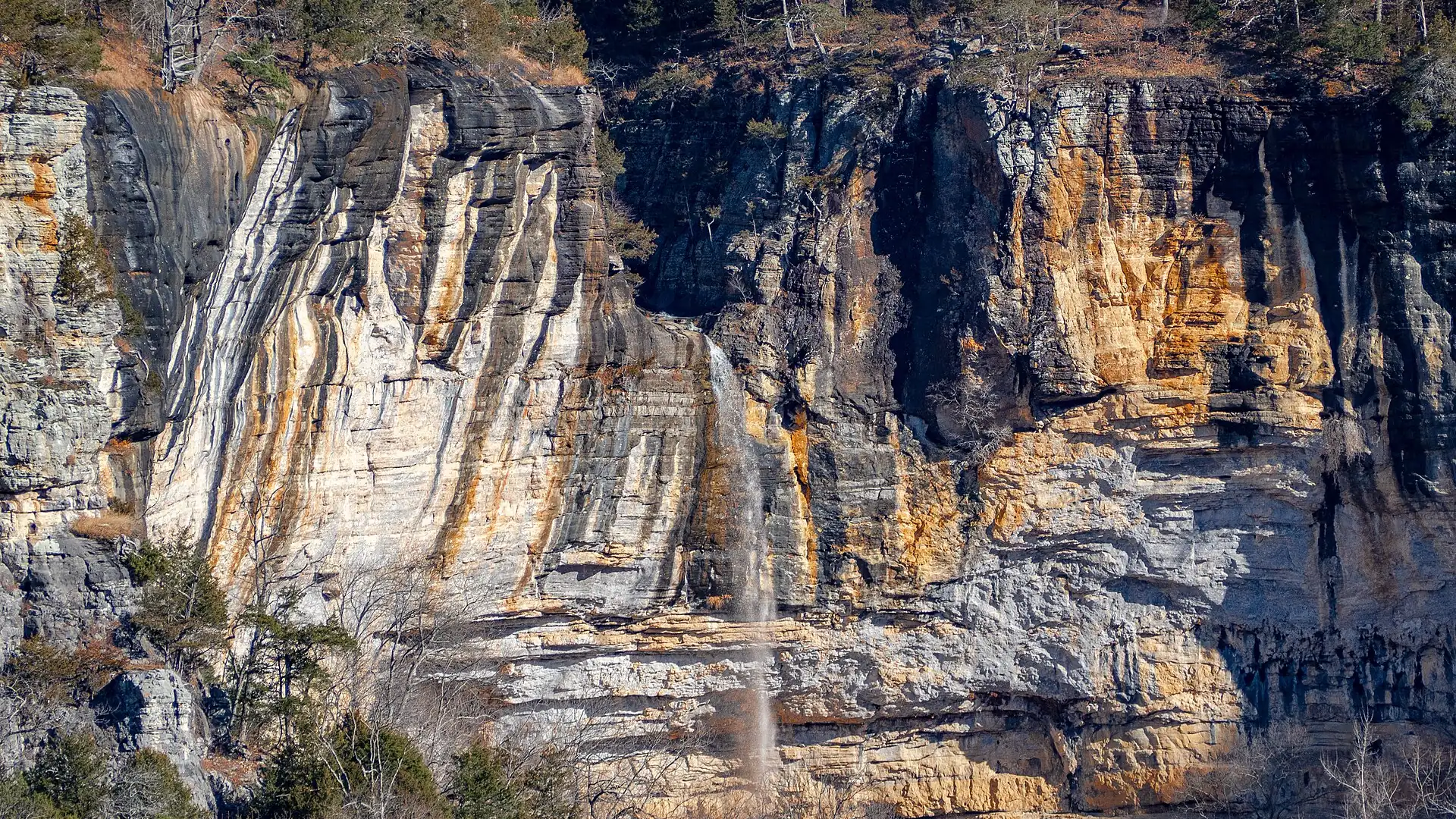
Photo: Kevin Elsken / CC BY-SA 4.0, via Wikimedia Commons
Hemmed-In Hollow Falls drops into an imposing bluff setting that makes the destination memorable even before you consider the water itself. Reaching it from the upland trailhead involves a substantial descent followed by a demanding climb back. The landscape deserves preparation appropriate to a serious hike, rather than expectations shaped by a short waterfall video.
Use the National Park Service’s route information to assess the full outing. Spring can be rewarding for flow, while summer may bring both heat and reduced water. Carry enough supplies for the entire return and choose a day appropriate to your ability. Do not assume that the effort required guarantees a powerful waterfall when you arrive.
Insider tip: Make the uphill return the starting point of your fitness assessment, not an afterthought once you reach the falls.
Where: Ponca, Arkansas
4. Eden Falls, Lost Valley
Eden Falls gives the Lost Valley landscape a waterfall focus among wooded slopes and rock features. The approach contains plenty worth noticing, so enjoy the route instead of treating every earlier feature as something to hurry past. Seasonal flow changes the appearance, making the surrounding setting an important part of the visit.
The National Park Service’s Lost Valley guidance should shape your plan. Spring is often a useful starting season, with summer conditions depending on rainfall. Wet surfaces and uneven terrain deserve attention even on a popular walk. Any cave extension is a separate activity with its own preparation, and you can appreciate the valley without entering an enclosed space.
Insider tip: Leave time for the earlier rock and forest features so the outing remains rewarding if the waterfall flow is modest.
Where: Lost Valley, Arkansas
5. Glory Hole Falls, Fallsville
Glory Hole Falls is distinctive because water passes through an opening in an overhanging rock shelf. The formation creates an unusual scene rather than relying on enormous height. Give yourself time to appreciate the shape of the stone and the way the stream reaches the opening.
The state visitor listing provides an introduction before you check current forest access. Spring and wetter periods can favor visible flow, but slippery rock and the return uphill still require thought. Stay on the established approach and avoid the edge above the opening. A carefully chosen safe viewpoint lets the geology remain the attraction without adding unnecessary exposure.
Insider tip: Pack shoes for mud and a return climb, rather than assuming a compact-looking waterfall means a level approach.
Where: Fallsville, Arkansas
6. Falling Water Falls, Ben Hur
Falling Water Falls offers a broad cascade and pool setting that makes a scenic stop feel substantial without an all-day hike. Its road-associated access is part of the appeal, but you should still assess parking, footing, and current conditions. A short approach can include slippery rock and uneven ground near the water.
Spring is a sensible starting season for fuller flow, with summer varying according to rainfall. Check current forest road access before making this a fixed stop. Enjoy the falls from a stable public location and keep the road clear for other users. The surrounding creek and trees give the scene depth, so allow a proper pause rather than stopping only long enough for one photograph.
Insider tip: Identify safe legal stopping space before leaving the vehicle, and avoid treating a convenient roadside location as permission to block access.
Where: Ben Hur, Arkansas
7. Six Finger Falls, Ben Hur
Six Finger Falls spreads water across a low rocky formation, rewarding a closer look at channels and textures rather than a search for a towering drop. The breadth of the scene is part of its appeal. You can enjoy how the water divides and gathers without approaching the slickest sections of rock.
Plan around recent rainfall and current forest access, with spring generally a useful season for a waterfall-focused outing. High water can make the scene more forceful while reducing safe access. Stay on authorized routes and choose a dry, stable viewpoint. A low waterfall is still moving water, and the appearance of an easy crossing should not determine your path.
Insider tip: Take a wider photograph that includes the rock formation so the waterfall’s distinctive spread remains visible.
Where: Ben Hur, Arkansas
8. Mirror Lake Falls, Blanchard Springs
Mirror Lake Falls presents a different waterfall story, with water cascading over the historic dam at the lake. The relationship between the built structure and the surrounding forest gives the scene its character. It is a good place to notice how human history and the spring-fed landscape meet.
Check current Blanchard Springs recreation access through the state visitor information before planning your day. Spring and suitable summer conditions can support a pleasant outdoor visit. Follow designated paths and keep away from the dam’s edges. A cavern tour, if you add one, needs its own booking and should not be assumed to share the same visitor arrangements as the lake.
Insider tip: Treat the lake visit and any underground tour as separate activities when checking access and making reservations.
Where: Blanchard Springs, Arkansas
9. Triple Falls, Jasper
Triple Falls is also commonly called Twin Falls at Camp Orr, with the number of visible streams depending on water conditions. This is a different destination from the Richland Creek wilderness falls earlier in the list. The wooded rock setting makes it an appealing photograph, but the camp location is an essential part of planning.
Consult Camp Orr’s own information and confirm current visitor permission before traveling. Do not assume a public tourism listing grants unrestricted access to a working camp. Spring can offer more flow, while summer conditions depend on rainfall and camp arrangements. Respect any closed gates or private-use restrictions, keeping the visit for a time when it is explicitly authorized.
Insider tip: Confirm permission and access directly with the camp before following directions saved from an older waterfall itinerary.
Where: Jasper, Arkansas
10. Kings River Falls, Boston
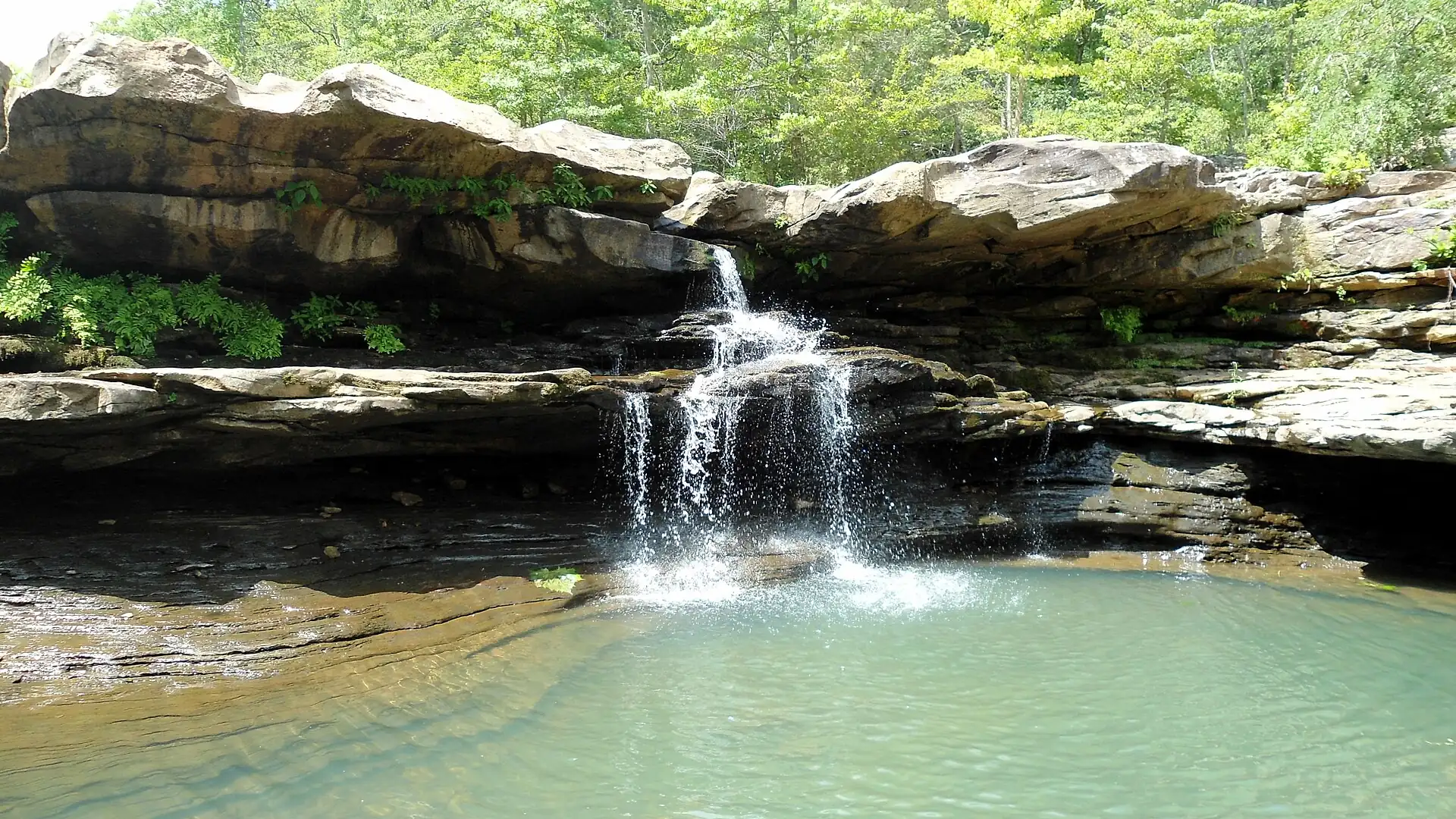
Photo: Brandonrush / CC BY-SA 3.0, via Wikimedia Commons
Kings River Falls offers a low, broad waterfall within a protected natural area, with the stream landscape giving the walk much of its interest. Notice the changing banks, trees, and rock along the route instead of focusing only on the final cascade. A slower approach can make a modest waterfall feel part of a much richer outing.
The Arkansas Natural Heritage Commission’s information is the appropriate planning source. Spring often supports fuller water, while summer brings a different mix of greenery and variable flow. Stay on the designated route and leave the plants and rocks undisturbed. Choose footwear for natural surfaces rather than assuming a relatively short walk will be smooth throughout.
Insider tip: Bring water and a light layer so you can pause comfortably beside the stream after the walk.
Where: Boston, Arkansas
11. Haw Creek Falls, Hagarville
Haw Creek Falls is a smaller cascade whose wooded setting makes it worth appreciating at close range. The appeal comes from the combination of stream, ledges, and forest rather than exceptional height. It can suit a simpler outing when current access and conditions support your plans.
Spring and wetter periods can improve the flow, while summer may make the waterfall much quieter. Check forest recreation and road information before departure, particularly after storms. Access conditions are part of the decision, not a detail to improvise when you arrive. Enjoy the creek from stable ground and leave any crossing for a time when it is clearly authorized and safe.
Insider tip: Check the approach after wet weather even if the waterfall itself looks like a modest, easy destination.
Where: Hagarville, Arkansas
Map of the places
Tap a place to open it in Google Maps:
- Cedar Falls, Petit Jean State Park
- Twin Falls, Richland Creek
- Hemmed-In Hollow Falls, Ponca
- Eden Falls, Lost Valley
- Glory Hole Falls, Fallsville
- Falling Water Falls, Ben Hur
- Six Finger Falls, Ben Hur
- Mirror Lake Falls, Blanchard Springs
- Triple Falls, Jasper
- Kings River Falls, Boston
- Haw Creek Falls, Hagarville
Tips for planning your Arkansas trip
- Favor spring for many waterfall outings, using recent rainfall and current trail information to refine your choice.
- Group falls geographically, but keep developed park walks separate from wilderness trips with substantially greater preparation needs.
- Pack grippy footwear, drinking water, food, rain protection, and reliable offline navigation for the route you select.
- Confirm current access and private-property permission, especially for Camp Orr and forest recreation areas affected by weather.
- Assess the full return route and creek conditions before starting, and choose a different outing when crossings or storms make the plan unsuitable.
FAQ
When do waterfalls in Arkansas usually flow best?
Spring and sustained wet periods often improve flow, but conditions vary by watershed and recent weather. Stronger water can also make approaches and crossings more hazardous, so flow is only one part of planning.
Are these all easy waterfall walks?
No; the list includes demanding wilderness routes and steep return climbs as well as shorter visits. Richland Creek’s Twin Falls and Hemmed-In Hollow require substantially different preparation from a developed viewpoint.
Are Triple Falls and Twin Falls the same place?
The Camp Orr destination is commonly known by both names. It is separate from the Twin Falls in Richland Creek Wilderness, so specify the location when checking directions and access.
Final thoughts
Choose the waterfall outing that fits the day, the conditions, and your ability, then give the surrounding forest a share of your attention. Save a few favorites and plan for an enjoyable return as carefully as the view ahead.

