
The scenery changes along with the elevation: city streets beneath desert mountains, red-rock country, forest, then vast canyon landscapes. This Arizona road trip links seven stops that deserve time outside the car, with history and local communities adding depth between the famous views.
Begin in Phoenix and travel north through Sedona and Flagstaff, turning west to Williams before continuing toward the Grand Canyon and the state’s northeastern landscapes. Spring through fall offers different possibilities, but heat, mountain weather, and tribal access arrangements all matter. Build the route around comfortable overnight stays rather than trying to make every landmark fit the same day.
1. Phoenix
Start in Phoenix with time to settle into the climate and the practical details of the journey. Choose a cultural visit, a suitable desert garden outing, or a neighborhood walk according to the season and your interests. The city can provide context for the landscapes ahead without demanding a packed schedule immediately after arrival. A comfortable first night also gives you a chance to organize supplies and make the driving days easier.
Spring and fall are sensible starting seasons for a mixed city-and-outdoors visit, while summer requires careful heat planning. Keep water and sun protection accessible before you leave your accommodation, not buried in the trunk. A museum-led day is a worthwhile choice when conditions discourage extended walking. From Phoenix, head generally north toward Sedona, allowing the first landscape transition to be part of the pleasure rather than a stretch to rush through.
Insider tip: Assemble a small day bag in Phoenix so short viewpoints and walking stops do not require unpacking the rest of your luggage.
Where: Phoenix, Arizona
2. Sedona
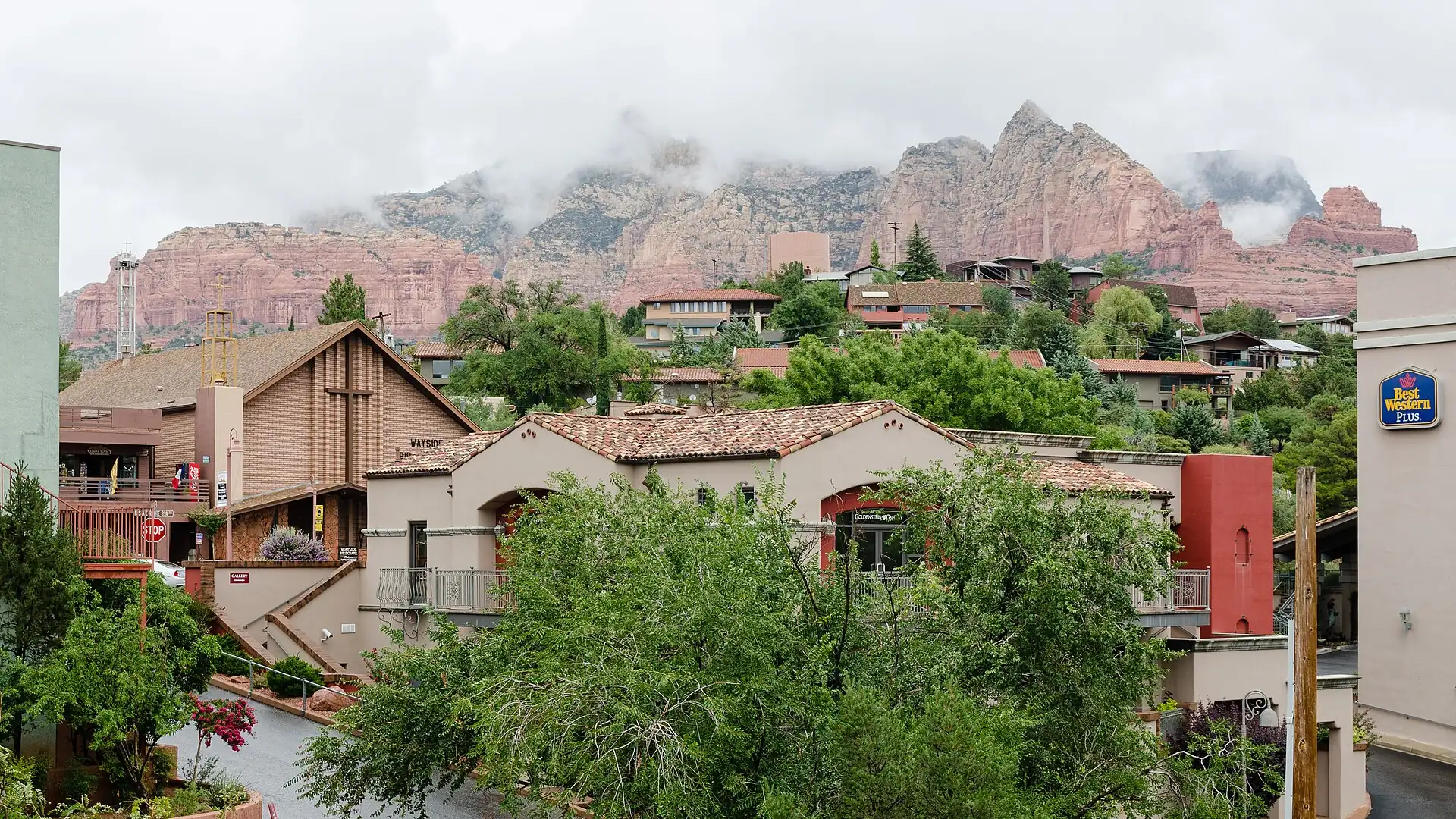
Photo: Tuxyso / CC BY-SA 3.0, via Wikimedia Commons
Sedona introduces a landscape where red-rock formations become part of the town’s everyday view. Choose one trail or established viewpoint that fits your group, then leave room for browsing, art, and a meal. The most familiar photograph is not automatically the best outing for your ability or available time. A slower stay lets you see how changing light alters the rock without needing to move constantly between locations.
Spring and fall favor walking but can bring busy conditions, so check access and parking before setting off. Summer demands an earlier, more restrained outdoor plan, with storms also part of the seasonal picture. Bring layers for the next stage rather than assuming Arizona weather remains consistent as you climb. Continue north from Sedona toward Flagstaff, following the road route through the rising landscape and checking conditions before committing to a particular scenic approach.
Insider tip: Choose the trail by its complete return effort and parking arrangements, then let the remaining part of the day stay flexible.
Where: Sedona, Arizona
3. Flagstaff
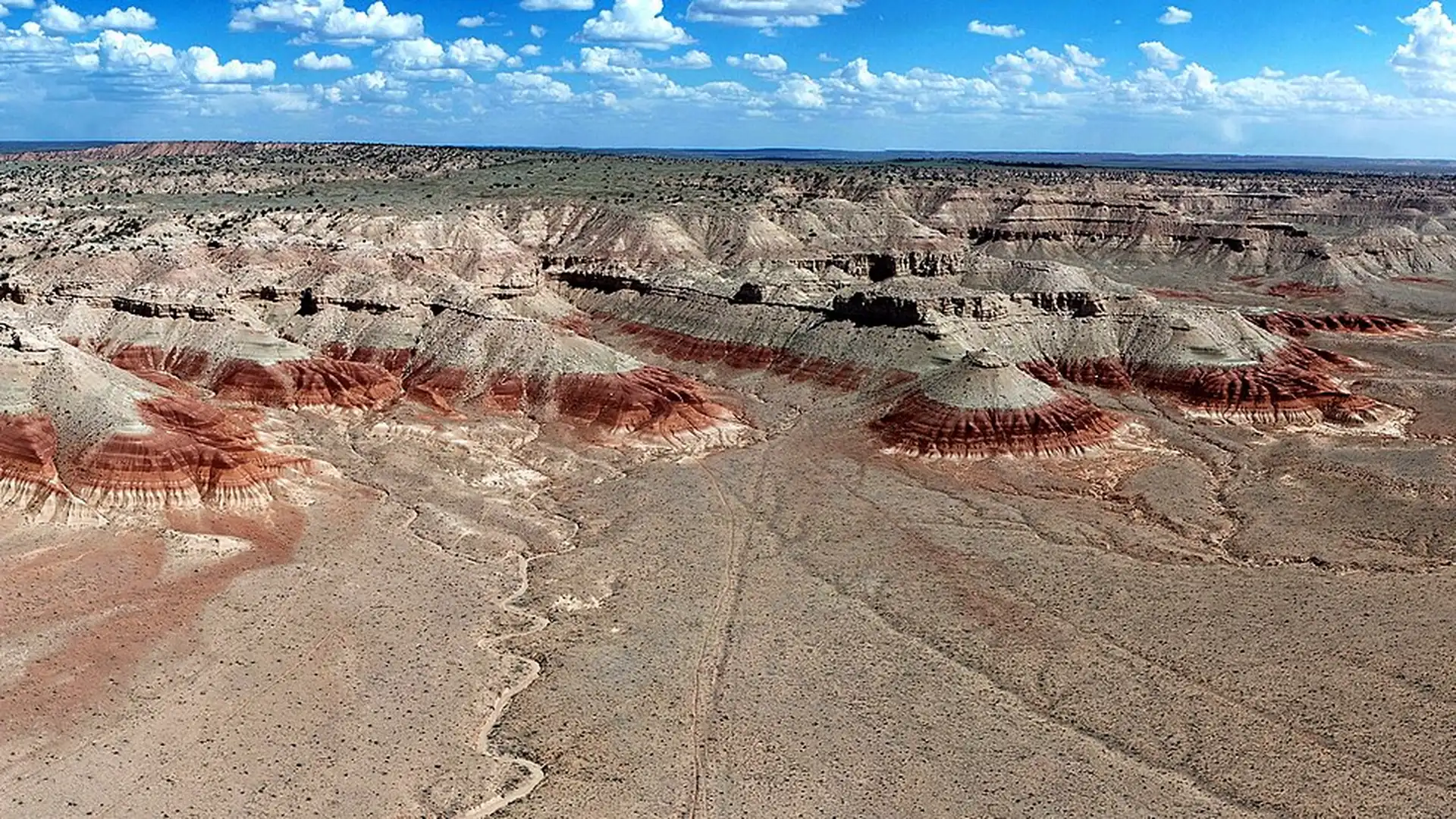
Photo: Communications and Publishing, U.S. Geological Survey, U.S. Department of the In / Public domain, via Wikimedia Commons
Flagstaff gives the journey a high-country pause, with forest surroundings and a historic downtown that make a good change from the red-rock outings. Spend time walking the center and choose a cultural or outdoor activity that interests you independently of the route ahead. The city works especially well when you want an evening with several dining choices and practical services. It is a place to enjoy, not simply a supply stop before the canyon.
Summer can be appealing for general walking, while spring and fall need attention to cold spells and changing conditions. Winter-like weather is possible outside the season visitors may expect, so keep a warm layer ready. Give yourself a less strenuous day if the earlier part of the journey has included substantial hiking. From Flagstaff, drive west toward Williams, moving into another northern Arizona town with a distinct historic center and a strong connection to Route 66.
Insider tip: Use this stop to check the forecast for the higher-elevation portions ahead and adjust clothing before setting off again.
Where: Flagstaff, Arizona
4. Williams
Williams adds a Route 66 chapter to the trip, with older storefronts and roadside-era character giving you a reason to walk downtown. If a rail excursion is part of your plan, arrange it deliberately rather than assuming it can be inserted between other stops. You can also enjoy a simpler stay centered on the historic streets, a meal, and a quieter evening. Leave space for the town itself even when the next destination is the larger draw.
Summer is a convenient general season, while spring and fall require a closer look at weather and visitor services. Pack for cool conditions rather than treating northern Arizona as an extension of Phoenix. Choose lodging according to whether your priority is downtown walking or an arranged excursion. Continue north from Williams toward Grand Canyon Village, checking National Park Service conditions before arrival so the park entrance and your accommodation plans fit together.
Insider tip: Keep a separate reservation note for any rail experience so it does not become confused with your driving arrival and overnight arrangements.
Where: Williams, Arizona
5. Grand Canyon Village
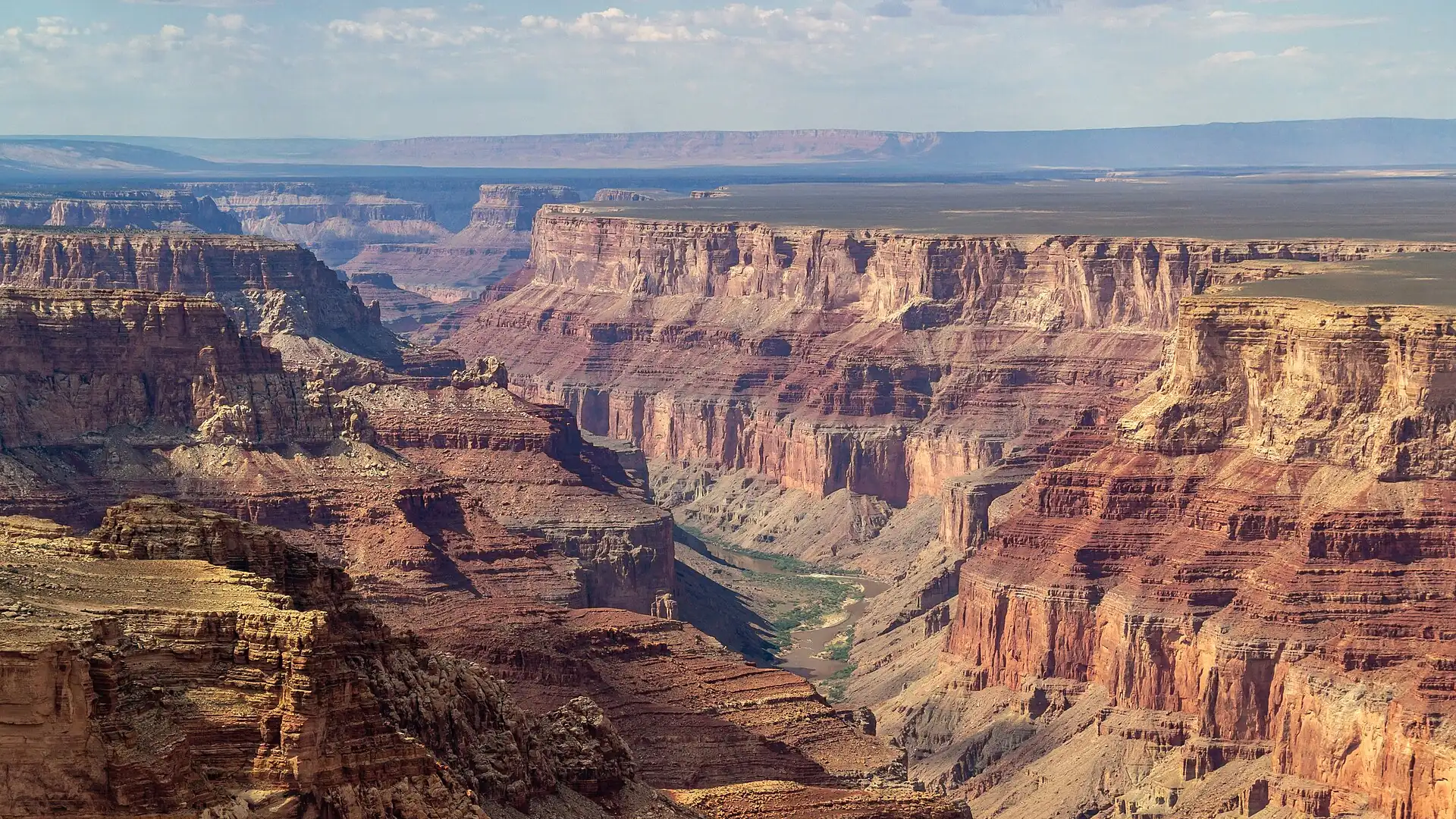
Photo: Dietmar Rabich / CC BY-SA 4.0, via Wikimedia Commons
Grand Canyon Village places the trip beside the South Rim, where the scale of the view deserves more time than a single overlook stop. Begin with a manageable stretch of the established rim route and allow yourself to look without immediately reaching for the next destination. Historical interpretation and the village’s built landscape add another layer to the experience. You can appreciate the canyon deeply without attempting a demanding descent into it.
Use official park information for transport, trails, lodging, and current restrictions. Spring and fall can offer comfortable sightseeing, but cold or snow remains possible; summer brings different exposure and crowd considerations. Plan the return effort carefully if you choose any route below the rim. For the next stage, travel east along the South Rim’s road route when open, then continue generally northeast toward Page, allowing authorized viewpoints to break up the journey.
Insider tip: Give one rim location an extended pause so you can notice the canyon’s changing shadows instead of collecting only quick photographs.
Where: Grand Canyon Village, Arizona
6. Page
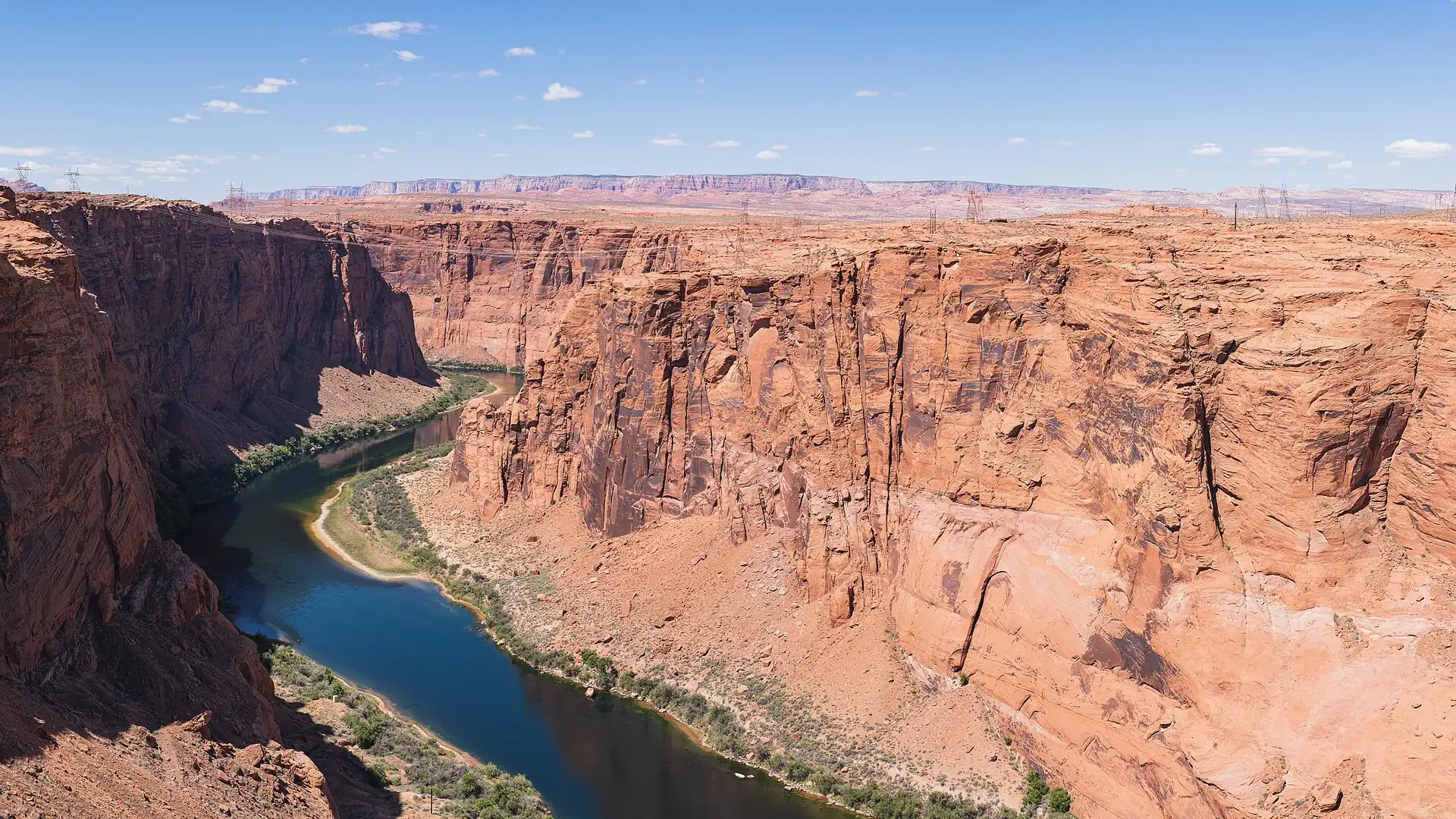
Photo: Christian David / CC BY-SA 4.0, via Wikimedia Commons
Page gives you a base for sandstone landscapes and the Lake Powell area, with several very different ways to spend the day. Choose the experience that matters most before adding the rest: a public viewpoint, an authorized guided canyon visit, or an activity on the water. Each has its own access and physical requirements. A carefully chosen outing is more satisfying than arriving with a crowded list built from unrelated photographs.
Spring and fall are useful starting seasons, while summer heat requires particular restraint around exposed walks. Book essential guided experiences through authorized operators and confirm where you need to meet them. Water levels and weather affect the lakeshore, so use current information when choosing a water-based activity. From Page, head generally east and then northeast toward Monument Valley, preparing for travel on the Navajo Nation and the Arizona–Utah border region rather than assuming ordinary park rules apply everywhere.
Insider tip: Confirm each activity’s exact location and timekeeping arrangements before departure, especially when crossing between jurisdictions on the wider route.
Where: Page, Arizona
7. Monument Valley
Monument Valley gives the journey a final landscape of immense sandstone forms rising from open ground. It is also a Navajo cultural landscape, so begin with the tribal park’s guidance rather than viewing the region only as a photographic backdrop. An authorized Navajo-guided experience can add context and access appropriate to the particular outing. Choose a plan that allows you to appreciate the setting without treating every visible track as a public road.
The Navajo Nation’s park information and authorized operator list should guide your arrangements. Spring and fall are sensible general seasons, with summer heat and changing road conditions requiring additional care. Check vehicle suitability before considering the valley drive, including the conditions of your rental agreement. Leave time at an approved viewpoint to watch the light change, bringing the route to a gradual finish instead of a hurried final photograph.
Insider tip: Arrange an authorized guide according to your interests, and clarify the route and physical demands before booking.
Where: Monument Valley, Arizona
Map of the places
Tap a place to open it in Google Maps:
Tips for planning your Arizona trip
- Match your timing to both desert heat and higher-elevation weather; spring and fall still require layers and condition checks.
- Keep these seven stops in order and plan overnight bases around your main activities rather than equal time everywhere.
- Pack water, sun protection, grippy walking shoes, warm layers, and offline navigation for changing terrain and reception.
- Reserve preferred accommodation, park stays, and authorized guided experiences before filling the itinerary with smaller stops. Keep confirmations available offline.
- Check road and park updates directly, including South Rim access and tribal park rules, before each relevant stage.
- Leave flexible time for rest, a longer museum visit, or a viewpoint that deserves another look instead of scheduling every available hour.
FAQ
How long should you allow for this Arizona road trip?
A week or more provides a useful starting point for enjoying all seven stops with several overnight stays. Add time when hiking, guided canyon experiences, or a slower Grand Canyon visit are major priorities.
Is this route suitable for travelers who do not hike?
Yes; historic downtowns, cultural visits, and established viewpoints provide plenty of interest. Choose access and walking surfaces carefully, and treat each optional trail as a separate decision.
Can you drive anywhere within Monument Valley?
No; follow the Navajo Nation’s current rules, authorized routes, and guide requirements. A road visible on a map or in the landscape is not permission to use it.
Final thoughts
Give the famous landscapes time to become more than a checklist, and enjoy the towns that connect them. Save this route, arrange the essential stays and permissions, and leave room for the view you did not expect to love most.

