
A weathered mining building against a glacier-cut valley can stay with you longer than a packed day of sightseeing. The most rewarding hidden gems in Alaska give you a strong reason to pause, whether that is local history, a mountain landscape, or a community reached across the water.
These eleven places offer very different experiences, and several are well-established destinations with access arrangements worth understanding. Summer suits the broadest selection, while hot springs and some organized activities support other seasons. Plan around the experience you actually want, keeping boats, guides, seasonal roads, and mountain conditions in the picture from the beginning.
1. McCarthy
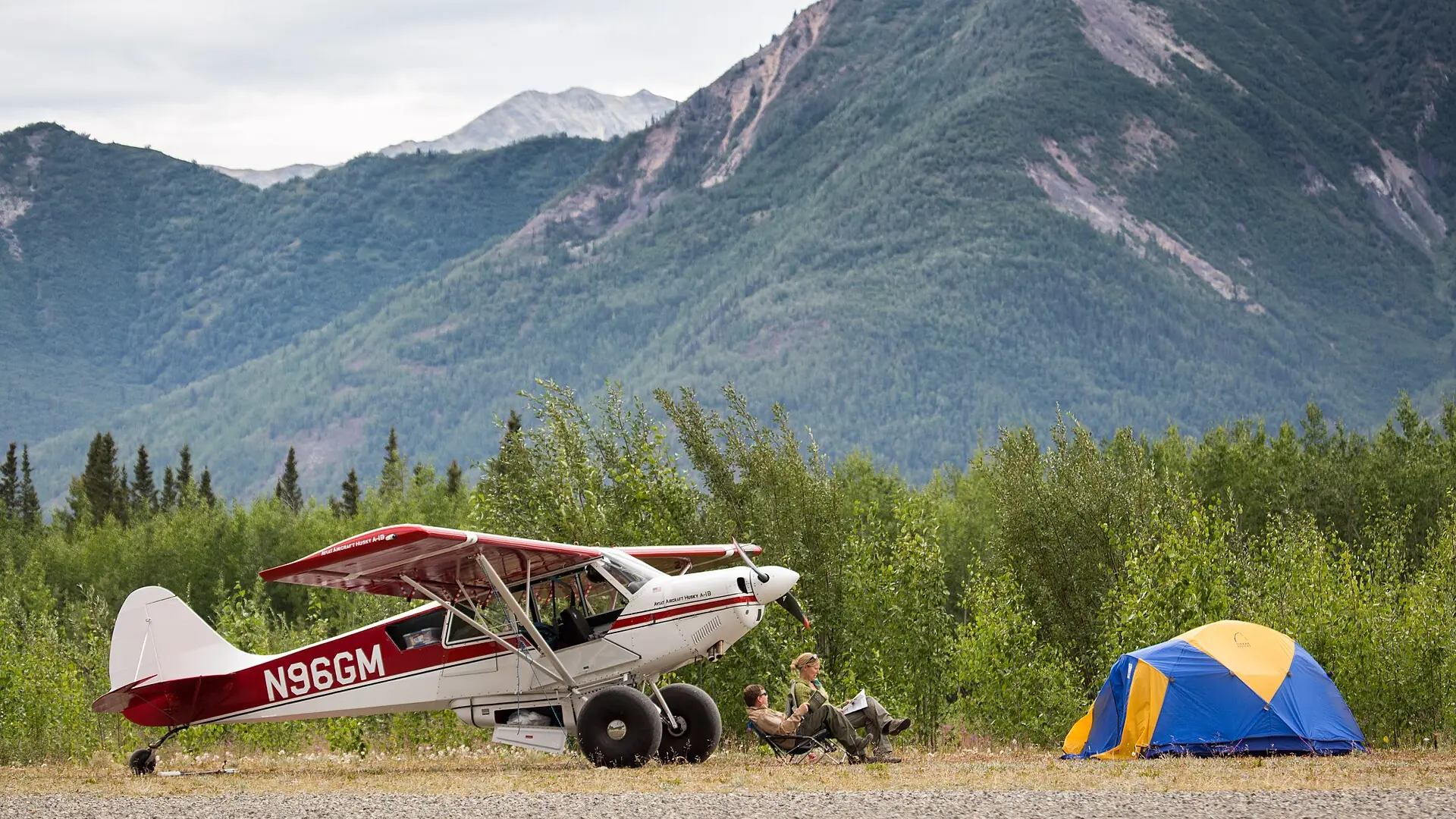
Photo: National Park Service, Alaska Region / Public domain, via Wikimedia Commons
McCarthy is a small community surrounded by the vast landscape of Wrangell-St. Elias National Park and Preserve. Its history is tied to the area’s copper-mining era, but the town has its own identity apart from the better-known industrial buildings farther along the valley. Walk the small center, pay attention to the remaining historical character, and let the mountain setting provide the scale.
The National Park Service’s access guidance is essential before you travel. The McCarthy Road is a remote gravel-road approach, and a footbridge separates ordinary road access from the community beyond. Summer is the most practical season for visitor services. Plan your arrival arrangements and vehicle suitability first so the final part of the journey feels intentional rather than improvised.
Insider tip: Pack a manageable overnight bag if you will be transferring from your vehicle to foot travel or local transport.
Where: Wrangell-St. Elias National Park, Alaska
2. Kennecott Mines, McCarthy
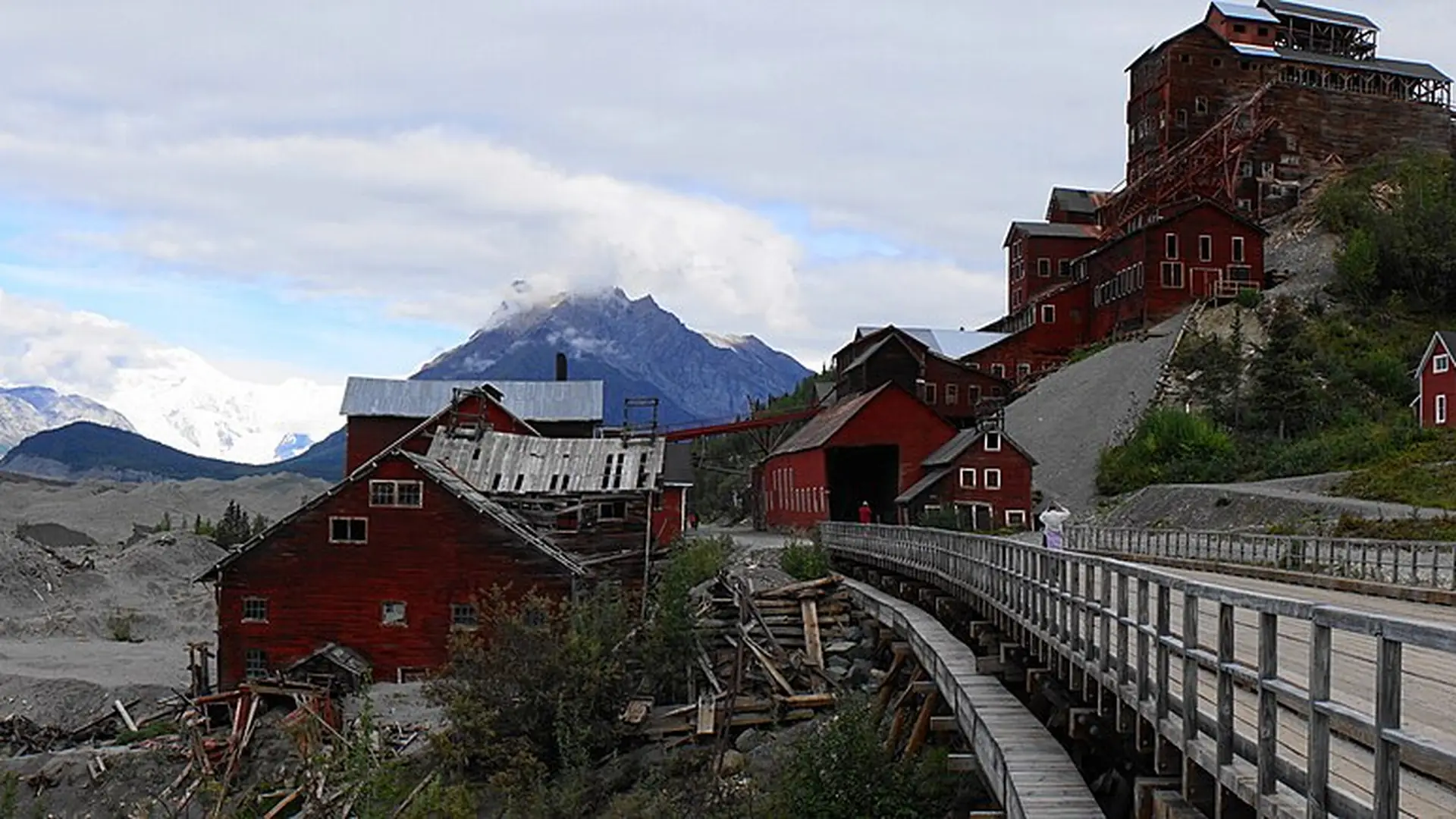
Photo: Jim Gove / CC BY-SA 4.0, via Wikimedia Commons
Kennecott Mines presents a striking contrast between red industrial buildings and a mountain-and-glacier landscape. The surviving mill town tells the story of a copper operation that demanded major infrastructure in an exceptionally remote setting. Give the place time to explain itself; the machinery, buildings, and relationship to the valley are more interesting together than as isolated photographs.
Use the Kennecott visitor information to organize your visit and learn which spaces you can enter. Historic industrial structures need different care from an ordinary town walk, so follow designated access and guided-visit arrangements. Summer brings the fullest range of interpretation and local transport. Allow time outside the buildings too, where the surrounding landscape makes the scale of the former operation easier to understand.
Insider tip: Choose your interpretive visit before scheduling the rest of the day, then leave time to revisit the exterior buildings afterward.
Where: McCarthy, Alaska
3. Chena Hot Springs, Fairbanks
Chena Hot Springs gives you an Alaska outing built around geothermal water rather than constant movement. The outdoor Rock Lake is the defining experience, with the contrast between warm water and cool air particularly noticeable outside the summer season. You can make the soak the main purpose of the trip and avoid filling the rest of your visit with unnecessary activities.
The resort’s official information is the place to check access requirements and current experiences before booking. Summer offers long daylight, while darker seasons can support northern-lights viewing when skies and solar activity cooperate. Aurora sightings are never guaranteed, and summer’s bright nights are a different proposition. Winter driving also deserves a deliberate plan, with warm clothing ready for every part of the visit outside the water.
Insider tip: Check age rules and individual pool access before planning a family visit, especially if the outdoor soaking area is your main priority.
Where: Fairbanks, Alaska
4. Hatcher Pass, Palmer
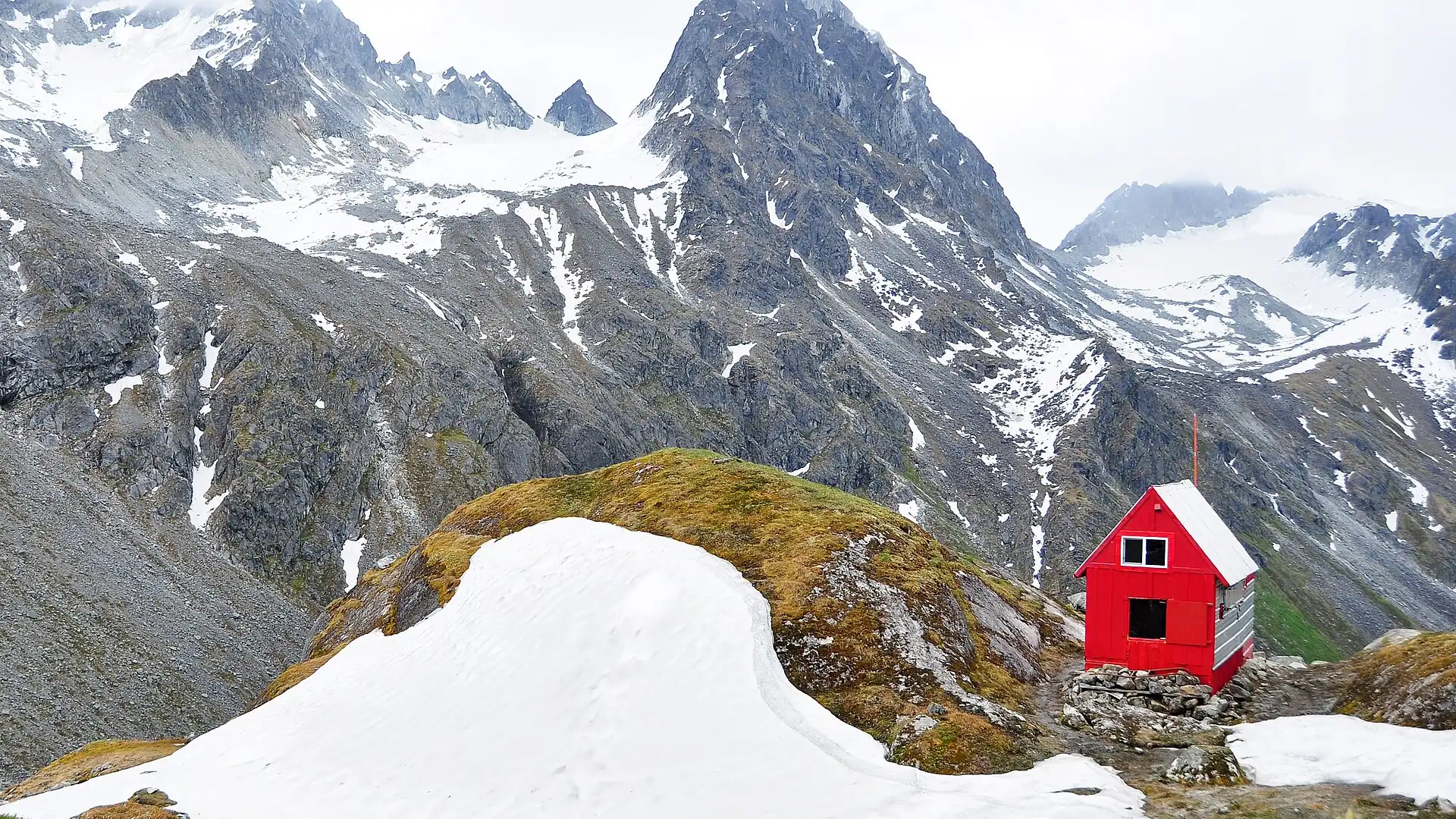
Photo: Cecil Sanders / CC BY 2.0, via Wikimedia Commons
Hatcher Pass opens into a mountain landscape of alpine slopes, rocky ground, and broad views that can feel far removed from the lowlands. You can enjoy the setting with a carefully chosen walk or a longer outing matched to your ability. The important decision is which part of the area you want to explore, since the mountain name covers more than one simple roadside stop.
The state’s Hatcher Pass information explains the approach and helps you check seasonal road conditions. Summer and early fall are the most straightforward choices for ordinary sightseeing and hiking. Snow changes both access and the skills needed for travel, so a winter photograph should not be treated as evidence of an easy year-round route. Carry a layer that works when the wind rises.
Insider tip: Check the specific road segment you intend to use; access toward the mountain area does not mean the full pass road is open.
Where: Palmer, Alaska
5. Matanuska Glacier, Sutton
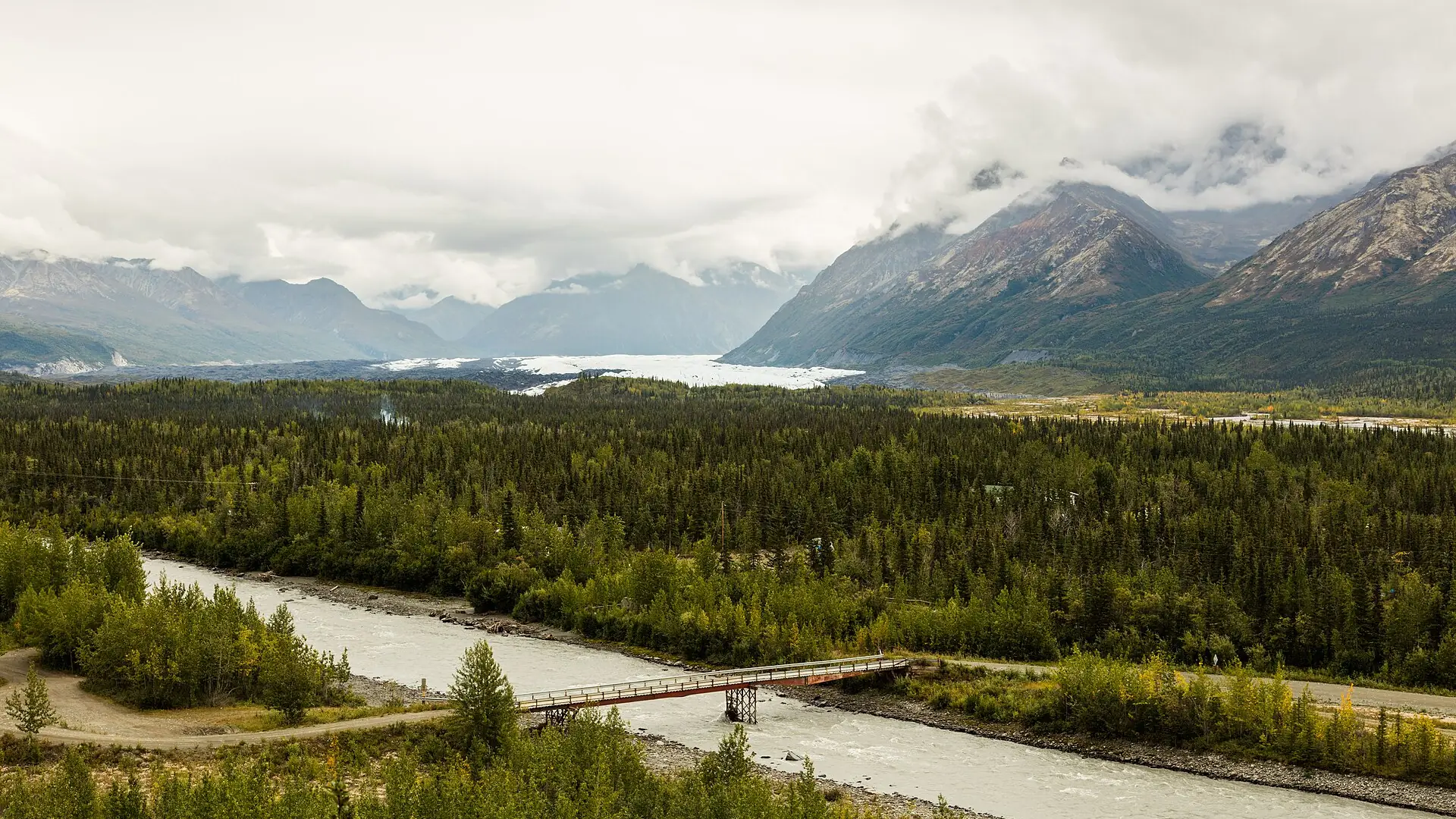
Photo: Diego Delso / CC BY-SA 4.0, via Wikimedia Commons
Matanuska Glacier makes ice feel like a landscape rather than a distant white feature on the horizon. Ridges, folds, and changing surface textures give you plenty to examine, especially when a guide explains what you are seeing. The experience is strongest when you approach it with curiosity about how the glacier moves instead of concentrating only on a blue-ice photograph.
For on-glacier visits through the private access, the access operator requires a guided tour. Arrange that first and follow the operator’s guidance on clothing, equipment, and physical requirements. Organized visits are offered across seasons, but the conditions and experience change significantly between summer and winter. A glacier outing is its own activity, so give it room in your schedule rather than assuming it can be added casually between drives.
Insider tip: Ask what equipment is provided and what footwear you must bring before choosing what to pack for your glacier visit.
Where: Sutton, Alaska
6. Whittier
Whittier is a compact harbor community framed by the steep, wet mountains of Prince William Sound. Its waterfront makes an engaging place to begin, with boats and surrounding slopes giving you a strong sense of where you are. An organized boat outing can extend that perspective, but the town and harbor still deserve time before you leave the dock.
Road arrival involves the Anton Anderson Memorial Tunnel, where traffic follows a controlled schedule shared with rail use. Check the Alaska transportation department’s tunnel information before building a day around an excursion departure. Summer provides the widest range of visitor activities, while other seasons require more selective planning. Bring waterproof clothing and leave enough buffer that a transport connection does not turn a scenic outing into a rush.
Insider tip: Work backward from your confirmed activity check-in when choosing a tunnel entry, and keep a generous margin for delays.
Where: Whittier, Alaska
7. Halibut Cove
Halibut Cove offers a boat-access community where wooded slopes, shoreline buildings, and the water between them shape the visit. The appeal is a close coastal perspective, with a smaller scale than the great mountain panoramas elsewhere on this list. You can appreciate the setting through an arranged visit that respects the community’s private property and limited public access.
The Halibut Cove destination overview helps you understand its relationship to Kachemak Bay. Summer is the simplest season for organizing a general visitor outing. Confirm exactly where your boat will land and what is included, since reaching the cove does not create permission to wander across private docks and paths. Treat the return transport as part of the original plan rather than something to sort out afterward.
Insider tip: Ask your host or boat operator which walkways and visitor areas are available before setting out to explore.
Where: Kachemak Bay, Alaska
8. Byron Glacier, Portage
Byron Glacier’s valley gives you a close view of the relationship between ice, steep mountain walls, and a changing stream landscape. The established trail is the appropriate starting point for a visit, with the scenery providing interest before you reach the farther end. Summer offers the most suitable general window, but snow and mountain hazards can persist beyond the season you might expect.
Read the Chugach Avalanche Center’s spring-hiking guidance and current Forest Service information before choosing your day. A short trail does not remove the danger from slopes above it. Avoid snow bridges and ice caves, and do not continue beyond the maintained route in pursuit of an older photograph. If conditions make the valley unsuitable, preserve the outing for a better opportunity rather than forcing the plan.
Insider tip: Check conditions for the valley itself, since a clear trailhead and mild weather do not establish that overhead terrain is safe.
Where: Portage, Alaska
9. Kachemak Bay State Park, Homer
Kachemak Bay State Park combines forest, mountain terrain, shoreline, and glacier landscapes across the water from Homer. It is a place to choose an outing carefully: a boat transfer may deliver you to the beginning of the experience rather than to a developed attraction. Decide what sort of walk you want before arranging transportation, then match the landing point to that route.
The state park’s visitor page makes an essential point clear: there is no road access. Boats and aircraft provide the connections, and summer is the most practical starting season for a first visit. Confirm current trail conditions and your return arrangement before departure. Pack for changing weather even on a day trip, since the bay crossing and the walk belong to the same outdoor plan.
Insider tip: Give the boat operator your intended trail and walking pace so the landing and pickup plan fit the outing you actually want.
Where: Homer, Alaska
10. Eklutna Lake, Chugiak
Eklutna Lake gives you a long ribbon of mountain-framed water and a shoreline route you can enjoy without committing to a summit. The lakeside trail follows an old roadbed, allowing you to choose a shorter out-and-back walk rather than completing the full route. Its appeal is in the repeated changes of view as the shore and surrounding slopes shift around you.
Consult the state’s trail information to distinguish the lakeside option from the steeper mountain trails nearby. Summer suits walking and cycling, while winter use depends on snow, conditions, and appropriate equipment. The lake’s color also changes with light and season, so avoid building your expectations around a heavily edited image. Bring a wind-resistant layer and allow time to stop at a comfortable viewpoint.
Insider tip: Choose a turnaround point before starting so an enjoyable shoreline stroll does not grow into a longer outing than your group intended.
Where: Chugiak, Alaska
11. Independence Mine State Historical Park, Palmer
Independence Mine State Historical Park adds a human story to the Hatcher Pass landscape. Historic mining buildings stand beneath alpine slopes, making it easier to picture the practical demands of working in this setting. The contrast between built structures and mountains is visually striking, but interpretation gives the visit more depth than a quick stop for the view.
Use the Hatcher Pass visitor resources to check access and current historical-park arrangements. Summer is the most straightforward season for seeing the site on foot, with early fall also rewarding when conditions allow. Stay within permitted areas and follow posted information about buildings. Combine the historical visit with time looking at the surrounding terrain, rather than treating the park as a duplicate of a general mountain drive.
Insider tip: Read the site interpretation before walking among the buildings so you understand their different roles within the mining operation.
Where: Palmer, Alaska
Map of the places
Tap a place to open it in Google Maps:
- McCarthy
- Kennecott Mines, McCarthy
- Chena Hot Springs, Fairbanks
- Hatcher Pass, Palmer
- Matanuska Glacier, Sutton
- Whittier
- Halibut Cove
- Byron Glacier, Portage
- Kachemak Bay State Park, Homer
- Eklutna Lake, Chugiak
- Independence Mine State Historical Park, Palmer
Tips for planning your Alaska trip
- Start with summer for the broadest range of access, then consider other seasons only for experiences specifically suited to them.
- Group the Palmer-area entries together, the Portage and Whittier entries together, and the Kachemak Bay entries around a Homer base.
- Pack waterproof layers, grippy footwear, warm clothing, food, water, and offline navigation appropriate to the outing you choose.
- Arrange glacier guides, boat transfers, and remote accommodation before filling the spaces around them with additional activities.
- Check road, trail, tunnel, and weather information directly, and keep room to adjust plans when mountain or marine conditions change.
FAQ
Are these hidden gems in Alaska open year-round?
The list includes year-round possibilities, but not a single itinerary that works unchanged in every season. Mountain roads, remote communities, park transport, and guided activities each have their own access limitations.
Can you visit the glaciers without a guide?
A trail view and an on-glacier excursion are different activities. Matanuska’s private access requires a guided tour, and walking onto other glaciers or into ice caves should never be assumed to be part of an ordinary sightseeing walk.
Which places can you combine without changing your base often?
Hatcher Pass and Independence Mine naturally fit the same regional stay, while Halibut Cove and Kachemak Bay State Park can be planned from Homer. Check each outing’s actual access arrangements rather than assuming nearby names share a landing point or road.
Final thoughts
Choose the Alaska experience that makes you curious enough to slow down, then give its logistics proper attention. Save a few favorites, arrange the essential connections, and leave enough space to enjoy the landscape once you arrive.

